How to Keep Seeds Dry for Long-Term Storage and Planting Success
Keeping seeds dry is essential for preserving their viability and ensuring successful germination when planting. Moisture invites mold, premature sprouting, and seed decay, all of which reduce seed quality and shelf life. The best approach to keep seeds dry involves storing them in airtight containers, in a cool, low-humidity environment to prevent moisture absorption.
Proper seed drying and storage matter because seeds contain oils and organic matter that can attract moisture from the air. This moisture can cause seeds to spoil or germinate prematurely if not protected. Dry seeds remain dormant and healthy for months or even years, providing a reliable supply when the planting season arrives.
This article explores practical techniques to keep seeds dry, including the right drying methods, ideal storage conditions, and container options. It will also cover common mistakes that lead to seed moisture problems and how to avoid them for successful seed preservation.
Why Keeping Seeds Dry Is Critical for Seed Longevity
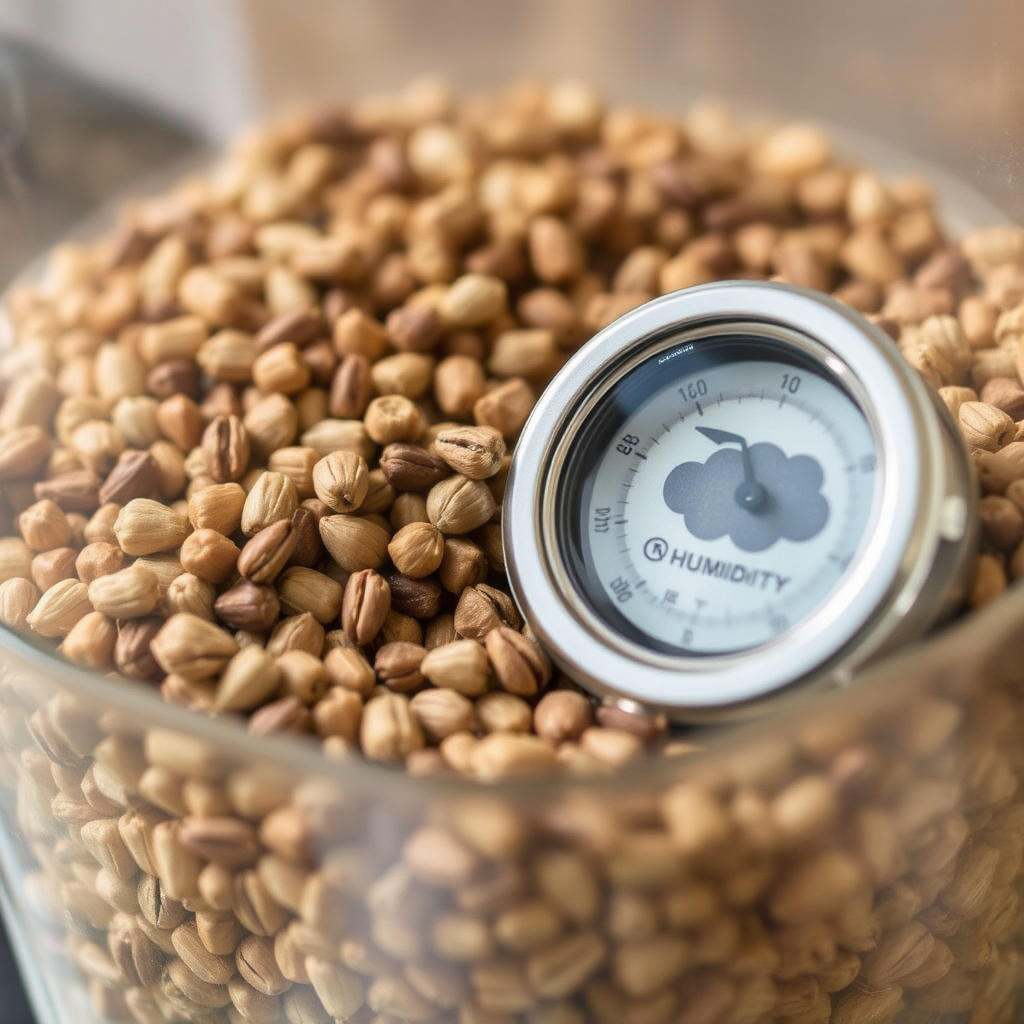
Effects of Moisture on Seed Viability
When seeds take up moisture from humid air, their metabolic activity can increase prematurely, leading to germination or degradation. Mold growth becomes a serious risk, as moisture creates favorable conditions for fungal spores. This compromises seed integrity and reduces the probability of successful sprouting.
Maintaining dryness helps seeds remain dormant and extends their lifespan. Seeds stored with excess moisture may only last a few months before deteriorating, whereas properly dried seeds can remain viable for multiple years depending on species. Controlling moisture is therefore fundamental in seed banking and home storage.
How Seed Structure Influences Water Absorption
Seeds vary in permeability based on coat toughness and chemical makeup. Porous seed coats absorb water vapor quickly, making such seeds especially vulnerable to moisture damage if left unprotected. Conversely, seeds with thick, waxy coats resist moisture uptake better but still require dryness for longevity.
Understanding your seed type helps tailor storage methods. For example, oily seeds like sunflower or pumpkin need particularly dry conditions since oils can turn rancid with moisture. Drying methods and container choice must account for these structural differences to keep seeds safe.
Effective Methods to Dry Seeds Before Storage
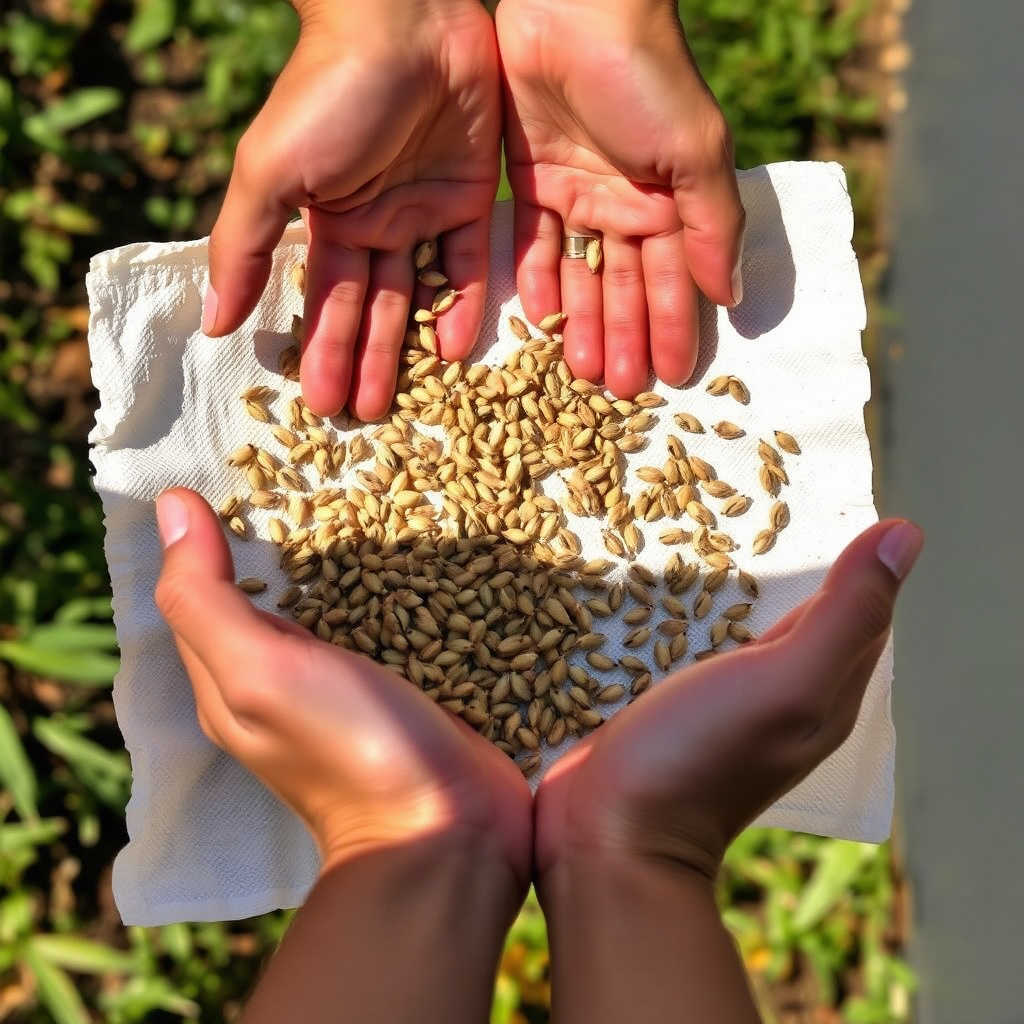
Natural Air Drying Techniques
After harvest, spread seeds in a single layer on absorbent material such as paper towels or screens in a well-ventilated, shaded area. Avoid direct sunlight to prevent overheating or damaging seeds. Stir them gently every day to ensure even drying. This method takes several days but is safe and energy-free.
For seeds with higher moisture content, increasing airflow by using a fan helps accelerate drying while keeping ambient humidity low. This process gradually reduces moisture content to the ideal 5-8% range without stressing seeds.
- Protect seeds from direct sunlight
- Use a fan to improve air circulation
- Dry in a cool, ventilated space
Using Dehumidifiers and Desiccants
To achieve thorough dryness, especially in humid climates, place seeds alongside silica gel or other desiccants that absorb moisture. These materials can be used inside storage containers or drying chambers to maintain low humidity levels around seeds.
Electric dehumidifiers in small rooms provide controlled drying environments suitable for larger seed quantities or sensitive seeds. Humidity settings should be carefully monitored to prevent overdrying and seed damage.
- Use silica gel packs in containers
- Consider small electric dehumidifiers for bulk drying
- Monitor humidity regularly with a gauge
Choosing the Best Seed Storage Containers
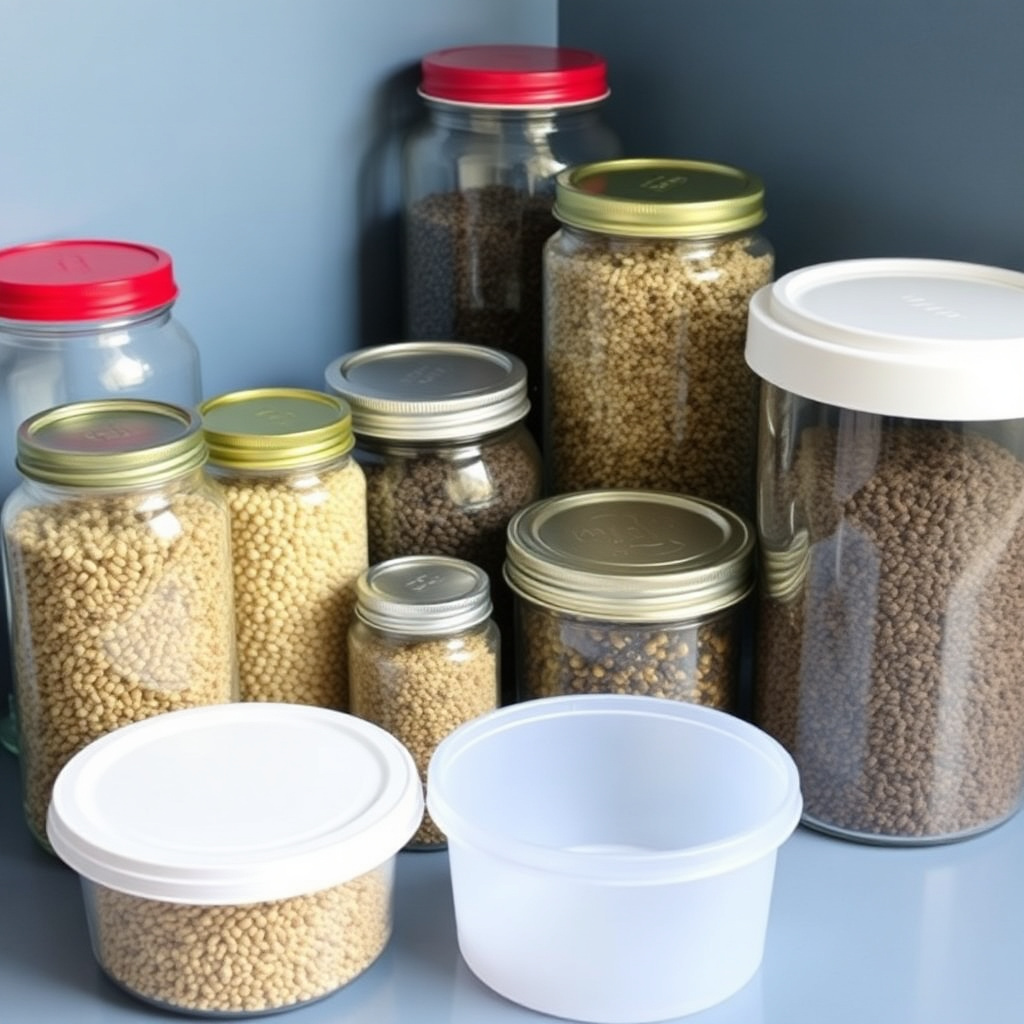
Airtight Containers and Moisture Barriers
Containers that prevent moisture ingress are essential in seed storage. Glass jars with rubber-sealed lids, vacuum-sealed bags, and sturdy metal tins provide physical barriers against humidity and pests.
Plastic containers can be suitable if they seal tightly and are kept in dry locations. The key is minimizing air exchange to maintain stable low humidity inside the container.
- Glass jars with airtight seals
- Metal tins with tight-fitting lids
- Vacuum-sealed bags
For more on this, see our related guide: What Causes Seeds to Lose Viability and How to Prevent It.
Labeling and Organizing Seed Containers
Accurate labeling helps track seed type, harvest date, and drying details. This prevents confusion and reduces container opening frequency, which exposes seeds to air and moisture.
Organize containers in a manner that keeps frequently used seeds accessible while protected, and store them in a cool place with consistent temperature and humidity.
- Label containers with seed details
- Use bins or shelves to organize storage
- Minimize opening frequency to reduce moisture exposure
Environmental Conditions to Maintain During Seed Storage
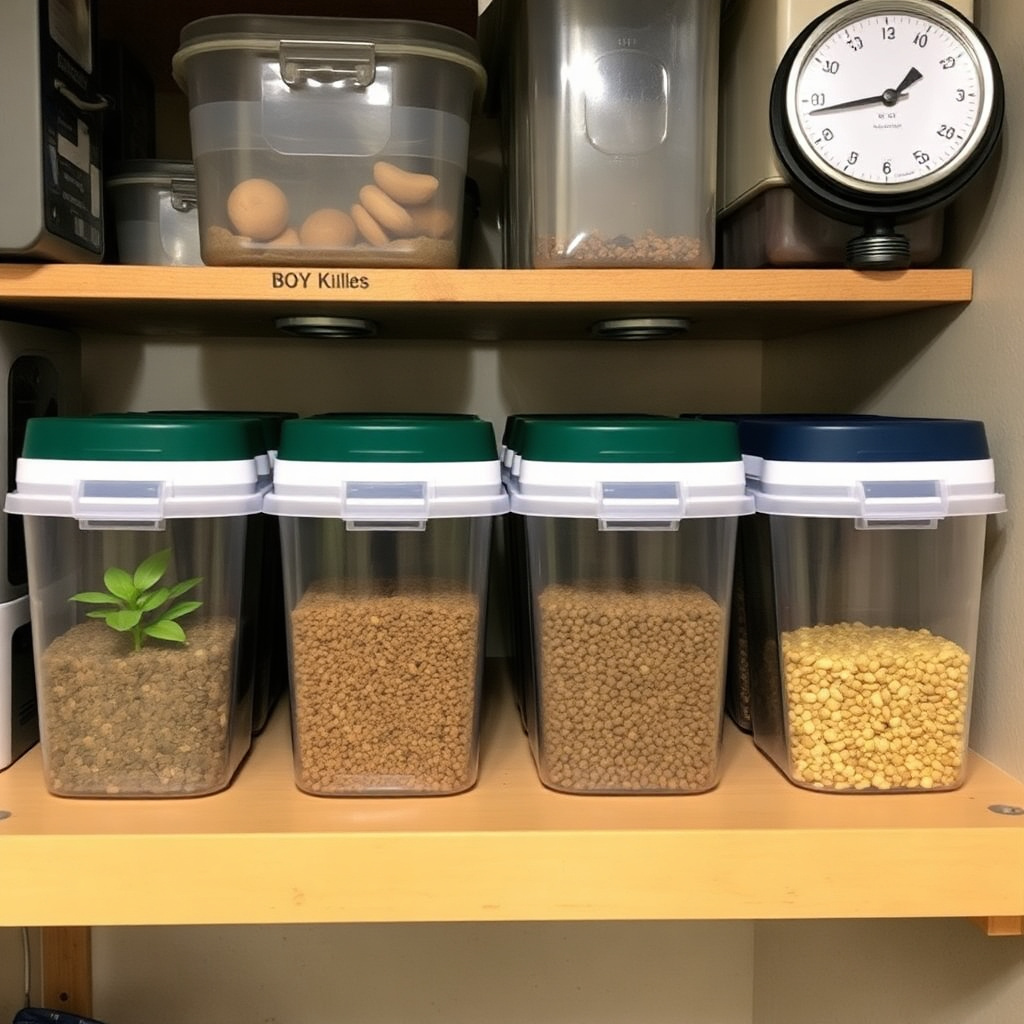
Ideal Temperature and Humidity Ranges
Seeds keep best when stored at temperatures between 32°F and 50°F (0°C to 10°C) and at relative humidity below 30%. Lower temperatures slow metabolic processes while dry air prevents mold and deterioration.
Basements, root cellars, or dedicated seed storage refrigerators meet these conditions and preserve seeds for years. Avoid fluctuations in temperature and humidity as these stress seeds and shorten their lifespan.
- Store seeds at 32-50°F (0-10°C)
- Keep relative humidity below 30%
- Avoid rapid temperature or humidity changes
Protecting Seeds from Light and Pests
Light can degrade some seed types and promote warming, which affects moisture balance. Store seeds in opaque containers or dark environments to shield them from light exposure.
Pests such as insects or rodents can damage seeds or introduce moisture. Use sealed containers and store in pest-proof locations to protect your collection.
- Use opaque or dark containers
- Store in pest-resistant areas
- Inspect seeds regularly for pest damage
Common Mistakes that Lead to Seed Moisture Problems
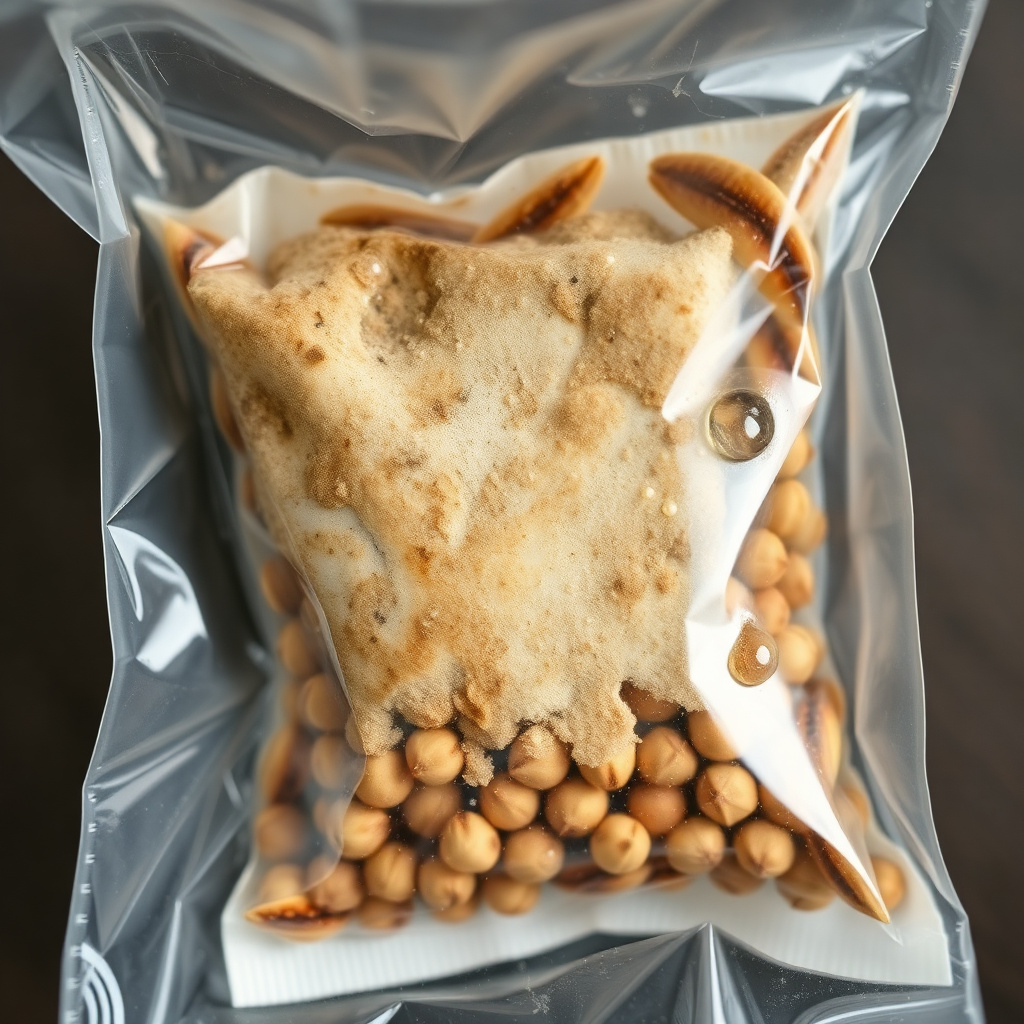
Storing Seeds While Still Wet or Damp
Packaging seeds before they are fully dry traps moisture inside containers, creating an environment ripe for mold. Seeds must be dried thoroughly before sealing, or deterioration begins quickly.
Even small moisture amounts can cause damage over weeks. Always test seeds by breaking a few open to confirm dryness or use a moisture meter.
For more on this, see our related guide: How to Store Seeds Long Term for Maximum Viability and Freshness.
Ignoring Humidity and Temperature Control in Storage Spaces
Placing seed containers in warm, humid areas like kitchens or garages subjects seeds to moisture absorption and rot. Without controlling room conditions, even tight containers fail over time.
Investing in proper storage locations and monitoring with thermometers and hygrometers greatly improves seed survival chances.
Tips for Testing and Maintaining Seed Dryness Over Time
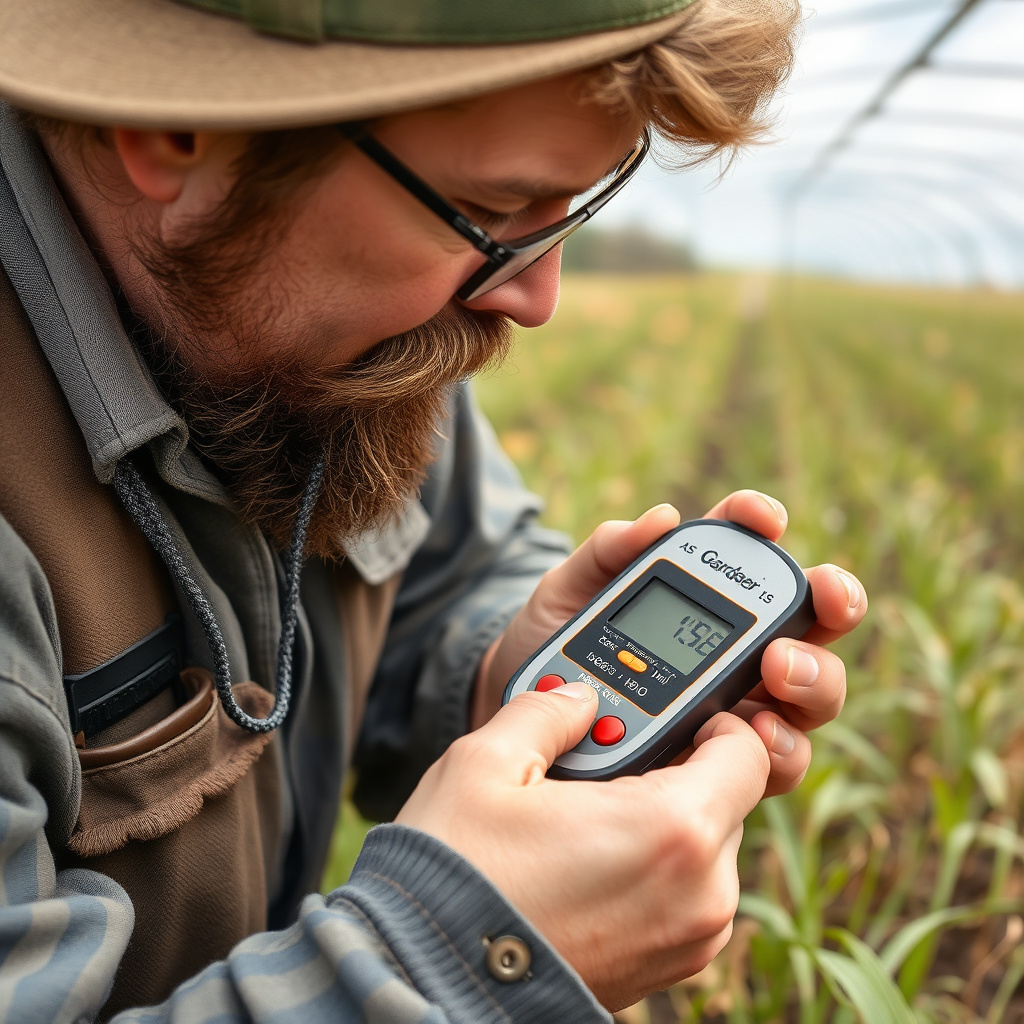
Using Moisture Meters and Visual Inspection
Moisture meters designed for seeds provide quick, accurate readings of moisture content and help decide if seeds are ready for storage. Visual cues include shriveled or brittle seed coats indicating dryness.
Regularly test stored seeds, especially before planting seasons, to prevent surprises from moisture damage.
- Invest in a seed moisture meter
- Look for physical signs of dryness or sprouting
- Test periodically during long-term storage
For more detailed scientific background on seed preservation and storage, see this informative overview of seed bank methodologies. seed storage techniques.
Refreshing Desiccants and Re-Drying Seeds If Needed
Desiccants lose effectiveness over time and must be replaced or recharged to maintain dryness. If moisture is detected, spread seeds out again for drying before returning to storage.
This maintenance cycle prolongs seed viability by preventing moisture build-up in the container environment.
- Replace or recharge silica gel packs regularly
- Re-dry seeds if humidity increases
- Check containers for any moisture leaks
Comparison of Seed Storage Container Types
Here's a comparison of common seed storage containers highlighting their benefits and drawbacks for keeping seeds dry.
| Container Type | Moisture Protection | Cost | Reusability | Best Use Case |
|---|---|---|---|---|
| Glass Jars with Airtight Lids | Excellent | $$ | High – reusable indefinitely | Long-term storage of small batches |
| Metal Tins with Seals | Very Good | $$ | High | Pest protection with moderate moisture control |
| Vacuum-Sealed Bags | Excellent | $ | Limited – one-time use | Bulk seed preservation for short to medium term |
| Plastic Airtight Containers | Good | $ | High | Frequent access storage with moderate moisture control |
| Paper Envelopes | Poor | $ | Limited | Short-term drying or temporary storage only |
Frequently Asked Questions
How dry should seeds be before storing them?
Seeds should be dried to approximately 5-8% moisture content before storage. This range minimizes the risk of mold and preserves viability without causing brittleness.
Can I store seeds in the refrigerator to keep them dry?
Yes, storing seeds in airtight containers in the refrigerator helps maintain low temperature and humidity, which keeps seeds dry and extends their lifespan.
Are silica gel packets necessary when storing seeds?
Using silica gel or other desiccants helps absorb residual moisture and maintain dryness inside storage containers, especially in humid environments.
What signs indicate seeds have absorbed too much moisture?
Seeds become moldy, discolored, or sticky when too moist. They may also start premature sprouting or lose their typical shape and texture.
How often should I check on my stored seeds?
It’s best to inspect stored seeds every few months for moisture issues or pest damage and to refresh desiccants if used.
Key Takeaways
- Dry seeds thoroughly to about 5-8% moisture before storing
- Use airtight containers like glass jars or vacuum bags to block moisture
- Store seeds in cool, low-humidity, and dark environments
- Regularly monitor stored seeds and maintain desiccants to preserve dryness
Conclusion
Ultimately, how to keep seeds dry revolves around removing initial moisture and preventing any new moisture ingress during storage. Seeds naturally absorb water vapor, so controlling the environmental conditions and container choice forms the foundation of effective seed preservation. Dry seeds remain viable and ready for planting, sparing gardeners the cost and disappointment of lost germination potential over time.
For home gardeners with small quantities, air drying seeds gently followed by sealed glass jar storage offers simplicity and proven effectiveness. Those managing larger quantities or seeking longer-term seed banking benefits from vacuum-sealed bags combined with desiccants and temperature-controlled environments. Identifying seed types helps determine how strictly one must control humidity due to differences in seed coat permeability and oil content.
To safeguard your seed collection, start by thoroughly drying seeds post-harvest, label and organize them in proper storage containers, and place the containers in a cool, dry site. Regular maintenance such as moisture testing and desiccant refreshing avoids hidden moisture buildup. Applying these practices will extend seed lifespans and support successful sprouting season after season.