What Is Seed Stratification and Why It Matters for Successful Germination
Seed stratification is a natural or artificial process that mimics winter conditions to break seed dormancy and promote germination. By exposing seeds to cold, moist conditions, stratification tricks seeds into 'thinking' they have gone through winter, signaling them to sprout when conditions improve.
This process matters because many plant species produce seeds that won't germinate immediately due to an internal dormancy mechanism. Stratification helps ensure those seeds germinate at the right time, increasing their chances of survival and healthy growth.
This article will explain the science behind seed stratification, describe different methods to perform it, and guide you on how to apply this technique to improve germination for various garden and wild plants.
Understanding Seed Dormancy and Stratification
What Causes Seed Dormancy?
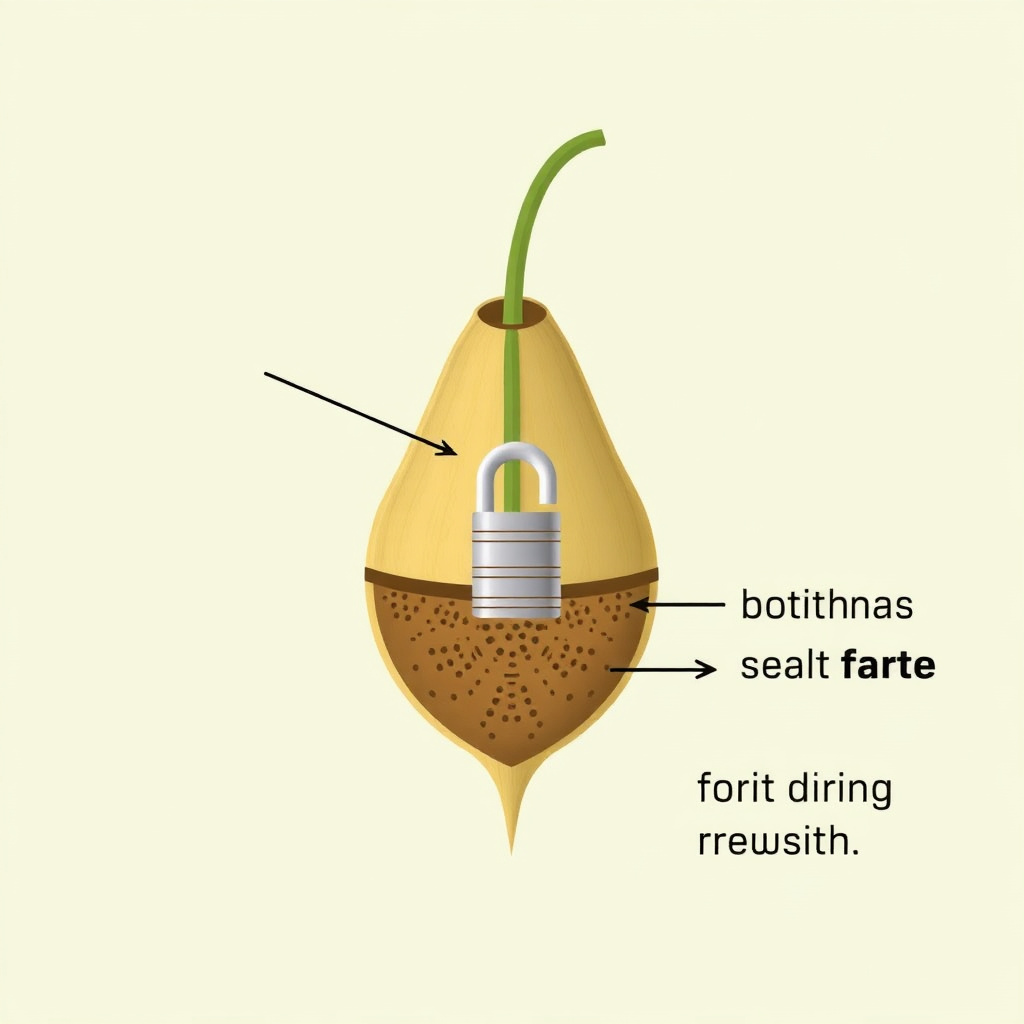
Seed dormancy is a survival strategy where seeds remain inactive until environmental conditions are favorable. It can be caused by hard seed coats, chemical inhibitors, or immature embryos that prevent germination immediately after dispersal.
Dormant seeds avoid sprouting during unsuitable conditions like summer heat or drought, improving their chances of surviving until optimal growth conditions appear.
How Stratification Breaks Dormancy
Stratification exposes seeds to cold and moisture, which triggers physiological changes. These changes include weakening seed coats, leaching inhibitors, and activating enzymes that kickstart metabolism for germination.
Many temperate plant seeds require a cold period, often mimicking winter, to wake them from dormancy. Without this cold exposure, seeds could stay dormant indefinitely.
Natural vs. Artificial Seed Stratification Processes
How Seed Stratification Happens Naturally
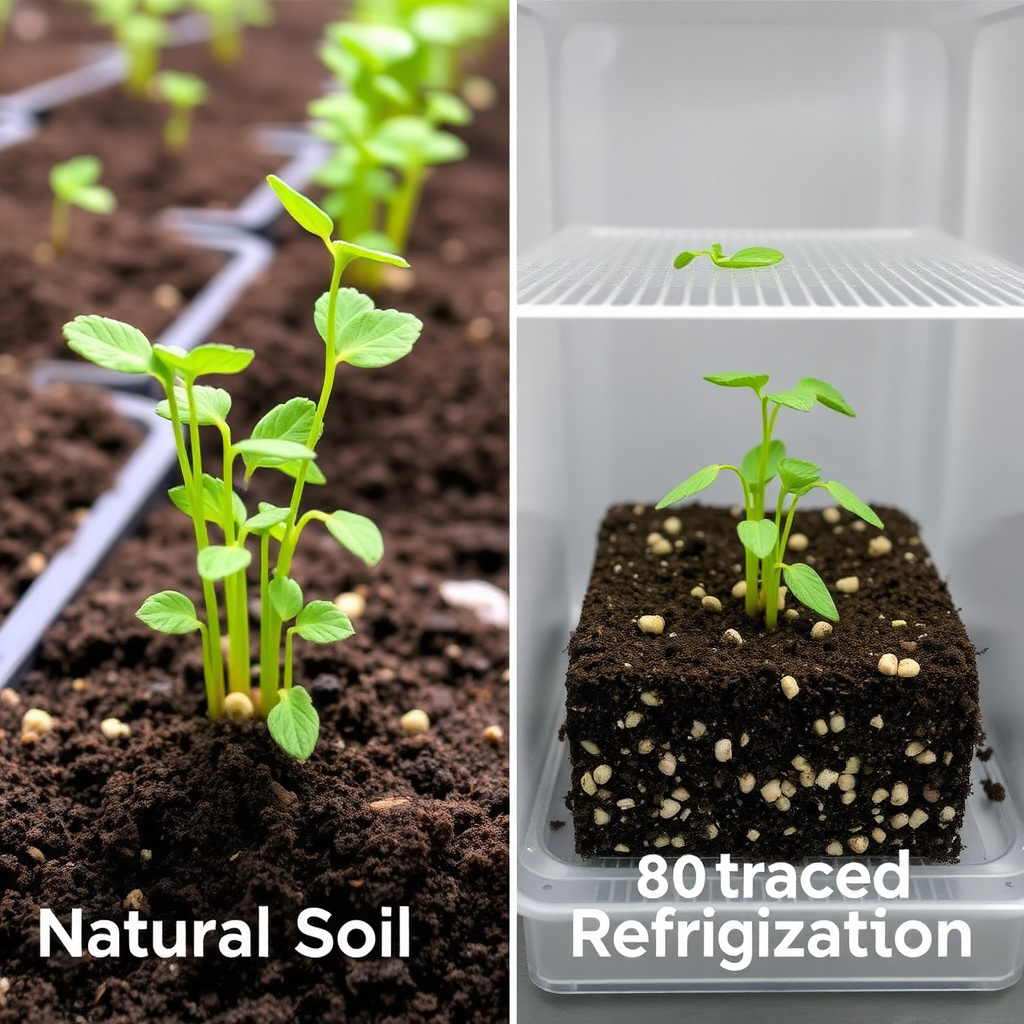
In nature, seeds fall to the ground in autumn and endure cold moist conditions through winter. This season-long exposure gradually breaks dormancy and synchronizes germination with spring weather.
Soil temperature and moisture level fluctuations in winter play a critical role in the natural stratification of many forest and prairie plant seeds.
Using Artificial Stratification at Home
Gardeners and growers often mimic natural stratification by placing seeds in moist medium inside a cold fridge for several weeks or months. This method is controlled and allows planning ahead of planting season.
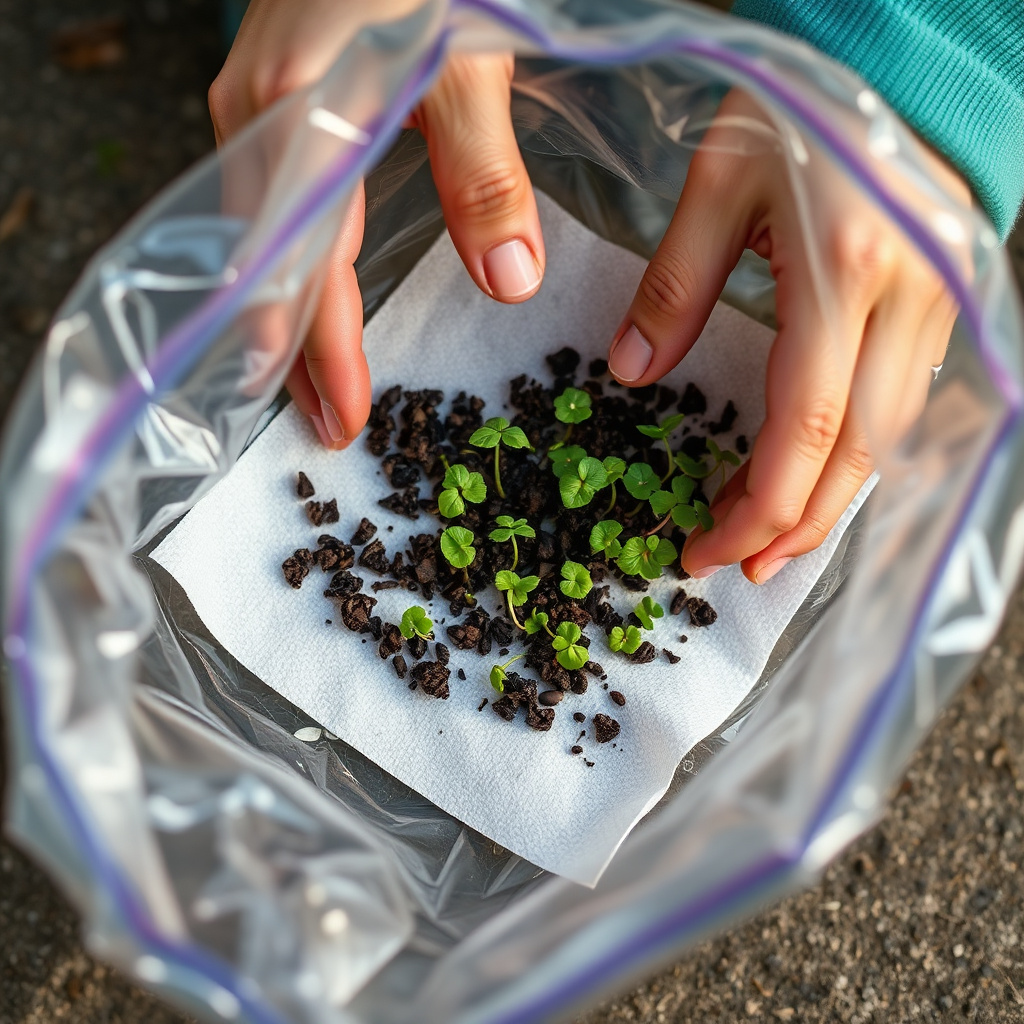
Artificial stratification involves using damp paper towels, sand, or peat moss in sealed bags kept at temperatures usually between 1-5°C (34-41°F). This helps seeds complete the dormancy phase faster.
Effective Methods to Stratify Seeds
Cold Moist Stratification
The most common technique involves mixing seeds with a moist substrate like sand or peat, then refrigerating them for a period usually from a few weeks to 3 months. This replicates thawed, damp soil.
Moisture is key because dry stratification is mostly ineffective. Seeds must remain damp but not waterlogged during this cold phase to encourage biochemical changes.
- Use sterilized medium to avoid mold
- Check moisture frequently
- Avoid freezing temperatures
For more on this, see our related guide: What Does a Germinated Seed Look Like? A Clear Visual Guide.
Warm Followed by Cold Stratification
Some seeds require an initial warm period before cold stratification to simulate seasonal variation. This warm phase can range from days to weeks at around 15-20°C (59-68°F).
Then the seed undergoes cold moist stratification in the fridge. This two-step process matches nature's cycles in certain climates and is important for species with complex dormancy.
Seed Stratification Requirements by Plant Type
Common Trees and Shrubs
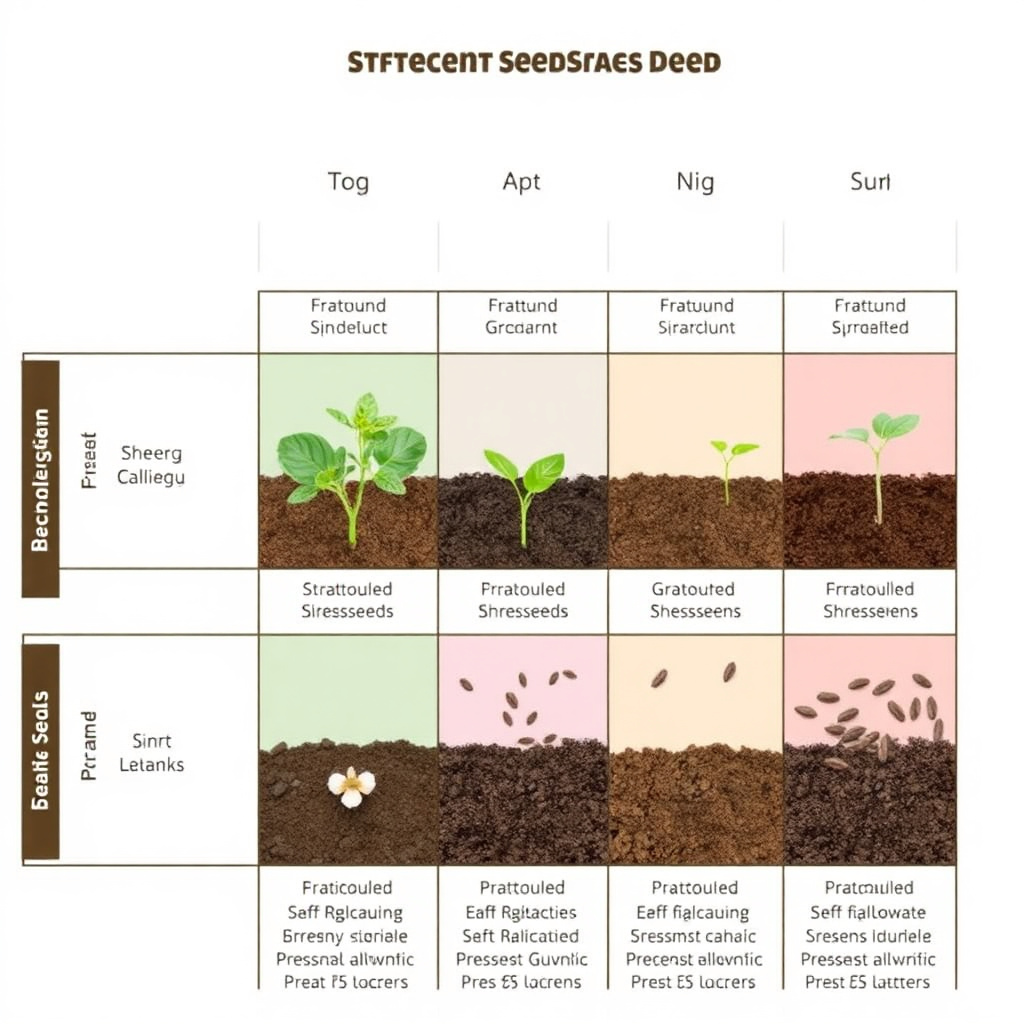
Many temperate trees like maples, oaks, and dogwoods produce seeds that need cold moist stratification ranging from 30 to 90 days before they can germinate.
Shrubs such as lilacs and viburnums usually fall under this category. Without stratification, their seeds often fail to germinate or do so erratically.
- Maple: 60-90 days cold stratification
- Oak: often requires 30-60 days
- Lilac: 30-45 days
Perennials and Wildflowers
Perennial plants like coneflower or milkweed commonly need stratification for proper germination. Their seeds have evolved to wait through winter cycles to avoid seedling freeze damage.
Wildflowers native to temperate zones often fit this pattern, making stratification a useful technique for natives and restoration projects.
- Coneflower: 30 days cold stratification
- Milkweed: 60 days cold stratification
Practical Tips for Successful Seed Stratification
Choosing the Right Moist Medium
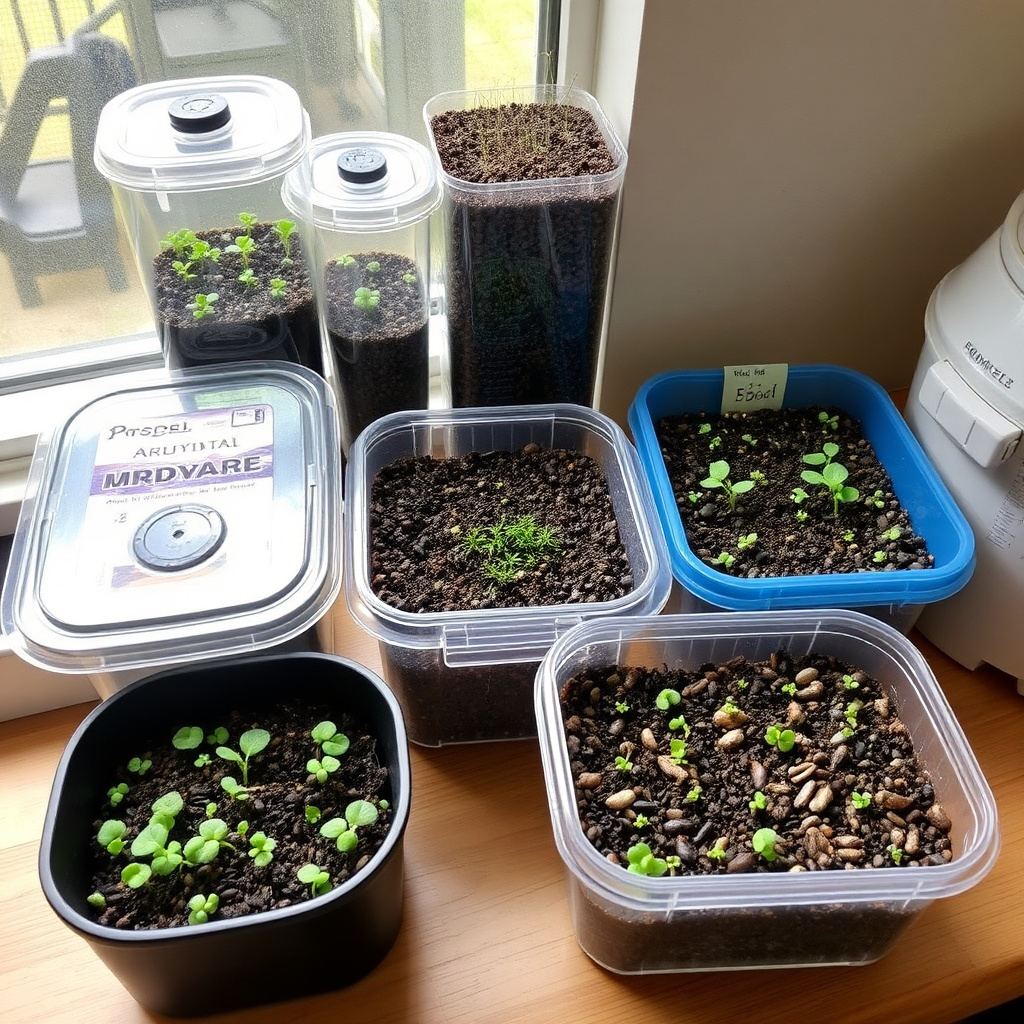
Peat moss, sterilized sand, or vermiculite are good choices as moist mediums for stratification because they hold moisture without being soggy. Avoid garden soil, which can contain pathogens.
Paper towels can be used for small batches, but larger seed lots require bulk substrates that remain evenly moist over extended periods.
- Peat moss
- Sterilized sand
- Vermiculite
- Moist paper towels for small samples
For more on this, see our related guide: How to Diagnose and Fix Common Seed Germination Problems.
Maintaining Proper Temperature and Moisture
Keep seeds at refrigerator temperatures (1-5°C or 34-41°F) consistently without freezing. Monitor moisture and add water as needed to prevent drying out but avoid mold.
Periodic checks every week can prevent problems like excessive moisture or seeds rotting, and ensures good stratification success.
After Stratification: Planting and Germination
Signs Seeds Are Ready to Germinate
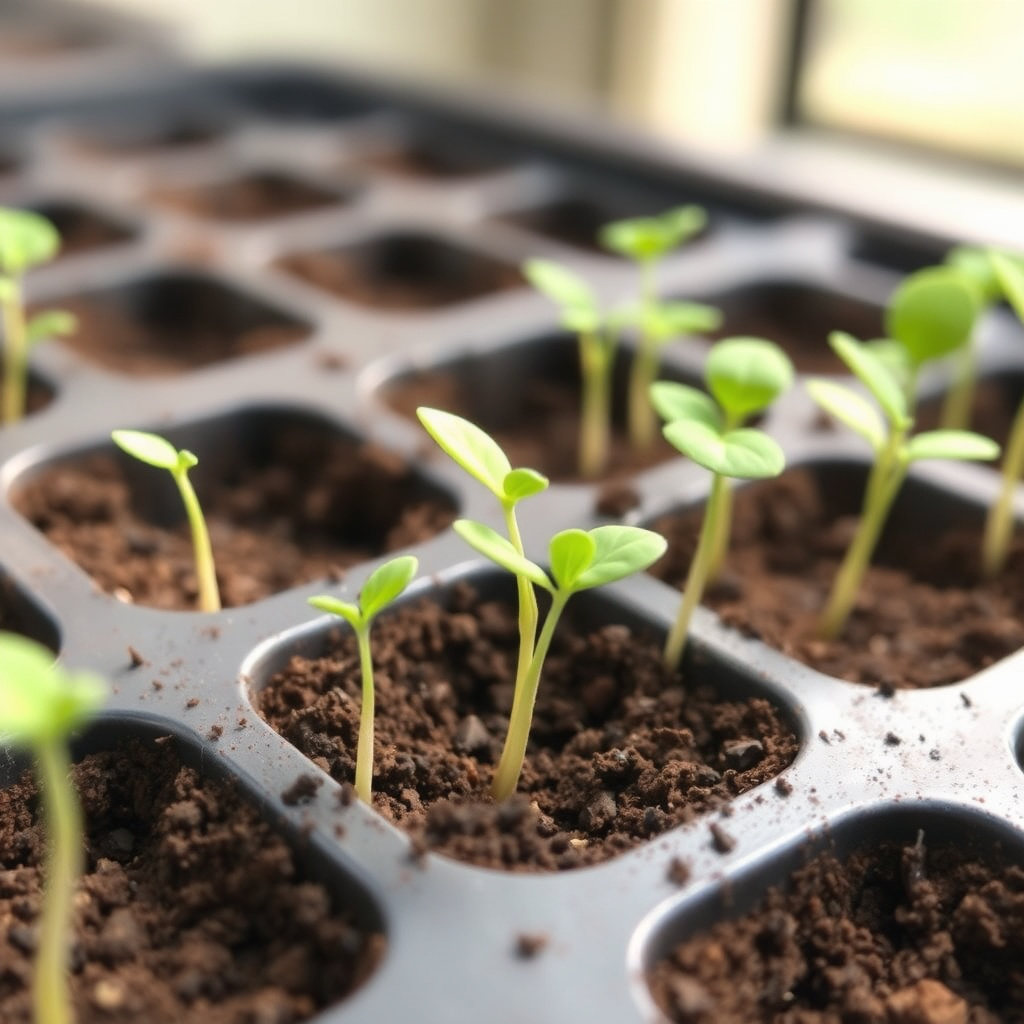
Following stratification, seeds often show signs like swelling, cracking seed coats, or even tiny root emergence. These indicate dormancy has been broken and germination can succeed.
At this point, you can carefully sow seeds in appropriate soil conditions to support seedling growth.
For more detailed scientific background on this topic, visit the comprehensive seed dormancy and stratification on Wikipedia. seed dormancy and stratification on Wikipedia.
Optimal Conditions for Post-Stratification Germination
Warmth, light, and moisture are essential after stratification. Many seeds respond to soil temperatures between 15-25°C. Some also require light exposure to germinate, so plant accordingly.
Maintaining good drainage and avoiding overwatering helps prevent damping-off disease in young seedlings.
- Ideal soil temperature: 15-25°C
- Provide light if species requires
- Avoid overwatering
Seed Stratification Methods Comparison
Here’s a comparison of common seed stratification methods to help you pick the best for your seeds.
| Method | Duration | Temperature Range | Moisture Level | Best For |
|---|---|---|---|---|
| Cold Moist Stratification | 2-12 weeks | 1-5°C (34-41°F) | Moderate moisture | Most temperate tree seeds, shrubs |
| Warm then Cold Stratification | Warm 1-3 weeks + Cold 4-12 weeks | Warm 15-20°C, Cold 1-5°C | Moderate moisture | Seeds with complex dormancy like some wildflowers |
| Dry Stratification | 4-12 weeks | Cool to room temperature | Dry | Very few plants; mainly desert species |
| Natural Outdoor Stratification | Several months | Varies with season | Variable rainfall and snow | Native seeds in temperate climates |
Frequently Asked Questions
Can I stratify seeds without a refrigerator?
It’s possible to stratify seeds outdoors by planting them directly in the soil over winter, depending on your climate. Alternatively, you can simulate conditions with cool basements or insulated outdoor spots if refrigeration is unavailable.
How do I know if a seed needs stratification?
Research the specific plant species; many temperate trees, shrubs, and wildflowers require cold stratification. Seed catalogs or extension websites often specify stratification needs.
What happens if I skip seed stratification?
Seeds that need stratification might not germinate or may do so unevenly, delaying planting success or resulting in poor crop establishment.
Can too much moisture hurt stratification?
Yes, seeds can rot if kept too wet during stratification. It’s important to maintain moisture without waterlogging and check seeds periodically.
How long can I keep seeds in stratification?
Most seeds require 2-12 weeks of stratification. Extending beyond recommended periods usually isn’t helpful and may increase mold risk.
Key Takeaways
- Seed stratification breaks dormancy by simulating cold, moist winter conditions.
- Artificial stratification replicates nature to improve germination success.
- Different species have specific stratification requirements for duration and temperature.
- Proper moisture and temperature control is essential to avoid mold or seed rot.
Conclusion
Understanding whether seeds need stratification and how to perform it effectively is a vital step for gardeners and plant enthusiasts looking to grow species with dormancy challenges. By recreating the natural winter cycle through controlled cold-moist conditions, you help break seed dormancy and synchronize germination at the right time. This thoughtful approach increases the chances of healthy seedling development and successful cultivation by addressing the biological needs of each seed type.
For common plants like maple trees, lilacs, and many wildflowers, cold moist stratification for 30-90 days in the refrigerator is often sufficient. Seeds with more complex dormancy may require a warm period followed by cold stratification, matching seasonal cycles they experience in nature. Outdoor natural stratification also works in suitable climates but offers less control and predictability. Selecting the right method depends on your plant species, available resources, and planting timeline.
To take action, identify the stratification needs of your seeds by consulting species-specific guides or trusted horticultural sources. If stratification is necessary, preparing a moist, sterile medium and maintaining stable refrigeration at around 1-5°C will lead to better germination outcomes. Regular checks and careful moisture management help prevent mold. With these steps, you can unlock healthy growth potential for even the most stubborn seeds.