How Many States Have Legalized Recreational Cannabis in the US?
As of mid-2024, 23 states across the United States have fully legalized recreational cannabis use for adults over 21. This list grows as more states debate and pass laws allowing controlled recreational cannabis consumption.
The move toward legalization reflects shifts in public opinion, economic interests, and criminal justice reform. States that have legalized recreational cannabis often see increased tax revenues and reduced law enforcement burdens related to cannabis offenses.
This article will explore which states have legalized recreational cannabis, the variations in laws among them, and how cannabis legalization status impacts consumers and policymakers. It will also compare states’ approaches and include frequently asked questions.
State-by-State Overview of Recreational Cannabis Legalization

Which States Have Legalized Recreational Cannabis?
Currently, 23 states along with the District of Columbia have enacted laws allowing adults to legally possess and use recreational cannabis. These states include California, Colorado, Oregon, Illinois, and more, each with their own regulatory frameworks.
The geographic spread shows a concentration in the West and Northeast, with emerging legalization in the Midwest and South. Some states allow home cultivation, while others restrict cannabis sales to licensed dispensaries.
- Alaska
- California
- Colorado
- Illinois
- New York
- Massachusetts
- Michigan
How Do State Laws Differ on Recreational Cannabis?
Laws vary in possession limits, taxation, retail sales, and personal growing rights. For example, some states set possession limits at one ounce, while others allow more. Tax structures often include excise taxes plus sales tax.
Additionally, states differ in legal age (typically 21) enforcement methods and public consumption restrictions. Some states have social equity programs aimed at rectifying harms from past cannabis prohibition.
Benefits Observed in States with Recreational Cannabis Legalization
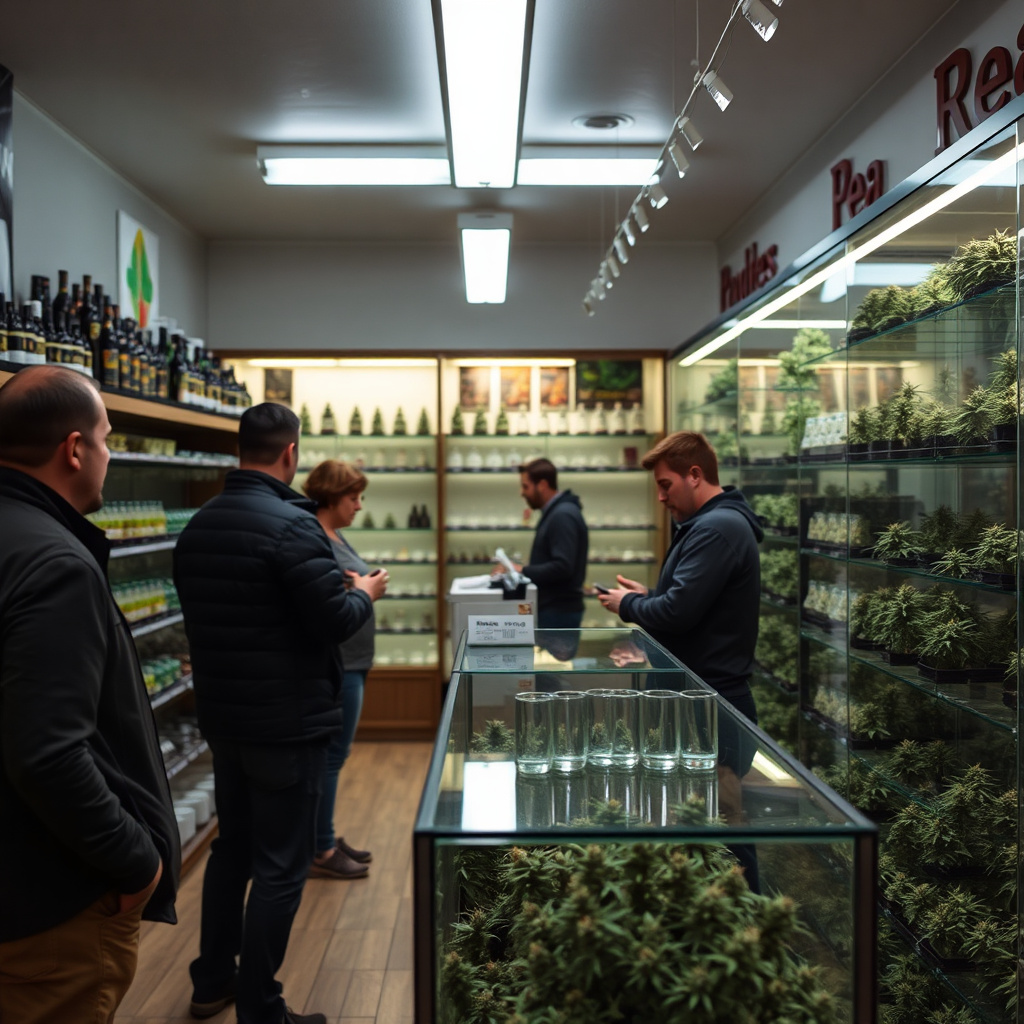
Economic Impact of Legalization
Legal recreational cannabis has generated billions in tax revenue for states. These funds often support education, healthcare, and community programs. Job creation in cannabis cultivation, retail, and ancillary services has also surged.
Tourism in states with cannabis-legal markets has increased, especially in states with established dispensary networks. This economic boost contributes positively to local and state economies.
For more on this, see our related guide: Are Cannabis Seeds Legal in the USA? Understanding the Legal Landscape.
Social and Criminal Justice Outcomes
Legalization has helped reduce criminal penalties and arrest rates for marijuana possession. This shift aims to address social justice issues stemming from the War on Drugs.
Some states implement policies expunging records for prior cannabis offenses, which assists affected individuals in overcoming employment and housing barriers.
Challenges and Concerns Surrounding Recreational Cannabis Laws

Regulatory and Compliance Issues
Establishing effective regulation poses challenges in ensuring product safety, preventing underage access, and managing unlicensed sales. States continuously adjust regulatory frameworks to address these concerns.
Compliance costs for businesses are significant due to licensing fees and testing requirements, impacting prices and availability.
Public Health and Safety Considerations
Some critics worry about increased impaired driving incidents and youth cannabis use, though research is ongoing. States employ campaigns to educate the public and monitor safety effects.
Cannabis potency and standardized labeling requirements are other focal points in safeguarding consumer health.
Federal vs. State Law: Navigating Cannabis Legalization
The Conflict Between Federal and State Cannabis Laws
Marijuana remains illegal under federal law, classified as a Schedule I substance. This creates legal tensions with states where recreational cannabis is legal, affecting banking, taxation, and interstate commerce.
Despite federal prohibition, enforcement priorities have shifted to allow some state-legal cannabis markets to operate with less interference.
Impact on Businesses and Consumers
Cannabis businesses face challenges accessing banking and credit services due to federal restrictions. Consumers must also be aware of federal property rules affecting landlords and employees.
The dichotomy influences investment, insurance options, and interstate transport prohibitions complicating business growth and consumer access.
The Future of Recreational Cannabis Legalization in the US
Trends in State Cannabis Legislation
More states are expected to consider legalization measures as public support remains high. Some states may adopt partial approaches, like decriminalization or medical-only programs evolving into full recreational legality.
Policymakers are focusing on refining tax balances and social equity as new laws are crafted.
For more detailed information on cannabis legalization across all US states, see the comprehensive Cannabis in the United States Wikipedia page. Cannabis in the United States Wikipedia page.
Possible Federal Legalization Developments
Federal legalization discussions continue in Congress, with proposals aiming to remove cannabis from the Controlled Substances Act and establish regulatory frameworks.
A shift at the federal level would harmonize laws, improve banking access, and foster more uniform policies nationwide.
Recreational Cannabis Legalization Status by State Region
This table compares recreational cannabis legalization status, possession limits, and retail availability across major US regions.
| Region | Number of Legal States | Possession Limit | Retail Sales Allowed |
|---|---|---|---|
| West | 10 | 1 oz – 2 oz | Yes |
| Northeast | 7 | 1 oz | Yes |
| Midwest | 4 | 1 oz | Yes in some states |
| South | 2 | Varies | Limited or no retail |
| Southwest | 0 | None | No |
Frequently Asked Questions
What is the legal age for recreational cannabis use in legalized states?
Most states that have legalized recreational cannabis set the minimum age at 21 years old for possession and consumption.
Can I legally grow my own cannabis plant at home?
Some states allow home cultivation of a limited number of cannabis plants, while others prohibit it or restrict it to medical users only.
Are cannabis dispensaries taxed differently than other retail businesses?
Yes, in many states, cannabis dispensaries face special excise taxes on top of regular sales taxes, contributing significantly to state revenues.
Does federal law recognize state-legal recreational cannabis use?
No, cannabis remains federally illegal, creating conflicts especially concerning banking and interstate commerce for cannabis businesses.
Are there social equity programs linked to recreational cannabis legalization?
Several states have implemented programs to help communities disproportionately impacted by past cannabis criminalization through licensing preferences and funding opportunities.
Key Takeaways
- 23 states have legalized recreational cannabis for adults 21 and over.
- State laws vary widely on possession limits, sales, and home cultivation.
- Legalization generates substantial tax revenue and reduces criminal penalties.
- Federal prohibition remains a major challenge for cannabis businesses and consumers.
Conclusion
Determining how many states have legalized recreational cannabis involves not just counting the laws passed but also understanding the diverse legal frameworks they represent. With 23 states and the District of Columbia permitting recreational use, these policies reflect changing attitudes and priorities around cannabis. The approaches differ significantly — from possession limits and retail access to social equity programs — which affects how residents experience legalization and its social impacts. Navigating these differences is key for consumers and policymakers aiming for informed decisions.
If you're considering recreational cannabis use or investment, know that western and northeastern states offer the most established legal markets with clear regulations. States like California and Colorado provide broad legal protections and extensive retail options, while others maintain more restrictive rules. Meanwhile, regions like the South remain largely prohibitive or limited in legal access. Understanding the cannabis legalization status in your state and its neighbors helps anticipate access and compliance requirements.
Whether you live in a state with recreational legalization or are interested in future trends, staying updated on changes in state laws is important. Tracking legislative developments and federal policy shifts will clarify how cannabis laws evolve in the coming years. For anyone interested in the legal landscape or recreational cannabis itself, consulting authoritative sources and state-specific regulations offers the most reliable guidance.