How to Improve Sandy Soil for Healthier Garden Growth
Improving sandy soil starts with increasing its ability to retain moisture and nutrients, which it naturally struggles with. Adding organic matter such as compost or well-rotted manure is the most effective way to enhance sandy soil’s structure, helping it hold water and nutrients better for healthier plants.
Sandy soil tends to drain quickly and often lacks essential nutrients, making it challenging for gardens and crops. By improving its texture and fertility through amendments, you can create a more balanced environment that supports root development and reduces water stress on plants.
This article covers a variety of methods to improve sandy soil, including organic amendments, mulching, cover cropping, soil testing, and irrigation strategies. You’ll also learn about the best plants suited for sandy conditions and how to select amendments tailored to your garden’s specific needs.
Understanding the Characteristics of Sandy Soil
What Defines Sandy Soil?
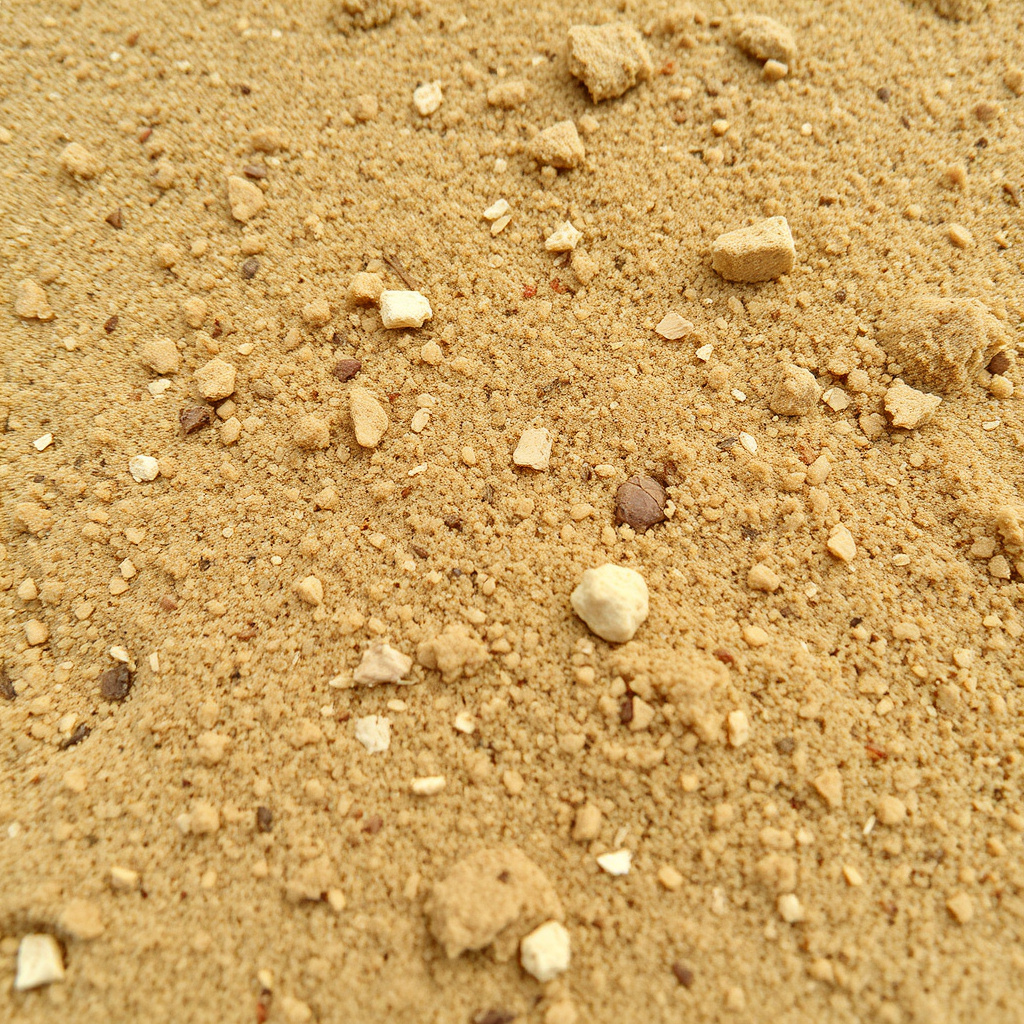
Sandy soil is composed of large particles that create large pore spaces, leading to rapid drainage and poor nutrient retention. This type of soil warms quickly in the spring but can dry out just as fast, resulting in nutrient leaching and stress for plants if not properly managed.
Since sandy soil is low in organic matter and retains little water, it tends to be less fertile than other soil types. Understanding these characteristics helps gardeners know why regular soil amendment and moisture management are essential.
Common Challenges When Growing in Sandy Soil
The main challenges involve quick water runoff, nutrient loss, and limited microbial activity. Plants growing in sandy soils often suffer from drought stress and nutrient deficiencies because water and fertilizer drain away before roots can absorb them.
This environment also tends to have a lower cation exchange capacity, which is the soil’s ability to hold onto essential nutrients like potassium, calcium, and magnesium, making nutrient management even more critical.
Organic Matter and Soil Amendments to Improve Sandy Soil
Adding Compost and Manure
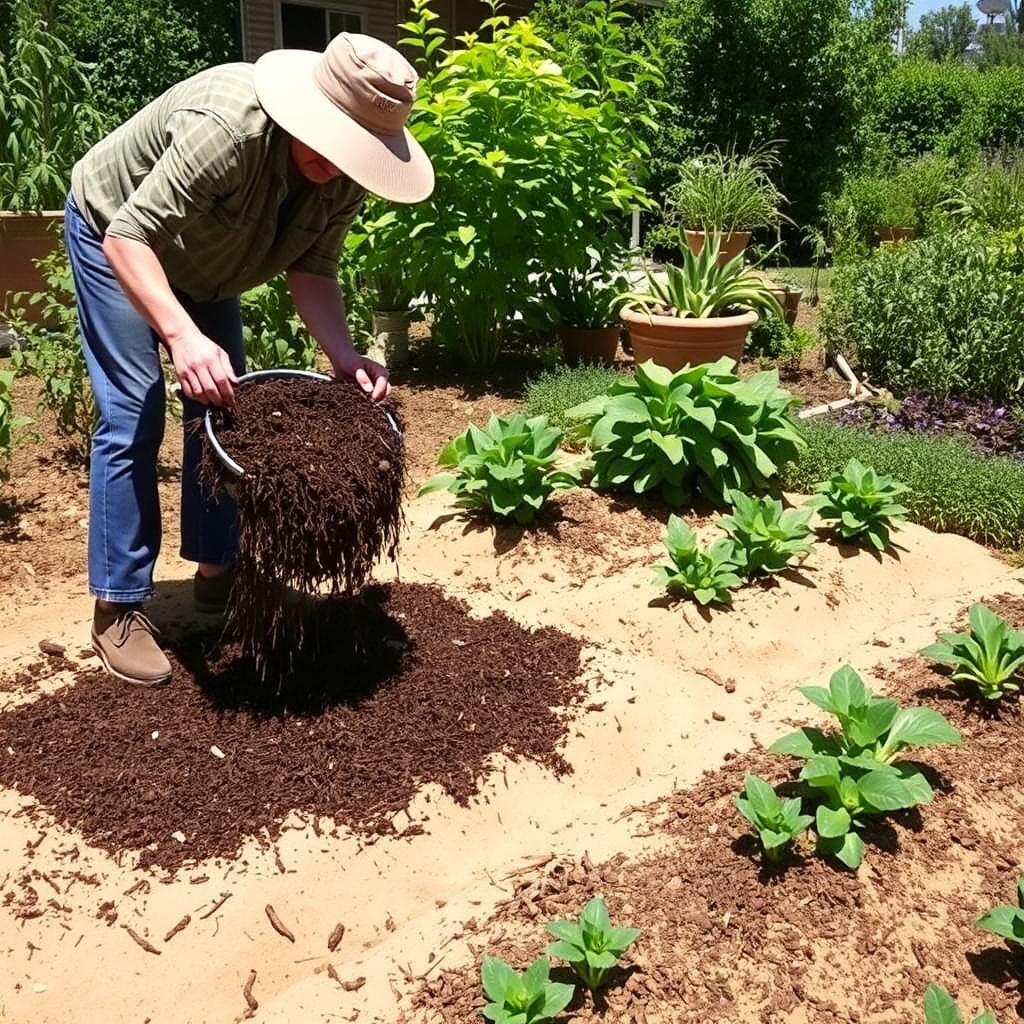
Incorporating well-decomposed organic matter like compost or manure enhances sandy soil by increasing its capacity to hold moisture and nutrients. These amendments improve the soil’s texture, promote beneficial microbial activity, and aid in creating a crumbly structure that supports root growth.
Apply a 2-4 inch layer of compost on top of sandy soil and lightly till it to mix it into the upper 6-8 inches. Repeating this annually helps build organic content gradually, making the soil more fertile and moisture-retentive over time.
- Use mature compost free from weed seeds
- Avoid fresh manure to prevent burning plant roots
- Incorporate amendments before planting season
Incorporating Peat Moss and Coconut Coir
Peat moss and coconut coir are excellent soil conditioners that can hold several times their weight in water, making them ideal for sandy soil improvement. They boost water retention and create a better environment for root development without significantly altering the soil pH.
While peat is effective, coconut coir is a more sustainable alternative with good aeration properties. Both should be mixed into the sandy soil at a ratio of about 1:3 to 1:4 to improve moisture retention without compromising drainage.
Mulching and Cover Crops for Moisture Retention
Benefits of Mulching Sandy Soil
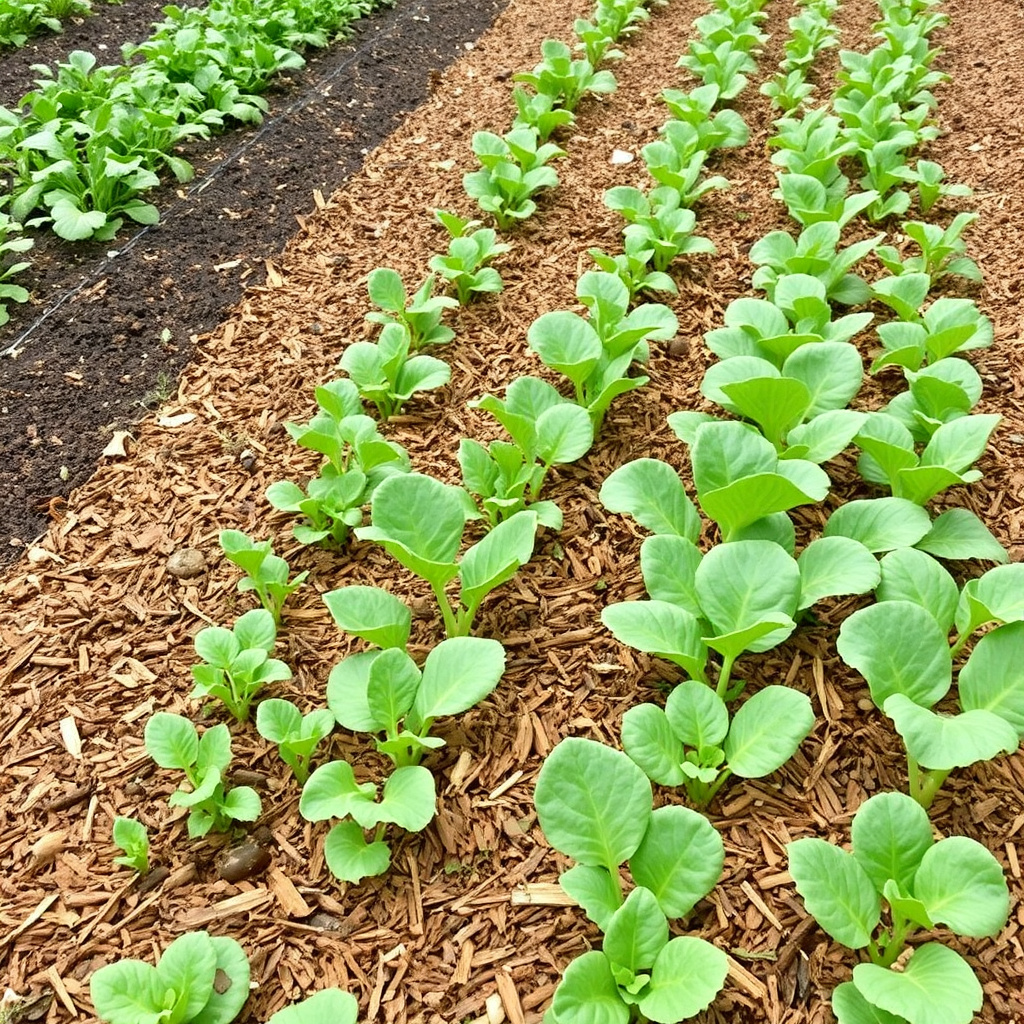
Mulching reduces surface evaporation in sandy soil, keeping moisture available longer for plant roots. Organic mulches, such as straw, wood chips, or shredded leaves, also add nutrients as they decompose and help regulate soil temperature in extreme weather.
Regularly applying mulch around plants not only conserves water but also suppresses weeds that compete for scarce soil moisture, further supporting plant health in sandy soil environments.
- Apply 2 to 3 inches of mulch
- Avoid piling mulch directly against plant stems
- Replace or replenish mulch yearly
For more on this, see our related guide: How to Choose the Best Soil for Cannabis Plants: A Complete Guide.
Using Cover Crops to Enrich Soil
Cover crops like clover, rye, or vetch can protect sandy soils from erosion and add organic matter when tilled under. They fix nitrogen in the soil, improve soil structure, and encourage beneficial organisms that help promote nutrient cycling.
Plant cover crops during off-season periods to keep sandy soil covered and healthy. Their root systems help bind the soil and prevent nutrient loss through runoff or wind erosion.
Soil Testing and Nutrient Management
Conducting Soil Tests for Sandy Soil
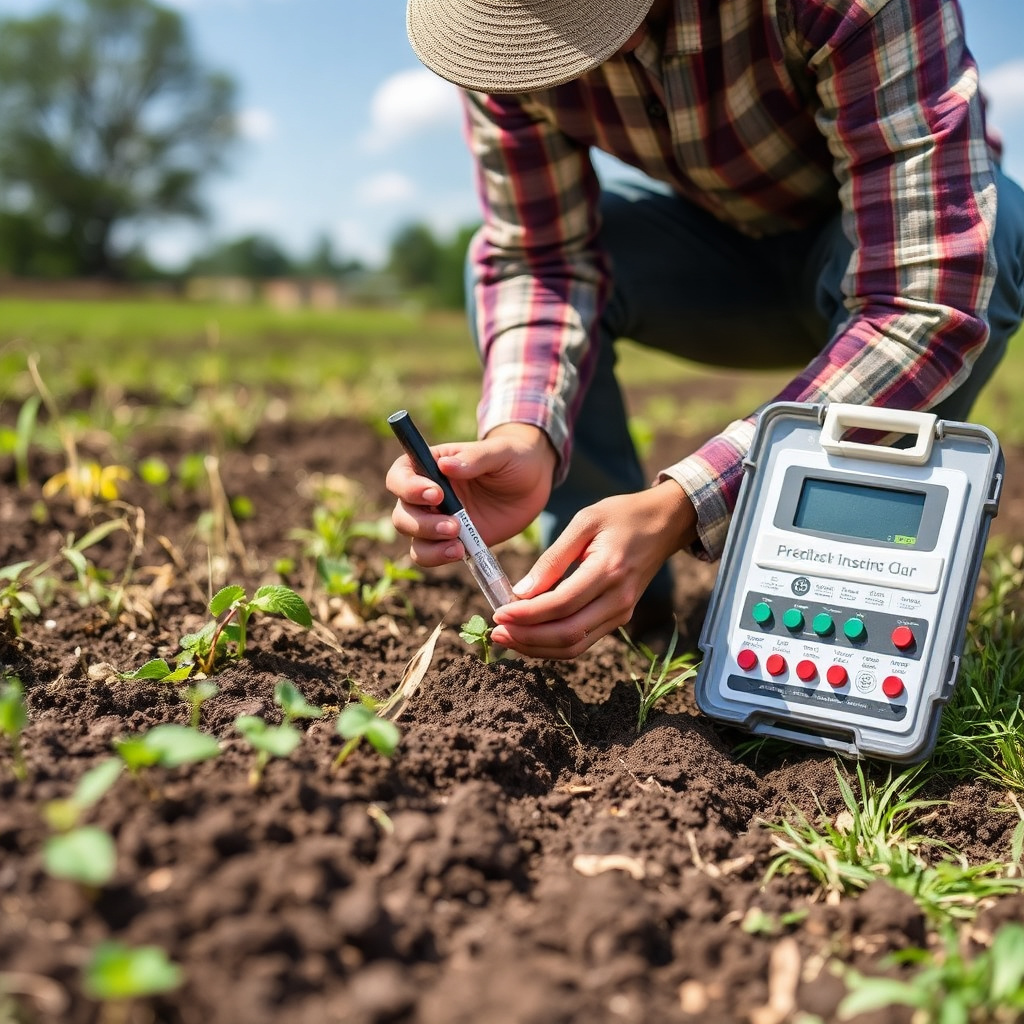
Soil testing reveals nutrient deficiencies and pH imbalances specific to your sandy soil. Regular testing allows for targeted nutrient applications and prevents over-fertilization, which can be wasteful and environmentally harmful.
Collect samples from multiple points in your garden to get an accurate average. The results will guide your selection of fertilizers or amendments to improve nutrient availability tailored to sandy soil’s unique needs.
- Test every 2-3 years
- Use local extension services for analysis
- Adjust soil pH if necessary
Fertilizer Recommendations for Sandy Soil
Because sandy soil loses nutrients quickly, choose slow-release or organic fertilizers to provide steady nourishment rather than quick bursts. Applying fertilizer in smaller, more frequent doses helps minimize leaching and maintains adequate nutrient levels.
Organic options, such as bone meal, fish emulsion, or seaweed extracts, can improve nutrient cycling and soil biology, which sandy soil often lacks due to its low organic content.
Selecting Plants Suitable for Sandy Soil
Choosing Native and Drought-Tolerant Plants
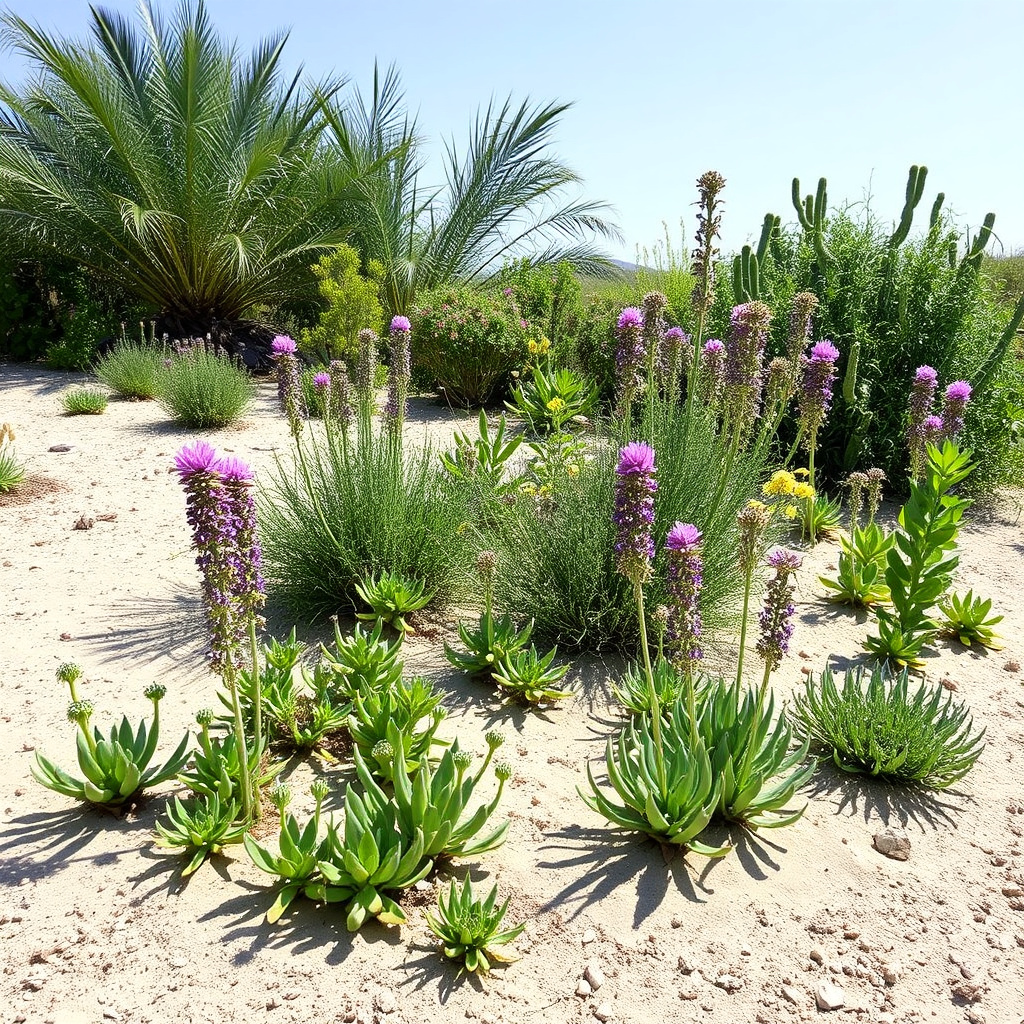
Plants adapted to sandy soils often tolerate drought conditions and nutrient-poor substrates. Native species and drought-tolerant varieties have root systems better suited for extracting moisture from quick-draining soils.
Examples include lavender, yucca, sedum, and certain grasses like buffalo grass, which are more resilient in sandy environments and can help establish a thriving garden with less watering.
- Lavender
- Yucca
- Sedum
- Buffalo grass
For more on this, see our related guide: How to Prevent Root Rot in Plants: Effective Strategies for Healthy Growth.
Incorporating Deep-Rooted Plants
Deep-rooted plants improve sandy soil by breaking up compacted layers and bringing nutrients from deeper layers closer to surface roots. They also help increase organic matter through root turnover and decay.
Plants like comfrey, daikon radish, and certain legumes are excellent choices to enhance soil structure naturally while offering biomass for composting or mulch.
Irrigation Techniques for Sandy Soil
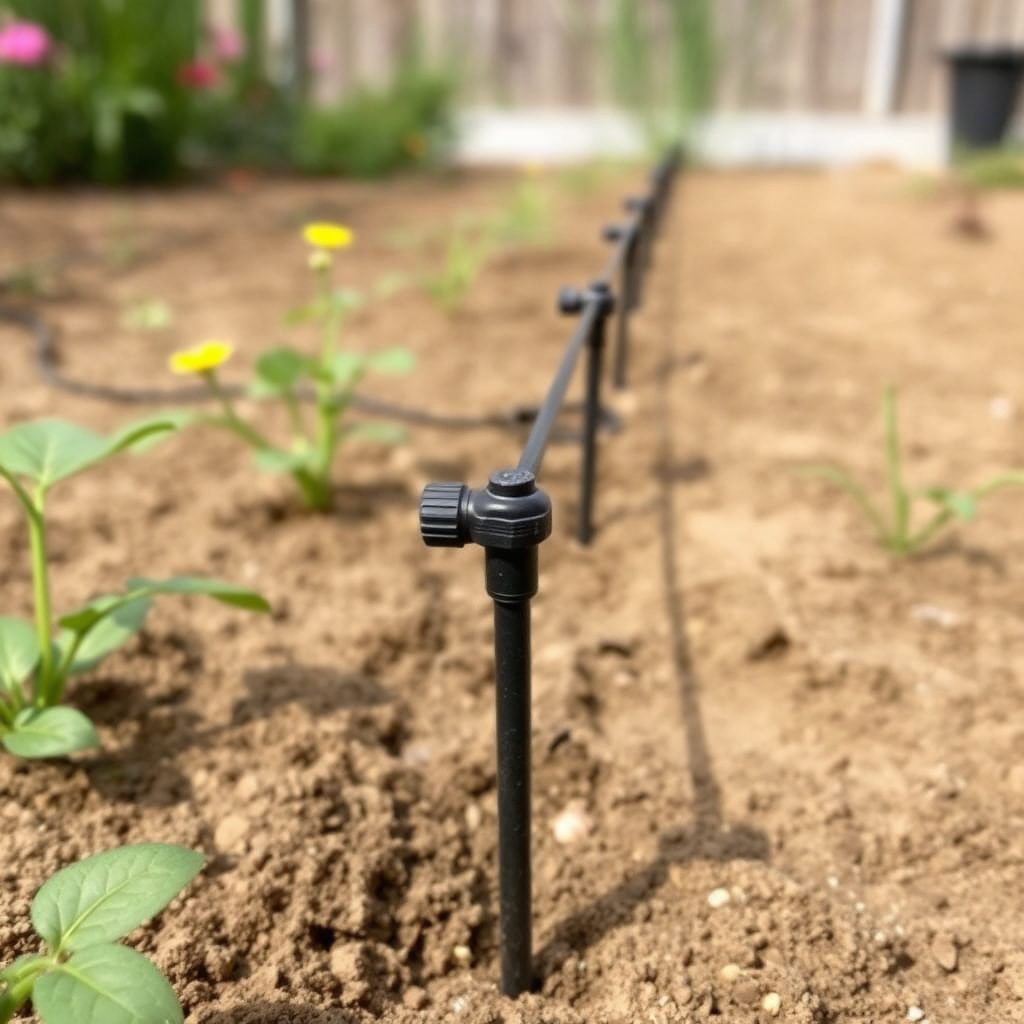
Drip Irrigation Advantages in Sandy Soil
Drip irrigation delivers water directly to plant roots slowly and consistently, reducing runoff and deep percolation common with sandy soil. This method maximizes water efficiency and helps keep moisture levels stable in the root zone.
Installing drip systems with timers or moisture sensors can optimize watering schedules, further reducing water waste and improving overall plant health in sandy soil gardens.
- Reduces evaporation
- Prevents overwatering
- Customizable to plant needs
For a detailed scientific overview of sandy soil properties, visit Sandy soil – Wikipedia. Sandy soil – Wikipedia.
Mulch and Irrigation Combo to Retain Moisture
Combining irrigation with mulching creates a synergistic effect that conserves soil moisture in sandy environments. While drip irrigation maintains water supply, mulch slows evaporation and shields soil surface from heat and wind.
Together, these practices help maintain more consistent moisture levels in sandy soil, promoting steady plant growth and reducing irrigation frequency.
Comparison of Soil Amendment Options for Sandy Soil
This table summarizes various soil amendments suitable for improving sandy soil conditions, highlighting their benefits and key considerations.
| Amendment | Water Retention Impact | Nutrient Contribution | Ease of Application | Cost |
|---|---|---|---|---|
| Compost | High | High | Moderate | Moderate |
| Peat Moss | Very High | Low | Moderate | High |
| Coconut Coir | High | Low | Moderate | Moderate |
| Manure (Well-Rotted) | Moderate | High | Challenging | Low |
| Mulch (Organic) | Moderate | Moderate | Easy | Low |
Frequently Asked Questions
How often should I add organic matter to sandy soil?
Applying organic matter annually or at least once every planting season helps maintain improved soil structure and moisture retention in sandy soil.
Can I use chemical fertilizers in sandy soil?
Chemical fertilizers can be used but should be applied in small, frequent doses to avoid nutrient leaching common in sandy soils.
Is mulch necessary for sandy soil gardens?
Mulching is highly beneficial as it reduces water evaporation, suppresses weeds, and adds organic material as it breaks down.
What plants thrive best in sandy soil?
Native species and drought-tolerant plants like lavender, yucca, and sedum are well adapted to sandy soil conditions.
How can I test the nutrient content of my sandy soil?
Collect soil samples and send them to a local agricultural extension for testing to get accurate nutrient and pH information.
Key Takeaways
- Adding organic matter is essential to improve moisture and nutrient retention in sandy soil.
- Mulching and cover crops help conserve moisture and enrich sandy soil over time.
- Selecting plants adapted to sandy conditions supports garden success.
- Targeted irrigation and soil testing optimize nutrient and water management.
Conclusion
Approaching sandy soil improvement requires a combination of enhancing its physical properties and managing nutrients carefully. Organic amendments such as compost and well-rotted manure greatly improve moisture-holding capacity while building a fertile environment. Regular mulching and the use of cover crops reinforce these benefits by protecting the soil surface and enriching it through natural processes. Careful irrigation tailored for sandy soil’s quick drainage reduces water loss and supports consistent plant hydration. Together, these strategies form a practical framework to transform sandy soil into a more productive medium for growing a wide range of plants.
For gardeners working with sandy soil, choosing native, drought-tolerant plants can reduce water and nutrient demands, making garden maintenance more manageable. Incorporating deep-rooted plants promotes long-term soil health by improving soil structure and biomass content. Organic amendments like compost and coconut coir improve soil texture, while mulching helps retain moisture effectively. Regular soil tests guide targeted fertilization to avoid costly nutrient losses through leaching. This balanced approach enhances the soil naturally over time, leading to stronger, healthier plants and better yields.
If you want to start improving sandy soil in your garden promptly, begin by applying a generous layer of compost and mulching around your plants. Consider setting up a drip irrigation system to optimize water use. Plan for seasonal cover crops to protect and rebuild soil health year-round. Don’t forget to perform soil tests to monitor progress and adjust your approach based on nutrient needs. With patience and consistent care, you can successfully transform sandy soil into a thriving garden foundation.