What Makes Seed Oils Actually Bad for Health?
Are you tired of hearing conflicting advice about healthy eating? Many people struggle with understanding which fats are truly good or bad for their health. If you’re trying to make smarter choices, you’re not alone.
Seed oils are often considered bad for your health because they contain high levels of omega-6 fatty acids, which can promote inflammation if you consume too much.
During processing, they’re refined at high heat, which can create trans fats and harmful oxidation compounds.
These factors, combined with potential contaminants, may increase your risk of chronic diseases like heart disease.
To understand how to make healthier choices, investigate what experts recommend and how to reduce your intake.
Key Takeaways
- Eating too much seed oils high in omega-6 fatty acids can lead to inflammation and oxidative stress.
- The refining process often creates trans fats and harmful oxidation products, which lowers their nutritional value.
- Oxidation during storage and cooking produces harmful compounds that might raise the risk of chronic diseases.
- An imbalance between omega-6 and omega-3 fatty acids from seed oils can disrupt your cellular health.
- Contaminants and poor-quality processing can introduce toxins and oxidized fats, negatively affecting your health.
Are Seed Oils Bad for Your Health?
Many people wonder whether seed oils are truly healthy, given their widespread use in processed foods. The truth is, health myths often surround these oils, making it hard to know what to believe.
Some argue that seed oils are unhealthy because they contain high levels of omega-6 fatty acids, which may promote inflammation when consumed in excess. Others believe they’re perfectly safe and even beneficial.
The reality is more nuanced. While seed oils are a source of unsaturated fats, overreliance on them can contribute to an imbalance in your diet. Many processed foods heavily rely on seed oils, leading to too many omega-6s compared to omega-3s.
This imbalance may impact your health negatively over time. So instead of dismissing seed oils outright or accepting every health myth at face value, it’s best to understand their role and consume them in moderation as part of a balanced diet.
How Are Seed Oils Made and Why Does That Matter?
Knowing how seed oils are made can really help you understand why the way they’re processed matters for your health. There are different methods used to extract these oils, like using chemical solvents or cold pressing. These techniques can leave behind residues or change the nutrient content of the oils. So, the process affects not just how pure and high-quality the oil is, but also how it might impact your health.
Extraction Processes and Techniques
The process of extracting seed oils involves several key techniques that directly impact their purity and nutritional quality. Cold pressing is a common method that uses minimal heat, helping preserve nutrients and avoid chemical contaminants.
However, many commercial seed oils undergo refining methods like bleaching, deodorizing, and solvent extraction, which can strip away beneficial compounds. These processes often involve high heat and chemicals, leading to the loss of antioxidants and the formation of trans fats or harmful compounds.
The extraction technique determines the oil’s chemical composition, flavor, and potential health effects. Choosing oils extracted through cold pressing and minimal refining can retain more nutrients and reduce exposure to harmful residues.
Understanding these processes helps you make more informed choices about the seed oils you consume.
Impact of Processing Methods
The way seed oils are processed really affects their nutritional quality and health effects. Different methods like refining, bleaching, and deodorizing can strip away good nutrients and create harmful compounds.
For instance, high heat and chemicals used during refining can produce trans fats and oxidation products, which aren’t good for your health. These techniques often remove antioxidants and phytochemicals, reducing the oils’ natural benefits.
The health impact of these processing methods is significant. Eating heavily processed seed oils has been linked to inflammation, oxidative stress, and a higher risk of chronic diseases.
Understanding how processing changes seed oils helps you make smarter choices about which oils to include in your diet for better health.
What’s Inside Seed Oils and How Does It Affect You?
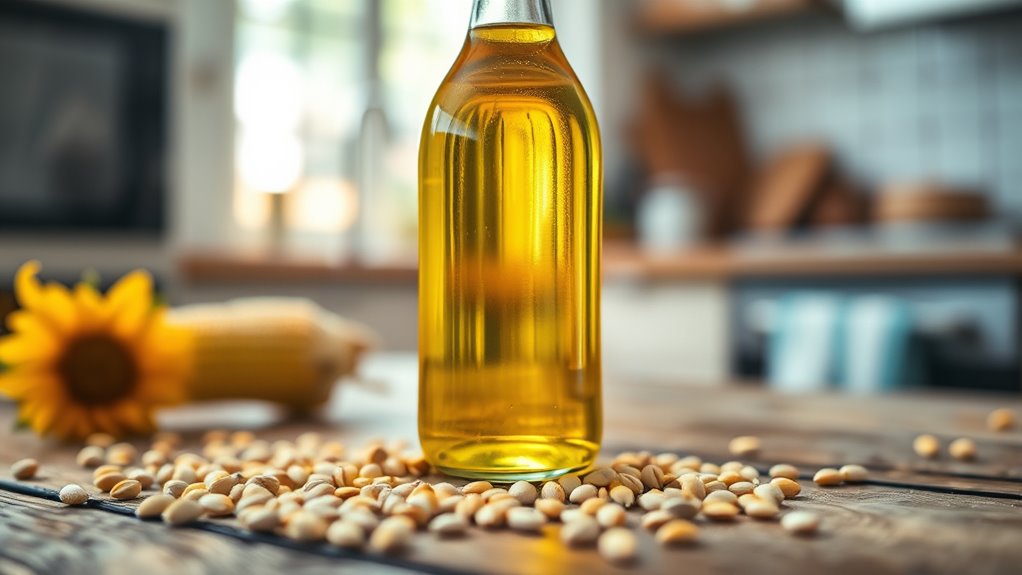
Seed oils, like soybean, corn, and sunflower oil, are made from crushed seeds that are rich in specific fats and compounds. Their main nutritional components are polyunsaturated fats, especially omega-6 fatty acids, which are essential but can cause health issues if you consume too much.
These oils also contain smaller amounts of omega-3 fats, but the imbalance between omega-6 and omega-3 can lead to inflammation. They often have phytochemicals, such as tocopherols, which act as antioxidants.
Seed oils contain small amounts of omega-3s, but an imbalance with omega-6s may promote inflammation.
However, some compounds in seed oils might contribute to oxidative stress when processed at high heat. The health effects depend on their fatty acid makeup and how they’re refined.
Consuming too much seed oil has been linked to increased inflammation, oxidative damage, and a higher risk of chronic diseases. So, it’s important to understand what’s inside seed oils and how they might impact your overall health.
Are Seed Oils Contaminated With Trans Fats or Oxidized Compounds?
You might be curious whether seed oils are contaminated with trans fats or oxidized compounds. It’s a common concern because, during processing, small amounts of trans fats can sometimes form, and oxidation can happen, especially if the oils aren’t stored properly. These changes can potentially impact the safety and healthfulness of the oils you’re using.
But here’s the good news: most modern seed oils, especially those that are minimally processed or labeled as trans fat-free, tend to have very low levels of trans fats. As for oxidation, it mainly occurs when oils are exposed to heat, light, or air for extended periods. So, storing your oils in a cool, dark place and using them within their shelf life can help minimize this risk.
Presence of Trans Fats
Concerns about trans fats often come from their links to heart disease and inflammation, but many people wonder whether seed oils are contaminated with these harmful compounds.
Trans fats sources include partially hydrogenated oils, processed foods, and some fried items. Naturally occurring trans fats are found in small amounts in animal products, but industrial trans fats are more problematic.
During processing, seed oils can contain trace amounts of trans fats if not properly refined. This may contribute to health issues like increased LDL cholesterol and inflammation.
Most commercial seed oils now have reduced trans fat levels, but contamination can still happen, especially in poorly processed or stored oils.
Being aware of trans fats sources helps you make healthier choices and minimize exposure to these potentially harmful compounds.
Oxidation During Processing
While the presence of trans fats in seed oils has garnered attention, another big issue arises during processing: oxidation. When seed oils are exposed to heat, light, or air, their oxidative stability drops, leading to harmful compounds forming.
This oxidation process causes nutrient degradation, reducing the oil’s beneficial properties and creating potentially toxic byproducts. These oxidized compounds can contribute to inflammation and oxidative stress in your body.
Even refined oils aren’t safe; high processing temperatures speed up oxidation, making the oils less healthy. Consuming oxidized seed oils regularly may pose health risks.
Ensuring minimal oxidation during processing is crucial to maintain oil quality and protect your health.
Impact on Food Safety
Seed oils can become contaminated with harmful compounds during processing, raising questions about their safety. These contaminants include trans fats and oxidized compounds, which can pose foodborne risks and health issues.
Contamination sources include high-heat refining, improper storage, and exposure to light and air. Safety regulations and quality standards vary, so it’s important for consumers to stay informed.
Scrutinize sourcing practices and look for transparent labeling to ensure oil quality. Poor regulation can lead to products with residual trans fats or oxidized molecules, risking your health.
Consider the imagery of a factory with steam and high heat causing oxidation, bottles stored in sunlight leading to spoilage, production lines with inconsistent quality control, and labels that lack transparency about processing methods.
Being aware helps you choose safer seed oils and avoid potential health hazards.
Does Eating Seed Oils Increase Your Risk of Chronic Diseases?
| Emotional Impact | Why It Matters |
|---|---|
| Fear of disease | Protect your health now |
| Anxiety over choices | Make informed decisions |
| Hope for change | Improve your lifestyle |
| Empowerment | Take control of your health |
| Peace of mind | Reduce chronic disease risk |
How Do Seed Oils Impact Heart Health and Cholesterol?
Seed oils can raise your LDL cholesterol, which isn’t great because it can boost your risk of heart disease. At the same time, they can lower your HDL cholesterol, the “good” kind that helps protect your heart. When your cholesterol levels get out of balance like this, it can lead to plaque building up in your arteries, making things worse for your heart health.
Effects on Cholesterol Levels
While seed oils are often promoted as healthy fats, their impact on cholesterol levels and heart health is complex. Consuming seed oils can influence how your body handles cholesterol, affecting your overall heart risk.
They may increase the absorption of cholesterol in your gut, leading to higher blood levels. Additionally, seed oils can change how your body processes fats, potentially raising LDL (“bad”) cholesterol and lowering HDL (“good”) cholesterol.
Picture your body’s processes like this:
- Cholesterol molecules attaching to your intestinal walls
- Lipid metabolism speeding up, producing more circulating fats
- LDL particles depositing in arterial walls
- HDL particles trying to clear excess cholesterol but overwhelmed
Understanding these effects can help you see how seed oils might contribute to higher cholesterol levels, impacting your heart health over time.
Influence on Heart Disease
Since seed oils can raise LDL cholesterol and lower HDL cholesterol, they may increase your risk of developing heart disease over time. These dietary fats, especially when eaten in excess, can clog arteries and reduce blood flow, which isn’t great for your heart.
Seed oils are high in omega-6 fatty acids, which, when out of balance with omega-3s, promote inflammation. This inflammation can play a big role in the progression of heart disease.
Replacing seed oils with healthier fats like olive oil or avocado can support better cholesterol levels and help reduce inflammation. Paying attention to your dietary fats can really help protect your heart.
Cutting back on seed oils may lower your risk of cardiovascular issues and contribute to overall heart health.
What Are Natural Cooking Oils That Can Replace Seed Oils?
Are there healthy alternatives to seed oils you can incorporate into your cooking? Absolutely. Replacing seed oils with natural options offers better health benefits and minimizes exposure to processed fats. Here are four cooking oil alternatives to consider:
- Extra virgin olive oil is rich in monounsaturated fats, which promote heart health and add flavor to salads and sautés.
- Coconut oil contains medium-chain triglycerides that support metabolism and provide a stable cooking option at high heat.
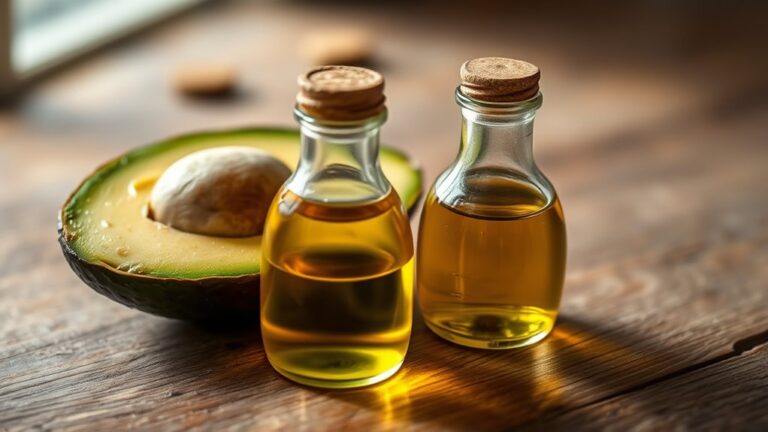
- Avocado oil is packed with healthy fats and antioxidants, making it perfect for roasting and frying.
- Nut and seed oils, like walnut or sesame oil, offer unique flavors and beneficial nutrients. They’re great for dressings or finishing dishes.
These natural oils are minimally processed, revealing their full health benefits. Incorporating them into your cooking can improve your diet by reducing inflammatory seed oils and boosting nutrient intake.
What Do Experts Say About Including Seed Oils in a Healthy Diet?
Experts generally agree that including seed oils in your diet isn’t inherently harmful, but moderation and quality are key. Many dietary guidelines see seed oils as sources of healthy polyunsaturated fats that can support heart health when eaten appropriately.
That said, some health misconceptions have caused concerns about their safety, often driven by misinformation rather than scientific facts. Experts say it’s important to choose high-quality, minimally processed seed oils and not overdo it.
While seed oils can be part of a healthy diet, overusing processed or refined types might lead to inflammation or other health issues. It’s also wise to include a variety of healthy fats like olive oil, nuts, and avocados for balance.
In the end, experts suggest that seed oils can be enjoyed if you consume them mindfully. Focus on overall dietary patterns and follow guidelines rather than demonizing specific oils.
Tips to Reduce Seed Oil Intake in Your Meals
Reducing seed oil intake in your meals is easier than you might think. Making simple swaps and being mindful of ingredient choices can make a big difference.
Planning your meals ahead of time helps you avoid hidden seed oils and encourages healthier options. Focus on cooking methods that need little or no oil, like steaming, baking, or stir-frying with broth or water.
Try swapping vegetable oils for olive oil or avocado oil when preparing salads or sautés. They add flavor without the unwanted seed oils.
Use herbs, spices, and citrus to add zest to your dishes instead of relying on processed sauces that often contain seed oils.
Making your own dressings and marinades is a great way to control ingredients and steer clear of seed oils altogether.
Incorporate whole, minimally processed foods that naturally lack seed oils, like fresh vegetables, nuts, and seeds. These choices support a healthier diet with fewer hidden oils.
Should You Switch to Alternative Oils for Better Health?
Switching to alternative oils can be a smart move if you’re aiming for a healthier diet, especially after minimizing seed oils in your meals. Many options like olive oil, avocado oil, or coconut oil offer notable health benefits.
These oils tend to be less processed and contain healthier fats, which support heart health and reduce inflammation. By choosing these, you can cut down on unhealthy trans fats and omega-6 fatty acids found in many seed oils.
Incorporating these alternatives into your cooking can improve your overall nutrient intake and promote better wellness. Not all oils are created equal, so it’s essential to pick those rich in monounsaturated or saturated fats, depending on your needs.
Switching to these healthier options isn’t just about avoiding seed oils. It’s about making a conscious choice for long-term health benefits. With a little adjustment, you can enjoy flavorful meals while supporting your health goals.
Frequently Asked Questions
Are There Any Benefits to Consuming Seed Oils in Moderation?
Yes, consuming seed oils in moderation can offer some benefits, like providing essential fatty acids and supporting cooking methods that require high heat, such as frying or sautéing.
These oils can also improve flavor and texture, making your meals more enjoyable. However, eating too much of them might negatively affect your health.
It’s best to balance their use with other healthier fats and be mindful of your overall intake to avoid any adverse effects.
How Do Seed Oils Compare to Animal Fats Nutritionally?
Think of seed oils and animal fats as two different roads to health. Seed oil composition often includes high levels of polyunsaturated fats, which can be fragile and prone to oxidation. Animal fats contain saturated fats and cholesterol.
In a seed oil comparison, animal fats tend to be more stable but can raise concerns about heart health. You need to balance these fats based on your dietary needs and health goals.
Can Seed Oils Cause Inflammation in the Body?
Yes, seed oils can cause inflammation in your body. They often contain triggers like high omega-6 fatty acids, which can lead to an omega imbalance. When you eat too much omega-6 compared to omega-3s, it can promote inflammation and may lead to long-term health problems.
To lower this risk, consider cutting back on seed oils and balancing your intake of omega-6 and omega-3 fatty acids through your diet.
Are Organic Seed Oils Safer Than Conventional Ones?
Organic seed oils are generally safer than conventional ones because they carry organic certification, ensuring they’re free from synthetic pesticides and fertilizers.
They’re often processed using gentler methods like cold pressing, which helps preserve nutrients and reduce harmful residues.
What Are the Best Ways to Identify High-Quality Seed Oils?
To identify high-quality seed oils, look for those extracted using cold-pressed or expeller-pressed methods. These methods help preserve nutrients and avoid harmful chemicals.
Check the sourcing practices. Opt for oils from non-GMO, organic seeds and transparent suppliers who can tell you exactly where their seeds come from.
Read labels carefully to ensure minimal processing and no added chemicals. High-quality seed oils also tend to have a rich, fresh aroma and vibrant color, which show they’re fresh and well-extracted.
Conclusion
Think of your diet as a garden—you want it to flourish with vibrant, healthy plants. Avoiding excessive seed oil intake is like watering your garden with too much fertilizer; it can harm your overall health.
By choosing natural, minimally processed oils and reducing your reliance on seed oils, you’re nurturing your body’s well-being. Small changes today can lead to a healthier life.
Like tending to a garden that blooms brighter with each caring step, being mindful of seed oils can make a real difference in how you feel.