What Is Topping a Plant and How It Impacts Growth
Topping a plant is a pruning technique where the top part of the main stem is cut off to encourage the plant to grow more branches and become bushier. This method redirects the plant’s energy from vertical growth to lateral growth, often resulting in a fuller structure and potentially higher yields for certain crops.
Gardeners and growers use topping strategically to control the shape and size of plants, particularly in limited space or indoor environments. It can also improve light penetration and airflow within dense foliage, reducing the risk of diseases and encouraging healthier growth.
This article will explain the practical effects of topping a plant, the best timing and methods for topping, benefits and potential drawbacks, and how it compares to other pruning techniques. Whether you’re growing tomatoes, cannabis, or ornamental plants, understanding topping can help improve your gardening outcomes.
How Topping a Plant Affects Growth and Structure

Redirecting Growth Hormones after Topping
When you cut off the apical bud during topping, the dominant growth hormone auxin that suppresses side shoots is reduced. This removal allows lateral buds below the cut site to develop into new branches, creating a bushier plant with multiple colas instead of one central stem.
This shift changes the plant's architecture, encouraging horizontal branching. The plant also often becomes sturdier because the energy is spread across several stems rather than invested in a single tall shoot.
Impact on Plant Height and Yield
Because topping interrupts vertical growth, plants remain shorter and broader. This trait is particularly valuable indoors or in confined spaces since it maximizes usable growing area.
For fruiting plants like tomatoes or cannabis, topping can improve yield by increasing the number of bud sites, although it may slightly delay flowering due to the plant's energy redistribution.
Best Practices for Topping a Plant

When to Top for Optimal Results
The best time to top a plant is during its vegetative growth phase, before it starts flowering. This timing allows the plant enough time to recover and develop new branches.
Avoid topping plants that are stressed, too young, or flowering, since these conditions can lead to reduced growth or poor recovery.
- Early vegetative stage is ideal
- Avoid topping flowering plants
- Wait until the plant is healthy and vigorous
Proper Techniques and Tools
Use clean, sharp pruning shears or scissors to make a clean cut just above a node where new shoots will emerge. This clean cut helps prevent disease and promotes faster healing.
Topping should be done carefully to remove only the main stem's apex while leaving enough healthy growth below to support new branches.
- Use sterilized cutting tools
- Cut just above a node
- Remove only the top portion of the stem
Benefits and Drawbacks of Topping a Plant
Advantages of Topping Plants
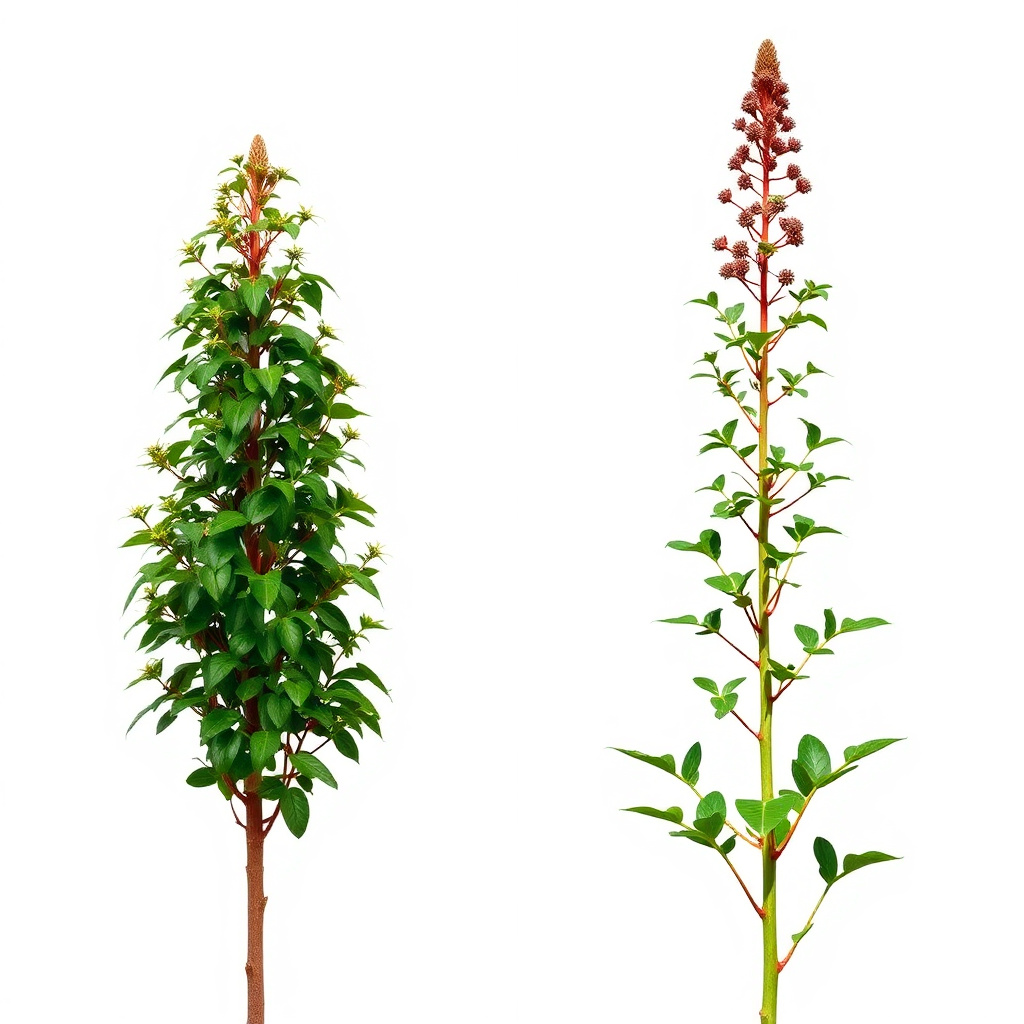
Topping leads to a fuller plant with more potential bud or fruit sites by encouraging branch growth. It also helps manage plant height, making it easier to fit plants in indoor gardens or greenhouses.
This method can improve light distribution and airflow within the canopy, reducing fungal diseases and promoting healthier plants.
- Controls plant height
- Increases branching and yield
- Improves air circulation
For more on this, see our related guide: Understanding Cannabis Plant Growth Stages: A Complete Guide.
Potential Downsides and Risks
Topping causes a recovery delay during which the plant slows flowering and growth as it redirects energy to new shoots. If done improperly, it can stress the plant or increase vulnerability to infection.
Some plant species may not respond well to topping or have growth habits that make this technique ineffective.
- Delayed flowering
- Possible plant stress
- Not suitable for all species
Comparing Topping to Other Pruning Techniques

Topping vs. Fimming
Both topping and fimming aim to increase branching by cutting back growth. Topping removes the entire apical bud leading to two main branches, while fimming removes only part of the growing tip, resulting in more than two branches but with less uniformity.
Fimming is less aggressive and can produce more shoots, but topping delivers more predictable branching.
Other Techniques: Defoliation and Low-Stress Training
Defoliation removes leaves to enhance light penetration and airflow without cutting stems. Low-stress training bends and ties down branches to shape the plant without removing tissue.
These methods can complement topping but do not replace the pruning effect of cutting the apical bud to redirect growth hormonally.
Topping a Plant for Different Species and Growing Conditions

Topping Cannabis Plants
Cannabis growers often use topping to create multiple main colas, increasing overall bud density and making plants more manageable indoors. Topping early in vegetative stage yields best results.
Excessive topping should be avoided, as it can increase stress and reduce total yield if recovery time is insufficient.
For more on this, see our related guide: Step-by-Step Guide to Do You Plant Seeds in Minecraft.
Topping Fruit and Ornamental Plants
Topping tomato plants or similar fruiting crops promotes lateral branch growth and may increase fruit production by creating more flowering sites.
Ornamental shrubs and houseplants can use topping to control size and encourage a bushier, more attractive shape.
Common Mistakes to Avoid When Topping Plants

Cutting Too Low or Too High
Cutting too low can remove vital growth nodes and excessively stress the plant, while cutting too high may fail to stimulate branching below effectively. Aim for just above a strong, healthy node when topping.
An incorrect cut location often leads to poor regrowth or weak branches that break easily.
- Locate the node carefully
- Avoid removing too much stem
For a broader understanding of pruning practices including topping, the Wikipedia article on pruning offers comprehensive botanical background. Topping (horticulture) on Wikipedia.
Topping During Stressful Conditions
Topping during drought, extreme heat, or pest infestations can cause unnecessary stress and damage recovery prospects. Only top well-watered, healthy plants in stable conditions.
Stress-susceptible plants often fail to branch after topping, negating the benefits.
- Wait for optimal plant health
- Avoid topping during flowering
Pruning Techniques Category Comparison
Here’s a comparison of common pruning techniques suited for increasing plant branching and managing growth.
| Pruning Method | Effect on Branching | Plant Stress Level | Best Use Case |
|---|---|---|---|
| Topping | High – promotes 2+ main branches | Moderate stress due to cutting | Vegetative-stage bushier growth |
| Fimming | Very high – several branches possible | Lower stress, less predictable | More shoots with less accuracy |
| Defoliation | Indirect – improves light/airflow | Low stress | Enhance canopy health, not shape |
| Low-Stress Training | No cutting; branches spread | Minimal stress | Shape plant without pruning |
Frequently Asked Questions
What does topping a plant mean?
Topping a plant means cutting off the top part of its main stem to encourage more branches and bushier growth.
When is the best time to top a plant?
The best time to top is during the vegetative stage, before the plant starts flowering, to allow it to recover and branch out.
Does topping a plant increase yield?
Topping can increase yield by creating more bud or fruit sites, but it may also slightly delay flowering as the plant redirects energy.
Is topping suitable for all plant species?
No, some species do not respond well to topping and may not develop additional branches effectively after being topped.
Can topping harm plants?
If done improperly or when plants are stressed, topping can cause damage or slow growth due to increased stress and delayed recovery.
Key Takeaways
- Topping removes the main stem's apex to promote bushier growth by redirecting hormones.
- It’s best done in the vegetative stage for healthier branching and manageable plant size.
- Topping increases lateral growth, which can improve yield but may delay flowering.
- Proper technique and timing reduce stress and improve recovery chances.
Conclusion
Understanding what topping a plant entails helps gardeners make informed decisions about shaping and managing their crops. This technique changes plant growth dynamics by redirecting hormonal signals to encourage lateral branches, resulting in bushier plants with often better canopy coverage. Consider the plant species and its growth phase carefully before topping, as not all plants will respond the same way, and timing directly affects the success and benefits of the process.
For growers focused on indoor plants such as cannabis or tomatoes, topping offers distinct advantages like height control and creating more flowering sites, which can lead to higher yields in limited spaces. Ornamental plants also gain an aesthetic boost from topping by becoming fuller and more compact. When combined with other methods like low-stress training or selective defoliation, topping can be part of an effective plant management routine tailored to your garden’s needs.
If you decide to use topping, begin by selecting a healthy plant in its vegetative stage and use clean, sharp tools to make precise cuts just above nodes. Monitor the plant closely during recovery to catch any signs of stress or infection. Experiment thoughtfully to find the balance that enhances your plants’ growth and yields. For more detailed botanical insight on plant growth and hormone behavior, you can consult trusted horticultural references.