How to Get Rid of Garden Pests Naturally: Effective Organic Pest Control Methods
To get rid of garden pests naturally, start by promoting a healthy garden ecosystem that supports beneficial insects and uses organic remedies like neem oil, insecticidal soaps, and companion planting. These methods help manage pests without toxic chemicals.
Using natural pest control matters because it preserves soil health, protects pollinators, and prevents chemical buildup in your garden and home. Synthetic pesticides may provide quick fixes, but they often harm beneficial creatures and the environment, which can worsen pest problems over time.
This guide covers natural pest deterrents, beneficial insects, organic sprays, garden hygiene, and plant choices. By understanding these strategies, you can maintain a thriving garden that resists pests safely and sustainably.
Natural Pest Deterrents for Your Garden

Using Companion Planting to Repel Pests
Companion planting involves growing specific plants together to reduce pest damage. For example, marigolds emit compounds that deter nematodes and aphids, while garlic nearby can repel spider mites and beetles. This natural method reduces the need for sprays and encourages biodiversity in the garden.
Not every plant combo works equally well; some pairings can attract different pests or compete for nutrients. It’s helpful to research compatible plants and rotate companion strategies seasonally to maximize pest reduction benefits.
- Marigolds repel nematodes and aphids
- Garlic keeps beetles and spider mites away
- Basil deters whiteflies and mosquitoes
- Plant beans near corn to improve soil and reduce pests
Creating Physical Barriers and Traps
Natural pest control often involves physical tactics such as row covers, collars, and sticky traps. Floating row covers protect seedlings from insect eggs and larvae by blocking access without chemicals. Copper tape or diatomaceous earth around plants deters slugs and snails by creating uncomfortable surfaces.
Homemade traps like beer traps for slugs or yellow sticky boards for whiteflies capture pests effectively. These barriers and traps reduce insect populations by interrupting pest life cycles without harming other wildlife.
- Use floating row covers for flea beetles
- Copper tape deters slugs
- Beer traps attract and drown slugs
- Yellow sticky traps catch flying pests
Beneficial Insects: Allies in Organic Pest Control
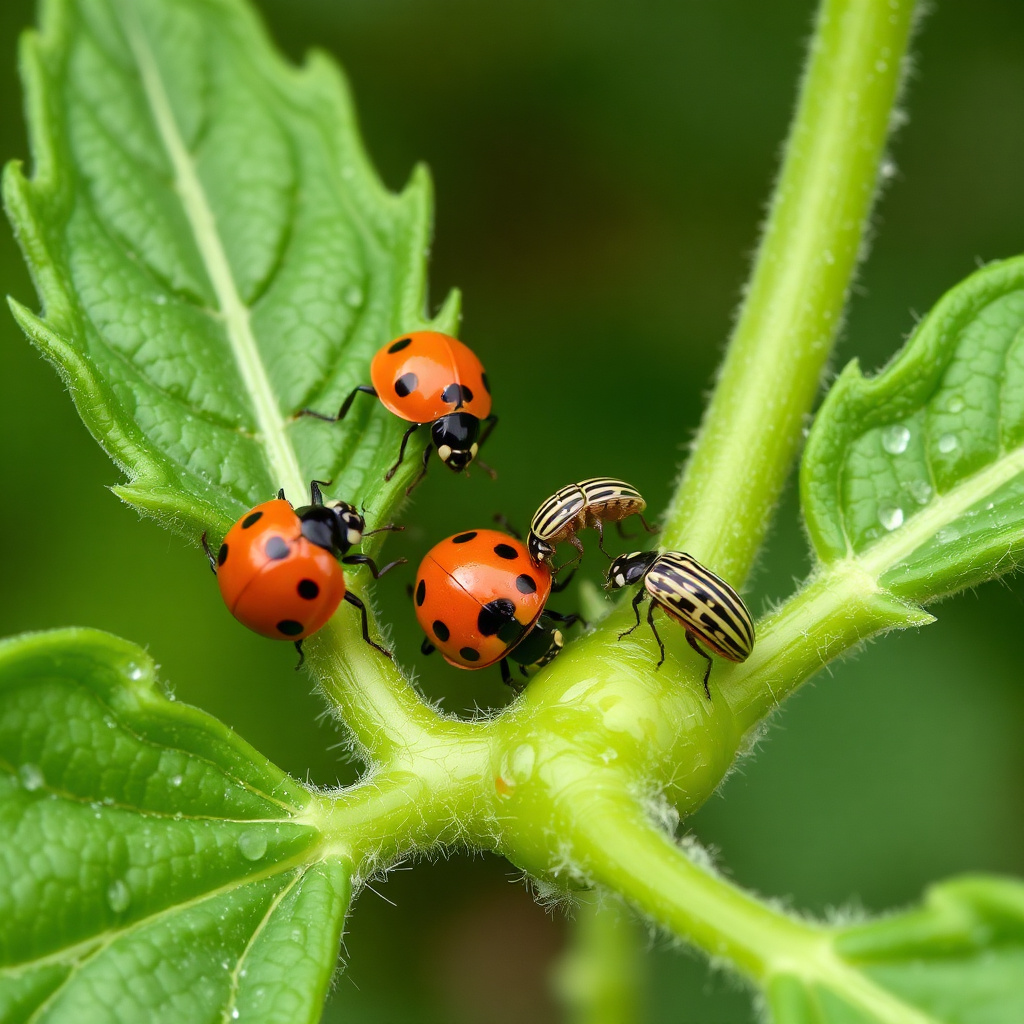
Identifying and Attracting Beneficial Garden Insects
Ladybugs, lacewings, and parasitic wasps prey on many harmful insects like aphids, mealybugs, and caterpillars. Creating a welcoming habitat with flowering plants rich in nectar helps recruit these natural predators to your garden.
Planting dill, fennel, and yarrow attracts beneficial insects while avoiding pesticides ensures they remain abundant. Recognizing these insects and understanding their role encourages gardeners to protect and promote their populations.
- Ladybugs consume aphids and mites
- Lacewing larvae eat thrips and whiteflies
- Parasitic wasps target caterpillars
- Plant nectar-rich flowers to attract beneficial insects
For more on this, see our related guide: What Is a Hybrid Plant? Understanding Hybrid Plant Basics.
Using Beneficial Insects as a Pest Control Strategy
In some cases, gardeners can purchase beneficial insects for targeted pest control. Releasing ladybugs or predatory nematodes in areas with heavy infestations helps bring pest numbers down naturally.
It's important to release beneficial insects during early pest outbreaks and in environments free of chemical residues. Combining insect releases with companion planting boosts effectiveness and maintains ecological balance.
- Release beneficial insects early in infestation
- Avoid chemical pesticides to protect natural predators
- Combine with companion planting for best results
- Ensure proper habitat for long-term control
Organic Sprays and Homemade Remedies

Using Neem Oil and Insecticidal Soap
Neem oil is a natural extract that disrupts pest feeding and reproduction. It’s effective against aphids, whiteflies, scale insects, and even some fungal issues. Insecticidal soaps break down pest exoskeletons and are safe for most plants when used correctly.
Both products degrade quickly and pose minimal risks to beneficial insects if applied in early morning or late evening. Repeated applications may be necessary for persistent pests, but they remain a gentle option compared to synthetic alternatives.
- Neem oil controls a wide range of pests
- Insecticidal soap targets soft-bodied insects
- Apply during cooler parts of day
- Repeat treatments every 7-10 days
Homemade Remedies with Kitchen Ingredients
Common household items like garlic, hot pepper, and baking soda create effective homemade sprays. Garlic and hot pepper mixtures deter insects by irritating their sensory receptors, while baking soda diluted in water manages fungal growth harmful to plants.
These remedies offer cost-effective pest control and can be tailored to specific pests. Testing sprays on a small leaf area first helps prevent potential plant damage from strong natural compounds.
- Garlic spray repels aphids and beetles
- Hot pepper spray deters caterpillars
- Baking soda spray controls powdery mildew
- Test sprays before widespread application
Garden Hygiene and Cultural Practices

Cleaning and Removing Pest Habitats
Regularly removing fallen leaves, weeds, and plant debris reduces overwintering sites for pests and diseases. This garden hygiene practice limits pest population buildup and interrupts their life cycles before spring.
Dispose of garden waste carefully and avoid composting infected materials. Keeping garden spaces tidy helps plants grow healthier and less susceptible to new pest invasions.
- Clear fallen leaves and plant debris
- Pull weeds that harbor pests
- Avoid composting diseased material
- Maintain clean beds to reduce pest shelters
For more on this, see our related guide: What Are Regular Seeds? Understanding Their Role in Gardening.
Crop Rotation and Soil Health for Pest Reduction
Rotating crops year to year disrupts pest and disease cycles linked to specific plants. For instance, moving nightshade family crops away from the same spot reduces buildup of harmful nematodes and fungal pathogens.
Improving soil health with compost and organic matter supports strong, resilient plants less attractive to pests. Healthy soil also fosters better root growth and natural microbial activity that restricts pest survival.
- Rotate crops to break pest cycles
- Add compost to boost soil vitality
- Avoid planting same species repeatedly
- Support beneficial soil organisms
Choosing Pest-Resistant Plant Varieties

Understanding Plant Resistance Traits
Some plant varieties naturally produce chemicals or physical traits like tougher leaves that attract fewer pests. Varieties bred for resistance can withstand or deter pests without additional treatments, reducing garden maintenance.
Knowing which crops have resistant cultivars allows gardeners to select plants suited to their regional pest challenges. This proactive approach lowers dependency on external pest control methods.
- Select disease-resistant tomato varieties
- Choose cabbage cultivars less vulnerable to caterpillars
- Use plants with tough, hairy leaves
- Consult local extension services for recommendations
For additional reading on pest management methods that avoid synthetic chemicals, see this overview on organic pest control. organic pest control.
Where to Find and How to Use Resistant Varieties
Resistant seeds and seedlings are often available from specialist nurseries or seed companies highlighting pest resistance on packaging. Incorporate these plants as part of your garden plan in combination with other controls for best results.
Keep records of what varieties perform well in your garden to build an effective planting strategy over seasons. Combining resistant plants with organic pest control creates a sustainable gardening system.
- Buy seeds labeled for pest resistance
- Plant resistant crops alongside companions
- Experiment with varieties each season
- Track pest incidence and plant health
Natural Pest Control Methods Comparison
Here is a comparison of common natural pest control methods to help you choose the best approach for your garden needs.
| Method | Effectiveness | Cost | Ease of Use | Environmental Impact |
|---|---|---|---|---|
| Companion Planting | Moderate to High | Low | Moderate | Very Low |
| Beneficial Insects Release | High | Medium | Moderate | Very Low |
| Neem Oil & Soaps | High | Low to Medium | Easy | Low |
| Physical Barriers | Moderate | Low | Easy | Very Low |
| Homemade Sprays | Moderate | Very Low | Easy | Very Low |
| Crop Rotation | Moderate | None | Requires Planning | Very Low |
Frequently Asked Questions
Can natural pest control methods eliminate all garden pests?
Natural pest control reduces pest populations significantly but rarely eradicates all pests. Combining several strategies usually maintains pests below damaging levels while protecting beneficial insects.
How often should neem oil be applied?
Neem oil is typically applied every 7 to 14 days during active pest infestations. Frequent applications during growing seasons improve effectiveness but follow label instructions to avoid plant damage.
Are beneficial insects safe for pollinators?
Yes, beneficial predatory insects generally do not harm pollinators. Encouraging a diverse insect population supports garden health, balancing pest control with pollination needs.
Does crop rotation help with pest control every year?
Crop rotation breaks pest and disease cycles effectively but requires proper planning each season. Rotating families of plants helps reduce buildup of pests specific to certain crops.
What plants work well as companions to repel aphids?
Plants like garlic, chives, marigolds, and nasturtiums are effective at repelling aphids through scent or chemical deterrents, making them excellent companion plants.
Key Takeaways
- Natural pest control balances pest management with garden ecology.
- Companion planting and beneficial insects are essential tools.
- Organic sprays like neem oil offer safe, targeted treatment.
- Garden hygiene and crop rotation reduce pest habitats.
Conclusion
Successfully managing garden pests naturally involves a layered approach that encourages ecosystem health while specifically targeting problem insects. By combining companion planting, beneficial insects, organic sprays, and physical barriers, gardeners establish a resilient environment where pests are suppressed without synthetic chemicals. The main keyword plays a key role in emphasizing natural, eco-friendly gardening that prioritizes sustainability. Understanding how these methods work together prepares gardeners to make informed decisions.
For gardeners dealing with persistent aphids or whiteflies, integrating organic pest control for gardens such as neem oil applications alongside releasing ladybugs can dramatically reduce infestations. Those wanting a low-maintenance approach can rely heavily on crop rotation and pest-resistant plants to prevent problems before they start. Physical barriers like row covers suit vegetable patches vulnerable to flea beetles or cabbage worms. Each scenario shows the value of tailoring natural pest management to specific garden challenges and plant types.
If you decide to start getting rid of garden pests naturally, begin by identifying your common pests and experimenting with companion planting nearby. Introduce beneficial insects carefully and use organic sprays as spot treatments when necessary. Over time, your garden will become a balanced, healthy space that requires less intervention and enjoys vibrant growth. Getting comfortable with these methods is the next practical step for any gardener seeking sustainable, chemical-free pest control.