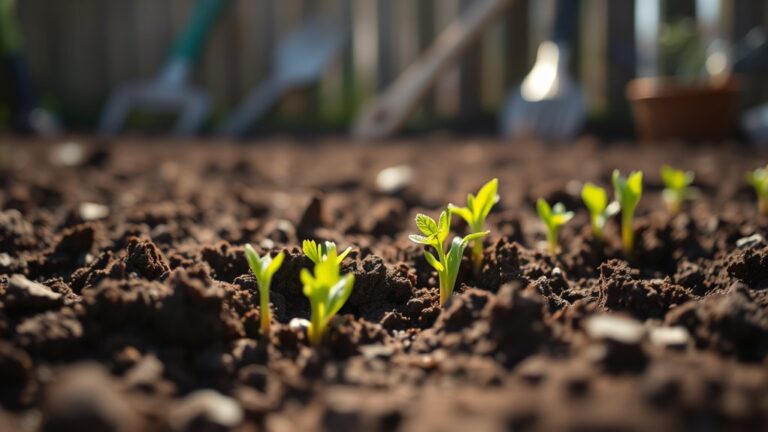
How to Get Rid of Garden Weeds Quickly and Effectively
Getting rid of garden weeds quickly starts with identifying the type of weeds and using the right removal techniques such as hand-pulling, mulching, or targeted herbicides. Immediate action prevents weeds from spreading and competing with your desirable plants for nutrients and water.
Weeds are more than a nuisance; they can choke out your garden crops and flowers by taking up space and resources. By removing them promptly, you support the growth of healthy plants and reduce the chance of pests and diseases that often accompany weed proliferation.
This article will cover practical weed control methods, including physical removal, soil preparation, mulching, and organic as well as chemical options. You’ll also learn about prevention strategies so you can keep your garden weed-free over time.
Understanding Different Types of Garden Weeds
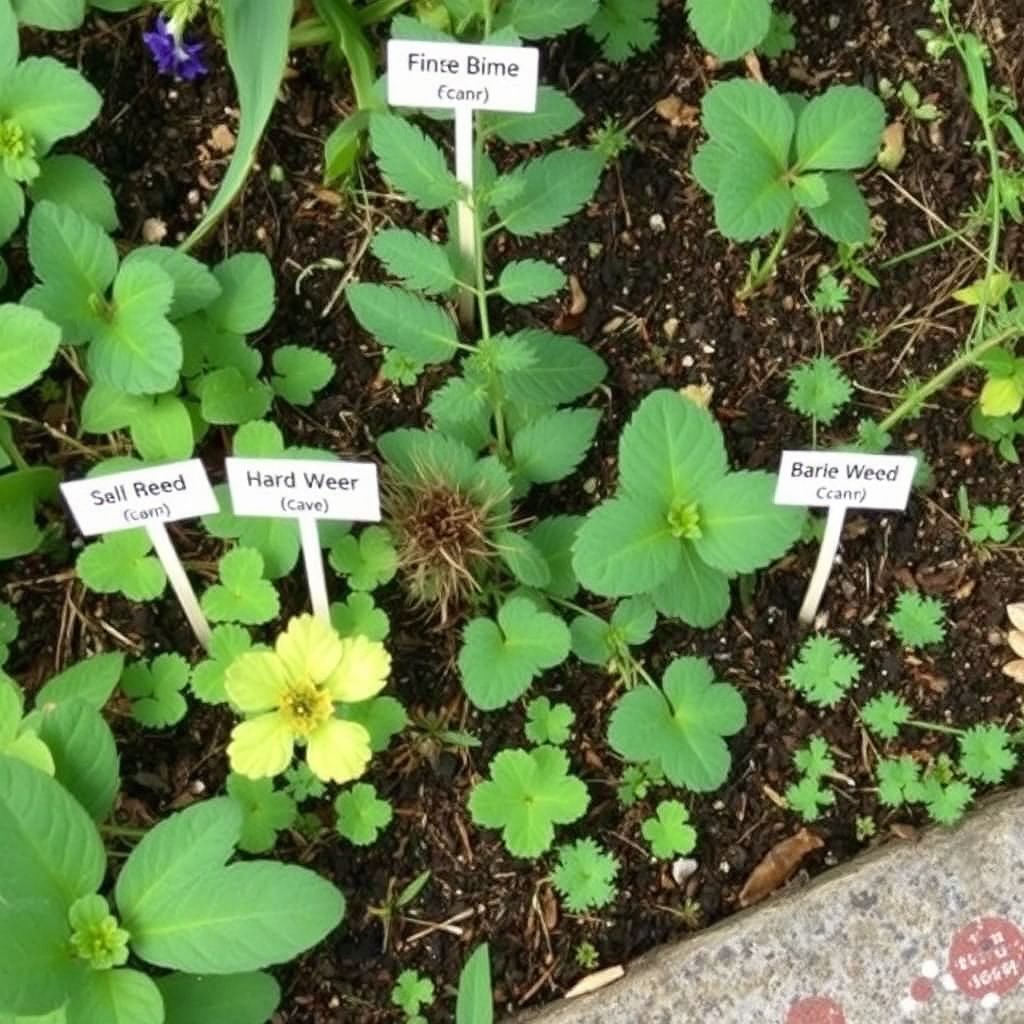
Annual vs Perennial Weeds
Annual weeds complete their life cycle in one growing season, spreading quickly through seeds. They tend to sprout suddenly and require repeated removal to reduce seed spread. Examples include crabgrass and chickweed.
Perennial weeds live multiple years and often have extensive root systems that make them tougher to eradicate. These include dandelions and bindweed, which can regrow from root fragments if not fully removed.
Invasive vs Native Weeds
Invasive weeds are non-native species introduced to a region that disrupt local ecosystems by outcompeting native plants. Their aggressive growth patterns can cause lasting damage to garden health.
Native weeds are indigenous plants sometimes seen as weeds because they compete with cultivated crops. Managing them benefits from balanced techniques and awareness of local biodiversity.
Physical Weed Removal Techniques to Get Rid of Garden Weeds

Hand-Pulling and Digging
Hand-pulling is effective for small infestations, especially when soil is moist. Removing the entire root system prevents regrowth and is best done before weeds produce seeds.
Using garden forks or weed diggers can help extract stubborn deep-rooted weeds carefully without disturbing nearby plants or soil structure.
- Pull weeds after watering or rainfall when soil is loose
- Use gloves to protect hands and avoid skin irritation
- Dispose of weeds away from the garden to prevent reseeding
Hoeing and Cutting
Shallow hoeing cuts new weed shoots just below the soil surface and prevents their growth without uprooting. It’s efficient for large areas and young seedlings.
Cutting or mowing garden edges helps to control fast-growing annual weeds before they establish. Timing is essential to interrupt seed production cycles.
Using Mulching for Long-Term Weed Control
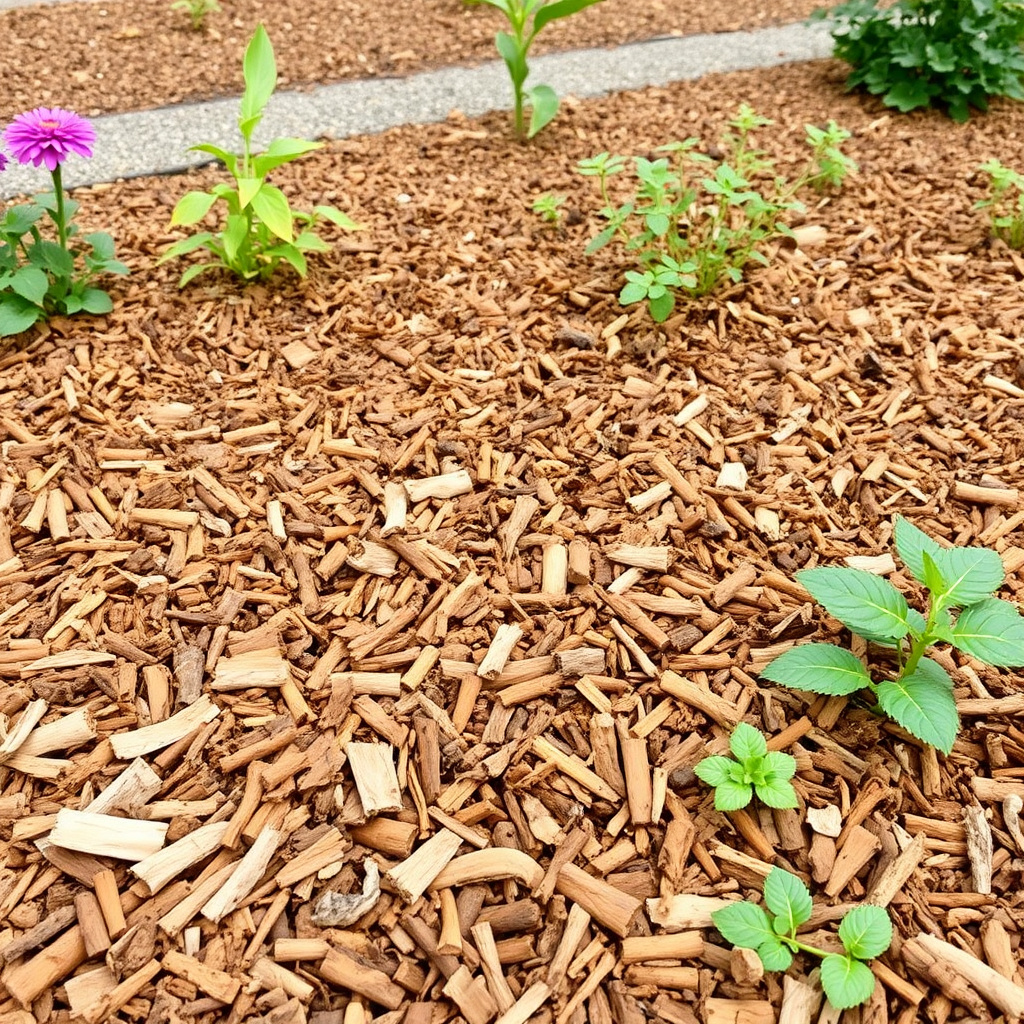
Types of Mulch Suitable for Weed Suppression
Organic mulches such as wood chips, straw, or shredded leaves block sunlight from reaching weed seeds, preventing germination. They also improve soil moisture retention and add nutrients as they decompose.
Inorganic mulches like landscape fabric, plastic sheeting, or gravel form physical barriers that inhibit weed growth but require careful installation to avoid harming soil life.
- Apply mulch 2-4 inches deep for best weed suppression
- Replenish organic mulch annually as it decomposes
- Combine fabric mulch with organic material on top for aesthetic appeal and added protection
For more on this, see our related guide: Best Seeds to Grow a Thriving Garden in 2026.
Proper Mulching Techniques
Before mulching, remove existing weeds manually to prevent them from growing through the barrier. Clear debris and water the soil lightly for better mulch adherence.
Keep mulch slightly away from plant stems to avoid rot and ensure air circulation. Regularly inspect mulch layers and break up any weed seedlings that appear.
Chemical Weed Control Options
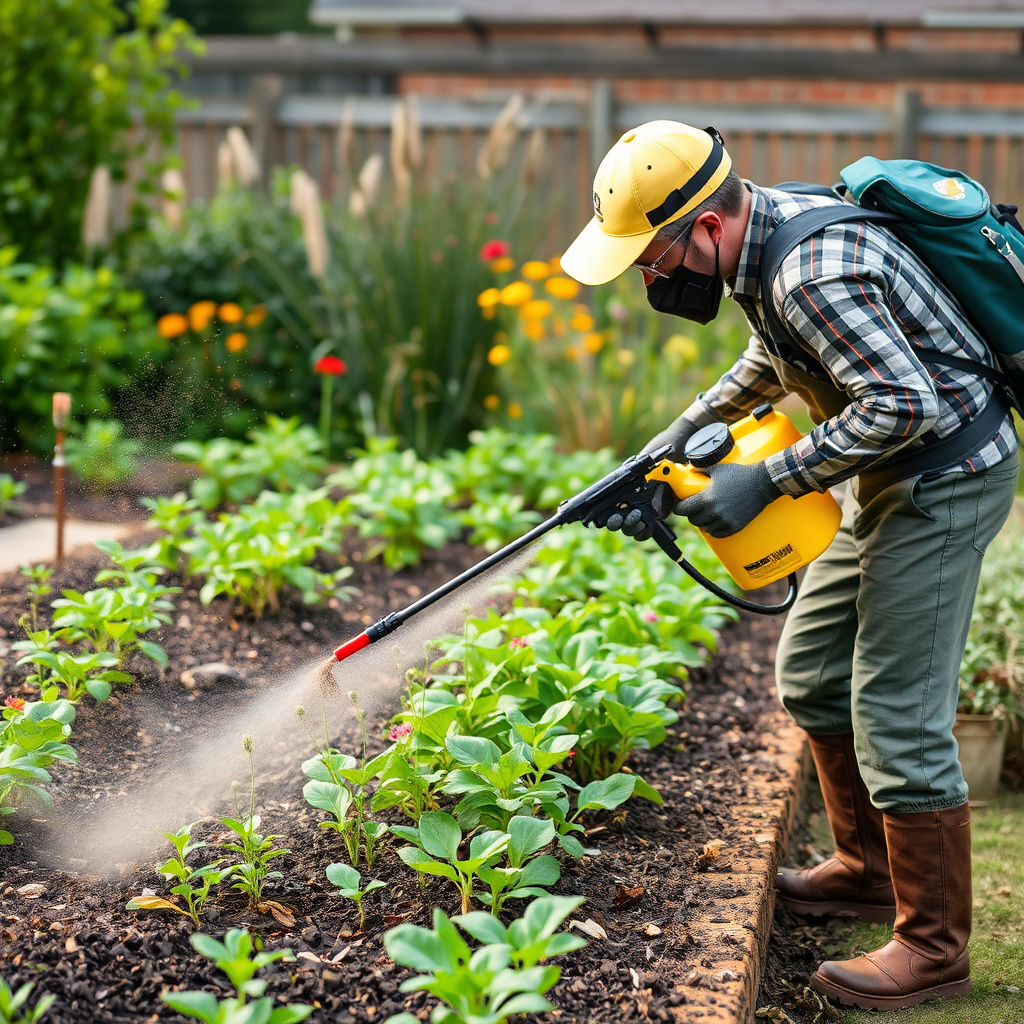
Selective vs Non-Selective Herbicides
Selective herbicides target specific types of weeds, like broadleaf or grassy weeds, without harming desired plants. They are useful in turf or crop settings where only certain weeds need control.
Non-selective herbicides kill all vegetation they contact and are best applied in areas you want cleared completely, such as walkways or driveways. Caution is necessary to avoid damaging garden plants.
- Use herbicides according to label instructions
- Apply on calm days to prevent drift to desirable plants
- Wear protective clothing during application
Organic Herbicides and Natural Alternatives
Organic herbicides based on ingredients like vinegar or fatty acids can burn young weeds but may require repeated applications and are less effective on mature plants.
Natural options include boiling water, corn gluten meal to inhibit seed germination, and manual prevention; these are safer for home gardens and beneficial insects.
Preventing Weeds From Returning
Soil Preparation and Maintenance
Healthy, well-prepared soil discourages weed growth by encouraging dense, vigorous plants that crowd out weeds. Regularly amending soil with compost improves texture and fertility, making it harder for weeds to establish.
Aeration and proper watering schedules prevent stress on garden plants and reduce conditions favorable for weed seeds to sprout.
For more on this, see our related guide: Do You Grow Cherry Trees From Seeds in 7 Simple Steps?.
Planting Ground Covers and Dense Crops
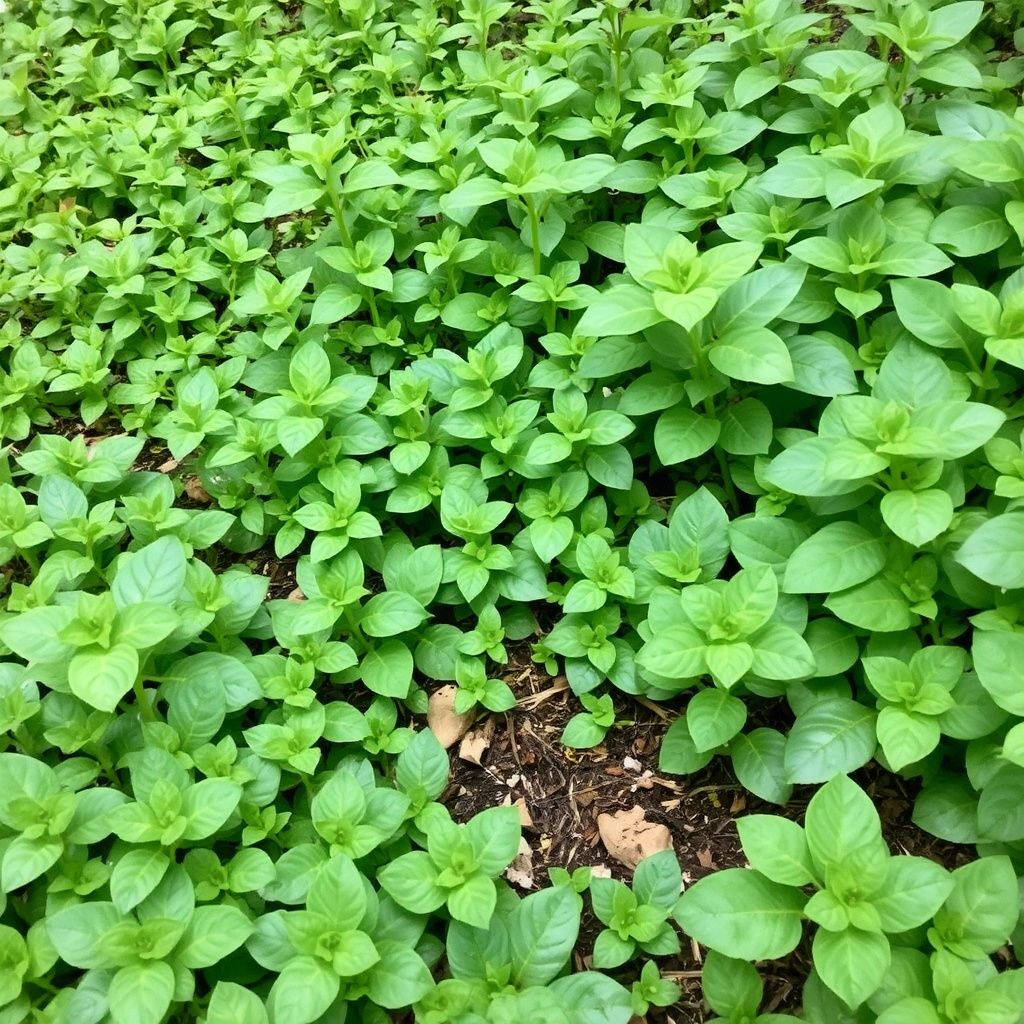
Using ground covers or densely planted crops creates shade on the soil surface, reducing weed seed germination. This living mulch also stabilizes soil and reduces erosion.
Choices like clover, creeping thyme, or low-growing vegetables act as natural weed suppressors and add diversity to your garden ecosystem.
- Choose species suited to your climate and soil
- Maintain ground covers by trimming to enhance growth
- Avoid bare soil patches where weeds can take hold
Timing and Repetition in Weed Management
Seasonal Weed Control Strategies
Planning weed control activities around seasonal growth patterns maximizes effectiveness. For example, pre-emergent treatments in early spring target seeds before sprouting, while summer removal focuses on rosette-stage plants.
Fall cleanup is important to reduce the seed bank in soil over winter and prevent spring infestations.
For a thorough overview of weed biology and classification, see the Garden Weed Information on Wikipedia. Garden Weed Information on Wikipedia.
Regular Monitoring and Maintenance
Weeds often reappear from overlooked roots or seeds, so consistent garden inspection is key. Early detection allows small infestations to be dealt with promptly.
Regularly scheduled weeding sessions reduce workload later and protect the health of your garden plants.
- Set weekly or biweekly garden checks
- Remove weeds before flowering to stop seed formation
- Combine monitoring with other garden care activities
Common Garden Weed Control Methods Compared
This table compares popular weed control methods based on cost, effectiveness, and ease of use.
| Method | Cost | Effectiveness | Ease of Use | Environmental Impact |
|---|---|---|---|---|
| Hand-Pulling | Low | High for small areas | Moderate | Minimal |
| Mulching | Medium | High for prevention | Easy | Positive, organic mulches enrich soil |
| Selective Herbicides | Medium | High | Moderate | Potential chemical residue |
| Non-Selective Herbicides | Low to Medium | High | Easy | Higher environmental risk |
| Organic Herbicides | Medium | Moderate | Moderate | Low impact |
| Hoeing/Cutting | Low | Moderate | Easy | Negligible |
Frequently Asked Questions
What is the best time to remove garden weeds?
The best time is early in the growing season when weeds are small and before they produce seeds, typically in spring or early summer. Regular removal throughout the season helps prevent spread.
Can mulch completely prevent weed growth?
Mulch greatly reduces weed germination by blocking sunlight, but it may not stop all weeds, especially if the mulch layer is thin or old. Combined with other methods, it is very effective.
Are chemical herbicides safe for vegetable gardens?
Selective herbicides labeled for vegetables can be safe if used as directed, but many gardeners prefer organic or physical removal to protect soil health and avoid chemical residues.
How often should I check my garden for weeds?
Checking your garden weekly or at least biweekly during the growing season helps catch new weed sprouts early, making removal simpler and more effective.
Is boiling water a good method to kill weeds?
Boiling water can kill some young weeds on contact but is non-selective, so use it carefully to avoid harming desirable plants. It works best on cracks in pavement or hard-to-reach spots.
Key Takeaways
- Identify weed types to choose effective removal methods
- Physical removal combined with mulching controls weeds without chemicals
- Herbicides can be useful but require careful application
- Prevention through soil health and ground covers reduces weed problems long-term
Conclusion
Deciding how to get rid of garden weeds involves balancing effectiveness, environmental impact, and effort. Understanding the types of weeds in your garden informs whether hand-pulling, mulching, or applying herbicides is best. Regular maintenance and prevention through mulching and dense planting create conditions unfavorable to weeds.
For small gardens or organic growers, physical removal combined with organic mulching and ground covers provides thorough weed control without chemicals. In larger or mixed gardens, selective herbicides may accelerate the process when carefully used. Seasonal timing matters to stop weeds before seeding. Combining methods tailored to your garden’s needs ensures ongoing weed management.
Start your garden weed control plan by mapping out trouble spots and assessing soil health. Integrate preventive practices like mulch and dense crops early, and schedule frequent inspections to catch new growth. Over time, these steps reduce weed pressure and help maintain a vibrant, thriving garden space.