Best Seeds to Grow a Thriving Garden in 2026
Starting a thriving garden in 2026 might feel overwhelming, especially with so many seed options out there. You’re not alone—many gardeners struggle to find the right seeds that grow well in their specific climate and soil.
The good news is, choosing the best seeds can make all the difference in your gardening success.
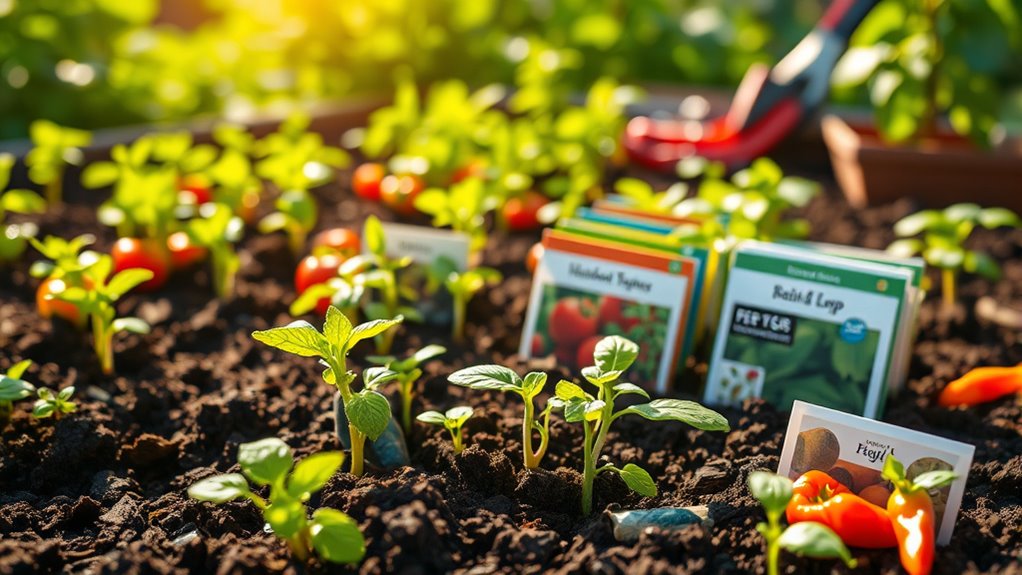
To grow a thriving garden in 2026, choose high-quality, fresh seeds suited to your climate and soil conditions. Opt for organic vegetable seeds like heirloom carrots, leafy greens, and climate-suitable peppers, along with bright flowers such as zinnias and marigolds.
Consider native plants and sustainable options like heirlooms or hybrids based on your goals.
Proper seed selection, combined with smart planting practices, sets the foundation for success. Discover the best strategies ahead for a bountiful garden.
Key Takeaways
- Pick fresh, high-quality seeds with good germination rates to help your plants grow strong and yield more.
- Think about your local climate and soil to choose seed varieties that are tough and suitable for your area.
- Go for pest-resistant and eco-friendly seeds to keep your garden healthy and sustainable.
- Mix vegetables, flowers, and herbs to keep your garden interesting and lively all year round.
- Choose heirloom or open-pollinated seeds if you want to preserve plant diversity and save seeds for future seasons.
Why Choosing the Right Seeds Matters for a Thriving Garden in 2026
Choosing the right seeds is essential because they directly influence your garden’s success. When selecting seeds, consider their seed longevity, which affects how well they’ll germinate after storage. Fresh seeds typically have higher germination rates, giving you a stronger start.
Furthermore, pest resistance is vital. Seeds bred for pest resistance help protect your plants from common pests, reducing the need for chemical interventions and increasing your chances of a healthy harvest.
By choosing seeds with these qualities, you’re setting your garden up for resilience and productivity. High-quality seeds guarantee better germination, vigorous growth, and fewer setbacks caused by pests.
This strategic choice saves you time, effort, and money in the long run. Remember, investing in the right seeds from the beginning means fewer frustrations and more rewarding gardening in 2026.
Your garden’s success starts at the seed level, so pick wisely to guarantee a thriving, bountiful garden.
Assess Your Climate and Soil Before Picking Seeds
Before you pick out your seeds, it’s really helpful to get a good idea of your local climate and soil conditions. Think about things like the temperature ranges, how much rain your area gets, and how many hours of sunlight your plants will receive each day. All of these factors play a big role in how well your plants will grow.
It’s also a good idea to test your soil’s pH and nutrient levels. Knowing what your soil is like will help you choose seeds that are a good fit and give your plants the best chance to thrive. Taking these steps upfront can save you a lot of time and effort later on!
Analyze Local Climate Conditions
Understanding your local climate and soil conditions is key to picking seeds that will do well in your garden. Microclimate effects, like shaded spots or windy areas, can change how plants grow, so take note of these small differences.
Seasonal changes, including temperature swings and rainfall patterns, also matter. Some plants do better in cooler weather, while others thrive in warmth. Paying attention to these factors helps you choose seeds suited to your environment.
Knowing your climate helps you select tough varieties that can handle local weather shifts. This reduces the chance of planting seeds that won’t survive, giving your garden a better shot at thriving year-round.
Test Soil Composition
Testing your soil composition is a key step in choosing the right seeds because healthy plants rely on the nutrients and pH levels in your soil. Knowing your soil pH helps you pick seeds suited for either acidic or alkaline conditions.
Understanding nutrient levels also ensures your plants get essential elements like nitrogen, phosphorus, and potassium. This way, you can set your soil up for success before planting.
To get accurate results, consider these steps:
- Use a soil test kit or send samples to a lab
- Check soil pH to see if it’s acidic or alkaline
- Measure nutrient levels to spot any deficiencies
- Adjust soil conditions based on the test results before you plant
Which Seeds Grow Best in Your Climate and Soil?
Want your seeds to grow into healthy, thriving plants? The first step is understanding your climate and soil. Think about the kind of weather your area usually has—hot and dry, cool and wet, or somewhere in between—and choose seeds that are a good match. Using climate compatibility tips can really help you pick the right plants for your region.
Next, take a good look at your soil. Is it sandy, clayey, or loamy? Does it drain well, or does water tend to pool? Knowing this will help you decide how to prepare your soil for planting. Sometimes, a few simple improvements like adding compost or adjusting pH levels can make a big difference in how well your seeds grow.
Climate Compatibility Tips
Choosing seeds that thrive in your climate and soil is essential for a successful garden. To do this, focus on climate adaptability strategies that help you pick plants suited to your environment.
Think about your USDA hardiness zone, average temperatures, and frost dates. Follow seasonal planting guidelines to make the most of your growing season and harvest times.
Here are some helpful tips:
- Select seeds labeled for your specific zone and season
- Pay attention to temperature and sunlight needs
- Use local gardening resources to understand regional climate patterns
- Adjust your planting schedule based on seasonal weather changes
Soil Preparation Strategies
Understanding your soil’s composition and health is key to choosing seeds that will thrive in your garden. Start by testing your soil to find out its pH and nutrient levels.
Adding compost can improve soil structure and supply essential nutrients. Soil amendments like organic matter or lime can help balance pH and boost fertility.
Proper soil prep gives seeds the best environment to germinate and grow. Loosen compacted soil and remove weeds to improve aeration and drainage.
Keep in mind that different seeds prefer different soil conditions. Leafy greens do well in rich, well-draining soil, while root vegetables need loose, deep soil.
Top Organic Vegetable Seeds to Grow in 2026
As organic farming becomes more popular, choosing the right vegetable seeds is key to a successful garden in 2026. Make sure to source your seeds from reputable suppliers who prioritize organic standards.
Picking organic seeds gives you a better chance of a healthy, chemical-free harvest. Incorporate companion planting by selecting seeds that naturally support each other’s growth, helping reduce pests and increase yields.
Here are some top organic vegetable seeds to consider for 2026:
- Heirloom carrots for rich flavor and variety
- Leafy greens like kale and spinach for quick, easy harvests
- Cherry tomatoes that do well in containers
- Peppers suited for different climates
Brighten Your Garden With the Best Flower Seeds for 2026
To truly brighten your garden in 2026, choosing vibrant flower seeds can make a big difference. Think about color combinations that create striking contrasts or soothing blends to boost your garden’s visual charm.
Mixing annuals and perennials is a smart way to keep your garden colorful all year. Pick varieties known for seasonal blooms to ensure you have flowers from spring through fall.
Bright marigolds, zinnias, and petunias bring bold, lively hues. Softer shades like lavenders and cosmos add delicate, subtle accents that complement the brighter colors.
Planning your planting times around seasonal blooming tips helps you stagger your flowers so your garden stays lively and colorful all season long.
Varying flower heights and textures will add depth and interest, making your garden more dynamic and inviting.
The Best Herb Seeds for Fresh Flavors All Year
If you want fresh herbs all year long, it’s helpful to know the best growing conditions for each type. Picking popular herbs like basil, parsley, and thyme ensures you get those vibrant flavors that really make your dishes pop. And don’t forget, proper preservation methods can help keep your herbs fresh for longer, so you always have some on hand.
With just a little planning, you can harvest flavorful herbs whenever you need them. Whether you’re growing them in your garden or on your windowsill, it’s pretty satisfying to have fresh herbs ready to go whenever the mood strikes.
Ideal Herb Growing Conditions
Herbs thrive when they’re grown under the right conditions, making it vital to understand their specific needs for ideal flavor and growth. For successful indoor herb care, make sure they get plenty of indirect sunlight and proper watering—overwatering is a common mistake.
Temperature also plays a role; most herbs prefer temperatures between 65-75°F. Using companion planting techniques can improve growth and naturally help keep pests away.
To optimize your herb garden, focus on these essentials: ensure adequate sunlight exposure, ideally around 6 hours daily; use well-draining soil or containers with drainage holes; and water consistently, keeping the soil moist but not soggy.
Incorporating companion plants like basil near tomatoes can boost flavor and promote healthier herbs. Mastering these conditions will help you grow flavorful herbs all year round.
Popular Fresh Herb Varieties
Are you looking for fresh herbs that deliver vibrant flavor year-round? Popular varieties like basil, parsley, cilantro, and thyme are excellent choices for your garden. These herbs are versatile for cooking, from garnishing dishes to making fresh sauces.
Incorporate herb companion planting to boost growth and repel pests. For example, basil with tomatoes improves both flavor and plant health. Mint and chives are also favorites, offering easy maintenance and continuous harvests.
Choosing these herbs guarantees you have fresh, aromatic ingredients at your fingertips for any recipe. Their popularity comes from their adaptable flavors and ease of cultivation, making them perfect for both beginners and seasoned gardeners.
With consistent care, these herbs provide fresh flavors throughout the year, enriching your culinary creations.
Tips for Herb Preservation
Once you’ve cultivated a variety of fresh herbs, preserving their flavors is essential so you can enjoy them year-round. Proper herb drying helps retain their aroma and taste, making them perfect for cooking long after harvest.
To maximize flavor infusion, store herbs in airtight containers or glass jars once they’re dried. You can also freeze herbs in ice cubes for quick use in recipes whenever you need them.
For vibrant flavor, dry herbs in a well-ventilated area out of direct sunlight. Be careful not to over-dry, as this can reduce their potency.
To keep herbs fresh, trim them regularly and harvest at their peak ripeness. Using these tips, your herbs will stay flavorful and aromatic, ready to enhance your dishes in any season.
Remember to dry herbs in controlled conditions, like a cool, dry space, and consider freezing in ice cube trays for easy portioning.
Heirloom or Hybrid Seeds: Which Are Better for Your Garden?
When deciding between heirloom and hybrid seeds for your garden, understanding their differences can help you make the best choice. Heirloom benefits include open-pollination, which allows you to save seeds for next year’s planting, and a wide variety of flavors and unique appearances.
They often produce plants that are well-suited to your local climate and soil, offering stability over generations. Hybrid advantages include increased disease resistance, higher yields, and consistent size and flavor.
Hybrids are bred for specific qualities, making them reliable for gardeners seeking predictable results. If you value preserving traditional varieties and diversity, heirlooms are a great option.
But if you want high productivity and resilience, hybrids might be better. Ultimately, your choice depends on your gardening goals—whether you prioritize heritage and flavor or consistency and robustness.
Both seed types can help you cultivate a thriving garden in 2026.
How to Start Seeds Indoors and Transplant Successfully
Starting seeds indoors gives you a head start on the growing season and allows you to control the environment for ideal growth. To succeed with seed starting, choose quality seed trays and use a well-draining seed-starting mix.
Make sure your seedlings get plenty of light. Use grow lights or place them near south-facing windows to meet their indoor lighting needs. Keep the soil consistently moist but not waterlogged, and maintain a warm temperature to encourage germination.
When seedlings develop their first true leaves, carefully transplant them into larger pots or outdoors. Gradually acclimate them to outdoor conditions to reduce transplant shock.
Remember these key tips:
- Use grow lights to supplement natural indoor lighting
- Maintain consistent moisture and warmth
- Thin seedlings to prevent overcrowding
- Harden off plants before transplanting outside
Following these steps helps guarantee healthy transplants and a successful garden start.
Eco-Friendly Seed Options for Sustainable Gardening
Choosing eco-friendly seed options is a key step toward sustainable gardening. It helps support biodiversity and reduces environmental impact.
Native plant benefits are huge—you pick seeds suited to your local climate and soil, which need less water and fewer chemicals. They also attract native pollinators, helping local ecosystems thrive.
When you use companion planting, you create natural pest control and boost plant health without synthetic chemicals. For example, planting basil near tomatoes can improve flavor and keep pests away.
Opting for organic, heirloom, or open-pollinated seeds keeps your garden resilient and adaptable over time. Prioritizing native and eco-friendly seeds fosters a balanced garden environment that minimizes resource use.
This approach benefits your garden’s health and supports ecological stability. It makes your gardening more environmentally responsible and rewarding.
Save Seeds and Grow Your Garden Year After Year
Saving seeds from your garden lets you grow plants year after year, building resilience and cutting down on purchased seeds. By practicing seed saving, you can pick the best specimens from your seasonal planting, helping to create stronger, more adapted plants over time.
It’s a simple way to keep your garden sustainable and preserve your favorite varieties. Focus on healthy, mature plants and let seeds fully develop before collecting them. Properly drying and storing seeds in a cool, dry place helps keep them viable.
Keep track of your seed sources and planting dates to plan better for each season. Choose heirloom or open-pollinated varieties for easier seed saving. Label your seeds clearly so you know what they are when planting later.
Save seeds from plants that thrive in your climate. Experimenting with different varieties can help diversify your garden year after year.
Frequently Asked Questions
How Do Seed Prices Vary Across Different Seed Suppliers in 2026?
In 2026, seed prices vary across suppliers because of factors like bulk seed pricing and organic seed trends. Buying in larger quantities usually lowers your costs.
Organic seeds tend to be more expensive because they’re considered premium quality. Different suppliers also set prices based on seed rarity and demand.
To save money, compare bulk options and look for suppliers embracing organic seed trends. This way, you get good quality without overspending.
Are There New Seed Varieties Introduced Specifically for Climate Change Adaptation?
Think of it as a futuristic garden, where new seed varieties are engineered for climate resilience.
You’ll find innovations that boost genetic diversity, helping plants withstand extreme weather.
These seeds are designed specifically to adapt to climate change, ensuring your garden thrives despite shifting conditions.
What Are the Best Seed Storage Techniques to Ensure Longevity?
To guarantee seed longevity, you should focus on proper storage techniques. First, perform seed viability testing to confirm they remain viable before storing.
Keep moisture control in mind. Store seeds in airtight containers in a cool, dark, and dry place to prevent mold and deterioration.
Regularly check stored seeds for signs of spoilage, and consider labeling them for easy identification. This helps ensure your seeds stay healthy and viable for future planting.
How Can I Identify and Select Pest-Resistant Seed Varieties?
You can identify pest-resistant seed varieties by looking into their pest resistance traits and reading reviews from experienced gardeners.
Choose organic options labeled specifically as pest-resistant, which are often bred to handle common pests without chemicals.
Trust reputable seed catalogs or local nurseries, and try testing small batches first.
This proactive approach helps you select seeds that naturally defend against pests, leading to a healthier, more resilient garden.
Do Seed Companies Offer Guarantees or Warranties for Seed Germination Success?
Many seed companies do offer guarantees or warranties for seed germination success, focusing on seed quality and germination rates.
You should check the company’s policies before buying because they often promise a certain percentage of successful sprouting.
If your seeds don’t meet these standards, they usually provide replacements or refunds.
Always read the fine print to understand their specific guarantees and make sure you’re getting high-quality seeds to give your garden the best start.
Conclusion
By choosing the right seeds tailored to your climate and soil, you’re setting your garden up for success in 2026. Whether you prefer organic, heirloom, or hybrid seeds, the key is starting smart and thinking sustainably.
Are you ready to cultivate a vibrant, thriving garden that brings beauty and bounty year after year? With the right seeds and a bit of care, you’ll turn your garden dreams into reality.
Focusing on the best seeds to grow a thriving garden in 2026 can make all the difference.