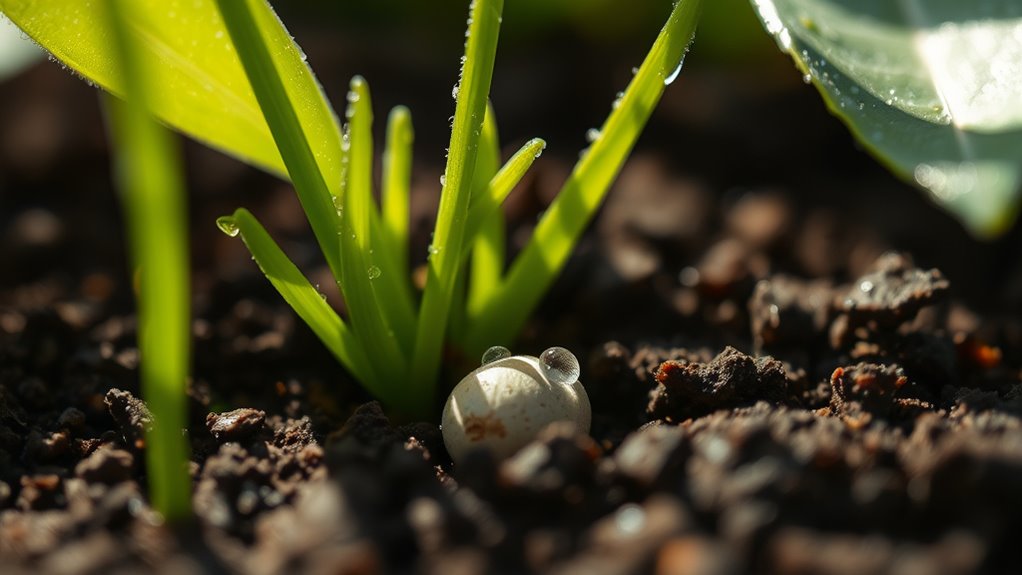
What Conditions Does a Seed Need to Sprout?
Starting a garden or growing your own plants can be incredibly rewarding, but many people struggle with getting seeds to sprout. If you’ve ever wondered why your seeds aren’t growing, you’re not alone. The secret lies in understanding what conditions are needed for successful sprouting.
To help your seed sprout, you need the right mix of soil, moisture, temperature, oxygen, and light. Guarantee the soil is moist but not waterlogged, and plant the seed at the proper depth.
Keep the temperature warm enough for metabolic processes to activate, and make certain there’s enough oxygen for cellular respiration. Bright light can also influence germination depending on the seed type.
If you continue exploring, you’ll uncover how each condition plays an essential role in successful sprouting.
Key Takeaways
- Adequate moisture is essential to soften the seed coat and kickstart the metabolic processes needed for germination.
- The temperature needs to be just right—within the seed’s optimal range—to support sprouting.
- Sufficient oxygen is also important for cellular respiration and energy production.
- Correct soil conditions, including the right nutrients and pH balance, help the seed grow.
- Lastly, some seeds need the right amount of light exposure, depending on their specific requirements.
Creating the Right Environment for Seed Germination
Creating the right environment for seed germination is key to successful sprouting. Plant your seeds at the right depth—usually just a few times the seed’s diameter—to help them emerge properly.
Keeping humidity levels just right is crucial. Too much moisture can lead to mold, but too little can slow down sprouting. Make sure your soil stays moist but not waterlogged.
Maintaining proper humidity prevents mold and ensures healthy, timely sprouting.
Choose a container that gives roots enough space to grow without being too big. Good air circulation is also important to prevent damping-off disease.
Light really matters too. Some seeds need bright light immediately, while others prefer darkness during germination. Check your seed type to get it just right.
Keep the soil pH balanced—most seeds like a slightly acidic to neutral range. When planting, gently cover the seeds without packing the soil down too hard.
Be patient because germination times vary depending on the seed. But sticking to these conditions consistently will help them sprout faster.
How Water Sparks Seed Sprouting
When you water a seed, it helps soften the seed coat, making it easier for the sprout to come out. Think of it like giving the seed a little wake-up call!
Plus, water jump-starts the seed’s internal processes, giving it the energy it needs to grow. So, as the seed absorbs water, it starts to sprout and develop into a healthy plant.
Water Softens Seed Coat
Water plays an essential role in seed sprouting by softening the hard seed coat, which acts as a protective barrier. When you provide enough moisture, water penetrates the seed coat, making it more permeable.
This softening process allows the seed’s embryo to break free from its shell and start growing. If the seed coat stays too firm, it can block water and oxygen from getting in, which can delay or stop sprouting.
That’s why keeping the right moisture levels is so important. Too little water keeps the coat hard, while too much can cause the seed to rot.
Initiates Metabolic Processes
As water seeps into the softened seed coat, it kickstarts the seed’s internal processes, signaling that growth is about to begin. This activates metabolic processes, where stored nutrients start breaking down to fuel the developing seed.
Enzymatic reactions soon follow, transforming starches into sugars and releasing the energy necessary for growth. These chemical reactions are crucial—they provide the building blocks for new cell formation and expansion.
Without water, these processes stay dormant, preventing the seed from sprouting. When water is present, it acts like a catalyst, jumpstarting the seed’s metabolism. You’ll notice the seed begins to swell as these reactions speed up, setting the stage for germination.
This metabolic activation is key. It transforms the seed from a dormant state into an active, growing organism.
Promotes Germination Growth
Once the seed’s internal processes activate, water plays a vital role in promoting germination growth by fueling cellular activities and supporting expansion. It helps break seed dormancy and triggers germination, signaling the seed to sprout. Without enough water, these processes stall, preventing growth.
Water softens the seed coat, allowing nutrients to reach the embryo. It also activates enzymes essential for development, making sure everything inside the seed can work properly.
| Stage | Key Action | Result |
|---|---|---|
| Seed Dormancy | Absorbs water | Breaks dormancy |
| Germination Triggers | Enzymes activate | Embryo growth begins |
| Growth Phase | Cell expansion and division | Sprout emerges |
Why Temperature Is Key to Seed Growth
Temperature plays a big role in seed growth, so it’s really important to keep it just right. If it’s too hot or too cold, seeds might not sprout at all, or they could get damaged in the process.
When the temperature swings outside the ideal range, it can make it harder for seeds to develop properly and can even lower the chances of successful germination. Basically, getting the temperature right is key to helping seeds grow strong and healthy.
Optimal Temperature Range
Maintaining the right temperature is crucial for seed sprouting because it directly influences the metabolic processes that drive germination. Seeds have specific temperature tolerances, and extreme heat or cold can cause heat sensitivity or prolong seed dormancy.
To break dormancy, some seeds require cold stratification, which exposes them to cold temperatures that mimic seasonal changes. This signals physiological triggers for germination.
Understanding your seed’s ideal temperature range helps you adapt to climate conditions and ensures timely germination. If temperatures go outside this range, germination might be delayed or fail altogether.
Providing the right warmth or coolness supports proper physiological responses, helping seeds sprout at the right time and grow into healthy plants. Managing temperature is key for successful seedling growth.
Effects of Temperature Fluctuations
Fluctuations in temperature can really affect seed germination and growth because seeds are very sensitive to their environment. Sudden temperature extremes can cause thermal stress, which might delay or even stop germination.
You might notice inconsistent germination timing, which can disrupt growth cycles and impact seed viability. Seasonal changes can also trigger dormancy breaking or extend dormancy, making climate adaptation crucial for successful sprouting.
Temperature swings can also hinder seedling development or cause failure if conditions aren’t within the ideal range. These variations challenge seeds to survive and adapt throughout their life cycle.
Imagine seeds exposed to quick swings from warm days to cold nights. Or temperatures fluctuating unpredictably during seasonal shifts. Seeds may struggle to break dormancy in changing conditions, and growth cycles can be thrown off by inconsistent thermal cues.
Does Oxygen Help Seeds to Sprout?
Oxygen plays a key role in seed sprouting because it fuels the cellular respiration process that provides energy for growth. Without enough oxygen, seeds struggle to activate their metabolic processes, which can delay or even stop sprouting.
Making sure the seed gets enough oxygen ensures it reaches the seed’s tissues, helping it develop properly. As the seed breathes in, it releases carbon dioxide, so keeping the right balance of gases is important for healthy growth.
Imagine this process visually:
| Oxygen in | Carbon dioxide out |
|---|---|
| Seed breathes in | Seed exhales gas |
| Cells activate | Waste gases released |
| Growth energy | Byproduct expelled |
| Healthy sprout | Proper gas exchange |
This cycle shows how oxygen supports seed growth. When oxygen levels are good, sprouting is strong; when they’re low, growth can be hindered. That’s why oxygen is so vital for seed development.
What Light Conditions Do Seeds Need?
Have you ever wondered how light influences seed sprouting? Light plays a vital role in triggering germination and supporting seedling growth. The right light conditions vary depending on seed types and their specific light needs.
Some seeds need exposure to particular light spectrum wavelengths, like blue or red light, to germinate effectively. Light intensity and duration also matter—too little light can delay germination, while too much may harm delicate seedlings.
Seeds with photoperiod sensitivity respond to the length of daylight, which affects when they germinate. Whether you’re using natural sunlight or artificial lighting, maintaining the right conditions is key.
Imagine bright, direct sunlight warming seeds on a spring morning. Shadows dance over seedlings as the day progresses, and artificial grow lights mimic natural spectrum to promote healthy growth.
For certain seed types, short, consistent light periods are best. Understanding these factors helps you provide ideal light conditions for successful sprouting and healthy seedling development.
How Soil Quality Affects Seed Germination
The quality of soil really makes a big difference when it comes to seeds sprouting. Things like nutrients, drainage, and how much air gets to the roots all play a part. If the soil has the right nutrients, your seeds will have the energy they need to grow strong and healthy.
On the other hand, good drainage is super important because it stops too much water from sitting around and drowning the roots. And don’t forget about aeration—making sure there’s enough air in the soil helps oxygen reach the seeds and the tiny roots, which really boosts the chances of successful germination.
Nutrient Content Importance
Healthy soil rich in essential nutrients plays a critical role in seed germination. When soil provides the right balance of organic matter and soil composition, your seed can efficiently absorb nutrients needed for growth.
Key factors include ideal nutrient ratios, proper fertilization timing, and active microbial activity that helps break down minerals for easier absorption. Essential minerals like nitrogen, phosphorus, and potassium are crucial for root and shoot development.
Maintaining pH balance guarantees nutrients are available and prevents toxicity. Think of your soil as a lively environment where microbes and minerals work together, creating the perfect setting for your seed to sprout.
Proper soil fertility accelerates germination, giving your plant the best start in life.
- Rich organic matter supporting microbial activity
- Balanced nutrient ratios for healthy growth
- Ideal pH for nutrient availability
- Timely fertilization to boost nutrient absorption
Drainage and Aeration
Good soil structure is key for seed germination because it affects how roots grow and access water and oxygen. A well-prepared seed bed with the right soil mix creates ideal air pockets, ensuring good aeration.
Too much moisture can drown seeds, and poor drainage can lead to waterlogged soil, which makes germination difficult. Choosing the right substrate and setting the seed depth carefully helps promote healthy growth.
Good drainage lets excess water escape, preventing root rot and encouraging microbes that support seedlings. Improving soil aeration and drainage gives your seeds the best chance to sprout strong roots and grow into healthy plants.
Common Challenges That Stop Seeds From Sprouting
Many factors can prevent seeds from sprouting, often frustrating gardeners and farmers alike. Poor seed viability means the seed might be too old or damaged to grow.
Pest interference can destroy young seedlings or hinder germination. Soil compaction prevents roots from penetrating and accessing nutrients, while disease presence can infect seeds before they sprout.
Genetic factors also play a role; some seeds are simply not suited to your environment. Improper planting depth or technique can hinder germination, and inadequate light exposure or incorrect humidity levels might prevent sprouting altogether.
Imagine seeds buried too deep, unable to reach the surface. Pests nibbling on fragile seedlings and soil so compacted that roots struggle to break through are common issues.
Fungal disease attacking vulnerable seeds is another challenge. All these factors can stop your seeds from sprouting, so it’s essential to address each one for successful germination.
Tips to Optimize Your Seed Germination Environment
Creating the ideal environment for seed germination involves paying close attention to several key factors. First, understand your seed varieties, as different types have specific needs for best sprouting. Use proper germination techniques, such as soaking or scarifying, to improve seed viability.
Maintain appropriate humidity levels; a consistently moist environment encourages sprouting without waterlogging. When planting, choose the correct depth—generally two to three times the seed’s size—to guarantee proper emergence.
For indoor germination, control temperature and light to mimic natural conditions. Organic methods like compost-based soils support healthy growth and reduce chemical interference. Pest management is vital; keep an eye out for pests that can damage young seedlings.
Regularly monitor moisture, temperature, and soil quality to create a stable environment. By fine-tuning these factors, you’ll greatly boost your seed’s chances of successful sprouting.
Different Seeds and Their Specific Needs
Since different seeds have unique requirements for successful sprouting, understanding their specific needs is vital for ideal growth. For example, sunflower needs plenty of sunlight and well-draining soil, while tomato requirements include warmth and rich, organic matter.
Cucumber conditions thrive with consistent moisture and warmth, whereas pepper preferences favor warm temperatures and well-drained soil. Beans need a healthy environment with loose, well-aerated soil, and lettuce factors include cool temperatures and moist conditions.
Squash criteria involve ample space and nutrient-rich soil, while herb essentials vary—basil requires warmth, and parsley prefers cooler, moist environments. Each seed type has particular needs that influence germination and growth, making it important to tailor your approach for successful sprouting.
Squash needs space and rich soil; herbs like basil favor warmth, while parsley prefers cool, moist conditions.
Paying attention to these specific requirements helps guarantee your plants develop strong roots and healthy foliage, increasing your chances of a bountiful harvest.
How Season and Climate Impact Seed Sprouting
The season and climate you grow in play an important role in seed sprouting because they influence key conditions like temperature, moisture, and sunlight. Seasonal changes affect soil temperature and sunlight duration, which are essential for germination.
In regions with extreme climates, such as intense heat or cold, seeds may struggle to sprout unless conditions are carefully managed. Humidity levels and rainfall patterns also impact soil moisture, helping or hindering seed development.
Frost can cause damage or delay sprouting, especially if seeds are exposed to freezing temperatures. Regional differences mean that what works in one area might not suit another, so understanding local climate patterns is critical.
Consistent soil temperature and adequate rainfall support healthy sprouting, while irregular conditions can lead to poor germination rates. By paying attention to these climate factors, you can optimize your planting schedule and improve your chances of success.
Frequently Asked Questions
How Long Does It Typically Take for Seeds to Sprout?
Seeds typically sprout within a few days to a few weeks, depending on the type. You should make sure the soil stays at the right temperature—usually between 65-75°F—and keeps consistent moisture.
Keep the soil moist but not waterlogged, as too much water can cause rot. With the right conditions, your seeds will break dormancy and sprout quickly.
Patience is key. Maintaining these conditions will give your seeds the best chance to grow.
Can Seeds Sprout Indoors Without Natural Sunlight?
Did you know that some seeds can sprout indoors without natural sunlight? Yes, with the right indoor lighting and temperature control, seeds can sprout successfully.
You should use grow lights or fluorescent bulbs to mimic sunlight, and keep the temperature steady around 65-75°F. Proper lighting and warmth are key because they help the seed develop roots and shoots, even without outdoor conditions.
Do Seeds Need Fertilizer to Germinate Successfully?
Seeds don’t need fertilizer to germinate successfully; instead, they rely on seed nutrients stored within them for the germination process. Fertilizer can support healthy seedling growth after sprouting, but it’s not essential for initial germination.
Proper moisture, warmth, and oxygen are more critical at this stage. Once your seed starts to grow, adding fertilizer can give it a nutrient boost to develop strong roots and vibrant leaves.
What Are Common Signs That Seeds Are Failing to Sprout?
You’ll notice seeds failing to sprout if seed moisture is inadequate or if temperature requirements aren’t met, which can slow down germination.
Poor seed viability or improper planting techniques can also make it harder for seeds to sprout. Environmental factors like inconsistent watering or extreme temperatures may cause seeds to stay dormant or even rot.
Keep an eye out for these signs so you can adjust conditions quickly. This helps create the best environment for healthy germination and successful growth.
How Deep Should I Plant Different Types of Seeds?
Get your planting techniques right, and you’ll be halfway there! For most seeds, plant them at a depth about twice their size. Small seeds like lettuce need just under a quarter inch, while larger ones like beans go about 1-2 inches deep.
Check the seed packet for specific seed depth instructions. Be gentle but firm, and make sure the soil is well-drained to give your seeds the best start.
Conclusion
Now that you know what seeds need to sprout—water, warmth, oxygen, and light—you’re ready to give them the perfect start. Remember, each seed is unique, so pay attention to their specific needs and environmental conditions.
With patience and care, you’ll see those tiny shoots break through the soil. Isn’t it amazing how such simple conditions can reveal nature’s incredible potential?
Understanding what conditions a seed needs to sprout is key to successful gardening. Happy planting and watching your garden grow!