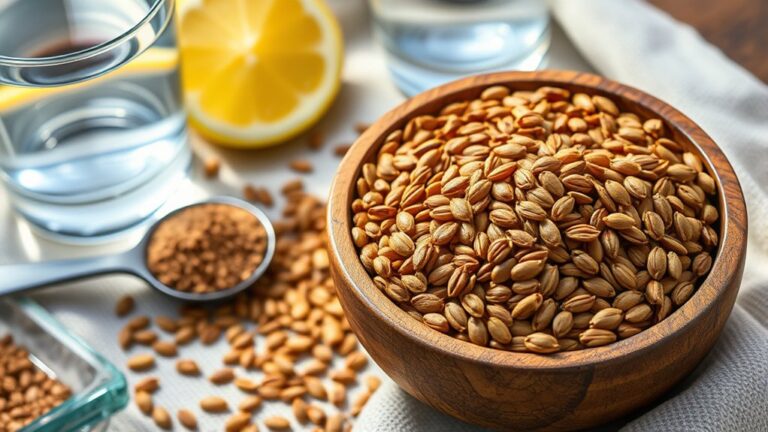
How to Germinate Seeds Faster: Proven Techniques to Boost Growth
To germinate seeds faster, create the ideal environment by maintaining warm temperatures, consistent moisture, and proper oxygen flow. Techniques like soaking seeds, using a heat mat, and pre-sprouting can significantly speed up germination time compared to simply planting seeds in soil.
Accelerating seed germination matters because it helps seedlings establish earlier, giving you a head start on the growing season. Faster germination also increases the chances of uniform sprouting and healthy plants by avoiding prolonged exposure to unfavorable conditions such as mold or drying out.
This article explores practical ways to germinate seeds faster, examining environmental factors, conditioning treatments, and planting setups. We’ll also compare methods to help you pick the best approach for various seed types and gardening situations.
Understanding the Seed Germination Process
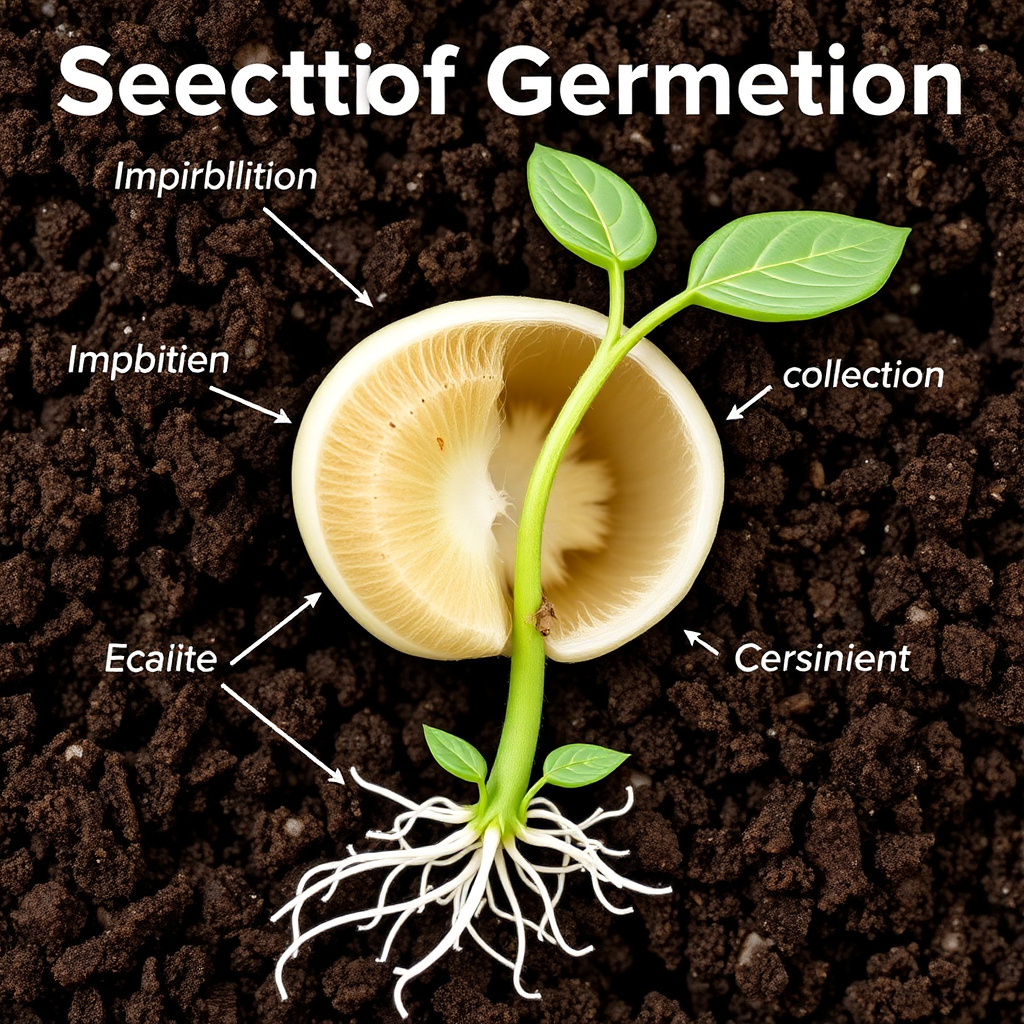
What Happens Inside a Seed During Germination
Germination begins when a seed absorbs water, triggering enzymes that convert stored nutrients into energy for growth. The seed coat breaks open, allowing the embryonic root and shoot to emerge. Temperature and oxygen availability influence the speed and success of this process.
Seeds remain dormant until conditions meet their specific requirements. Understanding these biological needs helps you tailor methods to stimulate faster and more uniform germination effectively.
Factors That Affect Germination Speed
Key elements influencing germination include temperature, moisture, light, and seed viability. Most seeds need warmth and moisture to break dormancy, but some require light or darkness cues. Poor viability yields slower or failed germination despite good conditions.
Recognizing the ideal conditions for your seed type improves how you apply seed sprouting methods to accelerate germination.
Preparing Seeds for Faster Germination
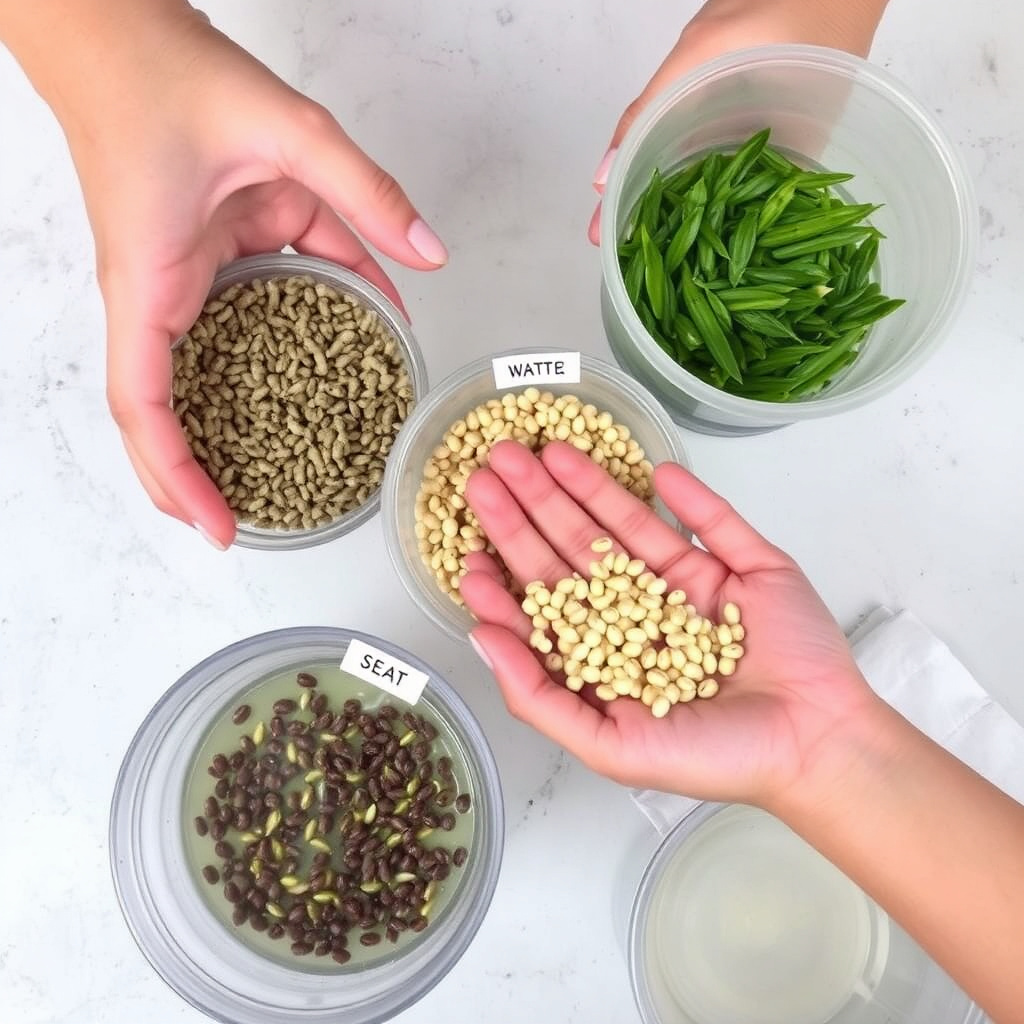
Seed Soaking and Scarification Techniques
Soaking seeds in room temperature water for 8–24 hours softens seed coats, promoting quicker water absorption and faster germination. Hard seeds like beans or morning glory benefit greatly from this step.
Scarification involves gently nicking or sanding tough seed coats to ease water penetration. This simulates natural wear and speeds germination but requires caution not to damage the embryo.
- Soak seeds for recommended time based on type
- Use sandpaper or a nail file for scarification
- Avoid over-soaking to prevent seed rot
Pre-sprouting Seeds Before Planting
Pre-sprouting means placing seeds between damp paper towels or in seed trays to germinate before moving to soil. This technique accelerates detection of viable seeds and shortens the timeline to transplanting.
By controlling humidity and temperature during pre-sprouting, you help seeds break dormancy faster and reduce issues like uneven germination in the garden.
Optimizing Environmental Conditions for Germination
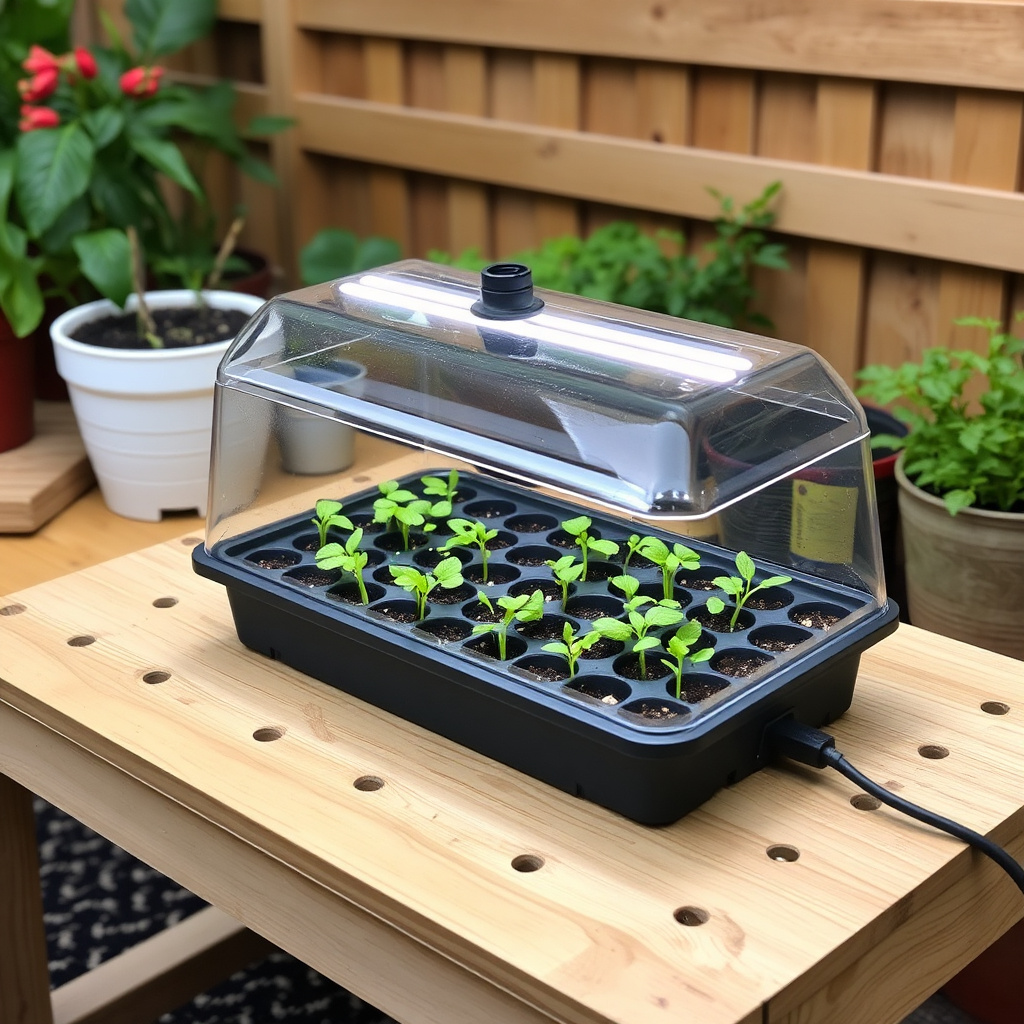
Using Heat Mats and Controlled Temperatures
Applying gentle bottom heat with seedling heat mats consistently raises soil temperature to the ideal range for many seeds. This energizes enzymatic activity, speeding germination without drying out the medium.
Monitoring accurate temperature levels allows you to customize conditions. For example, most vegetable seeds germinate well between 70-85°F, while herbs and flowers may need cooler settings.
- Keep temperatures steady to avoid stress
- Use thermostat-controlled mats for precision
- Warm soil retains moisture better, aiding seed sprouting methods
For more on this, see our related guide: What Causes Seeds to Lose Viability and How to Prevent It.
Maintaining Proper Moisture and Airflow
Seeds require consistently moist but not waterlogged soil. Using humidity domes or plastic covers retains moisture but must allow air exchange to prevent fungal growth.
Regularly checking soil moisture and providing indirect lighting helps keep seedlings healthy during fast germination phases.
- Mist soil instead of heavy watering
- Vent covers daily to prevent mold
- Choose well-draining seed-starting mix
Choosing the Right Growing Medium for Speedy Germination
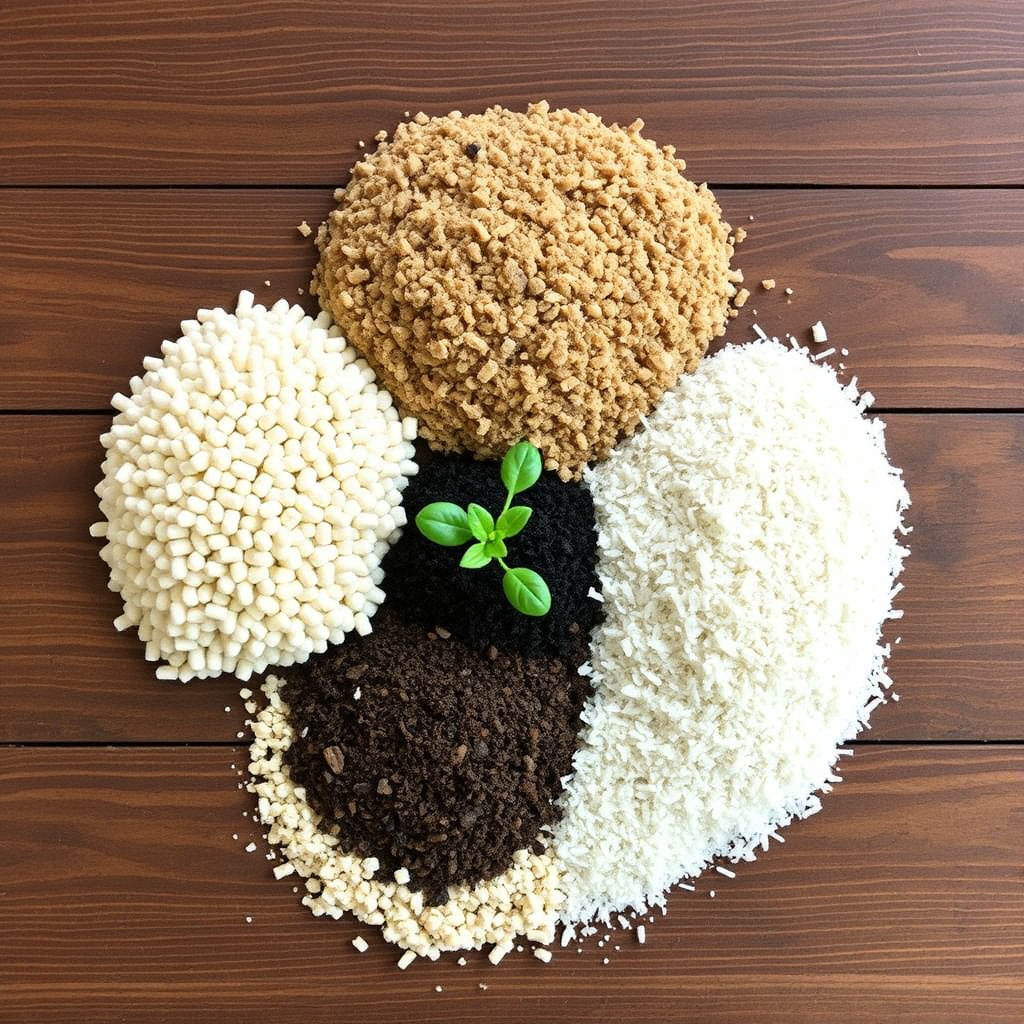
Comparing Seed Starting Mixes
A fine-textured, sterile seed-starting mix with good water retention and aeration encourages root penetration and steady moisture levels, essential for quick germination.
Avoid heavy garden soil or potting mixes high in nutrients which can inhibit early seedling growth and prolong germination times.
- Use lightweight, peat or coco coir-based mixes
- Ensure mixes are free of pests and diseases
Benefits of Using Peat Pellets and Soil Blocks
Peat pellets expand with water, providing a convenient moisture-retentive medium that speeds germination by maintaining consistent hydration and airflow.
Soil blocks reduce transplant shock by eliminating containers, allowing roots to grow freely and promoting faster seed sprouting methods in controlled conditions.
- Peat pellets reduce transplant disturbance
- Soil blocks encourage healthier root development
Advanced Techniques to Speed Up Germination
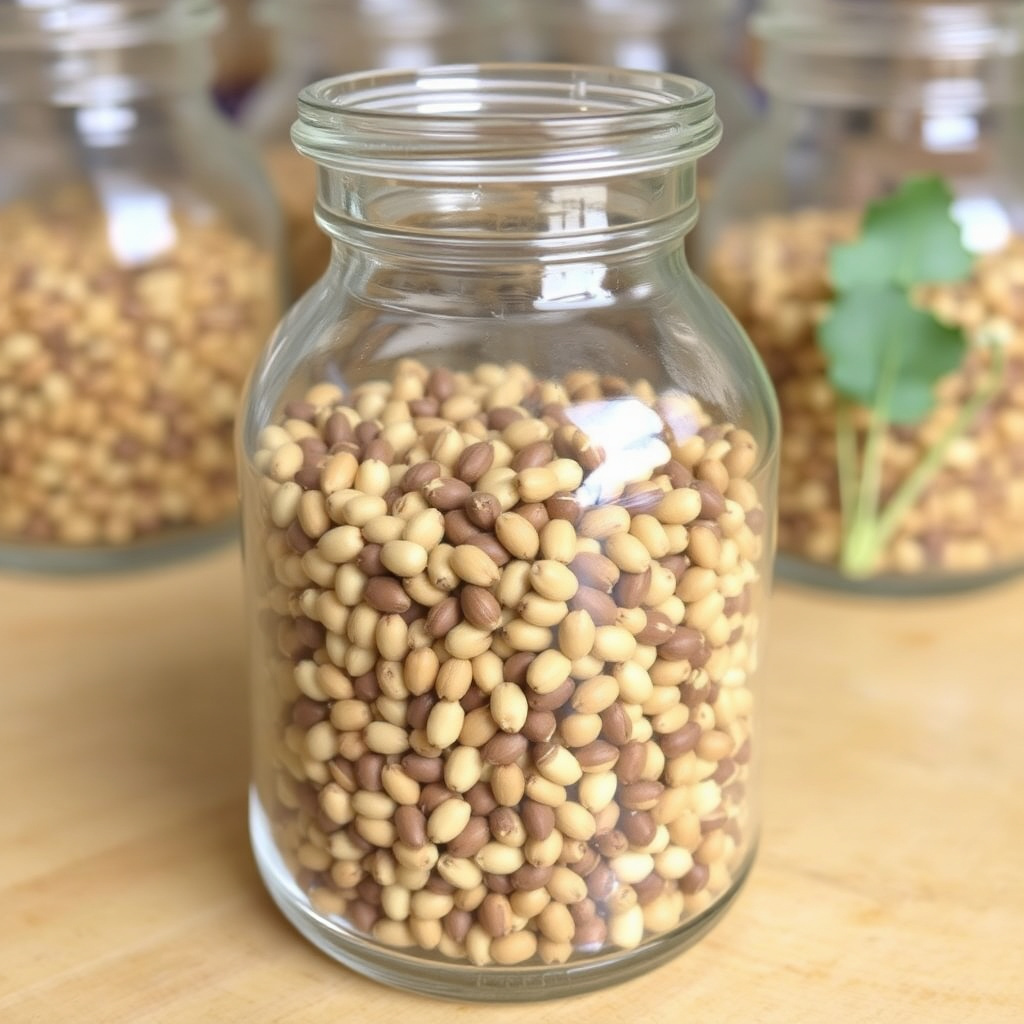
Hot Water Treatment and Chemical Soaking
Soaking seeds in hot water for a brief time can weaken tough coats, speeding germination in species like lupines or lotus. Chemicals like gibberellic acid also stimulate embryonic growth but require careful handling.
These methods effectively overcome dormancy barriers but are species-specific and should be researched before use to avoid damaging seeds.
- Use hot water at recommended temperatures
- Follow chemical instructions strictly
- Test small seed batches first
For more on this, see our related guide: How Deep to Plant Cannabis Seeds for Best Germination Results.
Cold Stratification to Break Dormancy
Simulating winter by refrigerating moist seeds for weeks mimics natural chilling cues needed by many perennial and tree seeds for faster germination once planted.
Cold stratification softens seed coats and activates enzymes, helping synchronize germination timing and improve seed sprouting methods in outdoor gardening.
- Keep seeds moist during refrigeration
- Duration varies by species, typically 30-90 days
Seed Germination Troubleshooting and Tips
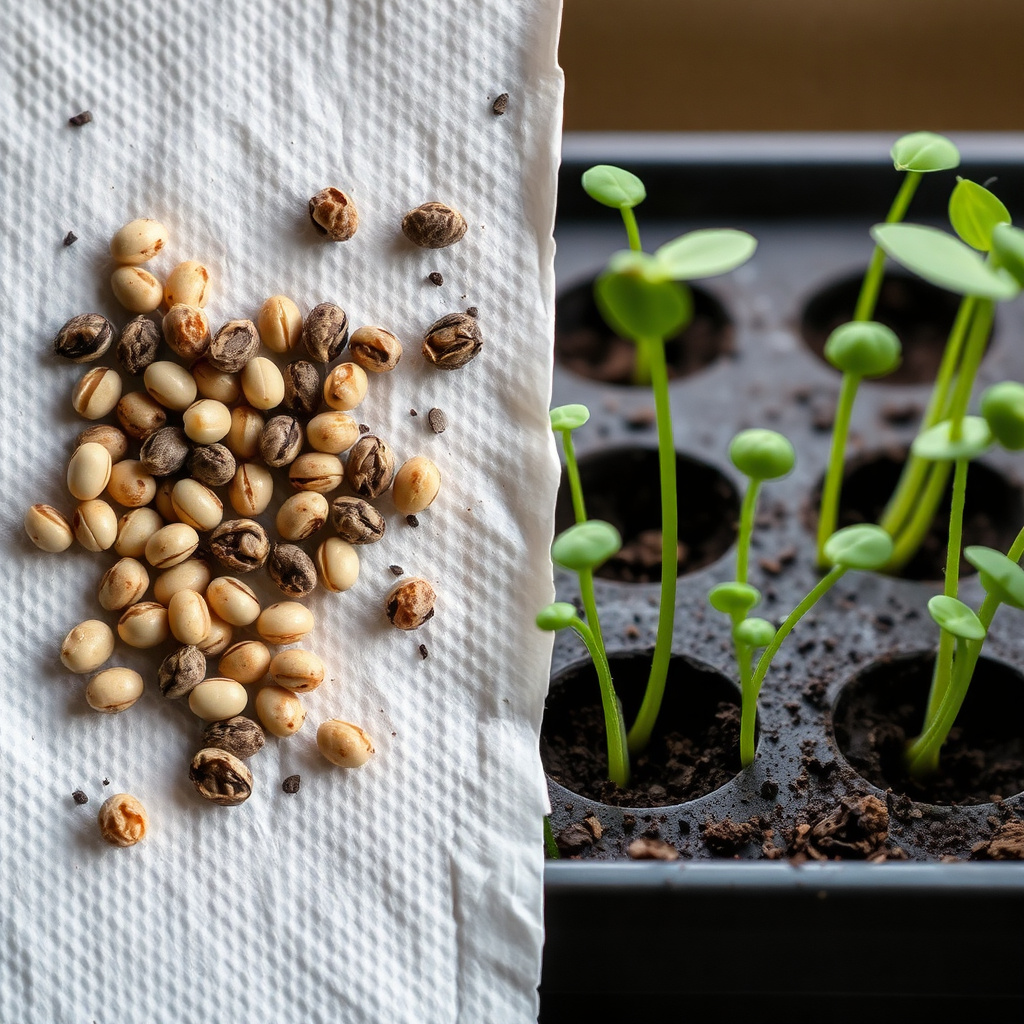
Preventing Common Issues Like Mold and Rot
Overly wet conditions or stagnant air promote fungal growth and seed rot, slowing or preventing germination. Using fungicides sparingly and improving ventilation can minimize problems.
Maintaining cleanliness with sterilized tools, fresh growing media, and proper moisture levels ensures seeds grow quickly and remain healthy through the germination phase.
- Avoid soaking seeds too long
- Use a fan or open dome vents regularly
- Apply natural fungicides when needed
For a detailed scientific explanation, you can visit this seed germination overview. seed germination overview.
Recognizing When Seeds Are Not Viable
If seeds fail to sprout after expected time frames despite ideal conditions, low viability may be the cause. Testing germination rates before large planting helps avoid wasted effort.
Sorting out viable seeds using pre-sprouting methods or float tests can improve overall success and speed in seed sprouting methods.
Seed Germination Methods Category Comparison
Here’s a comparison of popular seed germination methods highlighting speed, ease, and suitability for various seed types.
| Method | Average Germination Speed | Ease of Use | Best For |
|---|---|---|---|
| Direct Soil Planting | 7-14 days | Easy | Common garden vegetables and flowers |
| Pre-soaking Seeds | 4-10 days | Moderate | Hard-coated seeds like beans |
| Heat Mat with Humidity Dome | 3-8 days | Moderate | Most vegetable and herb seeds |
| Cold Stratification | Varies, often 30-90 days | Requires planning | Perennial and tree seeds |
| Chemical Treatment | 2-7 days | Advanced | Dormant or tough seeds |
Frequently Asked Questions
Can all seeds be soaked to speed up germination?
Not all seeds benefit from soaking; delicate seeds may rot if soaked too long. Hard-coated seeds like beans and peas respond best to soaking before planting.
How long should I keep seeds warm for faster germination?
Most seeds germinate fastest between 70-85°F. Maintaining steady warmth during germination encourages quicker sprouting without stressing the seed.
Does using a heat mat guarantee faster seed sprouting?
A heat mat helps maintain optimal soil temperature, promoting enzymatic activity and generally speeding germination, but success also depends on moisture and seed quality.
What is the benefit of pre-sprouting seeds?
Pre-sprouting allows you to test seed viability and start seeds in controlled conditions, ensuring a quicker transition to soil and more uniform germination.
How can I prevent mold when germinating seeds indoors?
Prevent mold by avoiding overwatering, ensuring good airflow, using sterilized materials, and ventilating humidity domes regularly.
Key Takeaways
- Warmth, moisture, and oxygen are essential for faster seed germination.
- Soaking and scarification benefit hard-coated seeds by accelerating water absorption.
- Using heat mats and humidity control helps maintain ideal conditions for quicker sprouting.
- Pre-sprouting seeds improves success rates and allows early detection of viable seeds.
Conclusion
Choosing the most effective method to germinate seeds faster depends on understanding your seed types and their individual dormancy characteristics. Providing consistent warmth, moisture, and proper aeration creates an environment conducive to rapid sprouting. Conditioning treatments like soaking or scarification further enhance water uptake, while controlled setups utilizing heat mats and humidity domes stabilize conditions. Combining these approaches according to seed requirements results in earlier and healthier seedling development, allowing gardeners to enjoy more successful plant growth throughout the season.
When deciding among techniques, beginners might start with straightforward methods like soaking and using a heat mat, which suits most common garden vegetables and herbs. More patient gardeners with perennials or native plants might incorporate cold stratification to break dormancy effectively. For tough or dormant seeds, experimenting with pre-sprouting or chemical treatments can markedly reduce germination time. Selecting an appropriate growing medium such as seed-starting mix or peat pellets supports steady moisture retention and root growth, complementing faster germination approaches outlined earlier.
Ultimately, testing small batches and observing seed response guides you to the right balance of treatments for your particular seeds and environment. Starting with reliable seed sprouting methods, maintaining proper warmth and moisture, and addressing issues like mold promptly will empower you to germinate seeds faster and cultivate flourishing plants. Begin with simple soaking combined with heat mats, then adjust conditions based on results, setting your garden up for early and vigorous growth.