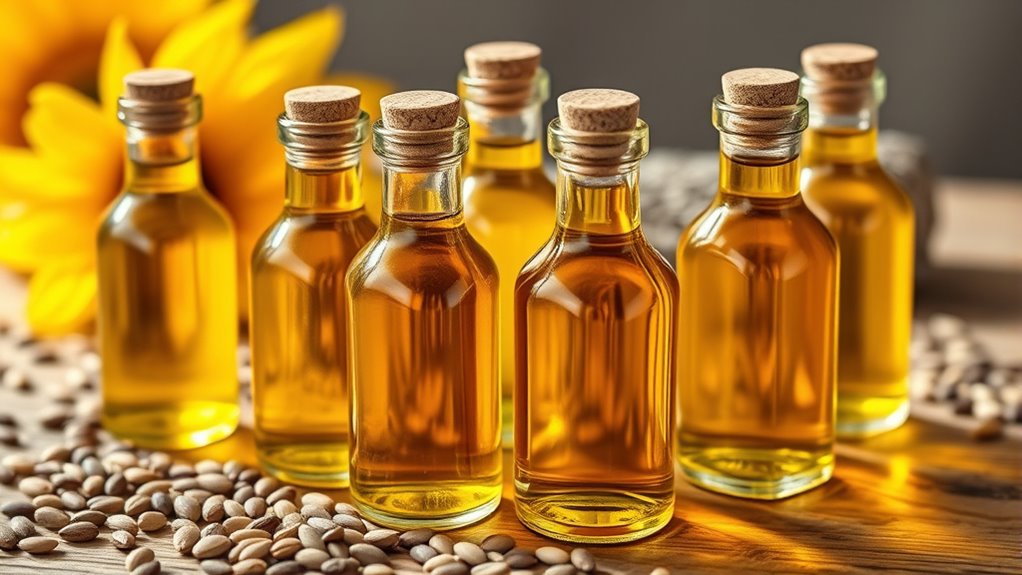
Is Seed Oil Bad for You?
Many people struggle with making healthy food choices amid a sea of processed options. One common concern is seed oils, often found in everyday foods and cooking ingredients.
Seed oils are common in many processed foods and cooking, but their high omega-6 content and processing methods can promote inflammation and impact heart health if consumed in excess.
While they offer convenience and long shelf life, overdoing it may increase risks of chronic conditions like heart disease and inflammation.
To make smarter choices, you should investigate healthier alternatives and understand how to reduce seed oils in your diet—more insights are just ahead.
Key Takeaways
- High omega-6 fatty acids in seed oils may promote inflammation if you eat too much.
- Processing methods like solvent extraction can remove good nutrients and add trans fats.
- Eating too much seed oil might raise your LDL cholesterol and increase heart disease risk.
- Better options for cooking are oils like olive or avocado that are nutrient-rich and healthier.
- Checking ingredient labels helps you spot hidden seed oils and make smarter food choices.
What Are Seed Oils and How Are They Made?
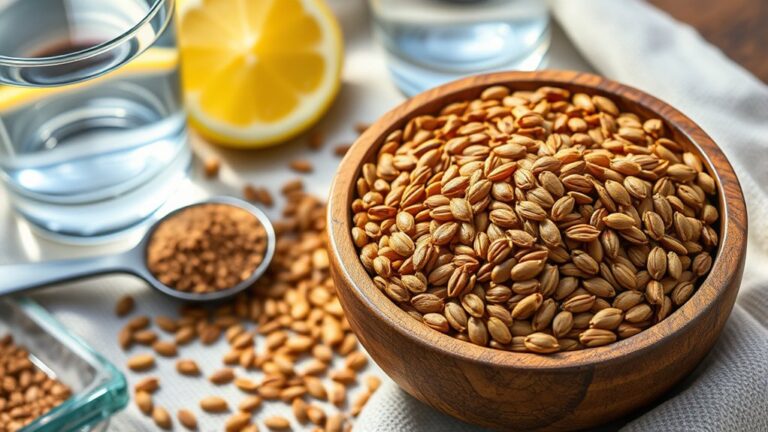
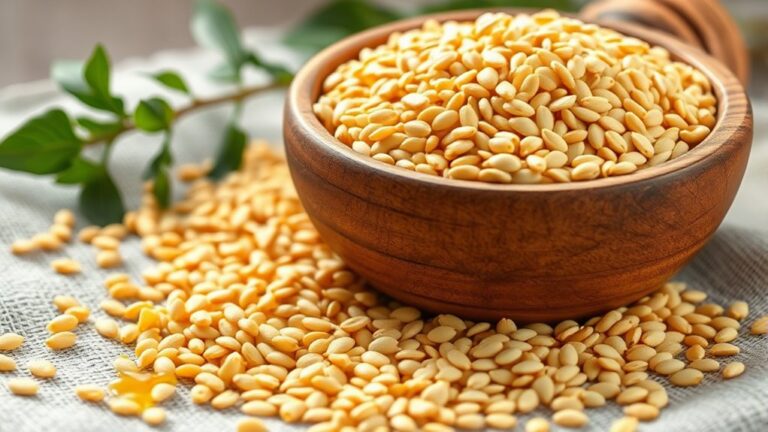
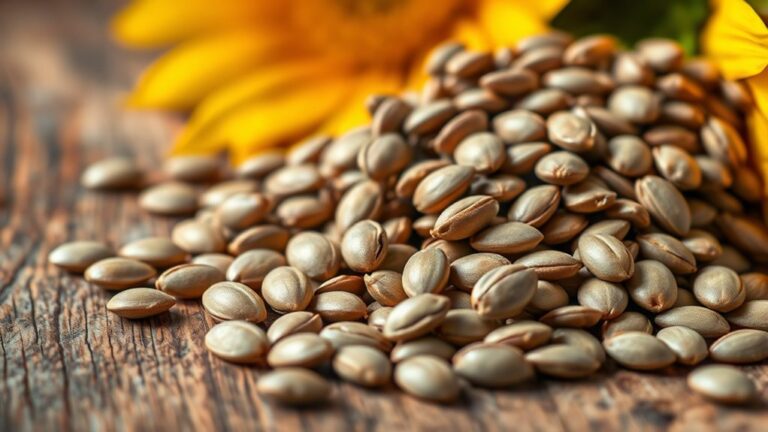
Seed oils are plant-based oils extracted from the seeds of various crops like soybeans, corn, sunflower, and canola. The process starts with cleaning, crushing, and then pressing or chemically treating the seeds to get the oil.
Cold pressing involves squeezing the seeds mechanically without heat, which helps preserve some nutrients. Solvent extraction uses chemicals like hexane to get a higher yield from the seeds.
Cold pressing preserves nutrients by squeezing seeds mechanically without heat, while solvent extraction uses chemicals for higher yield.
After extraction, the oil usually goes through refining to remove impurities. This results in a clear, odorless product. However, refining can affect the oil’s health benefits by removing good compounds and possibly introducing contaminants.
Understanding how seed oils are made helps you better grasp their composition and possible health effects. The extraction method can influence both the quality of the oil and how healthy it is when you consume it regularly.
What’s in Seed Oils and Why Does It Matter?
Understanding what’s in seed oils is essential because their composition directly impacts your health. Seed oils contain various nutrients, but their omega balance—high omega-6 and low omega-3 fats—can influence inflammation and overall well-being.
Processing methods like refining and bleaching often strip away beneficial nutrients, affecting their health implications. These oils are popular in cooking because they have a neutral flavor and a long shelf life, but they also impact the environment due to intensive farming.
Historically, seed oils gained popularity with modern dietary trends that favor convenience. This shift raises questions about their long-term effects on health.
To visualize their composition:
| Nutrients | Impact |
|---|---|
| Omega-6 fats | Promote inflammation if overconsumed |
| Vitamin E | Acts as an antioxidant, supports skin health |
| Trans fats | Possible during processing, harmful |
Knowing what’s in seed oils helps you understand their role in your diet and the broader health implications.
Do Seed Oils Cause Inflammation? What Science Says
While seed oils are popular for their neutral flavor and long shelf life, some people worry they might cause inflammation. Scientific studies show that certain parts of seed oils, like omega-6 fatty acids, can affect inflammation markers.
When you eat a lot of seed oils, it might tip your diet toward a pro-inflammatory state. This is linked to chronic health conditions. But research doesn’t definitively say seed oils cause inflammation in everyone.
The effect really depends on your overall diet and health. Some studies say high seed oil intake with poor eating habits can raise inflammation markers, while others see little impact.
The best approach is to keep your diet balanced and include different types of fats. Relying too much on seed oils isn’t ideal. By focusing on variety, you can better manage inflammation and support your overall health.
Are Seed Oils Safe for Your Heart and Cholesterol?
Are seed oils truly safe for your heart and cholesterol levels? Many people wonder if eating these oils affects heart health. Seed oils like soybean, corn, and sunflower are high in omega-6 fatty acids. While omega-6s are essential, too much can cause inflammation, which might hurt your heart over time.
Seed oils contain omega-6s, which are essential but may cause inflammation if consumed excessively.
Some studies link high seed oil intake to increased cholesterol levels, especially LDL or “bad” cholesterol. Elevated LDL can clog arteries and increase your risk of heart disease. But other research suggests replacing saturated fats with seed oils could lower overall cholesterol.
The main thing is moderation. Eating a balanced diet with healthy fats from nuts, seeds, and fish can support your heart better. So, seed oils aren’t necessarily dangerous, but overdoing it could harm your cholesterol and heart health.
Keep an eye on your total fat intake and choose a variety of healthy fats for the best results.
How Do Seed Oils Affect Chronic Diseases Like Diabetes and Cancer?
Have seed oils played a role in increasing the risk of chronic diseases like diabetes and cancer? Many experts believe they do, mainly by promoting chronic inflammation and oxidative stress. These processes damage cells and tissues, which can lead to insulin resistance, a key factor in metabolic syndrome and type 2 diabetes.
Excessive intake of seed oils, high in omega-6 fatty acids, may upset your dietary balance, favoring inflammation rather than healing. Over time, this imbalance can contribute to the development of cancer by damaging DNA and encouraging abnormal cell growth.
Consuming seed oils excessively without balancing your diet with anti-inflammatory foods can worsen these risks. To lower your chances of chronic diseases, focus on maintaining a healthy dietary balance, reducing seed oil consumption, and choosing whole, minimally processed foods.
This approach helps protect your body from the harmful effects of inflammation and oxidative stress linked to these serious health conditions.
Which Cooking Oils Are Better Than Seed Oils?
Choosing healthier cooking oils can greatly reduce inflammation and oxidative stress in your diet. Olive oil benefits include its high monounsaturated fat content and antioxidants, which support heart health.
Coconut oil has advantages thanks to its medium-chain triglycerides. These may boost your energy and metabolism. Avocado oil is versatile; it’s great for high-heat cooking and adds a mild flavor.
For butter alternatives, plant-based options like olive or avocado oil provide healthy fats without trans fats. Ghee has a high smoke point and rich flavor, making it perfect for sautéing and baking.
Nut oils like walnut or almond oil offer omega-3 fatty acids and add depth to salads or dressings. Animal fats from grass-fed beef or pork supply fat-soluble vitamins and conjugated linoleic acid.
These oils and fats are healthier alternatives to seed oils. They support overall well-being and help reduce inflammation.
Should You Cut Back on Seed Oils? Key Factors to Know
While selecting healthier fats can improve your diet, many people are questioning whether seed oils should be limited or avoided altogether. To decide if you should cut back, consider their health benefits and nutritional content.
Seed oils often contain polyunsaturated fats, which can be beneficial, but they also have high omega-6 levels that may promote inflammation if consumed excessively. Dietary guidelines recommend moderation, and cooking methods matter. Using seed oils at high heat can produce harmful compounds.
Consumer awareness about industry practices and sustainability concerns is rising, influencing personal choices. Some brands prioritize eco-friendly sourcing, aligning with personal preferences.
Ultimately, balancing seed oil intake with other healthy fats, like olive or avocado oil, fits within a mindful approach to nutrition. Evaluating your dietary habits and staying informed about their health impacts helps you make better decisions about including or reducing seed oils in your diet.
How to Reduce Seed Oil in Your Diet Easily
Want to cut back on seed oils without making things complicated? Just swap them out for healthier options like olive oil or avocado oil when you’re cooking. It’s a quick change that can make a big difference!
And don’t forget to check those labels on processed foods. Sometimes seed oils hide in places you wouldn’t expect. Taking a moment to read labels can help you avoid those sneaky oils altogether. Making these simple switches is an easy way to reduce seed oil intake without much hassle.
Swap For Healthier Oils
Switching to healthier oils is easier than you might think, and small changes can make a big difference. Instead of seed oils, try using olive oil, which offers many health benefits like healthy monounsaturated fats and antioxidants.
Olive oil can help reduce inflammation and support heart health. Alternatively, avocado oil is a great choice because it has a high smoke point and a rich nutrient profile, making it perfect for cooking at higher temperatures.
Both oils are versatile and flavorful, so you can easily replace seed oils in your salads, sautés, or drizzles. Making these simple swaps helps cut back on potentially harmful seed oils and boosts your overall nutrition.
Small, consistent changes like these can significantly improve your diet and health over time.
Read Labels Carefully
Reading labels carefully is one of the simplest ways to cut back on seed oils in your diet. By practicing label reading, you become more aware of ingredients and can spot hidden seed oils like soybean, sunflower, or canola oil.
Always check the ingredient list, not just the front label, since seed oils can be listed under different names. Prioritize products with minimal ingredients and avoid those containing processed oils.
Developing ingredient awareness helps you make smarter choices and reduces your seed oil intake effortlessly. This habit also encourages you to investigate healthier alternatives.
Making small, consistent changes through label reading can greatly impact your health, helping you avoid unnecessary seed oils and opt for better fats.
Healthy Alternatives to Seed Oils for Cooking
When looking for healthier cooking oil options, there are plenty of alternatives that offer good flavor and nutrition without the potential downsides of seed oils. You can pick oils that match your cooking style, flavor preferences, and heat needs.
For instance, extra virgin olive oil gives a rich flavor and health benefits, making it great for dressings or cooking at low to medium heat. Avocado oil has a high smoke point, so it’s perfect for sautéing or frying.
Coconut oil adds a distinct flavor and stays stable at high temperatures, while nut oils bring unique tastes for finishing dishes. Storing your oils in a cool, dark place helps keep them fresh and preserves their nutrients.
You can find quality options at organic markets, local producers, or bulk stores. Choosing the right oil depends on your cooking methods and flavor preferences.
What Do Experts Say About Seed Oils and Your Health?
Experts have raised questions about the health implications of seed oils, prompting many to reconsider their place in a balanced diet. While some believe seed oils can be part of healthy eating, others point to concerns about their nutritional profiles and long-term effects.
Expert opinions often cite inflammation studies, linking high consumption of seed oils to increased inflammation. This can affect heart health and contribute to chronic conditions.
High seed oil consumption may increase inflammation, impacting heart health and raising risk for chronic conditions.
The oil processing methods, such as refining and bleaching, may strip away beneficial nutrients and introduce harmful compounds. In terms of cooking techniques, experts recommend moderation and variety.
They suggest choosing oils with better stability and nutritional value. Dietary guidelines emphasize a balanced intake of fats, focusing on whole foods and minimally processed oils.
Ultimately, understanding the health implications of seed oils depends on how they fit into your overall diet, lifestyle, and health goals.
Frequently Asked Questions
Are All Seed Oils Equally Harmful or Are Some Safer Than Others?
Not all seed oils are equally harmful; some offer nutritional benefits while others may pose health risks. Oils like flaxseed and chia provide omega-3 fatty acids, which are good for you.
On the other hand, highly processed oils like soybean or corn go through extensive extraction methods, often involving chemicals. When choosing seed oils, it’s helpful to consider how they’re made and what nutrients they contain.
Opt for minimally processed oils whenever possible. This way, you can maximize the benefits and reduce potential health concerns.
Can Seed Oils Be Linked to Specific Types of Cancer?
Studies suggest that seed oils may be linked to certain cancers due to seed oil carcinogens and their role in promoting inflammation.
For example, research indicates that high intake of seed oils can increase inflammatory responses, which are associated with cancer development.
Since seed oils are often rich in omega-6 fatty acids, your body may respond with an inflammatory response, potentially raising your risk for specific types of cancer over time.
How Do Seed Oils Impact Gut Health and Digestion?
Seed oils can impact your gut health by influencing the gut microbiome, which plays an essential role in digestion. They may disrupt the balance of beneficial bacteria, leading to inflammation or digestive issues.
Moreover, seed oils can affect your production of digestive enzymes, making it harder for your body to break down food efficiently. To support ideal digestion, consider moderating seed oil intake and focusing on nutrient-dense, whole foods.
Are Organic Seed Oils Less Harmful Than Conventional Ones?
Yes, organic seed oils are generally less harmful than conventional ones. You’ll find that organic options often avoid harmful pesticides and chemicals, reducing potential health risks.
While both types contain similar fats, organic seed oils usually go through fewer processing steps, which helps preserve more nutrients.
Choosing organic is a healthier, more holistic choice that supports better well-being and helps you avoid unwanted additives or contaminants.
What Are the Long-Term Effects of Consuming Seed Oils Regularly?
Consuming seed oils regularly may impact your health over time, especially if they promote inflammation. These oils often have a high omega-6 fatty acid content, which can throw off your body’s natural inflammation response and potentially lead to chronic conditions.
While they do provide some nutritional value, like vitamin E, overdoing it might raise your risk of heart disease and other issues related to inflammation. Moderation is key to maintaining long-term health.
Conclusion
So, now you’re faced with a choice—keep using seed oils or explore healthier options. The truth is, the science isn’t crystal clear, and your decision could impact your health in ways you haven’t even considered.
Are you ready to dig deeper and find out what truly works for your body? The next step might just change how you see your diet forever.
Stay curious—you never know what you might reveal about seed oils and your health.