Do You Eat Pumpkin Seed Shells for Benefits?
Many people struggle with finding simple ways to boost their fiber intake and improve digestion. If you’re looking for a natural, nutritious snack, you’re not alone.
Pumpkin seeds are a popular choice, and you might be wondering if eating the shells is beneficial.
Yes, you can eat pumpkin seed shells to boost your fiber intake and improve digestion since they’re packed with fiber, antioxidants, and minerals like magnesium and zinc.
Roasting the shells makes them easier to chew and digest, but make sure they’re clean and properly prepared.
While some might find the tough shells challenging, experts say they’re safe in moderation.
Keep exploring to uncover the best ways to enjoy them safely and gain maximum benefits.
Key Takeaways
- Pumpkin seed shells are packed with fiber, antioxidants, and minerals, which can offer some health benefits when you eat them.
- When properly roasted and cleaned, shells can help improve digestion and support your gut health.
- Just make sure to chew the shells thoroughly to avoid any digestive discomfort or blockages.
- They’re safe to eat if processed correctly, but remember, moderation is key because they can be tough to chew.
- Some people prefer shelled seeds, while others like the shells for the extra fiber benefits—it’s really a personal choice.
What Are Pumpkin Seed Shells and Are They Edible?
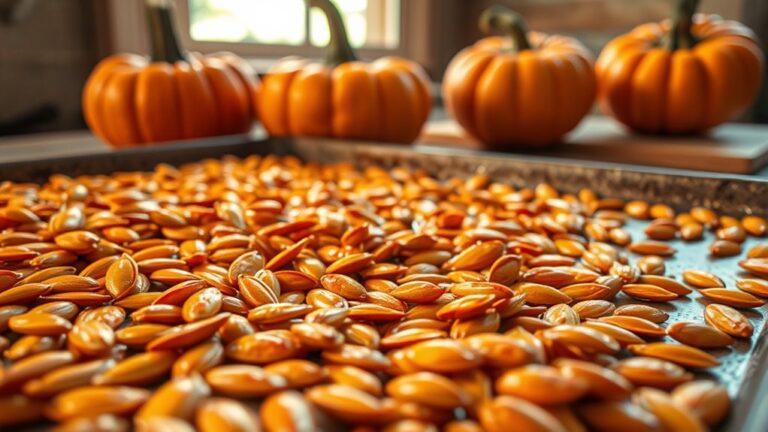
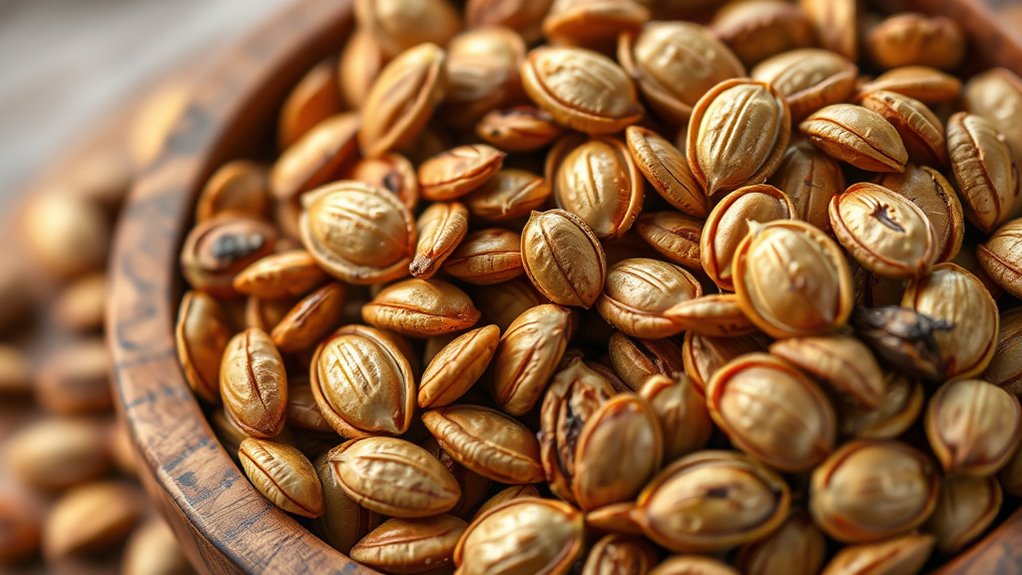
Pumpkin seed shells are the hard outer coverings that encase the nutritious kernels inside the pumpkin seed. These shells vary across different pumpkin seed varieties, ranging from thin and tender to thick and crunchy.
While some people discard the shells, others believe they offer additional benefits. Shell nutrition is a key reason to consider eating them, as they contain fiber, antioxidants, and minerals that support your health.
Not all pumpkin seed shells are created equal. Some are easier to chew and digest, making them more suitable for snacking. You might wonder if the shells are edible, and the answer depends on the seed type.
Generally, many pumpkin seed shells are safe to eat if they are clean and processed properly. They can add texture and extra nutrients to your diet when consumed in moderation.
Be sure to select the right pumpkin seed varieties to maximize both flavor and shell nutrition.
Are Pumpkin Seed Shells Safe to Eat? Key Safety Considerations
Are pumpkin seed shells safe to eat? Shell consumption can raise some safety concerns, especially related to digestion. While the shells are edible, they’re tough and fibrous, which might cause digestive discomfort or blockages if you eat a lot of them.
Eating pumpkin seed shells can cause digestive issues; moderation and thorough cleaning are recommended.
If you have digestive issues like sensitive stomachs or irritable bowel syndrome, eating the shells could make your symptoms worse or cause discomfort. Chewing the shells well can help make them easier to digest, but it might still be risky for some people.
Also, unprocessed shells might have residues or contaminants, so it’s important to make sure they’re clean before eating. Ultimately, moderation is key. If you’re unsure about eating the shells, it’s best to check with a healthcare professional, especially if you have digestive concerns.
Eating pumpkin seed shells isn’t inherently unsafe, but you should consider your digestive health and how much you plan to consume.
What Are the Nutritional Benefits of Pumpkin Seed Shells?
Pumpkin seed shells are actually a pretty good source of dietary fiber. That means they can help support your digestion and keep you feeling full longer, which is always a plus.
Plus, they’re packed with antioxidants, which are great because they can help protect your cells from damage. And it doesn’t stop there—those shells also contain important minerals like magnesium and zinc, which can give your overall health a nice boost.
Rich in Dietary Fiber
The shells of pumpkin seeds are a great source of dietary fiber, which is key for good digestion. Eating fiber helps keep your bowel movements regular and prevents constipation.
When you include pumpkin seed shells in your diet, you’re supporting a healthy gut environment and reducing digestive discomfort. The fiber adds bulk to your stool, making waste easier to pass.
This not only helps with digestion but also helps control blood sugar levels and lower cholesterol. You can add these shells to snacks or meals to naturally boost your fiber intake and support your digestive health.
High in Antioxidants
In addition to their fiber content, pumpkin seed shells pack a powerful antioxidant punch. These shells contain natural antioxidant properties that help fight free radicals in your body, potentially reducing oxidative stress.
By neutralizing harmful molecules, they contribute to overall health benefits. The antioxidants in pumpkin seed shells may support your immune system, lower inflammation, and protect your cells from damage.
Adding these shells to your diet can boost your body’s ability to defend against chronic diseases linked to oxidative damage. Their high antioxidant content makes them a valuable part of a health-conscious lifestyle.
Although often overlooked, pumpkin seed shells offer a natural way to increase your intake of protective compounds. They support longevity and overall wellness.
Contains Essential Minerals
Pumpkin seed shells are packed with essential minerals that boost your overall health. They offer big mineral benefits, making your diet more nutritious.
These shells contain magnesium, which helps support muscle function and energy production. They also have zinc, important for your immune health and healing.
Iron in the shells can help prevent anemia by aiding oxygen transport. Phosphorus promotes strong bones and teeth, keeping you feeling solid.
Plus, trace minerals like manganese and copper play roles in enzyme functions and antioxidant defenses. Eating pumpkin seed shells can naturally increase your mineral intake.
Adding them to your snacks is an easy way to boost nutrition without much effort. Their mineral content helps keep your body’s vital processes running smoothly and supports your overall well-being.
How Do Pumpkin Seed Shells Affect Your Digestive Health?
Although pumpkin seed shells are often overlooked, they can play a big role in your digestive health. Their high fiber content offers noticeable benefits, helping your system run smoothly.
The fiber adds bulk to your stool, which can prevent constipation and promote regular bowel movements. It also supports the growth of healthy gut bacteria, boosting overall digestion.
Plus, fiber helps regulate blood sugar levels and lowers cholesterol, which is good for your heart. But keep in mind, the shells are tough and can be hard to digest for some people.
Incorporating pumpkin seed shells into your diet can improve gut function, but moderation is key to avoid discomfort or digestive issues. Overall, including these shells can increase your fiber intake and support a healthy, efficient digestive system.
How to Prepare and Eat Pumpkin Seed Shells Safely
To enjoy pumpkin seed shells safely, start by thoroughly cleaning and drying them to remove any leftover pumpkin flesh and impurities. Rinse the shells under cold water and dry them completely, either by air drying or in a low-temperature oven.
Once dry, you can choose to roast the shells for extra flavor and easier eating. Roasting can make the shells more palatable and easier to chew. Just keep in mind that some preparation methods might affect how easily your body digests them.
Roasting pumpkin seed shells enhances flavor and makes them easier to chew and digest.
Eating too many unprocessed shells can cause discomfort or digestive issues, so moderation is key. Begin with small amounts to see how your body reacts before consuming larger portions.
Avoid eating shells that are moldy or have an off smell. Proper preparation helps ensure you’re consuming shells safely while maximizing potential benefits without risking digestive discomfort.
Should You Include Pumpkin Seed Shells in Your Diet? Pros and Cons
Including pumpkin seed shells in your diet is really a personal choice, but it’s good to weigh the benefits against any downsides.
Shells are packed with fiber, which can help with digestion and make you feel full longer. But some people might find the tough shells hard to digest or could experience discomfort if they eat a lot.
If you like whole foods and natural textures, shells might be appealing. But if you prefer smooth, easy-to-eat snacks, they might not be your best bet.
Also, think about the extra calories and the risk of choking or stomach issues. Ultimately, whether to include pumpkin seed shells depends on your health needs and eating habits.
Talking to a healthcare professional or nutritionist can help you figure out if adding shells fits your dietary goals.
The Best Ways to Enjoy Pumpkin Seed Shells for Maximum Benefits
You can actually enjoy pumpkin seed shells by adding them to your favorite snacks for a little extra crunch and some healthy benefits. Roasting the shells can really bring out their flavor, making them a tasty and satisfying snack all on their own.
Why not have some fun experimenting with different seasonings? A dash of salt, some chili powder, or even a sprinkle of cinnamon can turn them into a flavor-packed treat. Plus, customizing the seasonings helps you enjoy their benefits in a way that suits your taste buds perfectly.
Incorporate Into Snacks
Adding pumpkin seed shells to your snacks is an easy way to boost their nutritional value while satisfying your crunchy cravings. You can incorporate them into homemade trail mixes or sprinkle them over yogurt and salads for added texture.
Pumpkin seed snacks, like roasted seeds, can be seasoned with flavorful toppings such as herbs, spices, or a touch of sea salt, enhancing both taste and health benefits. Using the shells as toppings preserves their fiber content, supporting digestion and fullness.
Keep in mind, enjoy these crunchy additions without overdoing it. Moderation is key. Incorporating pumpkin seed shells into your snacks is a simple, tasty way to maximize their nutrients and make your snacks more satisfying and healthful.
Roast for Enhanced Flavor
Roasting pumpkin seed shells brings out a richer, nuttier flavor that makes them more enjoyable to eat. To get the most flavor, try different roasting techniques like dry roasting or tossing them with salt and spices before roasting.
Proper temperature and timing are key—aim for 350°F (175°C) for about 10-15 minutes, stirring occasionally. This helps intensify the natural flavors and creates a crispy texture.
Use the table below to explore different methods:
| Roasting Technique | Flavor Improvements |
|---|---|
| Dry roasting | Keeps shells pure and nutty |
| Oil-based roasting | Adds richness and crunch |
| Spiced roasting | Infuses with cinnamon or chili |
| Salted roasting | Boosts savory flavor |
| Sweet roasting | Drizzle honey for sweetness |
Experiment to find your favorite flavor profile!
What’s the Difference Between Shelled and Unshelled Pumpkin Seeds?
The main difference between shelled and unshelled pumpkin seeds is their outer coverings. Shelled seeds are the edible kernels you often see in snack bags or trail mixes, with the shell already removed.
This makes them convenient for snacking and easy to add to recipes. They also digest quickly and require less prep.
Unshelled pumpkin seeds still have their hard shells intact. These shells add extra fiber and nutrients, which some people prefer for their health benefits.
While shelled seeds are more convenient to eat, unshelled seeds require you to crack open the shells. That can take more time and effort.
Both types are nutritious, but your choice depends on whether you want quick snacks or the added fiber and nutrients from the shells. Knowing these differences helps you pick the best pumpkin seeds for your needs.
Debunking Common Myths About Pumpkin Seed Shells
Many people believe pumpkin seed shells are tough, indigestible, or even harmful, but these assumptions aren’t accurate. This is a prime example of myth busting around shell benefits.
First, some assume shells are too hard to digest, but in reality, they contain fiber that aids digestion and promotes gut health.
Second, many think shells are a choking hazard, yet when properly consumed, they’re safe and provide additional nutrients.
Finally, some believe eating shells offers no benefits—nothing could be further from the truth. Shells contain antioxidants, fiber, and minerals that boost overall health.
Recognizing these misconceptions helps you see the true value of pumpkin seed shells. By dispelling these myths, you can better appreciate their potential shell benefits and consider including them in your diet confidently.
Myth busting like this encourages informed choices, ensuring you don’t miss out on the nutritional perks hidden within those shells.
What Do Experts Say About Eating Pumpkin Seed Shells?
Experts generally agree that pumpkin seed shells are safe to eat when prepared properly, and they highlight several nutritional benefits. Shell consumption can boost your intake of dietary fiber, which helps digestion and keeps you feeling full.
Experts say properly prepared pumpkin seed shells are safe and boost fiber intake for better digestion and fullness.
Many studies emphasize the pumpkin benefits, noting that the shells contain antioxidants and healthy fats that support heart health. While some people worry about the texture or digestibility, experts say that when the shells are thoroughly cleaned and roasted, they become a crunchy, nutritious snack.
It’s important to note that not all shells are created equal. Organic and properly prepared shells are the safest choices. Eating pumpkin seed shells can be a good way to maximize nutrient intake without sacrificing flavor.
However, if you have digestive issues or concerns about roughage, it’s best to talk to a healthcare professional before adding shells to your diet. Overall, shell consumption in moderation can support your health goals by adding extra fiber and nutrients.
Frequently Asked Questions
Do Pumpkin Seed Shells Contain Any Harmful Substances?
Pumpkin seed shells generally don’t contain harmful substances, but they do have a high fiber content that could cause digestive discomfort if eaten in large amounts.
While their nutritional content is beneficial, some potential toxins or contaminants might be present if the seeds aren’t properly processed. It’s best to consume shells in moderation and opt for well-cleaned, roasted seeds to maximize health benefits and minimize any risks.
How Do Pumpkin Seed Shells Impact Long-Term Health?
Eating pumpkin seed shells is like planting seeds for your future health; they can boost nutritional value and support digestion.
Over the long term, they may improve gut health and provide fiber, but eating too much could cause digestive discomfort.
Are There Specific Pumpkin Varieties With Softer Shells?
Yes, some pumpkin varieties have softer shells, making them easier to eat and digest. Soft shell types, like certain heirloom or specialized farming varieties, offer similar nutritional benefits without the tough exterior.
Can Pumpkin Seed Shells Cause Allergies or Sensitivities?
While pumpkin seed shells can be a tasty addition, they might sometimes cause subtle issues for sensitive folks. If you notice pumpkin allergy symptoms or seed sensitivity reactions, it’s best to be cautious.
These shells contain compounds that could trigger mild allergies or sensitivities. To stay safe, consider eating shelled seeds instead.
And if you notice any adverse reactions, it’s a good idea to consult a healthcare professional. Your well-being is always the top priority.
What Are the Environmental Impacts of Consuming Pumpkin Seed Shells?
Eating pumpkin seed shells can positively impact the environment by reducing waste and supporting sustainability. When you eat the shells, you help cut down on agricultural waste, making resource use more efficient.
This practice encourages waste reduction and promotes eco-friendly habits. Just be aware of potential digestion issues, and try to source organic shells to avoid environmental toxins.
Your mindful choices can really contribute to a healthier planet.
Conclusion
If you’re curious about eating pumpkin seed shells, keep in mind that moderation and proper preparation are key. While they can offer nutritional benefits, they also pose safety considerations, so always listen to your body.
As the saying goes, “Don’t bite off more than you can chew.” Start small, stay informed, and enjoy the potential health perks responsibly.
With the right approach, pumpkin seed shells can be a beneficial addition to your diet. Just remember to be cautious and mindful of how your body reacts.