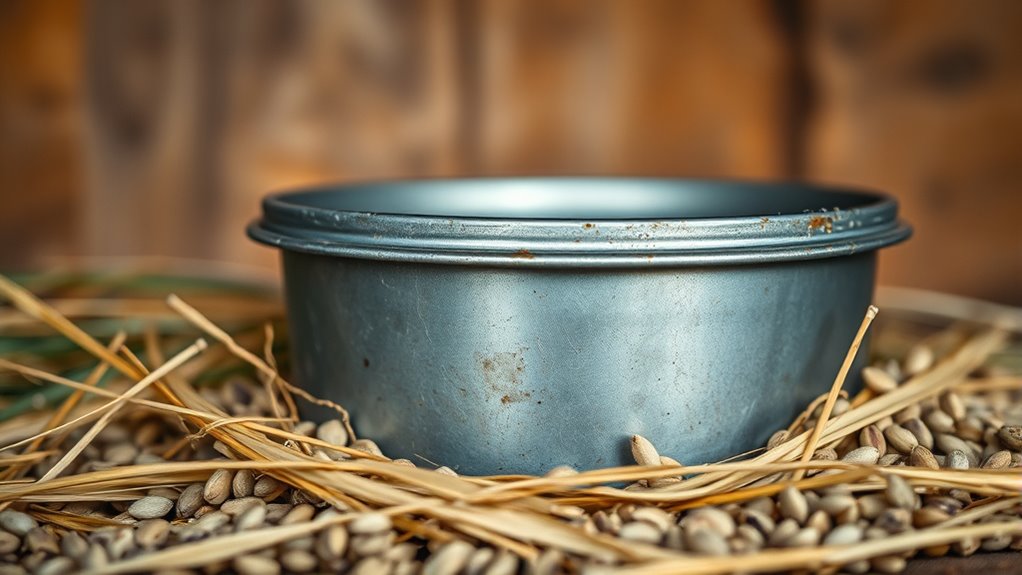
How Long Does Grass Seed Last for Storage?
Are you tired of planting grass seed only to find it doesn’t sprout later? You’re not alone—many people struggle with keeping their grass seed viable over time. Proper storage is key to ensuring your seeds stay fresh and ready to grow when you need them.
Grass seed usually lasts between one and five years if stored properly, but its ability to germinate declines over time. To keep your seeds viable, store them in airtight containers in a cool, dark place with low humidity.
Avoid exposing them to heat, moisture, or light, which can damage the seed quality.
If you want to learn how to tell if your seeds are still good and extend their shelf life, keep exploring these storage tips.
Key Takeaways
- Grass seed usually lasts between 1 and 5 years if stored properly.
- Fresh seeds tend to germinate better and should be kept in airtight, cool, dark places.
- Exposure to moisture, heat, and light can really cut down their viability over time.
- It’s a good idea to test germination every now and then; if viability drops below 70-80%, it’s time to get new seeds.
- Using proper containers and keeping storage conditions stable can help extend the seed’s shelf life and effectiveness.
How Long Does Grass Seed Last in Storage?
Grass seed can last quite a while if stored properly, but its viability decreases over time. Different grass seed varieties have varying shelf lives, usually between one and five years.
Proper storage extends grass seed viability, but germination ability declines over time.
To get the most out of your seed, store it in the right containers. Airtight, opaque containers are best because they protect seeds from moisture, light, and air, which can cause damage.
Avoid using flimsy or transparent containers since they expose seeds to elements that can harm them. Proper storage conditions—cool, dry, and dark—also help keep seeds viable longer.
Be sure to label your containers with the seed type and storage date so you can keep track of freshness. Some seeds may last beyond their expected lifespan, but most will gradually lose their ability to germinate after a few seasons.
Investing in quality seed storage containers and maintaining ideal conditions is key to extending your grass seed’s life and ensuring good germination when you need it.
What Factors Affect Grass Seed Longevity?
The lifespan of your grass seed really depends a lot on how good the quality is and how fresh it is when you pick it up. If you buy fresh seed and it’s high quality, you’re already off to a good start.
But don’t forget, how you store that seed matters just as much. Poor storage conditions, like exposing it to moisture, heat, or direct sunlight, can really cut down its viability over time. So, keeping your seed in a cool, dry, and dark place is key.
Getting these factors right will help make sure your seed stays healthy and germinates nicely when you’re ready to plant.
Seed Quality and Freshness
In regard to ensuring your grass seed sprouts successfully, seed quality and freshness play crucial roles. High seed viability means the seeds are healthy and capable of germinating, which directly affects their longevity.
Freshness indicators include the seed’s age, appearance, and storage history. Older seeds tend to lose vitality, reducing their germination rates.
Look for seeds that are plump, dry, and uniform in color, as these are signs of good quality. Avoid seeds that are shriveled, discolored, or dusty, as these suggest poor condition or age.
Maintaining high seed quality and choosing fresh seeds improve your chances of a lush, healthy lawn. Remember, even the best seed can’t perform well if it’s past its prime or compromised in quality.
Storage Environment Conditions
Proper storage conditions are key to maintaining seed viability over time. Keep grass seed in a cool, ideal temperature around 50-60°F to prevent premature deterioration.
Maintaining optimal humidity levels below 8% helps keep seeds dry and prevents mold or rot. Use airtight storage containers or sealed seed packaging to protect against moisture and pests.
Keep seeds in a dark place to avoid light exposure, which can decrease germination rates. Pest prevention is critical; ensure containers are sealed tightly and stored away from rodents and insects.
Properly stored seeds will retain their viability longer. Focus on creating a stable environment that minimizes temperature fluctuations and exposure to damaging elements.
This approach enhances seed longevity and guarantees healthy germination when you’re ready to plant.
How to Store Grass Seed Properly to Maximize Shelf Life
To keep grass seed viable for as long as possible, storing it correctly is essential. Start by choosing the right seed packaging—airtight, moisture-proof bags or containers help prevent exposure to humidity and air, which can shorten seed life.
Transfer seed from its original packaging into sturdy storage containers if necessary, making sure they’re clean and dry. Use airtight containers made of plastic or metal to keep out moisture and pests.
Label your containers clearly with the seed type and purchase date so you can track freshness. Store the containers in a cool, dark, and dry place, like a basement or closet.
Keep them away from direct sunlight or fluctuating temperatures. Avoid areas with high humidity or temperature swings, which can damage seed quality.
Proper storage protects your seed from environmental stressors, helping it stay viable longer and ensuring better germination when you’re ready to plant.
How Can You Tell If Your Stored Grass Seed Is Still Good?
Wondering if your stored grass seed is still viable? The best way is through seed viability testing, which estimates germination rates. You can do a simple test at home by placing a few seeds on a damp paper towel, keeping them moist, and waiting 7-14 days.
If most seeds sprout, your seed is still good. If not, it might be time to consider replacements.
Here’s a quick reference:
| Test Method | What It Tells You |
|---|---|
| Germination test | Actual germination rate and viability |
| Visual inspection | Looks healthy, free from mold or damage |
| Float test | Seeds sinking are usually viable; floating may indicate poor quality |
Using these methods helps you determine seed viability without guessing, so your grass can grow strong and healthy.
How Do Climate and Storage Conditions Impact Grass Seed Durability?
Your grass seed’s durability really depends on how you store it. If you keep it in a hot or humid place, it can lose its ability to germinate pretty fast. High temperatures can lower the chances of your seed sprouting, and too much moisture can cause mold and make it decay faster.
To keep your seed in good shape, it’s best to store it somewhere cool and dry, away from direct sunlight. That way, you’ll give your grass seed the best chance to stay viable and grow strong when you’re ready to plant.
Temperature’s Effect on Viability
Temperature plays an essential role in maintaining grass seed viability because extreme heat or cold can speed up seed deterioration. Exposure to temperature extremes during storage can also break seed dormancy too early, which lowers germination chances later on.
High temperatures make metabolic processes speed up, causing seeds to age faster and lose energy. On the other hand, very cold temperatures can damage seed cells, especially if they freeze and thaw repeatedly.
To keep seeds viable longer, store them in stable, cool conditions—ideally between 32°F and 41°F (0°C and 5°C). Avoid temperature fluctuations, as they can weaken seed quality over time.
Proper temperature management helps keep seeds dormant until you’re ready to plant. This leads to higher germination rates and healthier grass growth when the time comes.
Humidity and Seed Longevity
Humidity levels have a big impact on grass seed longevity because too much moisture can lead to mold growth and faster seed deterioration. When humidity is high, seeds can rot and their germination rates drop over time. So, it’s really important to keep storage conditions in check to make seeds last longer.
Store seeds in airtight containers to keep moisture out. Also, make sure the storage area is dry and has good ventilation. Avoid places like basements or outdoor sheds that tend to be humid. Using silica gel packets or desiccants can help absorb any excess moisture.
Storage Expectations for Common Types of Grass Seed
Different types of grass seed have specific storage needs to keep them viable over time. Proper storage depends on the grass seed type and packaging.
Cool-season grasses like Kentucky bluegrass and fescues last longer in cool, dry conditions. Warm-season grasses like Bermuda and Zoysia prefer warmer environments. Airtight containers or sealed bags help prevent moisture and pests.
| Grass Seed Type | Ideal Storage Conditions | Expected Shelf Life |
|---|---|---|
| Kentucky Bluegrass | Cool, dry, dark place | 2-3 years |
| Bermuda | Warm, dry, well-ventilated | 1-2 years |
| Fescue | Cool, dry, airtight packaging | 2-3 years |
| Zoysia | Warm, moisture-controlled | 1-2 years |
Knowing these details helps you keep your seed viable longer, so your lawn looks great when you’re ready to plant.
How to Test Your Grass Seed’s Germination Potential
Ever wondered if your stored grass seed is still viable before planting? A simple germination test can help you figure that out and save you time on seeds that won’t grow.
Take about 100 seeds and follow these easy steps: Place the seeds between moist paper towels or in a shallow container with damp soil. Keep everything in a warm, steady spot, ideally around 65-75°F.
Check the seeds daily, making sure they stay moist but not waterlogged. Count how many sprout within the germination period listed on the seed packet.
If fewer than 70-80% of the seeds sprout, it’s probably best to replace or re-seed with fresh seeds. This test gives you a good idea if your stored grass seed is still worth planting.
Common Mistakes That Shorten Grass Seed Shelf Life
Many common mistakes can greatly reduce the shelf life of your grass seed, leading to poor germination and wasted money. One major error is improper seed packaging. Storing seed in non-airtight containers exposes it to humidity and temperature changes that can degrade quality.
Moisture control is vital. Exposing seed to damp conditions encourages mold and reduces viability. Avoid leaving seed in unsealed plastic bags or in humid areas like garages or sheds.
Storing seed in warm environments speeds up deterioration, so keep it in a cool, dry place. Ignoring these storage essentials can shorten the seed’s effectiveness over time.
Always use airtight containers designed for seed storage and check that the packaging keeps out moisture. By maintaining proper packaging and moisture control, you maximize your grass seed’s shelf life.
This ensures better germination when you’re ready to plant.
How Long Can You Keep Grass Seed Before It Becomes Ineffective?
Proper storage practices can really extend how long your grass seed stays good, but even in the best conditions, seed doesn’t last forever. Usually, grass seed remains effective for about 1 to 3 years if stored properly.
Things like humidity, temperature, and seed quality all play a role in how long it stays viable. To check if your seed is still good, you can do a simple seed viability test before planting.
Using airtight containers helps protect your seed from moisture and pests, which keeps it in better shape longer. Just keep in mind that after a certain point, the germination rate drops, making the seed less effective.
Regularly testing your seed’s viability is a smart way to avoid wasting time and effort on seed that won’t sprout. Proper storage can make seed last longer, but it’s always best to check it periodically to make sure it’s still good before planting.
Tips for Discarding Old or Unsuitable Grass Seed Safely
When you’re looking to get rid of old or damaged grass seed, the first thing you want to do is look for any signs that it’s no longer good. Things like mold, discoloration, or clumping are good indicators that it’s time to toss it out.
Now, don’t just throw it in your compost or trash without thinking. It’s best to follow proper disposal methods to keep everything safe and avoid contamination. This way, you’re being responsible and making sure your yard and environment stay healthy.
Identifying Old or Damaged Seed
When inspecting grass seed for planting, it’s important to spot signs of age or damage that can affect germination. Look for seed discoloration, which can show that the seed is old or moldy, and watch out for moisture damage, like clumping or a musty smell.
Damaged seeds might not sprout at all or could introduce disease to your lawn. Keep an eye out for seeds that feel soft, spongy, or sticky, as well as those with a moldy or sour odor.
Seeds that clump together or feel damp should be discarded. Doing so helps ensure you only plant healthy, viable seed for better germination.
If you notice these signs, it’s best to toss out the seed. Choosing good seed saves time and effort and leads to a healthier lawn.
Proper Disposal Methods
Disposing of old or damaged grass seed properly is important to stop mold or disease from spreading in your yard. The best way is to use eco-friendly methods, like composting, if the seed is still good and free of contaminants.
If the seed is old, moldy, or damaged, it’s safer to toss it in the trash instead of composting. To do this responsibly, put the seed in a sealed bag so spores don’t spread. Avoid throwing it directly on your lawn or garden to prevent unwanted germination or disease.
Proper disposal helps keep your yard healthy and protects the environment. Always follow your local waste disposal rules, and choose eco-friendly options whenever you can.
Frequently Asked Questions
Can Grass Seed Be Stored in the Freezer for Longer Shelf Life?
Yes, storing grass seed in the freezer can help extend its shelf life. The cold slows down seed deterioration and can also kill mold or pests that might be present.
To keep the seed in good shape, make sure to control moisture by sealing it in airtight containers. This prevents mold growth and keeps the seed viable for longer.
Just remember to let the seed thaw slowly before planting. Avoid frequent temperature changes that could damage the seed’s quality.
Does Packaging Type Influence Grass Seed Longevity?
Yes, packaging type really affects how long grass seed stays good. Using materials with moisture barriers helps protect seeds from humidity and pests, keeping them viable longer.
Airtight containers or sealed bags stop moisture from getting in, which can cause mold or make seeds germinate too early during storage. Proper packaging keeps your grass seed fresh and ready for planting.
Choosing the right storage that blocks moisture is key. It helps ensure better germination rates when you’re ready to plant your lawn.
Are There Specific Storage Containers That Preserve Seed Quality Better?
Your best bet is to use airtight containers like sealed plastic bins or mylar bags, which keep seed moisture and air out. This helps preserve seed quality longer and keeps your seeds in top condition.
These containers also help maintain an ideal storage temperature and prevent the seed from becoming stale or moldy. Think of it as giving your grass seed a luxury hotel stay—keeping moisture and temperature just right.
When you do this, you’re giving your seeds the best chance to sprout when you’re ready to plant.
How Does Seed Age Affect Its Planting Success Rate?
As seed age increases, its viability declines, which can lower your germination rates. Older grass seed might still sprout, but you’re probably to see fewer successful plants and uneven growth.
To give yourself a better shot, use fresh seed or store it properly in airtight containers. Keep it cool and dry to help maintain higher germination rates. This way, your lawn gets a good start and grows thick and healthy.
Can Treated Grass Seed Last Longer Than Untreated Seed?
Imagine a sealed packet of grass seed, shimmering with a protective coating. Treated grass seed can last longer than untreated because seed treatment helps improve resistance to diseases and pests, keeping germination rates high over time.
This coating shields the seeds from environmental damage, so they stay viable longer in storage. If you’re after a more reliable germination rate, choosing treated seed gives you a better shot at a lush, healthy lawn.
Conclusion
To guarantee your grass seed remains a loyal partner in your lawn’s future, treat it like a precious seedling—carefully, with patience and the right conditions.
Proper storage acts as a guardian, shielding it from time’s relentless march. Keep it in a cool, dry place to maximize its lifespan.
Remember, even the sturdiest seed can lose its spark if neglected. Check on its condition periodically, and avoid exposure to moisture or heat.
When in doubt, it’s best to let it rest in peace. This way, your next patch of green can flourish, vibrant and full of promise, especially if you store grass seed properly.