What Is Black Seed and How Can It Benefit Health?
Feeling overwhelmed by endless health trends and supplements? You’re not alone. Many people struggle to find natural ways to boost their immune system and improve overall wellness.
Black seed, or Nigella sativa, is a small black flower seed with a long history of use in traditional medicine across the Middle East, North Africa, and South Asia.
It’s packed with nutrients, antioxidants, and healthy fats that can boost your immune system, support skin and hair health, and reduce inflammation.
Incorporating black seed into your routine is simple, but it’s important to choose high-quality supplements.
Investigate further to uncover how you can make the most of its wellness benefits.
Key Takeaways
- Black seed, or Nigella sativa, is a nutrient-rich seed that has been used for healing and protection in Middle Eastern and ancient Egyptian cultures.
- It contains antioxidants like thymoquinone, which support immune health and help fight oxidative stress.
- Black seed can also promote healthier skin and hair by reducing signs of aging and soothing skin conditions.
- Adding black seed to your diet is easy with options like oils, powders, or capsules, and can boost your overall wellness.
- To get the most benefits and avoid side effects or interactions, it’s important to use proper dosages and source high-quality products.
What Is Black Seed and Where Does It Come From?
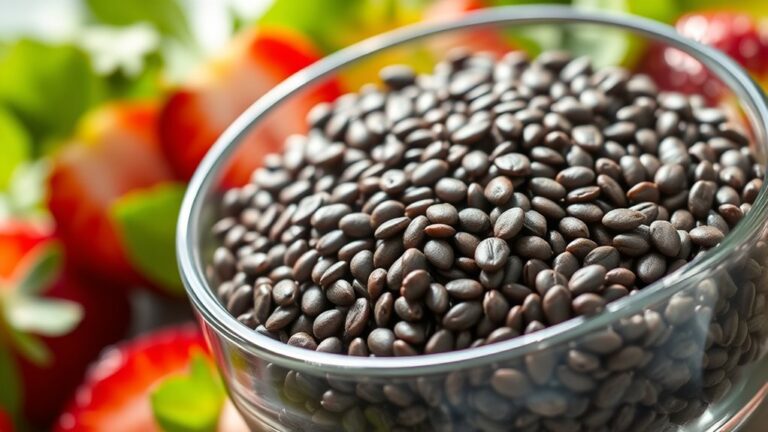
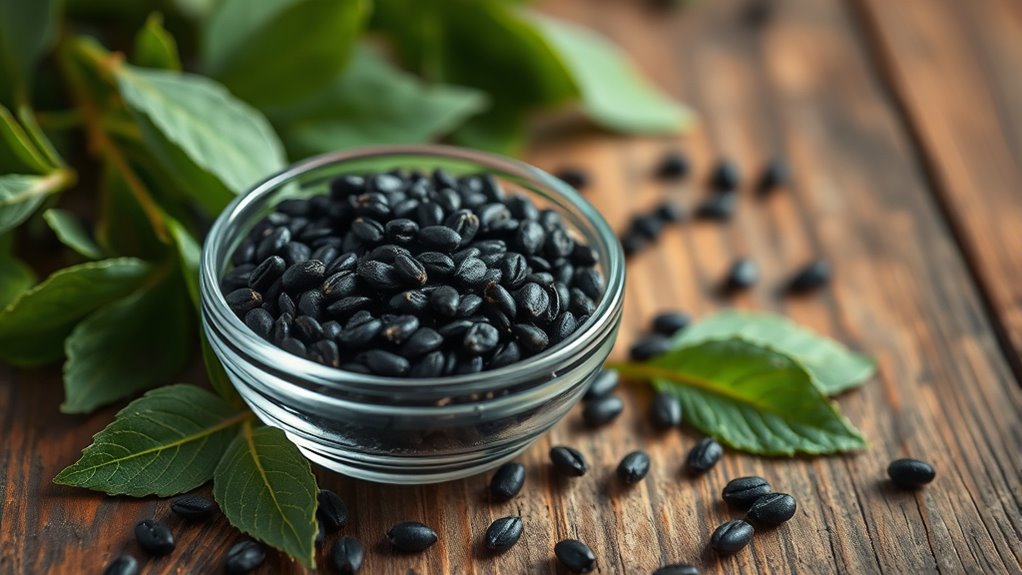
Black seed, also known as Nigella sativa, is a small black flower seed often used in traditional medicine and cooking. Its history goes back thousands of years, with origins in the Middle East, South Asia, and North Africa.
Ancient civilizations like the Egyptians and Persians prized black seed for its healing properties and used it in remedies and rituals. It’s been valued for centuries for its medicinal benefits.
Ancient Egyptians and Persians treasured black seed for its healing powers and sacred uses.
Black seed grows best in warm, dry climates like parts of India, Turkey, and Egypt. The plant is easy to cultivate in well-drained soil and doesn’t need much care, making it accessible to farmers.
Today, black seed is grown worldwide, mainly for its tiny black seeds that are used in cooking and medicine. Its long history and simple growing process help keep it popular across different cultures.
This powerful seed remains an important part of traditional health practices around the globe.
What Are the Nutritional Benefits of Black Seed?
Black seed is packed with nutrients that make it a valuable addition to your diet. Its high nutrient density means you get a variety of essential vitamins, minerals, and beneficial compounds in small amounts. Plus, its antioxidant properties help protect your cells from damage caused by free radicals. This makes black seed not only nutritious but also a powerful supporter of your overall health.
| Nutrients | Benefits |
|---|---|
| Thymoquinone | Acts as a potent antioxidant and helps reduce inflammation |
| Vitamins & Minerals | Supports your immune system and boosts energy levels |
| Essential Fats | Promote heart health and support brain function |
| Fiber | Aids digestion and keeps your gut healthy |
How Has Black Seed Been Used Traditionally?
For centuries, black seed has been valued in traditional medicine systems across cultures for its remarkable healing properties. Its historical uses span from ancient Egypt to Middle Eastern practices, where it’s considered a sacred remedy. The cultural significance of black seed is profound, symbolizing health and protection.
You might picture ancient healers grinding black seeds into powders for medicinal teas. Egyptian pharaohs used black seed oil in skincare and embalming rituals. Middle Eastern communities incorporate black seed in daily cooking for wellness. Traditional healers also applied black seed poultices to soothe skin ailments.
These practices highlight black seed’s long-standing role in promoting health and longevity. Its place in history reflects a deep-rooted trust in its healing abilities across diverse cultures. Today, this rich heritage continues to influence modern uses, emphasizing its significance beyond just nutrition.
How Black Seed Supports Your Immune System?
Since your immune system is your body’s first line of defense, strengthening it is key to overall health. Black seed acts as a natural remedy to support your immune support. It contains thymoquinone, which has antioxidant and antimicrobial properties that help your body fight off pathogens. Regular use may boost your immune response, making you less vulnerable to illnesses.
Here’s how black seed helps support your immune system:
| Benefit | How It Works |
|---|---|
| Boosts immunity | Stimulates your body’s production of immune cells |
| Fights infections | Has antimicrobial properties to combat bacteria |
| Reduces oxidative stress | Provides antioxidants to protect your cells |
| Supports recovery | Speeds up healing and reduces illness severity |
| Improves overall health | Maintains immune system balance |
Adding black seed into your routine can be a natural and effective way to strengthen your immune system and stay healthy.
How Black Seed Helps Reduce Inflammation?
Inflammation is your body’s natural response to injury or infection, but when it sticks around too long, it can cause health issues.
Black seed has powerful anti-inflammatory properties that can help cut down this persistent inflammation.
Black seed’s potent anti-inflammatory effects help soothe persistent swelling and irritation naturally.
When you use black seed, you might notice relief from ongoing pain caused by inflammation. Its active compounds work at the cellular level to calm swelling and irritation.
Imagine these scenarios:
- A soothing balm easing joint stiffness
- Calm waves reducing redness and swelling
- A gentle breeze quieting persistent aches
- A shield blocking harmful inflammatory signals
Black Seed’s Benefits for Skin and Hair Health
Black seed is renowned for its amazing ability to boost skin and hair health. Its powerful properties support skin rejuvenation, helping you get a clearer, more youthful look.
Black seed’s antioxidants fight free radicals, reducing signs of aging like wrinkles and dullness. It also calms skin conditions such as eczema and acne, promoting healing and a healthier appearance.
When it comes to hair, black seed provides essential nourishment that strengthens strands, reducing breakage and encouraging growth. Its anti-inflammatory qualities help soothe scalp irritation, preventing dandruff and dryness.
You can incorporate black seed oil into your routine through topical applications or hair masks for best results. Regular use can leave your skin brighter and your hair thicker and more resilient.
Whether you’re dealing with skin issues or just want healthier hair, black seed offers a natural, effective solution to support your beauty and wellness goals.
What Scientific Studies Say About Black Seed’s Benefits
Numerous scientific studies have looked into black seed’s health benefits, providing evidence that supports its traditional uses. Clinical trials show promising results, backing some health claims. For example, black seed may:
Numerous studies support black seed’s traditional health benefits and show promising clinical trial results.
- Support immune health by reducing inflammation and boosting immune response.
- Help manage blood sugar levels, showing potential benefits for people with diabetes.
- Reduce oxidative stress through its antioxidant properties, which protect cells from damage.
- Alleviate respiratory issues by relaxing airway muscles and decreasing inflammation.
These studies are usually done in controlled environments, which adds credibility to the claims about black seed’s benefits. While research is ongoing, existing evidence suggests that adding black seed to your routine might improve overall health.
However, it’s important to remember that not all health claims are fully proven. Consulting with a healthcare provider before making big changes is always a good idea.
How to Use Black Seed in Your Daily Routine
You can easily add black seed oil to your daily routine by mixing a teaspoon into your smoothies or salads. It’s a simple way to enjoy its benefits without much hassle.
To really get the most out of it, try taking it on an empty stomach or adding it to your morning routine. That way, you’re more likely to stick with it and see the benefits.
Incorporating Black Seed Oil
Incorporating black seed oil into your daily routine is simple and versatile. You can add it to your meals or take it directly, just make sure to follow dosage guidelines for safety. Here are some ideas to get you started:
Drizzle a teaspoon over salads or roasted vegetables to give them a flavorful boost.
Mix a few drops into smoothies or yogurt for some added health benefits.
Use it as a finishing touch on soups or grains to enhance their flavor.
You can also incorporate it into marinades for meats or tofu for extra nutrition.
Daily Consumption Tips
Wondering how to make black seed a consistent part of your daily routine? Start by adding it to your daily recipes like smoothies, salads, or yogurt for easy integration.
You can also take black seed oil directly, but just stick to the dosage guidelines—usually one teaspoon per day. If you prefer capsules, follow the manufacturer’s recommended dosage.
Consistency is key to experiencing its benefits, so set a routine that works for you, whether in the morning or evening.
Try incorporating black seed gradually to see how your body responds. Remember, moderation is essential; overdoing it may cause unwanted side effects.
Are There Any Risks or Side Effects of Black Seed?
Black seed is usually safe for most people, but it’s good to be aware of some possible risks. For instance, allergic reactions can happen, and some folks might experience side effects like stomach upset or skin irritation.
If you’re taking any medications, it’s a smart idea to chat with your healthcare provider first. That way, you can make sure black seed won’t interfere with your treatment or cause any unwanted reactions.
Possible Allergic Reactions
Although black seed is generally safe for most people, some individuals may experience allergic reactions or side effects. If you’re trying black seed for the first time, watch for symptoms like itching, swelling, rash, or difficulty breathing. These signs indicate an allergic reaction and need immediate attention.
To help you spot symptoms quickly, picture these scenarios:
- Your throat feels tight, and you struggle to breathe.
- Hives or red patches suddenly appear on your skin.
- Swelling develops around your lips or face.
- You feel dizzy or lightheaded, which can be a sign of a severe reaction.
Recognizing these reactions early is key to getting prompt treatment. If you notice any of these symptoms, stop using black seed and seek medical help. Always check with a healthcare provider if you’re unsure.
Drug Interactions Risks
Black seed may interact with certain medications, potentially affecting how they work or increasing the risk of side effects. These interactions can change how medications function, making treatments less effective or causing unexpected reactions.
For example, black seed might interfere with blood sugar or blood pressure medications, leading to fluctuations in their levels. If you’re on anticoagulants or antiplatelet drugs, black seed could enhance blood-thinning effects, raising bleeding risks.
It’s really important to talk to your healthcare provider before adding black seed to your routine, especially if you’re taking prescription meds. Being aware of possible interactions helps you avoid surprises and stay safe.
Always discuss your supplement plans with a professional to understand how black seed may influence your medication effects.
Side Effects in Some
Black seed is generally safe for most people, but some individuals may experience side effects. These can include mild reactions or more serious issues if you don’t follow proper dosage recommendations.
Potential interactions with medications, especially blood thinners or diabetes drugs, can increase risks. To minimize side effects, stick to recommended doses and consult a healthcare professional if you’re pregnant, breastfeeding, or on medication.
Visualize these possible effects:
- A tingling sensation on your skin
- Mild stomach upset or nausea
- Allergic reactions like rash or swelling
- Dizziness or headaches
While rare, high doses may cause more pronounced side effects. Always prioritize proper dosage recommendations and monitor your body’s response to avoid adverse reactions.
How to Choose High-Quality Black Seed Supplements
How can you guarantee you’re choosing a high-quality black seed supplement? Start by checking the certification standards. Reputable brands often have third-party testing to verify purity, potency, and safety. Look for labels that indicate adherence to recognized quality benchmarks.
Next, examine sourcing practices. High-quality black seed comes from regions with ideal growing conditions, and transparent brands disclose where their seeds are sourced. Avoid products with vague or undisclosed origins, as poor sourcing can compromise quality.
Consider the form of the supplement—oil, capsules, or powder—and choose based on your preference and intended use. Also, research the manufacturer’s reputation and reviews. A trusted company will prioritize quality control and provide detailed product information.
Frequently Asked Questions
Can Black Seed Help With Specific Medical Conditions?
Black seed benefits include potential relief for conditions like asthma, allergies, and inflammation, supported by black seed research. You might find it helpful for boosting immunity and managing blood sugar levels.
While some studies show promising results, always talk to your healthcare provider before using black seed for specific medical conditions. Its natural properties could complement your treatment plan, but responses vary from person to person, so professional advice is essential.
Is Black Seed Safe for Children or Pregnant Women?
Black seed safety for children and pregnant women depends on careful consideration. You should consult your healthcare provider before giving black seed to children or using it during pregnancy.
While some believe it’s generally safe in small amounts, its effects can vary. To protect your health and your baby’s, prioritize professional advice and avoid self-medicating.
How Much Black Seed Should I Consume Daily?
You should aim for a black seed dosage of about 1 to 3 grams daily, depending on your health goals and tolerance.
To guarantee ideal consumption, start with a small amount and gradually increase if needed.
It’s best to consult your healthcare provider for personalized advice, especially if you’re pregnant, nursing, or on medication.
Consistent, moderate intake helps you safely enjoy black seed’s potential benefits.
Are There Any Interactions Between Black Seed and Medications?
Think of black seed as a powerful symphony, but sometimes it clashes with your medication. Black seed can interact with certain medications, leading to potential side effects or reduced effectiveness.
Always check with your healthcare provider before adding black seed to your routine. Follow dosage recommendations carefully, and be aware of possible interactions to keep everything in harmony.
Your safety should be the main note in this health melody.
Can Black Seed Be Used as a Natural Remedy for Allergies?
Yes, black seed can be used as a natural remedy for allergies. It may help with allergy relief by reducing inflammation and supporting your immune system.
You might find it beneficial to incorporate black seed oil or seeds into your routine, as they can strengthen your immune support and potentially decrease allergy symptoms. Just remember to consult with a healthcare professional before starting any new supplement, especially if you’re on medication.
Conclusion
Incorporating black seed into your routine can boost your health, much like planting seeds today for a fruitful tomorrow. With its rich nutrients and traditional uses backed by science, it’s a natural way to support your immune system and reduce inflammation.
Just remember, “You are what you eat,” so choose high-quality black seed and enjoy its benefits responsibly. Start small, stay consistent, and watch your well-being thrive over time.
Using black seed for your health can make a real difference.