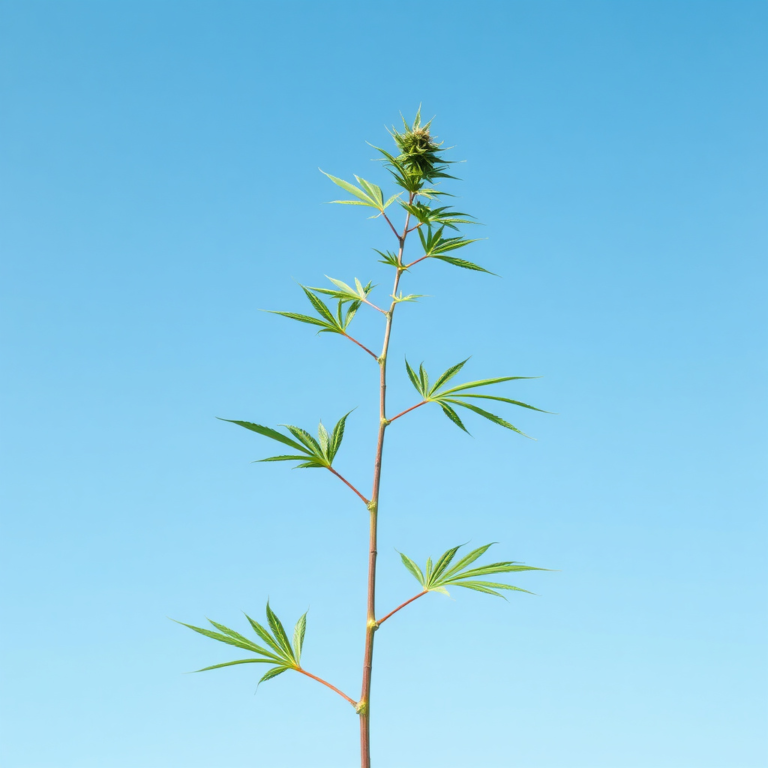
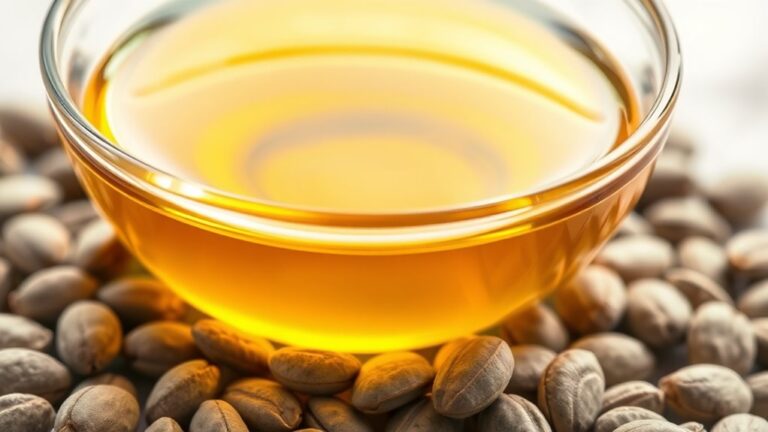
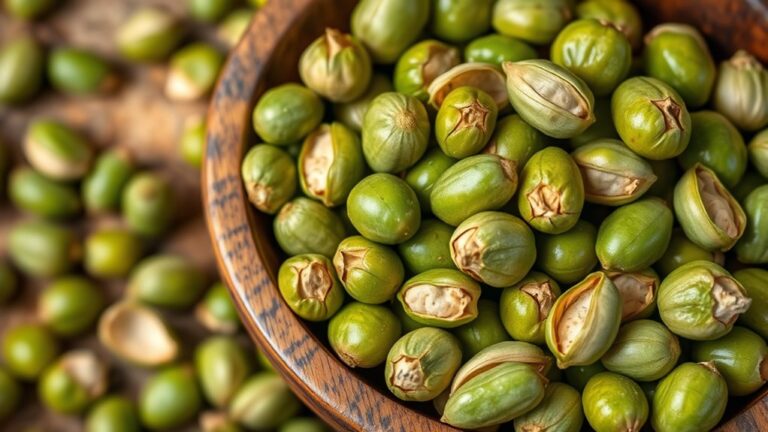
Are Hemp Seeds Legal? What You Need to Know About Hemp Seed Laws
Yes, hemp seeds are legal in many countries, including the United States, provided they contain no more than the legal limit of THC, typically 0.3%. This makes hemp seeds widely available for consumption as food, supplements, and agricultural use without the psychoactive effects associated with marijuana.
Understanding hemp seed legality matters because hemp products have gained popularity for their nutritional benefits, but laws vary by region due to concerns about THC levels. The distinction between hemp and marijuana in legal terms often hinges on THC content, which affects whether seeds can be sold or cultivated freely.
This article explores the legal status of hemp seeds, including how laws differ internationally and within the U.S., what regulations apply to farmers and consumers, and what you should consider before purchasing or growing hemp seeds.
Legal Definition of Hemp Seeds and THC Limits

Understanding THC Concentration in Hemp Seeds
Hemp seeds naturally contain only trace amounts of THC, typically less than 0.3%, which is the federal threshold set in many countries including the U.S. This low level means hemp seeds do not produce mind-altering effects and comply with the standard definition of hemp versus marijuana.
The THC limit is crucial because seeds that exceed it may be classified as marijuana, leading to legal restrictions. Testing protocols ensure that hemp seeds remain legal and compliant for distribution and consumption.
Legal Definitions Across Different Countries
Countries like Canada, Australia, and several European nations have similar THC limits for hemp seeds, generally around 0.2% to 0.3%. However, some regions impose stricter controls, requiring licenses for growing or importing seeds.
These legal frameworks reflect the desire to support industrial hemp cultivation while preventing the misuse of cannabis plants with higher psychoactive THC levels.
Selling and Purchasing Hemp Seeds Legally

Retail Regulations for Hemp Seed Products
Retailers can legally sell hemp seeds when products meet the required THC limits and comply with food safety laws. Many grocery stores and health shops offer hemp seeds as a nutritional product due to their rich fatty acids and protein.
Labeling is essential; packages must clearly state hemp origin and THC content to reassure consumers and comply with regulations, especially in areas where hemp seed legality is specifically monitored.
- Proper labeling of THC content
- Compliance with local food safety standards
- Licensing requirements in limited jurisdictions
Import and Export Restrictions
Hemp seed imports and exports are subject to customs oversight in many countries. Importers often need permits confirming that seeds are from legal sources and meet THC concentration requirements.
These restrictions aim to prevent unauthorized cultivation of marijuana and control the quality and legality of hemp seed products entering the market.
- Export permits required in several countries
- Customs testing for THC limits
- Documentation proving legal cultivation origin
Growing Hemp Seeds: Legal Considerations for Farmers
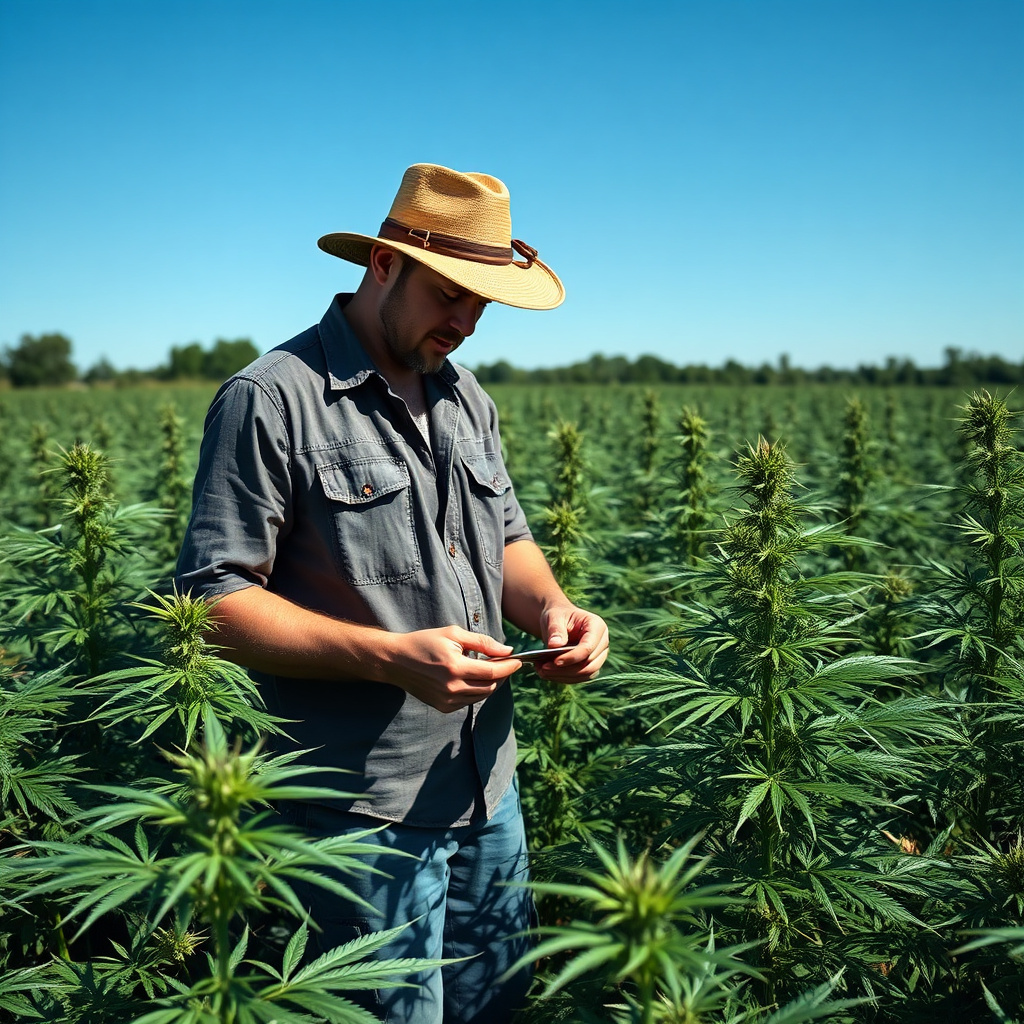
Licensing and Registration Requirements
Most jurisdictions require farmers to obtain a license to cultivate hemp. This allows authorities to monitor THC levels and ensure that crops remain within legal limits.
The registration process typically involves field inspections, testing protocols, and detailed record-keeping to verify compliance throughout the growing cycle.
- Application for cultivation license
- Mandatory THC testing at various growth stages
- Regular reporting to regulatory agencies
For more on this, see our related guide: Are Cannabis Seeds Legal in the USA? Understanding the Legal Landscape.
Risks of Non-Compliance
Growing hemp seeds that develop THC concentrations over the legal limit can result in crop destruction, fines, or legal action, highlighting the importance of controlling genetics and cultivation practices.
Farmers must carefully source certified seed strains and follow guidelines to minimize risk while benefiting from growing hemp crops.
- Possible crop seizure and destruction
- Financial penalties and legal implications
- Damage to reputation and future licensing prospects
Health and Safety Regulations Surrounding Hemp Seeds

Nutritional Benefits and Safety Standards
Hemp seeds are rich in omega-3 and omega-6 fatty acids, protein, fiber, and essential minerals, making them a popular health food. Regulatory bodies oversee safety standards to protect consumers from contamination and false claims.
Ensuring seeds are sourced from legal hemp reduces the risk of THC contamination and maintains product quality within accepted food safety norms.
Labeling and Consumer Protection
Labels must accurately reflect hemp seed contents, including nutritional information and THC levels to maintain transparency. Authorities may require testing and certification to prevent misleading claims.
Consumer protection laws also address marketing practices to ensure buyers receive safe and lawful hemp seed products.
- Mandatory ingredient disclosure
- Limits on THC content declarations
- Verification through third-party testing
Hemp Seed Legality in Relation to CBD and Marijuana

Distinguishing Hemp Seeds from Marijuana
The key distinction is THC content: hemp seeds come from plants with minimal THC, whereas marijuana seeds produce plants with higher psychoactive compounds. This legal difference affects how seeds are regulated.
Hemp seeds themselves do not produce CBD or THC but carry the genetics of the plant. Regulations often focus more on the plants grown from these seeds rather than the seeds alone.
For more on this, see our related guide: How to Choose High CBD Cannabis Seeds for Maximum Therapeutic Benefits.
CBD Oil Source and Hemp Seed Implications
CBD oil is typically extracted from hemp flowers and leaves, not seeds, which contain only trace cannabinoids. However, hemp seed legality affects the overall market for hemp-derived products including CBD.
Consumers should know that buying legal hemp seeds does not equate to obtaining psychoactive or medicinal compounds unless derived from other parts of the plant.
International Perspectives on Hemp Seed Legality

European Union Regulations
The European Union allows hemp cultivation under the Common Agricultural Policy, with authorized varieties having less than 0.2% THC. Hemp seeds sold within the EU must comply with these limits and be sourced from approved strains.
Member states have some flexibility in regulating hemp seeds, leading to variations in labeling and licensing systems.
For detailed information on hemp laws, the Wikipedia article on Hemp in the United States provides a comprehensive overview. Hemp in the United States.
Hemp Seed Laws in Asia and Australia
Countries like Australia permit hemp farming with strict licensing and THC restrictions. Some Asian countries have tightly controlled regulations limiting hemp seed import or cultivation due to differing drug policies.
International trade agreements and local laws influence hemp seed availability, requiring importers and exporters to stay informed on evolving regulations.
Hemp Seed Legality: Country Comparison
Here’s a snapshot of hemp seed legality across different regions, highlighting THC limits, licensing needs, and consumer availability.
| Country/Region | Legal THC Limit (%) | Licensing Required | Retail Availability |
|---|---|---|---|
| United States | 0.3 | Yes | Widely available |
| Canada | 0.3 | Yes | Common in health stores |
| European Union | 0.2 | Varies by country | Available with restrictions |
| Australia | 0.3 | Yes | Restricted but available |
| Japan | 0.3 | Strict import controls | Limited |
| India | 0.3 | Varies by state | Limited availability |
Frequently Asked Questions
Can I grow hemp seeds at home legally?
Growing hemp seeds at home requires checking local laws; many places require licenses and THC testing to ensure plants remain legal. Without permission, cultivation may be illegal.
Do hemp seeds contain THC?
Hemp seeds contain only trace amounts of THC, typically below legal limits, so they do not cause psychoactive effects and are usually considered safe and legal.
Are hemp seeds the same as marijuana seeds?
No, hemp seeds come from low-THC cannabis plants, while marijuana seeds produce plants with higher THC content. The law treats them differently due to this difference.
Can hemp seeds be imported internationally?
International import of hemp seeds depends on the destination country’s regulations, THC threshold compliance, and required permits. Always check local import rules before purchasing.
Is it legal to sell hemp seeds online?
Yes, selling hemp seeds online is legal in many regions if the seeds comply with THC limits and labeling requirements. However, sellers must understand and follow each jurisdiction’s rules.
Key Takeaways
- Hemp seeds are legal when THC levels remain below 0.3% in many countries.
- Licensing and testing are often required for hemp seed cultivation.
- Retail sale of hemp seeds depends on compliance with safety and labeling laws.
- Legal distinctions between hemp seeds and marijuana seeds center on THC content.
Conclusion
Making sense of hemp seed legality requires understanding the THC thresholds defined by law and how they separate hemp from marijuana. Compliance with these rules ensures hemp seeds remain a legal, nutritious product rather than a restricted substance. Awareness of licensing, testing, and regional legal nuances is key to navigating hemp seed use or agriculture successfully.
For consumers interested in hemp seeds as a health food, checking product labels and buying from reputable sources guarantees adherence to legal THC limits and safety standards. Farmers must apply for licenses and choose certified seed varieties to avoid the risk of non-compliance. International traders need to follow import/export regulations carefully. The legal landscape for hemp seeds varies but typically supports their widespread use under controlled conditions.
To proceed confidently, start by identifying local hemp regulations and confirm that any seeds you buy or grow meet the THC criteria. Staying informed about evolving hemp laws will help you benefit from this versatile crop's advantages without legal complications.