What Is Cannabis Sativa? Understanding Its Characteristics and Uses
Cannabis sativa is a species of the Cannabis genus, known for its tall, slender plants with narrow leaves. It has been used for centuries for its psychoactive, medicinal, and industrial properties. Unlike some other cannabis species, cannabis sativa typically produces higher levels of THC, the compound responsible for the plant’s psychoactive effects.
This plant plays an important role not only in recreational and medical contexts but also in producing hemp fiber and seeds used in various products. The characteristics of cannabis sativa make it distinct in appearance and effect when compared to Cannabis indica or ruderalis species.
This article will explore what cannabis sativa is, its physical traits, cultivation requirements, chemical composition, differences from other cannabis types, common uses, and potential health benefits, helping you form a clear understanding of this versatile plant.
Physical Characteristics of Cannabis Sativa
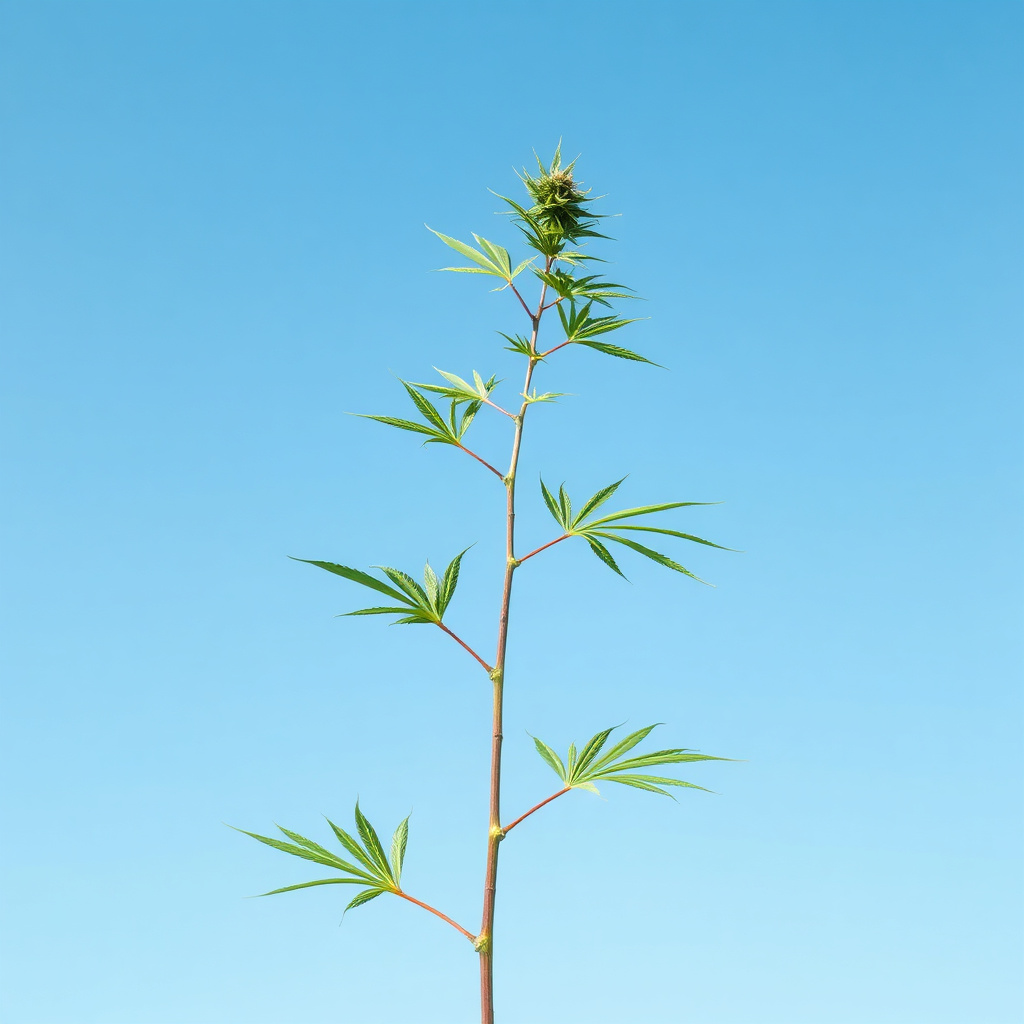
Plant Structure and Growth Habit
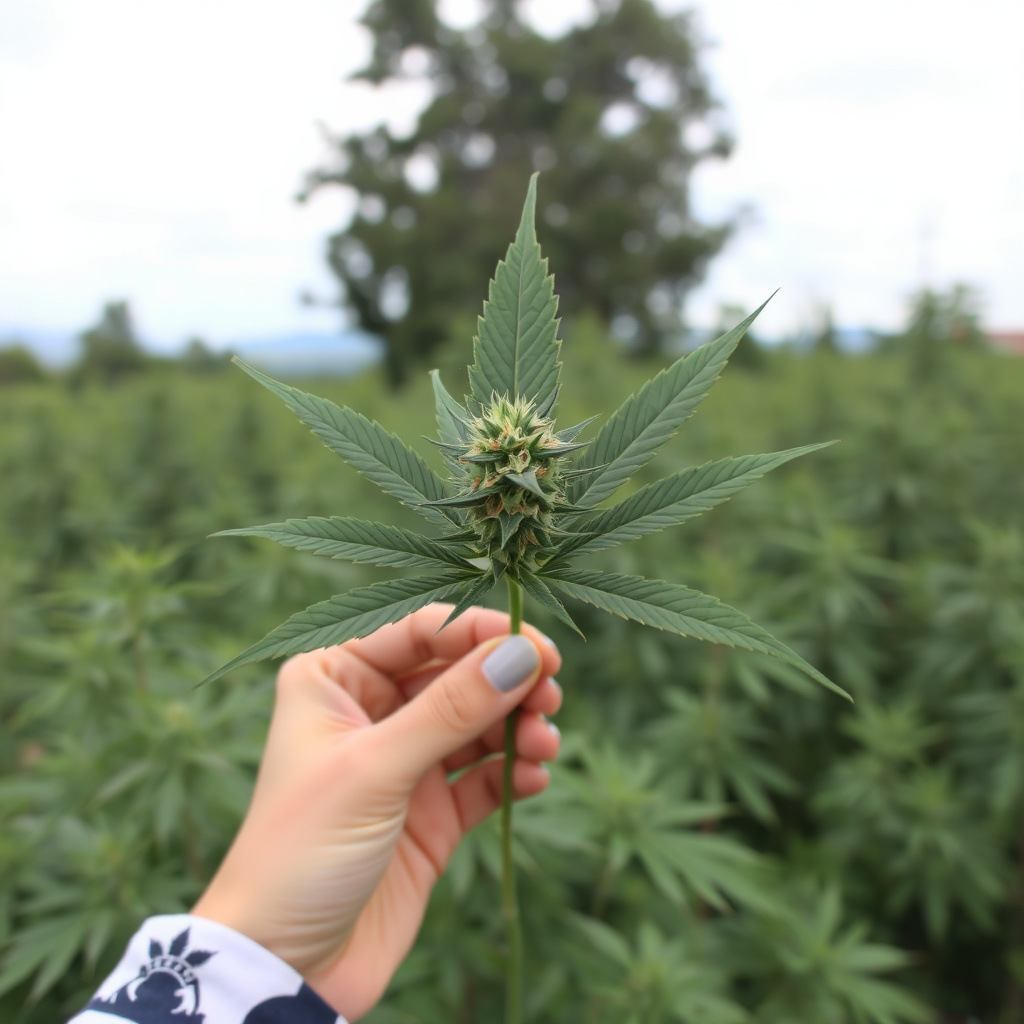
Cannabis sativa plants are known for their height, often reaching up to 16 feet when grown outdoors. They typically have a long, slender stem with thin, elongated leaves that grow in a finger-like pattern. This structure is adapted for growing in warm climates with longer growing seasons.
Generally, cannabis sativa has a slower flowering time than indica varieties, sometimes taking 10 to 16 weeks before harvest. Their open buds and thin leaves improve airflow, reducing the risk of mold and mildew during growth.
Leaf Shape and Color
The leaves of cannabis sativa are distinctly narrow and finger-like, compared to the broader leaves of indica varieties. They usually have a lighter green color with long, narrow leaflets that contribute to the plant’s airy appearance.
This leaf morphology helps the plant regulate heat and moisture efficiently in its native, warmer environments. Leaf color can range from pale to vibrant green, occasionally showing hints of yellow depending on nutrient availability.
Chemical Composition of Cannabis Sativa
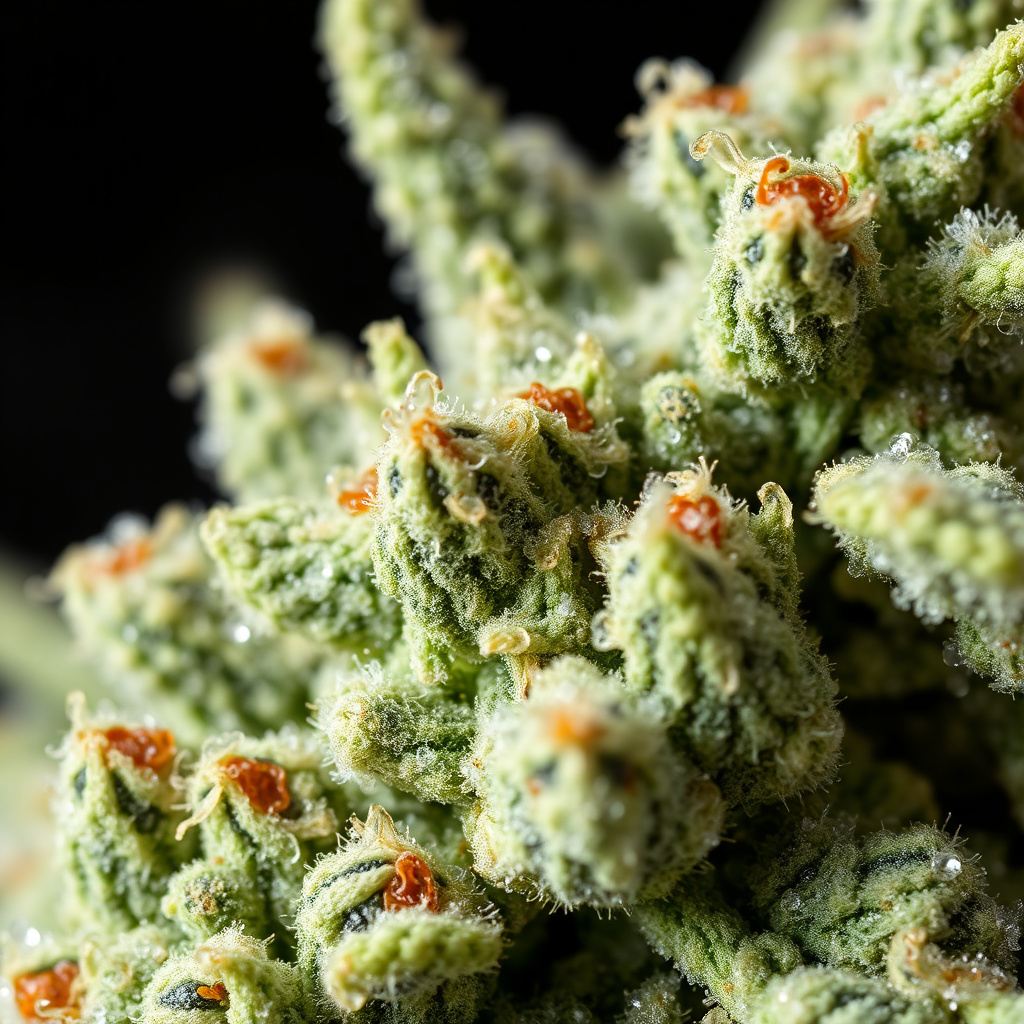
Cannabinoids Profile
Cannabis sativa strains are typically rich in THC (tetrahydrocannabinol), the main psychoactive cannabinoid that produces the 'high' associated with cannabis use. They often have lower levels of CBD (cannabidiol), which is non-psychoactive and known for therapeutic effects.
The balance of cannabinoids influences the effects of the plant, with sativa strains known for providing energizing, uplifting sensations rather than the sedative effects common to indica. Minor cannabinoids such as CBG and CBC may also be present in trace amounts.
Terpenes and Aromatic Profile
Terpenes are aromatic compounds that influence the scent and flavor of cannabis sativa. Common terpenes in sativa strains include limonene, pinene, and terpinolene, which contribute citrus, pine, and floral notes to the plant’s aroma.
These terpenes not only affect sensory experiences but may also modulate the plant’s effects through the entourage effect, potentially enhancing mood elevation or focus associated with sativa use.
Traditional and Modern Uses of Cannabis Sativa
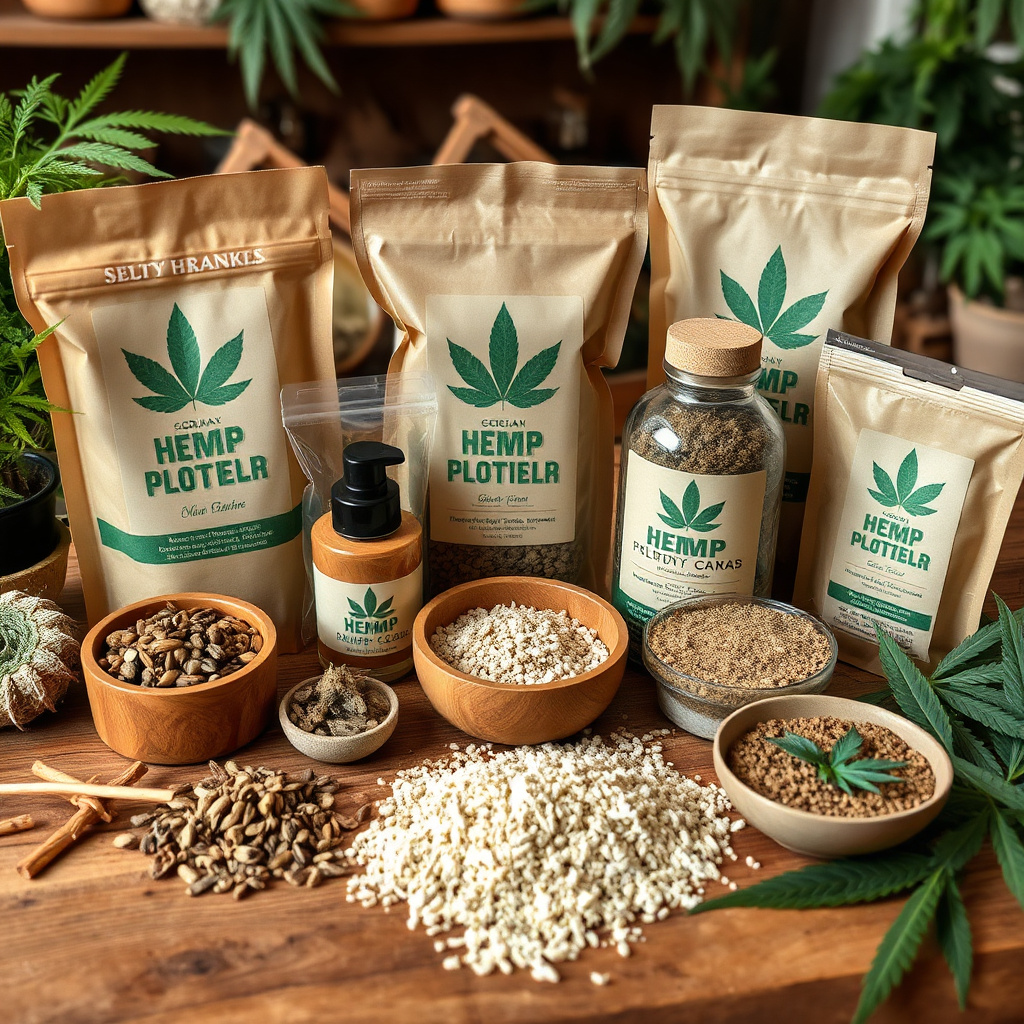
Industrial Hemp Applications
Cannabis sativa has historically been cultivated for hemp, a source of fiber, seeds, and oil used in textiles, paper, and building materials. Industrial hemp contains very low THC, making it non-intoxicating and legal in many regions for commercial use.
Hemp derived from cannabis sativa is valued for strong, lightweight fibers, which can be converted into rope, clothing, biodegradable plastics, and even construction materials called hempcrete.
- Textiles and fabrics
- Building and insulation materials
- Food products from hemp seeds
- Biodegradable plastic alternatives
For more on this, see our related guide: Cannabis Terminology for Beginners: A Clear Guide to Essential Terms.
Medicinal and Recreational Use
Medicinally, cannabis sativa is used in various formulations to treat conditions like depression, fatigue, and some types of pain due to its uplifting effects. Recreational users often prefer sativa strains for their stimulating and euphoric properties.
Medical use requires careful strain selection and dosing because higher THC levels may cause anxiety or discomfort in some individuals. Research continues to explore the therapeutic potential of cannabis sativa beyond its psychoactive properties.
Comparing Cannabis Sativa with Other Cannabis Species

Differences Between Sativa and Indica
Cannabis sativa and indica are often contrasted by physical traits and effects. Sativa plants are taller and slimmer with narrow leaves, while indica plants are shorter and bushier with broader leaves. Flowering times also vary, with sativa generally taking longer.
The psychoactive effects differ too: sativa is associated with an energizing, cerebral high; indica tends to produce calming, sedative sensations. These differences make each species suitable for distinct uses and preferences.
How Ruderalis Fits into the Cannabis Family
Cannabis ruderalis is a lesser-known species valued for its autoflowering trait, meaning it flowers based on age rather than light cycle. This makes it useful for breeding hybrid strains with quick growth.
Ruderalis plants are typically small, with low THC content, and are rarely used alone but rather in crossbreeding to combine autoflowering with sativa or indica characteristics.
Cultivation Practices for Cannabis Sativa
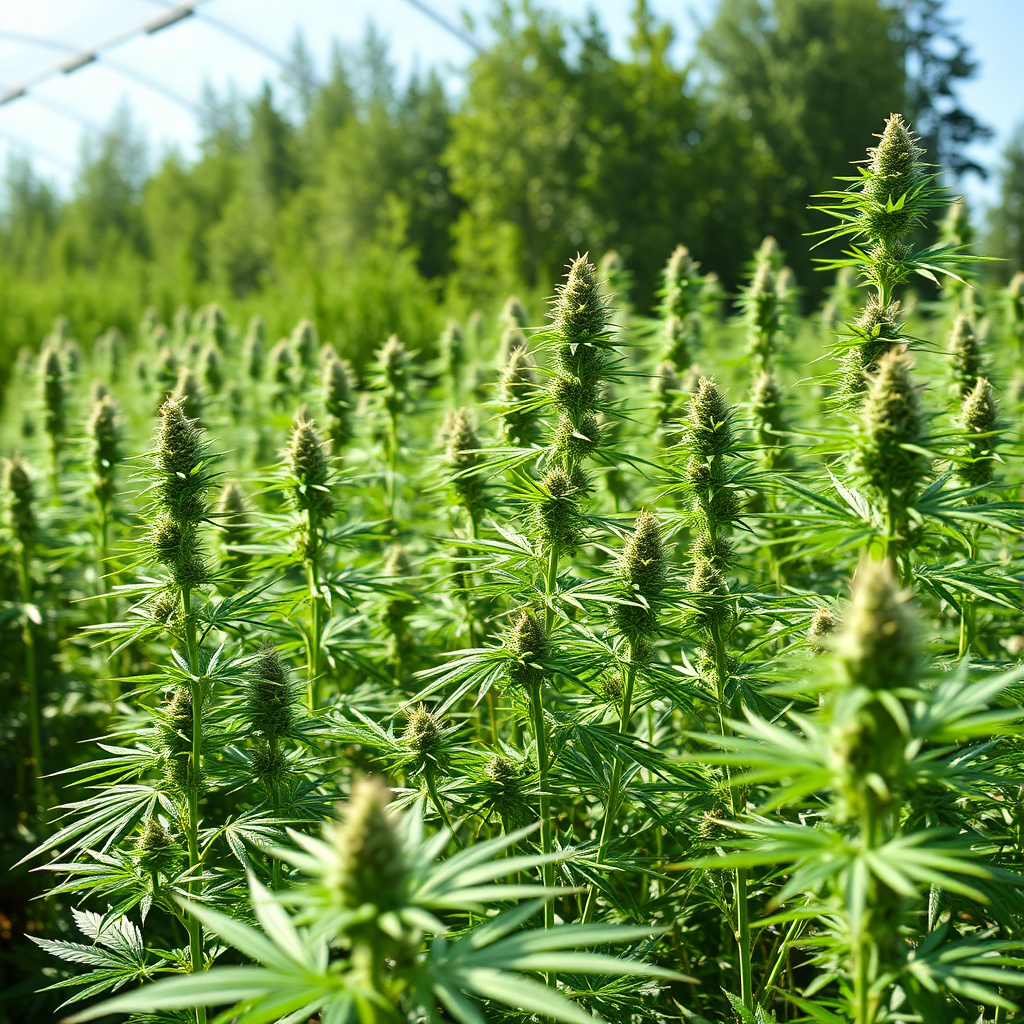
Optimal Climate and Soil Conditions
Cannabis sativa thrives in warm, temperate climates with plenty of sunlight and well-draining soil. It prefers longer growing seasons to reach full maturity due to its extended flowering period compared to indica varieties.
Soil pH around 6 to 7, good aeration, and moderate fertility promote healthy growth. Controlling humidity is essential to reduce risks of mold, especially since sativa plants have dense, resinous buds.
For more on this, see our related guide: What Is a Cannabis Cultivar? Understanding Cannabis Cultivars Explained.
Indoor vs Outdoor Growing Considerations
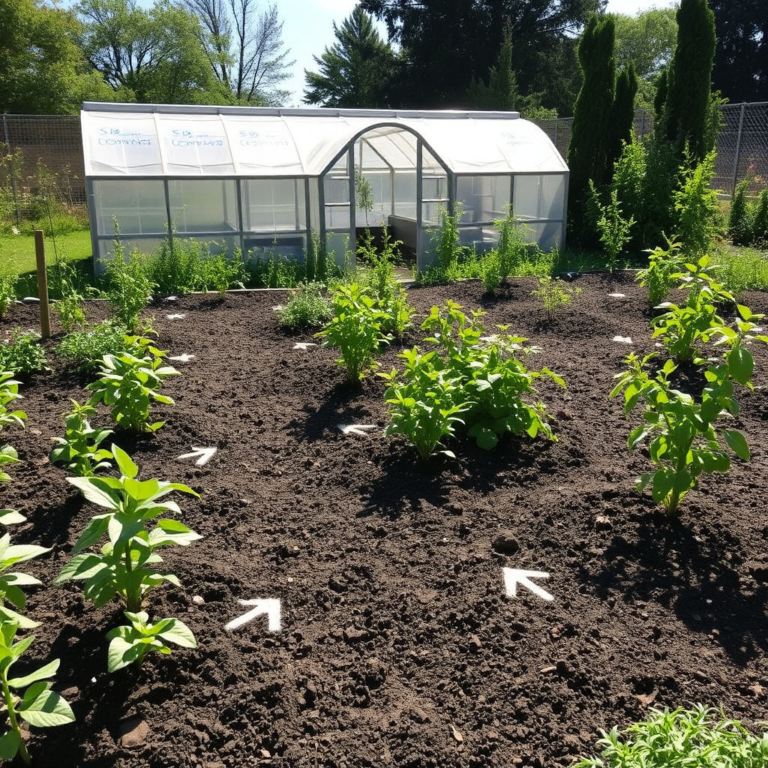
Growing cannabis sativa indoors allows for more control over temperature, lighting, and humidity but requires space due to the plant's height and longer growth cycle. Training techniques like topping can manage plant height indoors.
Outdoor cultivation is well-suited for sativa in regions with warm seasons and long daylight hours. Outdoor exposure often results in larger plants and higher yields but demands vigilance to pests and weather variability.
Health Impacts and Safety of Cannabis Sativa
Potential Therapeutic Benefits
Cannabis sativa has been explored for its potential to alleviate depression, boost energy, and improve focus due to its stimulating effects. Some patients use sativa strains to help manage fatigue, anxiety, and mood disorders.
Scientific studies are ongoing to conclusively determine safety and efficacy, but anecdotal reports suggest cannabis sativa can be part of integrative treatment when used carefully and under medical supervision.
For more detailed botanical information and history about cannabis sativa, you can visit the Cannabis sativa information on Wikipedia. Cannabis sativa information on Wikipedia.
Risks and Side Effects
High THC levels in cannabis sativa can cause anxiety, paranoia, and impaired coordination, especially in inexperienced users or those with predispositions. Overuse can lead to dependence or exacerbate mental health conditions.
It is advised to start with low doses and seek products with lab-tested cannabinoid profiles. Legal considerations also vary by location, so understanding local laws regarding cannabis use is necessary.
Cannabis Species Category Comparison
Here’s a comparison of cannabis sativa, indica, ruderalis, and hemp showing their key differences across physical, chemical, and usage categories.
| Category | Cannabis Sativa | Cannabis Indica | Cannabis Ruderalis | Industrial Hemp |
|---|---|---|---|---|
| Plant Height | Tall (up to 16 ft) | Shorter, bushy (3-6 ft) | Very short (1-2 ft) | Tall, fibrous (6-15 ft) |
| Leaf Shape | Narrow, finger-like | Broad, wide | Small, variable | Narrow, fibrous |
| THC Content | High (10-25%) | Moderate to high (10-20%) | Low (<1%) | Very low (<0.3%) |
| Flowering Time | 10-16 weeks | 7-9 weeks | 4-6 weeks | 10-14 weeks |
| Primary Use | Recreational/medicinal | Recreational/medicinal | Hybrid breeding | Industrial fiber/oil |
| Effect | Energizing, cerebral | Relaxing, sedative | Minimal psychoactive | Non-intoxicating |
Frequently Asked Questions
What distinguishes cannabis sativa from other cannabis species?
Cannabis sativa is taller with narrow leaves and typically has higher THC levels, producing uplifting effects. It contrasts with indica's shorter, bushier form and calming effects, and ruderalis’s autoflowering trait and low THC.
Is cannabis sativa used for industrial purposes?
Yes, industrial hemp derived from cannabis sativa provides fiber, seeds, and oil used in textiles, paper, construction, and food products. This hemp has very low THC, making it non-intoxicating and legally grown for commercial use.
What are common effects of using cannabis sativa?
Cannabis sativa usually produces stimulating, euphoric, and cerebral effects that can boost energy and creativity, unlike indica strains, which are more sedating. However, effects can vary based on cannabinoid content and individual response.
Can cannabis sativa cause side effects?
High THC in cannabis sativa may cause anxiety, paranoia, or dizziness, especially for new users. It’s best to start with low doses and use strains with lab-tested cannabinoid profiles to minimize risks.
How does the growth cycle of cannabis sativa differ from other types?
Cannabis sativa typically has a longer flowering period, often 10-16 weeks, compared to indica varieties that mature faster. Ruderalis has the shortest cycle and autoflowering capability, ideal for breeding hybrids.
Key Takeaways
- Cannabis sativa is distinguished by tall growth and narrow leaves with energizing effects.
- It contains high THC and specific terpenes contributing to its unique aroma and impact.
- Apart from recreational use, sativa hemp is important for industrial fiber and seeds.
- Growing cannabis sativa requires warm climates and longer flowering times.
Conclusion
Understanding what cannabis sativa is involves recognizing its unique physical traits, chemical makeup, and uses. Its tall, slender form and stimulating psychoactive properties set it apart from indica and ruderalis species. This plant is valued not only for recreation and medicinal applications but also for industrial hemp products that benefit various sectors.
When choosing among cannabis varieties, consider your purpose: for energizing effects and medicinal applications tailored toward mood and focus, sativa strains are ideal. In contrast, indica suits users seeking relaxation. Industrial hemp derived from cannabis sativa offers non-psychoactive products suited for sustainable textiles, foods, and building materials.
If you are interested in growing or using cannabis sativa, prioritize sourcing high-quality, lab-tested strains and pay attention to climate and cultivation requirements. Understanding legal regulations in your area will help you use and cultivate cannabis sativa responsibly and effectively.