What Affects Photosynthesis: Key Factors Influencing Plant Growth
Photosynthesis is affected by several key factors including light intensity, carbon dioxide levels, temperature, and water availability. These elements directly influence the efficiency at which plants convert light energy into chemical energy to fuel their growth.
Understanding what affects photosynthesis matters because it plays a central role in plant health and crop yields. When any factor is suboptimal, the process slows down, reducing the energy plants produce and ultimately impacting ecosystems and agriculture.
This article explains the primary factors influencing photosynthesis, examining how each impacts the process. We will explore light's role, the importance of carbon dioxide, temperature effects, water's influence, and other environmental conditions, providing details to help you understand plant biology better.
The Role of Light Intensity in Photosynthesis

How Light Intensity Affects Photosynthesis
Photosynthesis depends on light as the energy source. Light intensity directly affects the rate of photosynthesis, as higher light levels increase the plant's ability to produce glucose. However, beyond a certain intensity, the rate plateaus since other factors become limiting.
Plants exposed to low light intensity produce less energy, resulting in slower growth. Shade-tolerant plants have adapted to perform photosynthesis efficiently in low light, but most thrive best with moderate to high light.
- Low light reduces photosynthesis rate
- Optimal intensity maximizes energy production
- Excessive intensity can cause photooxidation
Light Quality and Duration
Not just the intensity, but the quality (wavelength) of light affects photosynthesis. Blue and red wavelengths are most effective for chlorophyll absorption, whereas green light is mostly reflected.
Photoperiod—the length of daily light exposure—influences photosynthetic activity and plant development. Longer light periods typically boost photosynthesis, but some plants have adapted to shorter days.
- Blue and red light optimize photosynthesis
- Photoperiod impacts plant growth cycles
Carbon Dioxide Concentration and Its Impact

Carbon Dioxide as a Photosynthesis Substrate
Carbon dioxide (CO2) is a fundamental input in photosynthesis, serving as the carbon source plants convert into sugars. Increasing CO2 concentrations generally heighten photosynthetic rates until other factors limit the process.
In environments where CO2 levels are low, the photosynthesis rate slows, restricting plant growth. Many studies show that boosting CO2 in controlled environments can enhance biomass production.
- CO2 is essential for carbohydrate synthesis
- Photosynthesis rate increases with moderate CO2 rise
For more on this, see our related guide: What Affects Plant Growth: Key Factors Explained for Healthy Gardens.
CO2 Interaction with Other Factors
The effect of CO2 depends on other conditions like light and temperature. High CO2 alone won't improve photosynthesis if light or water is insufficient.
When light intensity and temperature are favorable, plants can utilize elevated CO2 to maximize photosynthesis, leading to better growth and yield.
- CO2 benefits require adequate light and temperature
- Water availability influences CO2 uptake
Temperature Effects on Photosynthesis
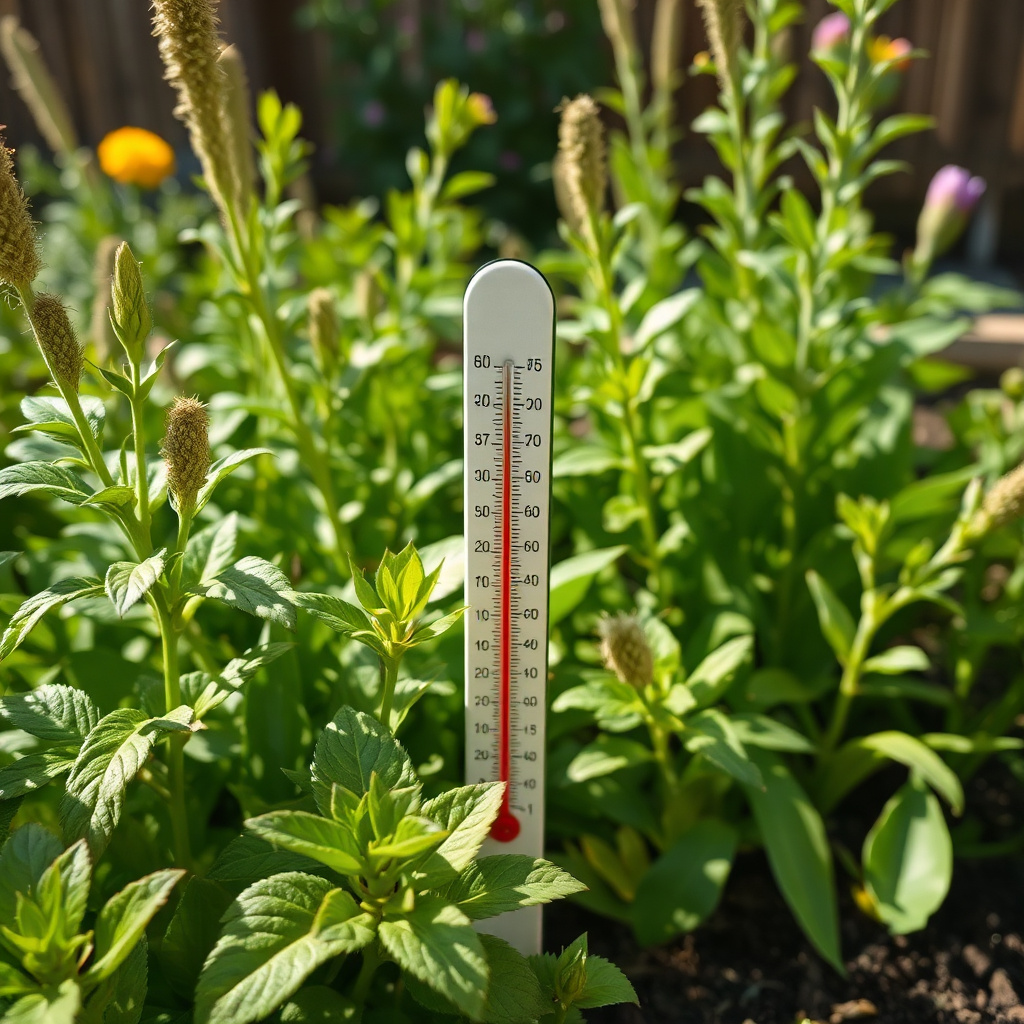
Optimal Temperature Range
Temperature influences enzyme activity in photosynthesis. Each plant species has an optimal range, generally between 15°C and 35°C, where the process runs most efficiently.
Temperatures below or above this range slow down enzymatic reactions, reducing photosynthetic rates and potentially causing stress or damage to the plant.
- Optimal temperature enhances enzyme performance
- Extreme temperatures inhibit photosynthesis
Temperature Stress and Adaptations
High temperatures can cause photorespiration, which reduces photosynthesis efficiency by consuming energy without producing sugars.
Some plants have evolved heat-resistant enzymes or mechanisms to dissipate excess heat, maintaining photosynthetic activity under harsh conditions.
- Heat stress increases photorespiration
- Certain species show temperature resilience
Water Availability and Photosynthesis

Water's Role in Photosynthesis
Water is vital for photosynthesis, supplying electrons and protons during the light-dependent reactions. Additionally, it maintains cell turgidity necessary for stomatal opening.
Without adequate water, stomata close to prevent water loss, limiting CO2 intake and thus lowering photosynthesis rates.
- Water supplies essential electrons for light reactions
- Stomatal closure during drought limits photosynthesis
For more on this, see our related guide: How to Improve Plant Growth: Practical Tips for a Thriving Garden.
Drought Effects and Plant Responses
During drought, plants reduce photosynthesis to conserve water, which often leads to slower growth or wilting.
Some species adapt by developing deeper roots, thicker leaves, or by employing CAM or C4 photosynthetic pathways that improve water use efficiency.
- Drought reduces photosynthetic activity
- Adaptations improve water efficiency
Additional Environmental Factors Influencing Photosynthesis
Humidity and Wind
Humidity affects transpiration rates, indirectly impacting photosynthesis. High humidity reduces water loss while low humidity increases transpiration, potentially stressing the plant.
Wind aids gas exchange by removing the boundary layer of still air around leaves, facilitating CO2 uptake but can also increase water loss if excessive.
- Moderate humidity supports steady photosynthesis
- Wind balances gas exchange and water loss
For more detailed and scientific information about the photosynthesis process, you can refer to the photosynthesis on Wikipedia. photosynthesis on Wikipedia.
Soil Nutrients and Air Pollution
Nutrients like nitrogen, phosphorus, and potassium are necessary for synthesizing chlorophyll and enzymes involved in photosynthesis.
Air pollutants such as ozone can damage leaf tissues and interfere with photosynthesis by causing oxidative stress.
- Adequate nutrients support photosynthetic machinery
- Pollutants can reduce photosynthesis efficiency
Comparison of Factors Influencing Photosynthesis
The following table summarizes how major factors affect photosynthesis in terms of influence, typical range, and impact on plant growth.
| Factor | Typical Optimal Range | Effect on Photosynthesis | Common Plant Adaptations |
|---|---|---|---|
| Light Intensity | 100-1000 µmol photons/m²/s | Increases until saturation point | Shade tolerance, photoprotection |
| Carbon Dioxide | 300-1000 ppm | Enhances rate up to limiting factors | Stomatal regulation |
| Temperature | 15-35°C | Enzyme activity optimal within range | Heat shock proteins, photorespiration control |
| Water Availability | Adequate soil moisture | Limits stomatal opening and electron supply | Deep roots, CAM/C4 pathways |
| Humidity | 40-70% | Influences transpiration and gas exchange | Leaf surface modifications |
| Soil Nutrients | Balanced NPK levels | Supports chlorophyll and enzyme synthesis | Mycorrhiza associations |
Frequently Asked Questions
How does light intensity affect the rate of photosynthesis?
Light intensity increases photosynthesis rates up to a point where other factors limit it. Beyond this saturation, further intensity does not enhance the process.
Why is carbon dioxide important for photosynthesis?
CO2 provides the carbon atoms that plants incorporate into glucose, making it essential for synthesizing energy-rich sugars during photosynthesis.
Can high temperatures harm photosynthesis?
Yes, temperatures above optimal can cause enzymes to malfunction and increase photorespiration, reducing photosynthetic efficiency.
What happens to photosynthesis during a drought?
Drought causes stomata to close to conserve water, limiting CO2 entry and decreasing photosynthesis, which slows plant growth.
Do all plants respond the same to photosynthesis factors?
No, different species adapt uniquely to environmental factors based on their evolutionary history, resulting in varied photosynthesis efficiency under similar conditions.
Key Takeaways
- Photosynthesis depends primarily on light, CO2, temperature, and water availability.
- Each factor has an optimal range that supports maximum photosynthetic activity.
- Plants have evolved various adaptations to handle suboptimal environmental conditions.
- Understanding these factors aids in improving plant growth and agricultural productivity.
Conclusion
Determining what affects photosynthesis requires looking at multiple environmental elements working together. Light intensity, carbon dioxide concentration, temperature, and water availability each play a significant role by influencing the biochemical and physical processes within plants. These factors can act independently or synergistically to enhance or limit photosynthesis depending on the conditions. Therefore, gauging their combined impact is essential for understanding how plants thrive or struggle in their habitats.
Depending on your context, certain factors may require more attention. For instance, in greenhouses or controlled agriculture, optimizing light intensity and carbon dioxide can dramatically improve yields. In arid regions, managing water availability and selecting drought-resistant species that use CAM or C4 pathways proves vital. Meanwhile, monitoring temperature ranges and nutrient levels ensures plants maintain efficient photosynthetic rates year-round.
In practical terms, starting with measuring local environmental conditions is advisable. From there, you can adjust factors such as providing supplemental light, CO2 enrichment, irrigation, or soil amendments to promote healthy photosynthesis. Recognizing that photosynthesis is sensitive to multiple inputs helps guide interventions that support robust plant growth and sustainable crop production.