How to Fix Root Rot: Effective Strategies for Healthy Plants
Fixing root rot involves promptly identifying the problem, removing affected roots, improving drainage, and adjusting your watering habits to prevent further damage. Root rot is caused by overwatering and poor soil drainage leading to fungal infection, which can severely harm or kill your plants if left untreated.
Addressing root rot early matters because it allows the plant to recover before the damage spreads too far. Healthy roots are essential for nutrient uptake and overall plant vitality. Overwatering, compacted soil, and fungal pathogens create the perfect environment for root rot to develop rapidly.
This article covers how to identify root rot symptoms, step-by-step treatment methods for various plants, ways to improve soil and drainage, recommended products for root rot treatment, and tips to prevent it from recurring in the future.
Identifying Root Rot Symptoms in Your Plants
Recognizing Above-Ground Symptoms
Plants with root rot often show declining health above soil. Common signs include yellowing leaves, wilting despite moist soil, stunted growth, and leaf drop. These symptoms result from damaged roots failing to supply water and nutrients properly.
Early detection of these above-ground signs is crucial. If you notice unexplained wilting or yellow leaves, inspect the roots promptly as external symptoms usually lag behind root damage progression.
- Yellowing or browning leaves
- Wilting despite watering
- Stunted or slow growth
- Leaf drop or premature leaf death
Examining Roots for Rot
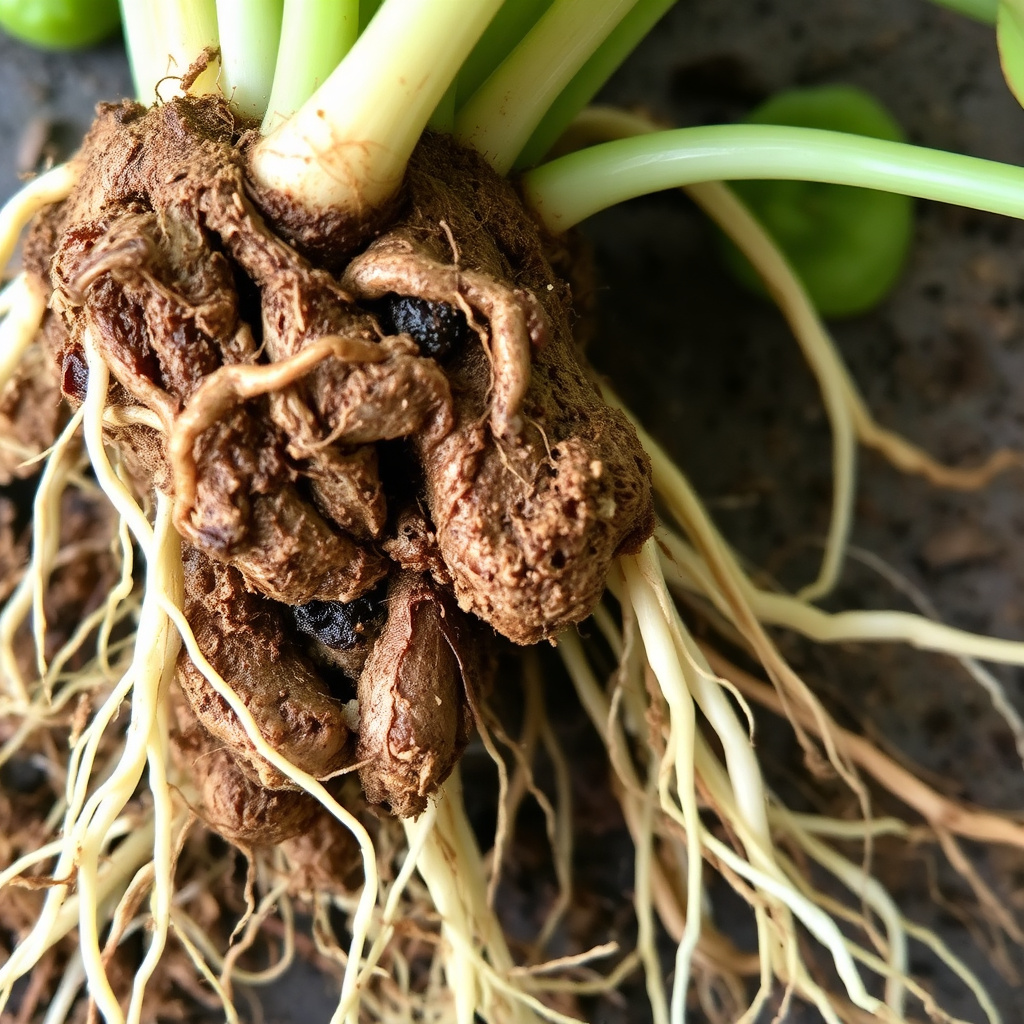
Healthy roots appear white or light tan and firm. Roots affected by rot turn brown or black, become soft, mushy, and sometimes emit a foul smell. Carefully removing your plant from its pot allows you to assess root condition and confirm root rot.
If more than 30% of the roots show these symptoms, immediate treatment is necessary. Severely damaged roots cannot recover and should be pruned to encourage new growth.
- Healthy roots: firm, white or tan
- Rotting roots: soft, brown/black, smelly
- Use gentle root washing to examine
- Remove heavily damaged roots
Step-by-Step Root Rot Treatment
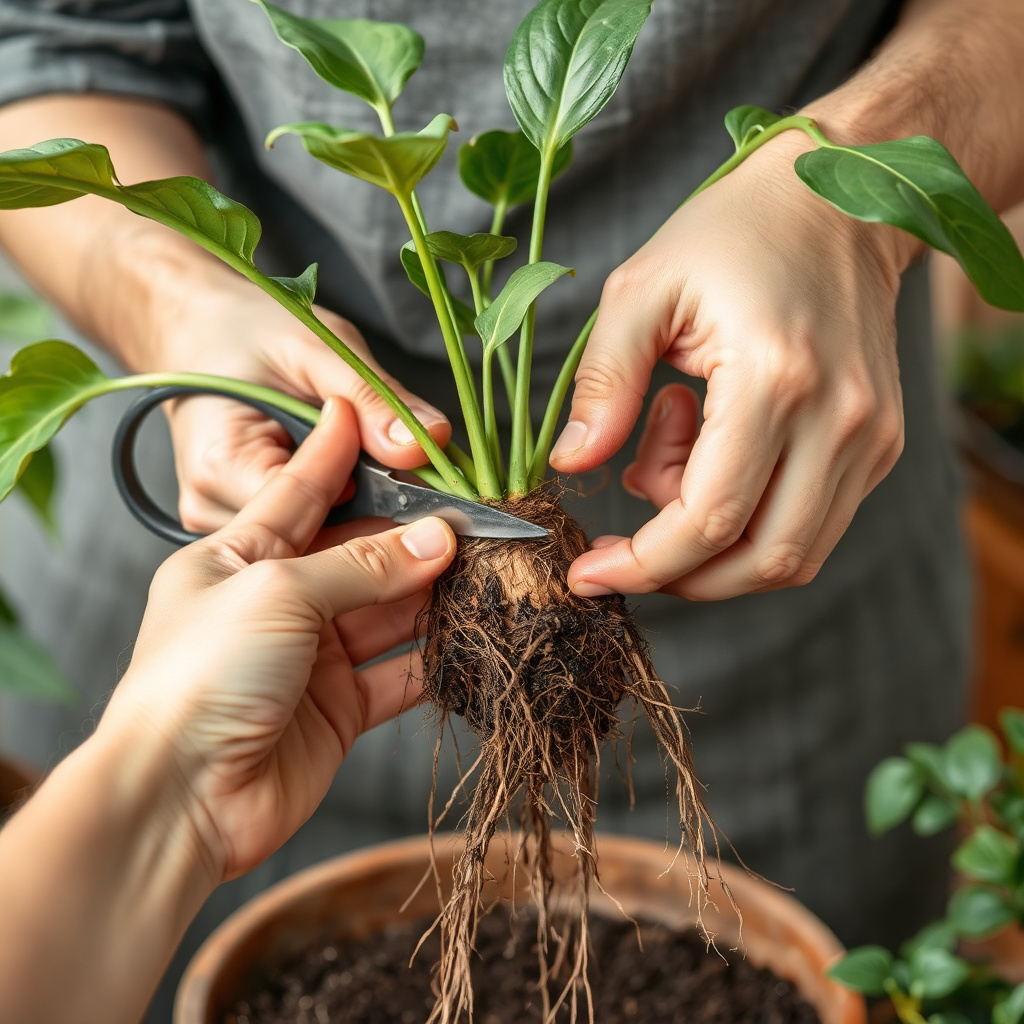
Removing Rotten Roots and Repotting
Begin by removing the plant from its pot. Gently wash away soil to expose the roots, then use sterilized scissors to cut off all mushy, black, or rotten roots. Cut well into healthy tissue to prevent fungus spread.
After pruning, repot the plant into fresh, well-draining soil and a clean pot with drainage holes. Avoid overpacking soil to allow proper aeration. Repotting reduces fungal presence and gives roots healthy soil to recover.
- Use sterilized tools for pruning
- Cut past damaged roots into healthy tissue
- Choose well-draining soil and pots
- Avoid compacting soil during repotting
For more on this, see our related guide: How to Prevent Root Rot in Plants: Effective Strategies for Healthy Growth.
Adjusting Watering and Environmental Conditions
Water the plant sparingly after repotting, allowing the soil surface to dry between watering to prevent recurring root rot. Overwatering is the most common cause of rot and must be corrected immediately.
Improving light exposure and air circulation also helps stressed plants recover more quickly. Avoid overly humid or stagnant conditions where pathogens thrive.
- Let soil dry before watering again
- Provide adequate indirect sunlight
- Increase air circulation around plants
- Avoid waterlogged environments
Soil and Drainage Improvements for Root Rot Prevention
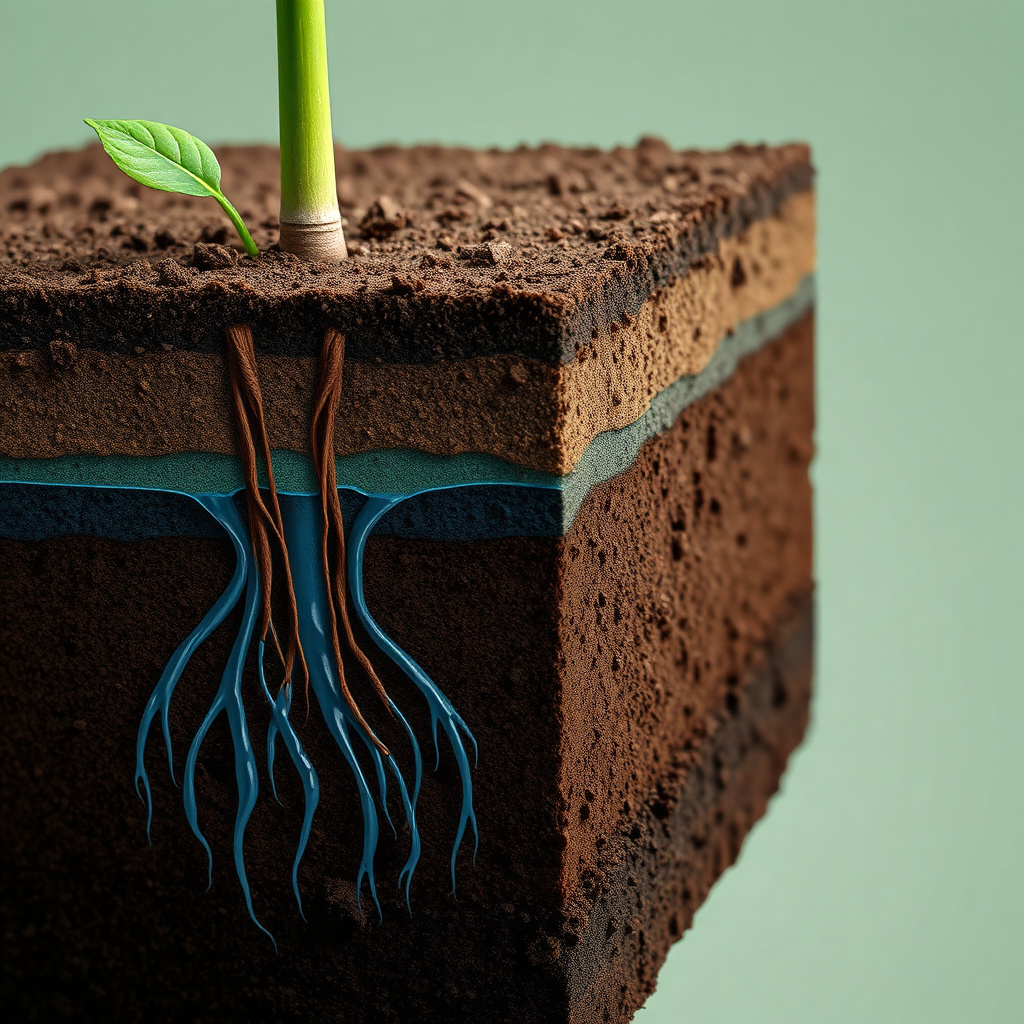
Choosing the Right Soil Mix
Select soil mixes with good drainage properties tailored to your plant species. Mixes including perlite, vermiculite, or coarse sand help improve aeration and prevent water retention that leads to root rot.
Avoid using heavy clay or compacted soil which retains excess moisture. Customizing soil according to whether your plant prefers moisture or drier conditions can drastically reduce root rot risks.
- Use porous, well-aerated soil mixes
- Add perlite or coarse sand for drainage
- Avoid heavy, compacted soils
- Match soil moisture retention to plant needs
Improving Drainage in Containers and Garden Beds
Ensure pots have sufficient drainage holes to allow excess water to escape easily, preventing water-logged soil conditions. Adding a layer of gravel or broken pottery at the bottom can also enhance drainage.
For garden beds, amend soil with organic matter and sand to improve drainage. Elevated beds or raised rows help avoid standing water where root rot pathogens proliferate.
- Check for functional drainage holes in pots
- Add gravel layer in pots to improve drainage
- Amend garden soil with organic matter and sand
- Use raised beds to prevent water pooling
Fungicides and Natural Remedies for Root Rot
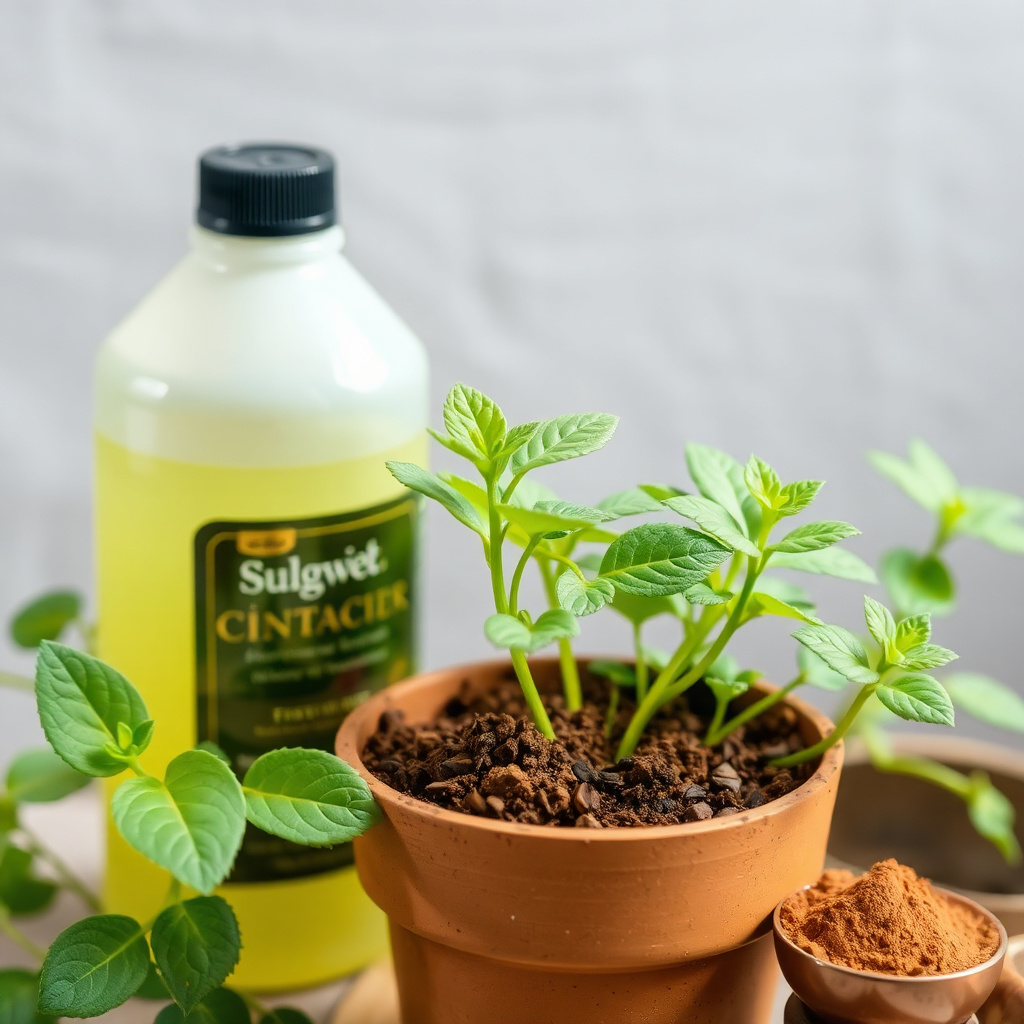
Using Fungicides Safely and Effectively
Fungicides containing active ingredients like mefenoxam or thiophanate-methyl can help control fungal pathogens causing root rot. Apply fungicides following label instructions, targeting the soil and roots after pruning and repotting.
Use fungicides as a supplementary treatment, not a standalone solution. Proper cultural care alongside treatment is necessary to prevent reinfection and promote root recovery.
- Choose fungicides formulated for root rot fungi
- Follow manufacturer application guidelines
- Combine with proper watering and soil care
- Avoid overuse to prevent resistance
For more on this, see our related guide: How to Fix Overwatered Cannabis Plants: Effective Recovery Tips.
Natural Treatments and Preventative Measures
Natural remedies such as cinnamon powder sprinkled on cuts or diluted hydrogen peroxide treatments can help reduce fungal growth and disinfect tools. Beneficial microbes like Trichoderma or mycorrhizae introduced into the soil may support healthy root systems.
Regularly sterilize pots and tools, avoid overwatering, and maintain good hygiene with natural soil amendments to make your environment less hospitable to root rot pathogens.
- Use cinnamon powder on pruning cuts
- Apply diluted hydrogen peroxide sparingly
- Introduce beneficial microbes to soil
- Sterilize tools and maintain cleanliness
Specific Root Rot Treatment for Different Plant Types

Houseplants and Container Plants
For houseplants, immediate repotting with root pruning and switching to a lightweight, well-draining potting mix is essential. Avoid placing pots on saucers filled with water and reduce watering frequency to allow drying between sessions.
Using indoor grow lights can also aid recovery if natural light is insufficient, helping stressed plants regain strength without excessive moisture.
- Repot promptly and prune roots
- Use lightweight, well-draining mix
- Avoid standing water under pots
- Supplement with grow lights if needed
For more detailed scientific background about root rot causes and prevention, visit the root rot information on Wikipedia. root rot information on Wikipedia.
Outdoor and Garden Plants
Outdoor plants with root rot require soil amendment to improve drainage and sometimes physical root excavation to remove infected parts. Raised beds or mounds help prevent water accumulation around roots in gardens prone to poor drainage.
Mulching with dry materials and avoiding overhead irrigation near the base reduces fungal spread. Applying appropriate fungicides after pruning improves chances of recovery for affected shrubs or perennials.
- Improve garden soil structure and drainage
- Use raised beds or mounds if possible
- Apply mulch and avoid wetting stems
- Prune and treat with fungicides as needed
Root Rot Treatment Methods Comparison
Here is a comparison of common root rot treatment approaches, their effectiveness, and ideal use cases.
| Treatment Method | Effectiveness | Best For | Ease of Use |
|---|---|---|---|
| Root Pruning and Repotting | High | Houseplants, Container Plants | Moderate |
| Fungicide Application | Medium-High | Severe Cases, Garden Plants | Moderate |
| Natural Remedies (Cinnamon, Hydrogen Peroxide) | Low-Medium | Mild Cases, Preventative | Easy |
| Soil and Drainage Improvement | High | All Plants | Varies |
| Adjusting Watering Practices | High | All Plants | Easy |
Frequently Asked Questions
Can root rot be completely cured?
Root rot can often be controlled and plants saved if caught early. Thoroughly removing rotten roots and improving conditions usually allows recovery, but severe infections can permanently damage roots beyond repair.
How often should I water plants to avoid root rot?
Watering frequency depends on plant species and environment, but generally water only when the top inch of soil is dry. Overwatering is the main cause of root rot.
Are some plants more resistant to root rot?
Yes, drought-tolerant and succulents have adapted to drier soil conditions and often resist root rot better than moisture-loving tropical plants.
Is it safe to use fungicides indoors?
Many fungicides are safe indoors when used according to label instructions. Always ensure proper ventilation and avoid direct inhalation during application.
Can I prevent root rot using natural methods alone?
Natural methods help by promoting healthy soil and reducing fungal growth, but prevention also requires proper watering and drainage. Combining methods offers better protection.
Key Takeaways
- Early detection and root pruning are critical to fixing root rot.
- Improving soil drainage and adjusting watering habits prevents recurrence.
- Fungicides and natural remedies can support treatment but must accompany cultural care.
- Different plants need tailored approaches based on their environment and growth habits.
Conclusion
Fixing root rot requires quick, decisive action focused on removing infected roots and correcting the underlying causes such as poor drainage and overwatering. By carefully inspecting your plant’s roots and pruning away all damaged tissue, you interrupt the spread of fungi responsible for rot. Combining root treatment with repotting into fresh, well-draining soil and modified watering habits re-establishes healthy roots and replenishes essential nutrients. This comprehensive approach ensures your plants regain their vitality and reduces chances of future infections.
When deciding how to fix root rot, consider the specific plant type and environment to choose fitting methods. For houseplants, root pruning followed by repotting into a lightweight mix is often sufficient, while garden plants may need soil amendments and raised beds for improved drainage. Fungicides can be useful in severe cases but work best alongside careful cultural care. Natural remedies such as cinnamon or beneficial microbes provide additional support, especially in mild cases or as preventative measures. Each scenario calls for adjusting these tactics to fit the plant’s needs and your available resources.
If you suspect root rot, begin by thoroughly inspecting roots and promptly pruning affected areas. Next, repot into suitable soil with good drainage and reduce watering frequency to discourage further fungal growth. Use fungicides or natural treatments only in combination with these basics. Regularly monitoring soil moisture, sterilizing tools, and maintaining plant hygiene will help you stay ahead of this common plant health threat. With attentive care and timely intervention, root rot can be managed effectively to keep your plants thriving.