Are Cannabis Seeds Legal to Own? Understanding the Laws
Cannabis seeds are legal to own in many regions, but this legality often varies significantly depending on local, state, or national laws. In some places, possessing seeds is perfectly allowed, even if growing cannabis is restricted or illegal. In others, owning cannabis seeds could lead to legal penalties, especially if intent to cultivate is presumed.
Understanding whether cannabis seeds are legal to own matters because the laws can be complex and sometimes contradictory. Some jurisdictions treat seeds as agricultural products, while others categorize them as drug paraphernalia. This legal gray area often causes confusion for consumers, growers, and sellers alike.
This article explores the various legal frameworks governing cannabis seeds, clarifies common myths, and guides you on how to verify the legal status of seed ownership in different regions. We will break down the laws by country and state, discuss implications for buyers and sellers, and highlight key points to be aware of.
Global Legal Landscape of Cannabis Seeds
Countries Where Cannabis Seeds are Legal
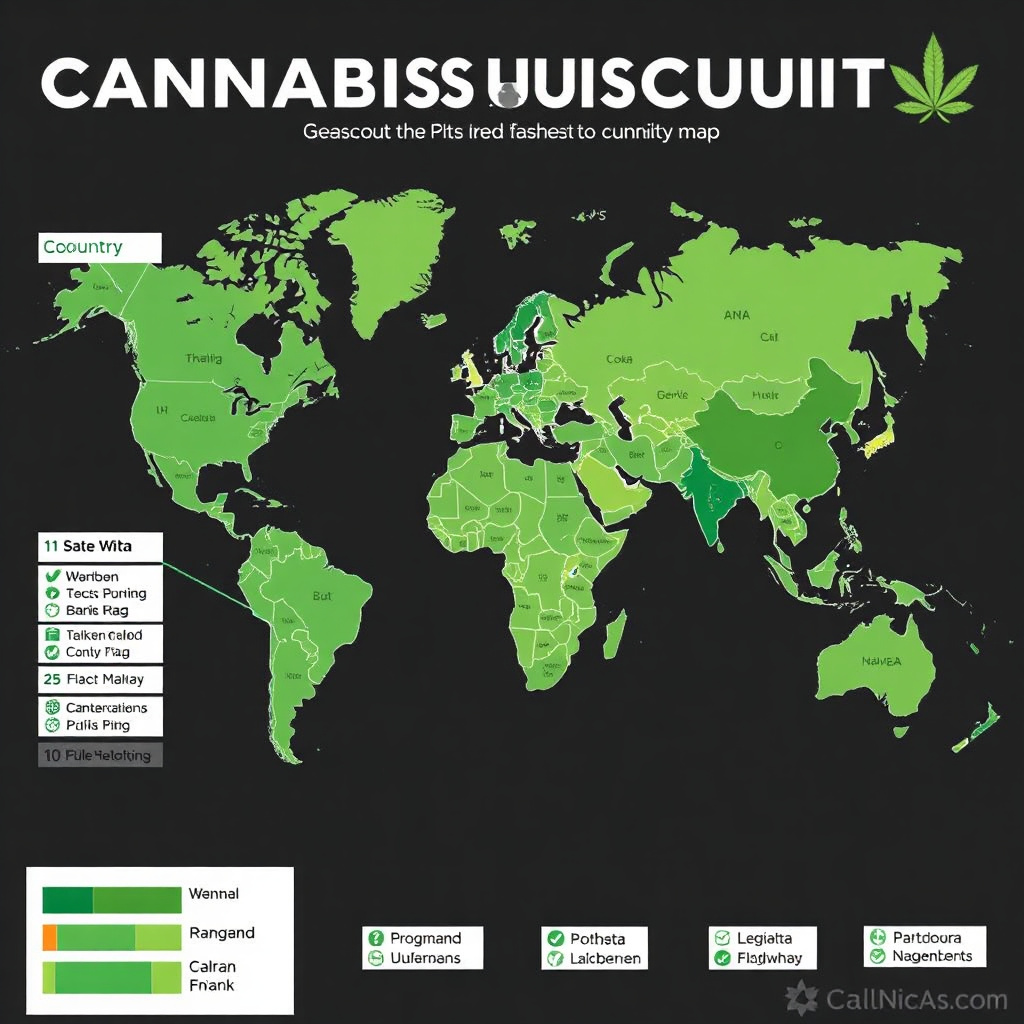
Several countries have legalized or decriminalized cannabis in some form, which often includes the legality of cannabis seeds. In places like Canada, the Netherlands, and Spain, owning cannabis seeds is legal and commonly tolerated. These countries usually regulate seed sales and ownership under controlled frameworks.
In these regions, purchasing seeds from licensed vendors is generally permitted, and private possession is not penalized. However, even where seeds are legal, cultivating cannabis plants may require licenses or be restricted to personal use limits.
- Canada: Legal for personal use with regulations
- Netherlands: Allowed for personal possession
- Spain: Private cultivation and seed possession allowed
Regions with Restrictions or Prohibitions
Many countries maintain strict prohibitions on cannabis seeds. In the United States, legality depends on state law, with federal law still classifying cannabis as a controlled substance. Some states criminalize seed possession, particularly where cannabis cultivation remains illegal.
Other countries, including much of Asia, the Middle East, and some parts of Europe, often treat cannabis seeds as illegal. Possession can lead to fines, arrests, or other penalties, especially if intent to cultivate is inferred.
- Most U.S. states: Varies by state
- Many Asian countries: Strict prohibition
- Middle Eastern countries: Generally illegal
Legal Nuances of Cannabis Seed Ownership

Seeds vs. Cultivation Laws
Possessing cannabis seeds is often treated separately from planting or growing cannabis plants. Some laws explicitly allow seed ownership but prohibit germination or cultivation without licenses. This distinction is crucial for consumers wanting to remain compliant.
For example, a person might legally possess cannabis seeds as collectible or souvenir items but could face legal trouble if those seeds are planted. Understanding local cultivation laws in conjunction with seed possession is necessary to avoid penalties.
- Legal to own but illegal to germinate
- Cultivation requires permits in many areas
- Penalties differ for possession vs. growth
Intent and Prosecution Risks
Law enforcement may interpret possession of cannabis seeds plus certain paraphernalia as intent to cultivate, which can escalate legal consequences. In some cases, merely having seeds can lead to suspicion and arrest if combined with other evidence.
Some jurisdictions require prosecutors to show clear intent to grow cannabis before filing charges. Knowing your local legal environment regarding intent is important if you plan to own cannabis seeds.
- Intent to cultivate affects legal outcomes
- Evidence beyond seeds may be needed for prosecution
- Some areas enforce zero-tolerance policies
Buying Cannabis Seeds Legally
Reputable Seed Banks and Sellers
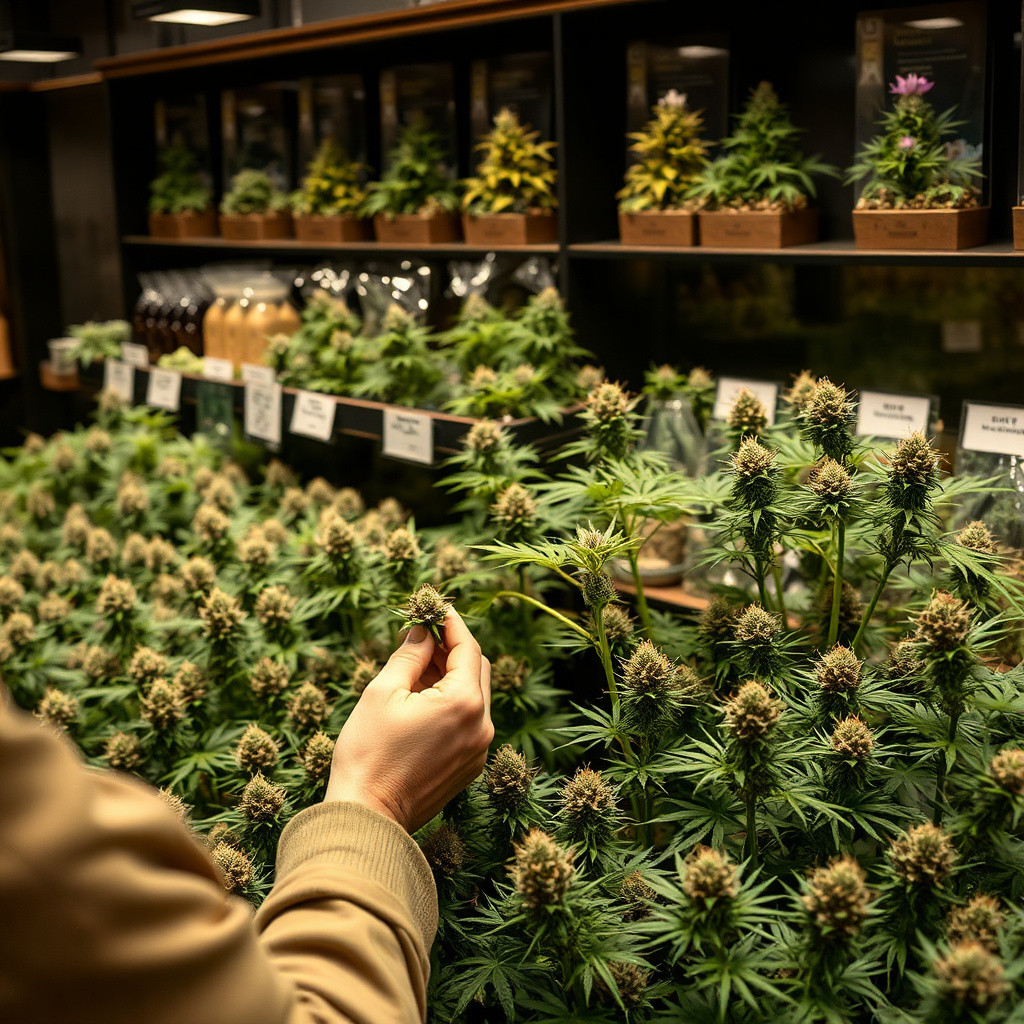
Purchasing cannabis seeds from legitimate, licensed seed banks is advisable to ensure legal compliance and seed quality. Legitimate vendors operate in jurisdictions where seed sales are regulated and provide transparent information about laws affecting buyers.
Many reputable suppliers ship seeds with discreet packaging and legal disclaimers. However, consumers should verify their region’s laws before ordering to avoid customs seizures or legal issues.
- Licensed international seed bank options
- Discreet packaging to avoid detection
- Legal disclaimers and compliance info
For more on this, see our related guide: Are Cannabis Seeds Legal in the USA? Understanding the Legal Landscape.
Online Seed Buying Considerations
Online purchases of cannabis seeds can cross borders, raising legal questions about import restrictions and customs enforcement. Buyers should research import rules and possible penalties in their jurisdiction before ordering online.
Some countries allow seed imports as souvenirs or genetic material, while others ban them completely. Understanding online seed purchasing risks helps prevent inadvertent legal violations.
- Potential customs seizure
- Import restrictions vary widely
- Research before ordering internationally
Storage and Transport of Cannabis Seeds

Best Practices for Seed Storage
Proper storage maintains seed viability and protects against accidental germination. Cannabis seeds should be kept in cool, dark, and dry environments, often in airtight containers or sealed bags. Temperature fluctuations and moisture can damage seeds quickly.
Some enthusiasts use refrigeration to extend longevity, but seeds must be acclimated to room temperature before planting to avoid damage.
- Airtight containers for moisture control
- Cool and dark storage spaces
- Avoid temperature extremes
Legal Issues in Transporting Seeds
Transporting cannabis seeds across state or country borders can be legally complex. Seeds legally owned in one area may be illegal in another, increasing risk during transit. Some jurisdictions impose fines or confiscate seeds from travelers.
It is prudent to research transport regulations carefully and avoid crossing borders with cannabis seeds unless explicitly allowed.
- State and international transport restrictions
- Seizure risk at border checkpoints
- Carry documentation if required
Understanding Cannabis Seed Laws in the United States

States with Legal Seed Possession
Several U.S. states have legalized cannabis seeds for personal use. States like California, Colorado, and Oregon allow possession and purchasing from licensed dispensaries. These states have clear regulations separating seed ownership from cultivation licenses.
Possessing seeds in these states generally does not attract penalties, provided the user complies with state-specific cultivation limits and age restrictions.
- California: Legal possession and sale
- Colorado: Seed ownership allowed
- Oregon: Personal use permitted
For more on this, see our related guide: Cannabis Cultivation Laws by State: What You Need to Know in 2024.
States Where Seeds Remain Illegal or Restricted
Some states maintain restrictions on cannabis seeds despite cannabis legalization. For example, states where cannabis remains illegal prohibit seed possession, or only allow seeds for industrial hemp varieties.
Federal law still classifies cannabis as a controlled substance, complicating interstate seed transport and sales.
- Idaho: Cannabis seeds illegal
- Nebraska: Restricted seed possession
- Federal restrictions remain in place
Common Misconceptions About Cannabis Seed Legality
Seeds Always Imply Permission to Grow
One frequent misunderstanding is that owning cannabis seeds automatically grants the legal right to cultivate cannabis. In many locales, this is false — legal seed ownership does not include permission to plant or grow.
Many laws explicitly separate these rights, penalizing unauthorized cultivation while tolerating seed possession.
For a detailed overview of cannabis seed legality worldwide, the Cannabis seed legal information on Wikipedia is a respected resource. Cannabis seed legal information on Wikipedia.
All Cannabis Seeds are the Same Legally
People often assume legal status is the same for all cannabis seeds. However, hemp seeds containing less than 0.3% THC are legal federally in some countries, whereas marijuana seeds with higher THC content are more heavily regulated.
Identifying seed types and their corresponding laws is important for compliance.
Comparison of Cannabis Seed Legal Status by Region
Below is a comparison table summarizing how cannabis seed legality differs across various regions.
| Region | Legal Status of Seeds | Cultivation Allowed | Notes |
|---|---|---|---|
| Canada | Legal | Allowed with restrictions | Licensed sale and possession permitted |
| Netherlands | Legal | Allowed privately | Seeds sold openly, personal cultivation tolerated |
| United States (California) | Legal | Allowed with licenses | State-dependent laws vary widely |
| United States (Idaho) | Illegal | No | Seeds and cultivation prohibited |
| Spain | Legal | Allowed privately | Personal seed possession and cultivation allowed |
| Japan | Illegal | No | Strict penalties on seed possession |
Frequently Asked Questions
Can I legally buy cannabis seeds online?
Buying cannabis seeds online depends on your local laws. Some regions permit online purchases from licensed vendors, while others restrict or ban imports. Always check your jurisdiction’s regulations before ordering.
Are cannabis seeds considered drugs by law?
In many areas, cannabis seeds are not classified as drugs unless they are germinated or cultivated. However, some jurisdictions classify seeds as drug paraphernalia, especially if intent to grow is suspected.
Is it legal to transport cannabis seeds across state lines?
Transporting cannabis seeds across state or country borders can be illegal, even if possession is legal where you start. Laws vary and crossing borders with seeds may lead to confiscation or fines.
Do hemp seeds have different legal status from marijuana seeds?
Yes. Hemp seeds, which come from plants with less than 0.3% THC, have broader legal acceptance federally and internationally, whereas marijuana seeds with higher THC levels face stricter regulations.
Key Takeaways
- Cannabis seed legality varies widely by country and state.
- Owning seeds often differs legally from growing cannabis plants.
- Buying seeds from licensed vendors reduces legal risk.
- Transporting seeds across borders carries legal complications.
Conclusion
Determining whether cannabis seeds are legal to own requires careful attention to local and national laws, as regulations differ significantly around the world. While some regions allow seed possession freely, others impose strict controls or outright bans. Understanding the legal distinctions between owning, purchasing, storing, and cultivating cannabis seeds is essential for avoiding legal trouble. The laws can be intricate, especially where intent to cultivate affects enforcement, so informed decisions are necessary when dealing with cannabis seeds.
For those living in countries like Canada or states such as California where cannabis seeds are legal to own and grow within regulated frameworks, purchasing seeds from licensed seed banks is advisable. Conversely, residents of states or countries with restrictive laws should avoid seed possession or stick to industrial hemp seeds that meet legal THC limits. Knowing the precise legal environment—including differences between cannabis and hemp seeds—helps consumers and growers act within the law and protect themselves from penalties.
If you are considering acquiring cannabis seeds, start by researching your specific regional laws and confirm if seed ownership, buying, and transport are permitted. Rely on reputable sellers that disclose legal disclaimers and provide clear information about local regulations. Taking these steps will help you navigate the complex landscape surrounding cannabis seeds confidently and responsibly.