How to Compare Seed Banks for Quality and Reliability
Comparing seed banks involves evaluating factors such as seed quality, germination rates, pricing, customer service, and seed variety. The best seed banks offer verified germination guarantees, clear sourcing info, and secure shipping methods to preserve seed viability.
Making an informed comparison matters because not all seed banks maintain rigorous quality control. Reliable seed banks provide fresh, genetically true seeds and detailed product descriptions. Selecting the right one can significantly impact your garden's success and your satisfaction as a gardener.
This article covers how to assess seed banks based on key criteria including seed quality, pricing, payment and shipping policies, customer feedback, and available seed types. You’ll also find comparisons of popular seed bank categories to guide your decision.
Evaluating Seed Quality and Germination Rates

Understanding Seed Germination Guarantees
Many reputable seed banks provide germination guarantees indicating expected seed viability. These guarantees typically cover a percentage of seeds expected to sprout within a specified time, allowing customers to claim replacements if results fall below stated levels.
When comparing seed banks, check how they test and communicate germination rates. Reliable companies perform seed tests regularly and clearly disclose guarantees, which helps you predict planting success more confidently.
- Check for a written germination guarantee
- Look for recent seed test dates
- Confirm coverage period for replacement
Seed Freshness and Storage Methods
Seed longevity depends heavily on how seeds are stored. Proper storage in cool, dry, and dark environments prolongs viability. The best seed banks rotate stock frequently to supply fresh seeds.
Compare seed banks based on their transparency about storage practices. Reputable sellers will detail their packaging and storage methods, which can affect planting success decades after purchase.
Assessing Seed Variety and Catalog Depth
Diversity of Seed Types Offered
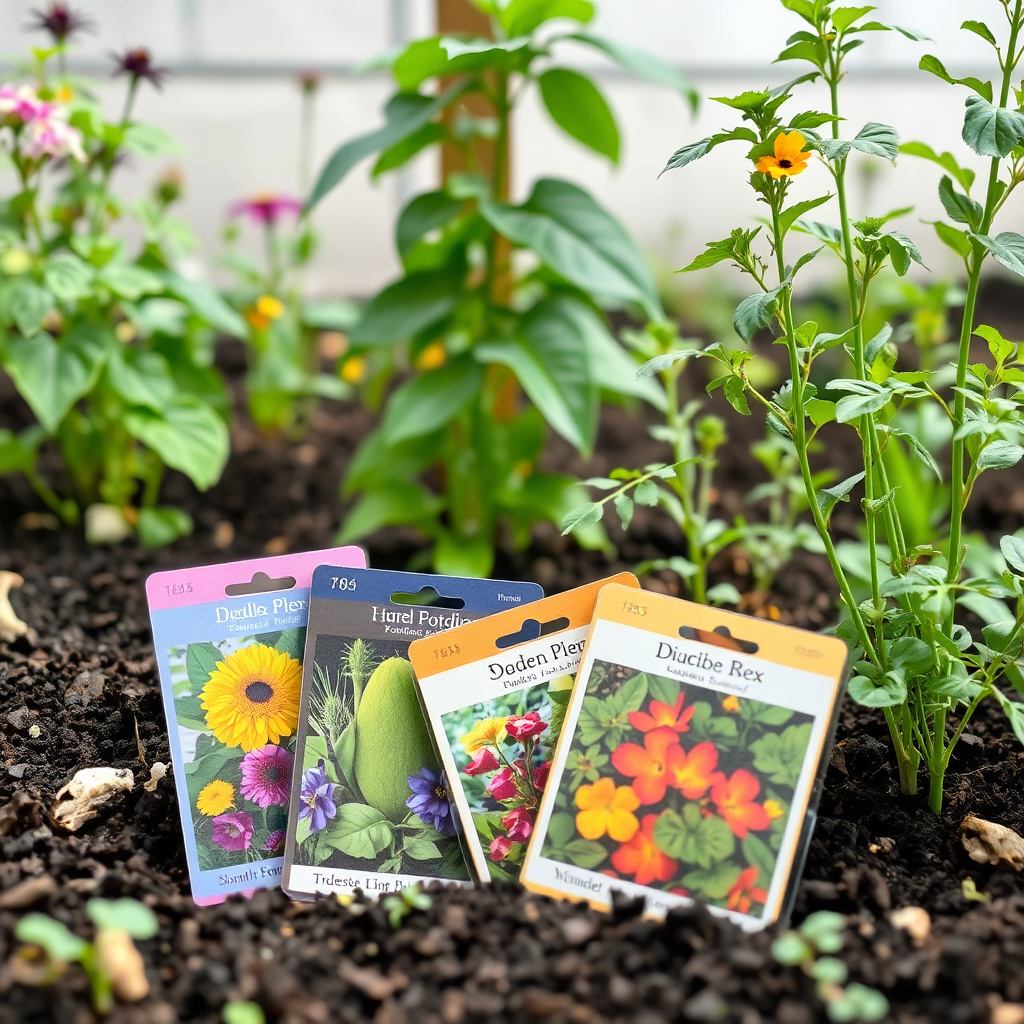
Seed banks differ in the breadth of their catalog, from general herbs and vegetables to rare or heirloom varieties. Depending on your gardening goals, the range and specialty seeds available should match your needs.
Evaluate if the seed bank offers organic, non-GMO, or region-specific seeds to align with your preferences. Some banks cater specifically to gardeners seeking unusual or heritage varieties.
- Vegetables, herbs, flowers, and fruits variety
- Availability of heirloom and rare seeds
- Organic and non-GMO options
For more on this, see our related guide: Are Cannabis Seeds Legal in the USA? Understanding the Legal Landscape.
Catalog Accessibility and Information Detail
Clear, detailed descriptions on seed packets and online catalogs improve your understanding of growing conditions and requirements. Compare seed banks on how much growing guidance and photos they provide.
A quality seed catalog will include planting depth, spacing, temperature ranges, expected maturity, and typical yield details, helping gardeners optimize planting success.
Pricing, Payment Methods, and Shipping Options

Comparing Seed Costs and Bulk Discounts
Seed prices vary between banks due to brand reputation, seed quality, and packaging. Look beyond unit cost and consider bulk discounts or bundle deals for better value if you need many seeds.
Transparent pricing without hidden fees or mandatory memberships helps avoid surprises. Compare prices across similar seed varieties to assess fair market cost.
- Individual packet pricing
- Bulk purchase options
- Discounts or loyalty programs
Payment Security and Shipping Reliability
Check that the seed bank offers secure payment gateways like credit cards or PayPal. Reliable shipping with tracking and discreet packaging protects your order and privacy.
Seed banks with international shipping might encounter delays, so review estimated delivery times and customer shipping experiences before committing.
Customer Service and Reviews Analysis

Importance of Responsive Customer Support
Good customer service can resolve issues with orders, replacements, or growing advice swiftly. Seed banks with fast, knowledgeable support enhance user trust and satisfaction.
Test responsiveness through pre-purchase inquiries if possible, and look for money-back or seed replacement policies that demonstrate confidence in their products.
For more on this, see our related guide: What Causes Seeds to Lose Viability and How to Prevent It.
Reading and Verifying Customer Reviews
Objective reviews often provide real-world insights into seed viability and shipping reliability. Focus on detailed reviews from verified purchasers rather than generic endorsements.
Consider patterns in feedback—consistent complaints about low germination or poor packaging signal red flags to avoid.
Legal and Ethical Considerations When Choosing Seed Banks
Compliance With Plant Import and Export Regulations
Some seeds are regulated due to invasive species concerns or phytosanitary laws. Seed banks that provide clear guidance on legal shipping destinations help avoid customs issues and fines.
Confirm that the seller is licensed to ship internationally if you require seeds from overseas sources.
For a broader understanding of seed banks and their functions, explore detailed background information on seed bank information on Wikipedia. seed bank information on Wikipedia.
Supporting Sustainable and Ethical Seed Practices
Ethical seed banks often promote open-pollinated or heirloom seeds instead of patented hybrids, supporting biodiversity and seed sovereignty.
Compare whether seed banks disclose seed origin and breeders, enabling buyers to support ethical growing and conservation efforts.
Seed Bank Categories Comparison
Here is a comparison of popular seed bank types by quality, variety, pricing, and customer service.
| Category | Seed Quality | Seed Variety | Price Range | Customer Service |
|---|---|---|---|---|
| Specialty Heirloom Seed Banks | High (90-95% germ.) | Exclusive heirlooms | $7-$15/pack | Excellent support |
| General Gardening Seed Suppliers | Moderate (80-90% germ.) | Wide common plants | $3-$8/pack | Good support |
| Budget Seed Suppliers | Variable (70-85% germ.) | Basic vegetables/herbs | $1-$4/pack | Average support |
| Organic Certified Seed Banks | High (85-92% germ.) | Certified organic only | $7-$12/pack | Responsive service |
| Online Large Marketplaces | Varies widely | Vast but mixed quality | $2-$10/pack | Variable support |
Frequently Asked Questions
What is the best way to check the quality of seeds from a seed bank?
The best way is to review the seed bank's germination guarantee and test transparency. Reading customer feedback about germination success also helps assess seed quality.
Are heirloom seeds better than hybrid seeds from seed banks?
Heirloom seeds maintain original plant traits and can be saved year to year, while hybrids focus on traits like disease resistance but may not breed true. Selection depends on gardening goals.
How important is seed bank customer service when choosing where to buy?
Customer service matters for resolving issues promptly, offering advice, and facilitating seed replacements, which contributes significantly to a positive buying experience.
Can I trust seed banks that ship internationally?
Yes, if the seed bank clearly follows import/export regulations and provides tracking and secure packaging to protect seed viability during transit.
Why do seed prices vary so much between different seed banks?
Prices differ based on seed quality, rarity, packaging, and business overhead. Organic or heirloom seed banks typically charge more due to specialized production.
Key Takeaways
- Evaluate seed banks based on germination guarantees and seed freshness.
- Match seed variety offerings to your gardening needs and preferences.
- Compare pricing transparently and consider shipping reliability.
- Consider customer service quality and ethical seed sourcing.
Conclusion
Choosing the right seed bank is a balanced decision combining seed quality, variety, price, and customer service. Prioritize seed banks with verified germination guarantees and transparent practices to improve your chance of successful gardening outcomes. Investigating seed freshness and testing standards can save frustration with poor sprouting rates.
For those focused on rare or heritage plants, specialty heirloom seed banks offer superior variety and detailed guidance, while organic seed banks cater well to gardeners prioritizing chemical-free seeds. If your goal is basic vegetable gardening on a budget, general suppliers provide solid quality at accessible prices. Assessing shipping options and responsiveness completes the decision-making framework.
Start by identifying your primary garden goals and matching seed bank strengths accordingly. Read customer reviews carefully and reach out with questions to test responsiveness. Ultimately, ordering from a reputable seed bank with clear guarantees will enhance your gardening success and enjoyment, making the investment worthwhile.