How to Understand Terpenes: A Complete Guide to Their Roles and Effects
Terpenes are aromatic compounds found in many plants, especially cannabis, that significantly affect flavor, scent, and potential therapeutic benefits. Understanding terpenes means recognizing these molecules’ roles in influencing aroma profiles and their subtle impact on mood and health.
Terpenes impact more than just fragrance; they interact synergistically with other plant chemicals and influence how a product or extract feels and tastes. This makes terpene knowledge valuable in fields from aromatherapy to cannabis consumption and even culinary arts.
This article covers terpene basics, common types, effects on the human body, how to identify terpene profiles, and practical applications. By the end, you’ll understand what terpenes are and how to use that information when choosing herbs, essential oils, or cannabis strains.
What Are Terpenes and Where Are They Found?

Chemical Nature and Function of Terpenes
Terpenes are hydrocarbon molecules produced by plants as secondary metabolites. They often form part of essential oils and serve ecological purposes like deterring herbivores, attracting pollinators, or protecting against environmental stress.
Structurally, terpenes are built from isoprene units, creating diverse types with varying properties. This molecular diversity explains the wide spectrum of smells and effects, from piney to citrusy aromas.
Common Sources of Terpenes
Terpenes are abundant in coniferous trees, citrus peels, herbs like rosemary and lavender, and especially in cannabis plants. Each source has a characteristic terpene profile contributing uniquely to plant aroma and potential health effects.
In cannabis, the terpene content varies by strain and cultivation, influencing flavor and possibly the type of high experienced. Knowing terpene-rich sources helps consumers select products tailored to their preferences.
Major Types of Terpenes and Their Effects

Key Terpenes with Recognizable Aromas
Myrcene offers an earthy, musky scent and is often associated with sedative and relaxing effects. Limonene smells citrusy and can elevate mood and reduce stress. Pinene carries a fresh pine aroma and may improve alertness and memory.
Other common terpenes include linalool, with a floral lavender scent linked to calming properties, and caryophyllene, which has a spicy, peppery aroma and interacts uniquely with the body’s cannabinoid receptors.
- Myrcene – earthy, sedative
- Limonene – citrus, uplifting
- Pinene – pine, alertness
- Linalool – floral, calming
- Caryophyllene – spicy, anti-inflammatory
How Terpenes Affect the Human Body
Terpenes influence the body by interacting with receptors in the nervous system. Some may promote relaxation or focus, while others contribute to mood enhancement or pain relief. Their effects are often subtle but significant when combined with cannabinoids in cannabis products.
This interaction, called the entourage effect, suggests that terpene profiles can alter the intensity and quality of a product’s impact. Understanding these effects supports informed choices when selecting plant-derived products.
How to Identify and Interpret Terpene Profiles
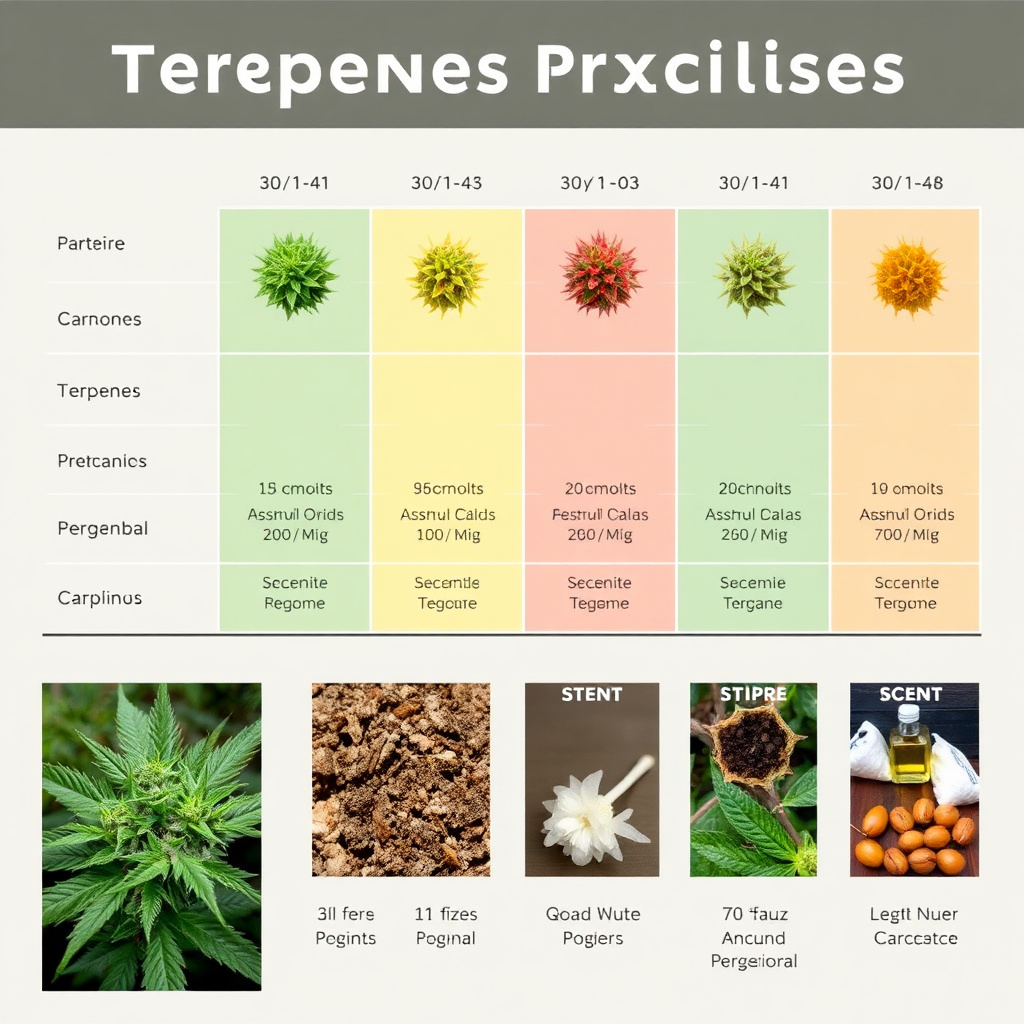
Reading Terpene Labels and Lab Reports
Lab reports on products like cannabis or essential oils often include terpene profiles, listing percentages of major terpenes present. Recognizing names and relative amounts allows consumers to predict aroma and effects more accurately.
Labels might highlight dominant terpenes or use terms like "fruity," "herbal," or "earthy" to represent profiles. Cross-referencing terpene names can improve understanding beyond marketing terms.
- Check for terpene concentration percentages
- Look for dominant terpene names
- Note descriptive aroma terms
For more on this, see our related guide: What Is a Cannabis Cultivar? Understanding Cannabis Cultivars Explained.
Using Sensory Evaluation to Detect Terpenes
Aroma and taste testing can help identify terpene presence, especially in fresh herbs or cannabis. Training your senses with common terpenes such as limonene’s citrus or pinene’s pine will refine your ability to pinpoint terpene profiles.
While lab analysis provides precise data, personal experience supports practical decisions, especially in choosing products for aromatherapy or culinary use.
Practical Applications of Terpene Knowledge
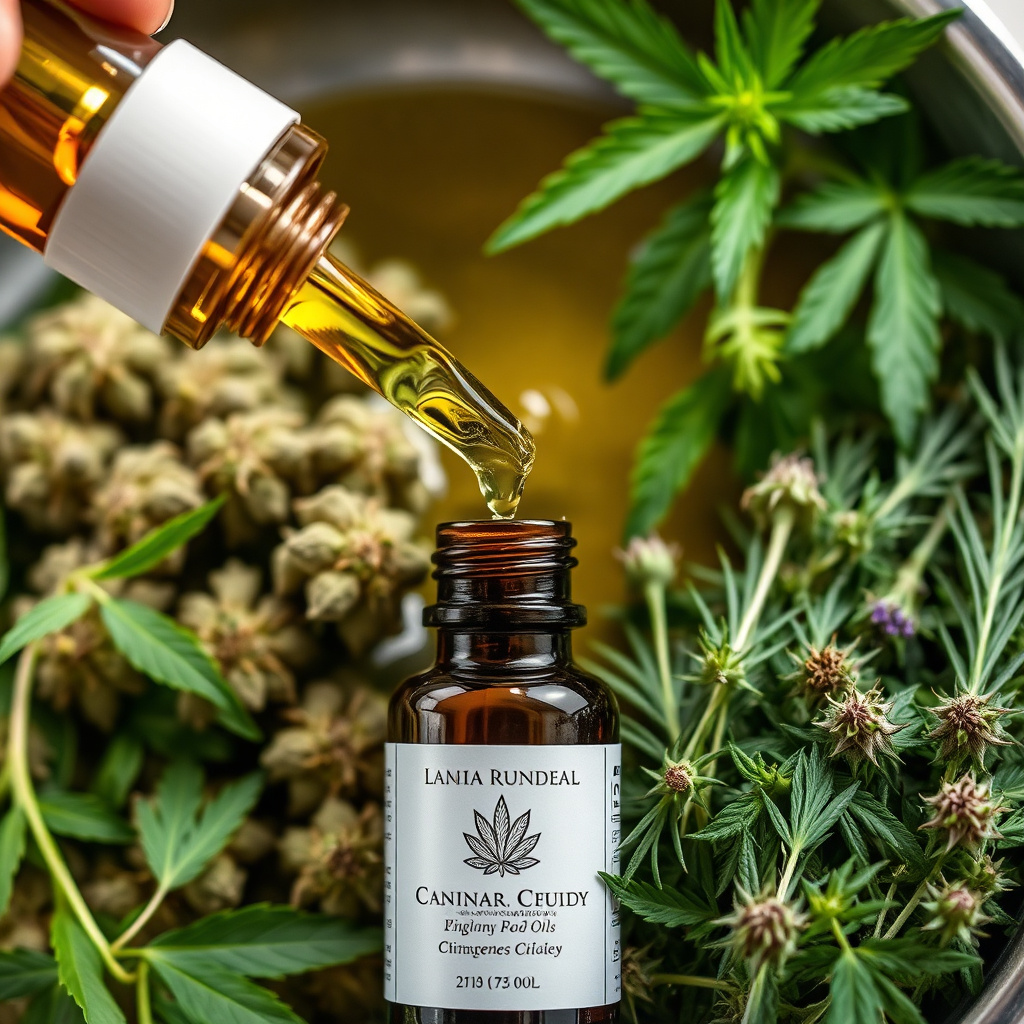
Aromatherapy and Wellness Uses
Terpenes like linalool and limonene are popular in aromatherapy for relaxation and mood enhancement. Herbalists blend terpene-rich essential oils to maximize therapeutic benefits based on desired mental or physical effects.
Understanding terpene profiles helps select targeted wellness products, whether for sleep support, stress relief, or energizing the senses.
Terpenes in Cannabis Selection and Consumption
Cannabis consumers increasingly use terpene profiles alongside cannabinoid content to choose strains fitting their needs. For example, strains high in myrcene may promote relaxation, while pinene-rich ones might improve focus.
Knowing terpenes improves the appreciation of flavor complexity and can guide users toward more satisfying experiences.
Factors Affecting Terpene Content and Stability

Cultivation and Harvesting Influences
Terpene levels vary significantly based on plant genetics, growth environment, and harvest timing. Stress, lighting, and soil conditions directly impact terpene synthesis in plants.
Harvesting at the right maturity and gentle handling preserves terpene integrity, affecting final product quality.
- Genetic strain selection
- Light exposure
- Harvest timing
For more on this, see our related guide: Cannabis Strain Lineage Explained: Understanding Origins and Genetics.
Storage and Processing Effects on Terpenes
Terpenes are volatile and degrade with heat, light, and oxygen exposure. Improper drying or storage reduces terpene content and alters aroma and effects.
Vacuum sealing, refrigeration, and using dark containers help maintain terpene profiles during storage.
- Avoid heat and direct light
- Use airtight containers
- Refrigerate or cool store
Terpene Safety and Allergy Considerations
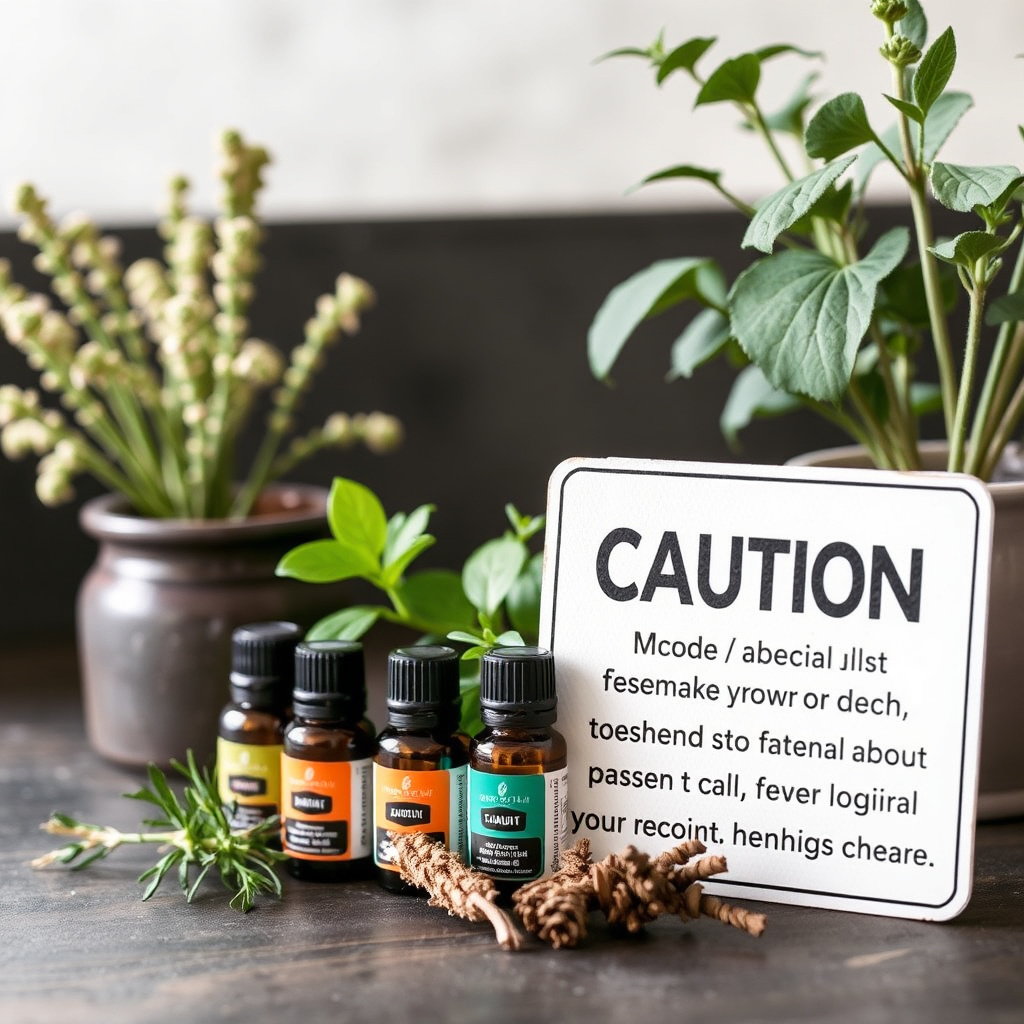
Potential Allergic Reactions and Sensitivities
Some individuals may experience allergic reactions or skin irritation from terpene-rich oils or products. Patch testing essential oils before extensive use minimizes adverse effects.
Sensitivity varies by person and terpene type, especially with powerful compounds like limonene that may cause photosensitivity.
- Perform patch tests
- Consult healthcare providers if needed
- Avoid overexposure to strong terpenes
For a detailed scientific overview of terpene chemistry and classification, visit Terpenes on Wikipedia. Terpenes on Wikipedia.
Safe Use Guidelines for Terpene Products
Dilution is vital when applying essential oils containing terpenes to skin. Following manufacturer instructions and understanding product concentration prevents unwanted side effects.
Ingesting terpene-rich products should be done cautiously and from reputable sources to avoid contaminants and inaccurate dosing.
- Dilute appropriately for topical use
- Use tested, high-quality products
- Avoid ingestion without guidance
Terpene Profile Category Comparison
Here is a comparison of common terpene categories and their typical aromas, effects, and applications to help distinguish their uses.
| Terpene Category | Primary Aroma | Common Effects | Typical Uses |
|---|---|---|---|
| Monoterpenes | Citrusy, piney | Energizing, uplifting | Aromatherapy, flavoring |
| Sesquiterpenes | Spicy, woody | Anti-inflammatory, calming | Medicinal extracts, perfumery |
| Diterpenes | Herbal, balsamic | Sedative, anti-inflammatory | Herbal remedies, cannabis strains |
| Triterpenes | Earthy, resinous | Varied, often therapeutic | Traditional medicine, cannabis concentrates |
Frequently Asked Questions
What exactly are terpenes?
Terpenes are natural compounds produced by plants responsible for their distinctive scents and flavors, also influencing therapeutic effects in herbal products.
How do terpenes affect the experience of cannabis?
Terpenes interact with cannabinoids to modulate the effects of cannabis, impacting aroma, flavor, and potential mental or physical responses.
Can terpene profiles change over time?
Yes, terpene content can degrade due to heat, light, or improper storage, which alters scent and reduces potential effects.
Are terpenes safe for everyone?
While generally safe, some people may develop allergies or sensitivities; patch testing and cautious use of terpene-rich products are advisable.
How can I learn to recognize different terpenes?
Familiarize yourself with common terpene aromas like citrus (limonene) or pine (pinene) through sensory experience and studying terpene profiles.
Key Takeaways
- Terpenes are aromatic compounds that impact plant scent, flavor, and effects.
- Different terpene types carry distinct aromas and potential therapeutic benefits.
- Terpene profiles guide choices in cannabis, aromatherapy, and culinary applications.
- Proper cultivation, storage, and usage preserve terpene integrity and safety.
Conclusion
Understanding terpenes provides a valuable lens through which to appreciate plant-derived products’ complexity and benefits. Rather than focusing solely on cannabinoids or flavor, considering terpene profiles offers a more complete insight into product effects and sensations. This knowledge empowers informed decisions when selecting herbs, essential oils, or cannabis strains, balancing preferences for aroma, taste, and therapeutic outcome.
For consumers interested in relaxation or calming effects, products rich in myrcene or linalool are commonly preferred. On the other hand, limonene and pinene-dominant options tend to energize or sharpen focus. Each terpene category, including monoterpenes or sesquiterpenes, presents unique traits useful for specific purposes from aromatherapy to traditional medicine. Recognizing these distinctions helps tailor choices to personal health and sensory goals.
As you move forward, start by reading terpene profiles on product labels and experimenting with scent detection at home. Consult quality lab reports where available and observe how different terpene-rich products affect your mood or comfort. This practical approach not only enhances enjoyment but also supports safer and more effective use of terpene-containing products.