Are Cannabis Seeds Considered a Drug? Understanding the Legal and Biological Facts
Cannabis seeds themselves are not classified as a drug because they do not contain the psychoactive compound THC in significant amounts until they germinate and grow into cannabis plants. Unlike processed cannabis products or dried flowers, the raw seeds cannot produce psychoactive effects on their own, so their legal classification often differs from marijuana.
This distinction matters because laws regarding cannabis can vary widely by jurisdiction. Some places regulate cannabis seeds heavily due to their potential use in growing plants, while others treat them more like agricultural commodities. Understanding whether cannabis seeds are legally considered a drug can impact how they are purchased, transported, and possessed.
This article explores the biological nature of cannabis seeds, their legal status in various regions, and the practical implications for growers and consumers. We’ll also compare cannabis seeds with other cannabis products to clarify the distinctions and help you navigate this complex topic.
The Biological Nature of Cannabis Seeds
What Are Cannabis Seeds Made Of?
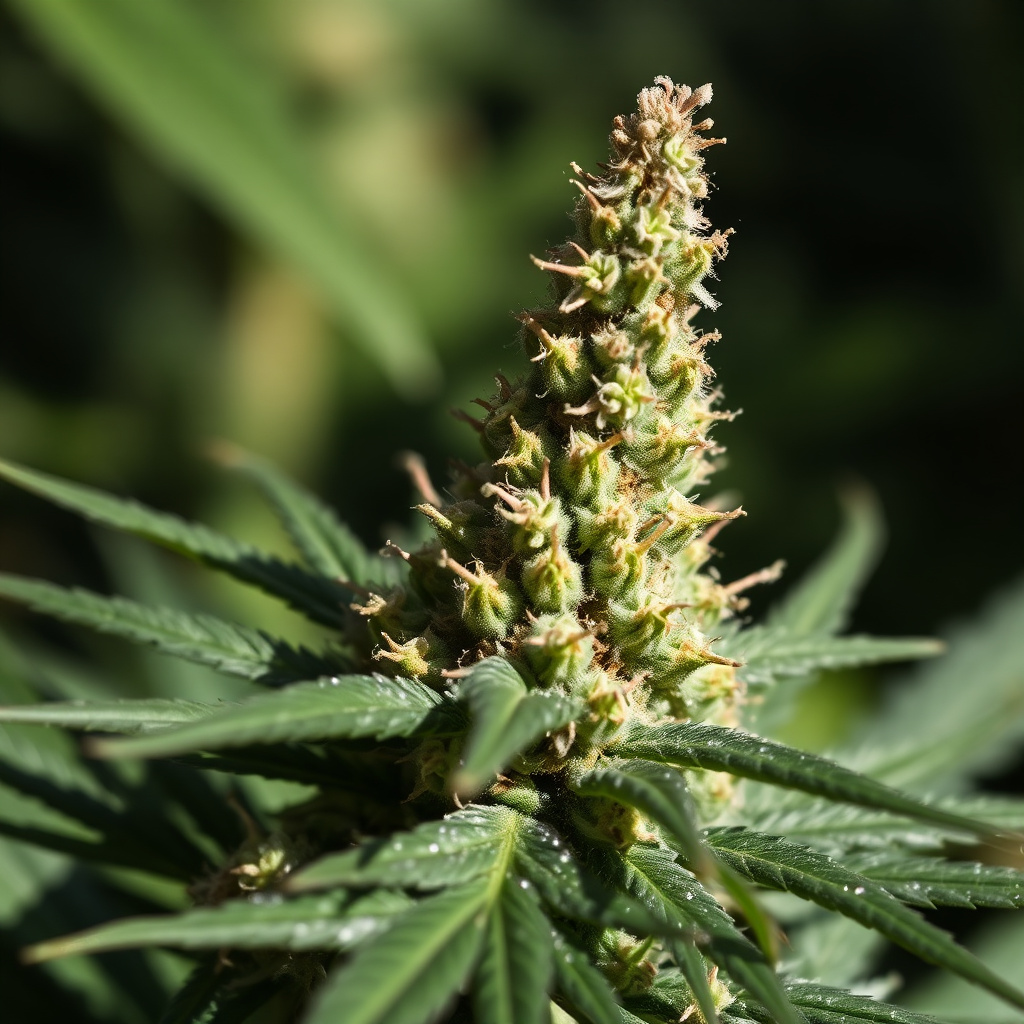
Cannabis seeds contain essential nutrients and the genetic material needed to sprout and develop into a cannabis plant, including strains that can produce THC or CBD. However, the seeds themselves do not contain psychoactive cannabinoids in their dormant state, meaning they cannot produce a 'high' without growing into mature plants.
Structurally, seeds are hard and compact, designed to protect the embryonic plant inside. The chemical compounds that cause psychoactive effects are mostly found in the flowers and leaves after growth, not within the seeds.
Seed Germination and THC Production
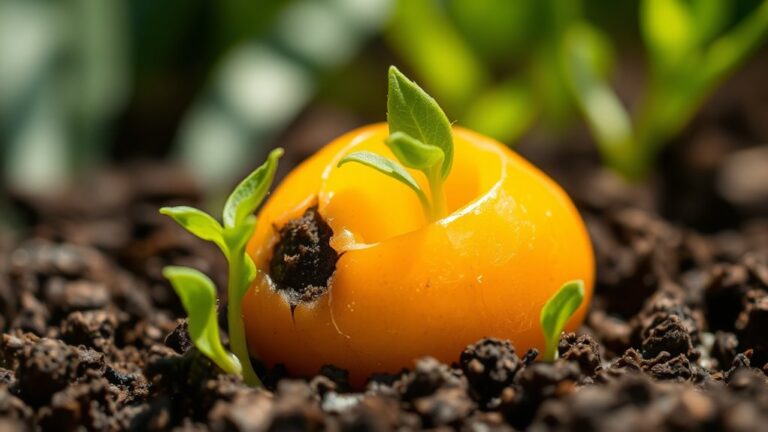
When a cannabis seed germinates and grows, the plant begins producing cannabinoids, including THC, especially in female flowers. THC is responsible for the psychoactive properties associated with marijuana use.
Until germination, seeds lack these compounds, which is why, biologically, they are not considered a drug in their raw form, even though their potential to produce a drug is significant.
Legal Status of Cannabis Seeds Worldwide
Countries Where Cannabis Seeds Are Controlled
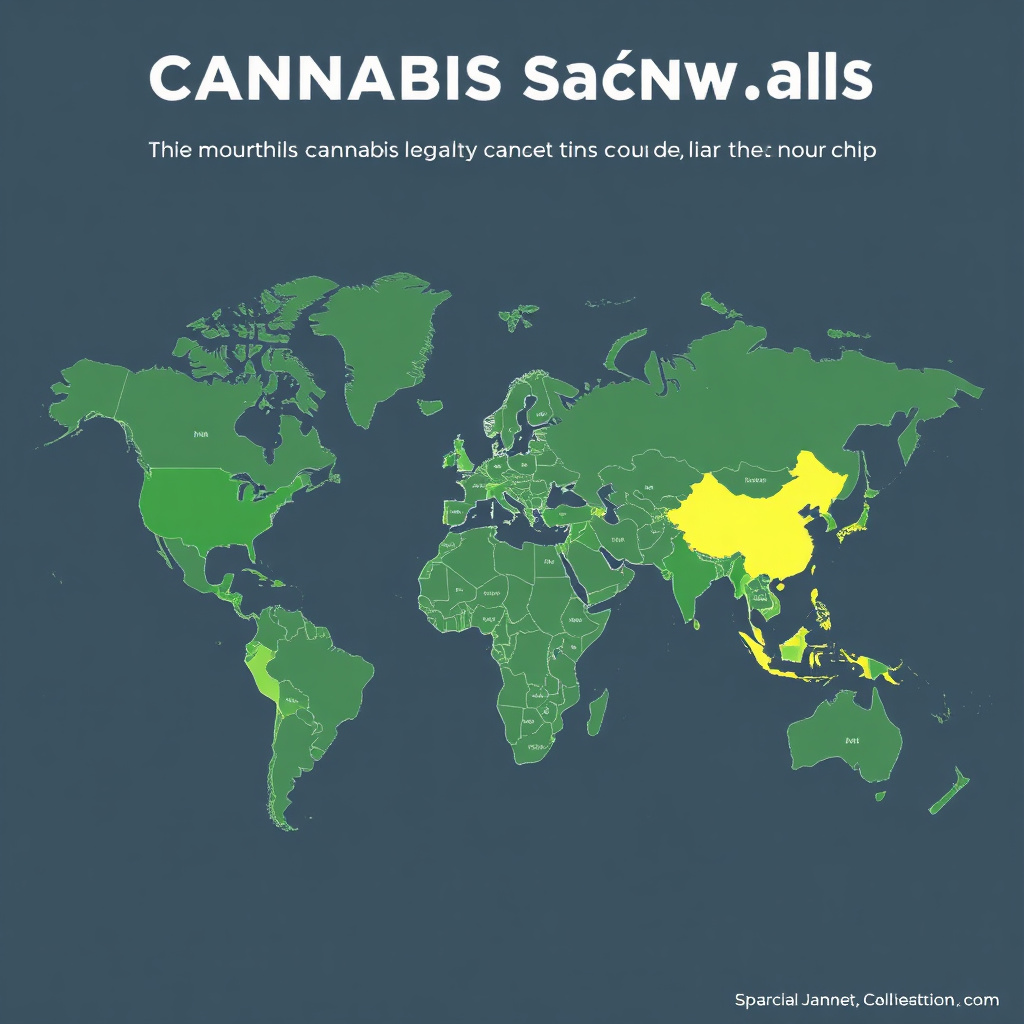
In many countries where cannabis is illegal or strictly regulated, cannabis seeds are classified alongside drugs because of their potential to grow cannabis plants. Possession or sale of seeds can carry legal penalties similar to cannabis itself, especially if intended for cultivation.
For example, some U.S. states and European countries criminalize seed possession, while others allow it under specific licenses or for hemp varieties.
- United States: Varies by state
- Canada: Legal with cannabis regulations
- Netherlands: Seeds sold legally for collectors
Regions with More Lenient Approaches
Some regions treat cannabis seeds as agricultural products, not drugs, particularly when they come from low-THC hemp strains. This distinction allows for easier trade and use in industrial applications like fiber and seed oil production.
For instance, many European Union countries permit hemp seeds with THC below certain thresholds without drug classification, influencing global cannabis seed legality.
Cannabis Seeds Compared to Other Cannabis Products

Seeds Versus Dried Cannabis Flower
Dried cannabis flowers contain high concentrations of THC and are the primary form used for both recreational and medical purposes, making them directly classified as drugs in most jurisdictions.
Seeds, by contrast, lack psychoactive components and are often not subject to the same strict laws unless intended for cultivation that violates local regulations.
For more on this, see our related guide: Are Cannabis Seeds Legal in the USA? Understanding the Legal Landscape.
Seeds Compared to Cannabis Extracts
Cannabis extracts and concentrates have highly potent THC levels and are unequivocally considered drugs due to their intense psychoactive effects.
Seeds do not contain such extracts or concentrated THC, separating their legal status and biological classification from extracts.
How to Legally Purchase and Handle Cannabis Seeds

Buying Cannabis Seeds Legally
Purchasing cannabis seeds legally requires understanding local laws. In jurisdictions where seeds are allowed, buyers often need to ensure seeds are certified hemp varieties or obtained from licensed vendors.
Some countries allow seed purchases for collection purposes only, prohibiting germination or cultivation. Understanding these restrictions is essential to avoid legal troubles.
Transporting and Storing Seeds
When transporting cannabis seeds, declarations and permits might be needed depending on local and international laws. Crossing borders with seeds can carry legal risks if not compliant.
Proper storage favors a cool, dark, and dry environment to maintain seed viability, usually in airtight containers away from heat and light.
Common Misconceptions About Cannabis Seeds

Seeds Do Not Get You High
A frequent misunderstanding is that consuming raw cannabis seeds can induce psychoactive effects. Raw seeds do not contain THC or other intoxicants that produce a high.
Some users incorporate seeds into health foods for their nutritional benefits but should not expect any drug-like effects from seeds alone.
For more on this, see our related guide: What Are Hemp Seeds and Why Are They Popular?.
Seeds’ Role in Cannabis Culture
Cannabis seeds are often viewed as symbols of cultivation and growth but are not used directly as a drug. Growers value seeds as the starting point to produce flowers with desired cannabinoid profiles.
Their importance lies in horticulture rather than consumption, separating their identity from cannabis drug products.
The Future Outlook on Cannabis Seed Regulation

Evolving Cannabis Laws Impacting Seeds
As cannabis legalization expands worldwide, regulations on cannabis seeds are also changing. More jurisdictions are differentiating between seeds for hemp and those for marijuana with high THC content.
This trend is easing access to seeds for industrial hemp farmers while maintaining controls on seeds intended for psychoactive cannabis production.
For more detailed botanical and legal information, refer to the comprehensive Cannabis seed information from Wikipedia. Cannabis seed information from Wikipedia.
Technological Advances in Seed Production
Breeding techniques and biotechnology are advancing the production of cannabis seeds with tailored cannabinoid profiles, including low-THC hemp seeds and high-CBD varieties.
These innovations could influence future legal frameworks and increase the diversity of cannabis seeds available legally.
Comparison of Cannabis Seeds and Other Cannabis Products
This table highlights key differences between cannabis seeds, flowers, extracts, and oils in terms of legality, THC content, and typical uses.
| Product Type | THC Content | Legal Status | Common Uses |
|---|---|---|---|
| Cannabis Seeds | Negligible | Varies—often less restricted | Cultivation, breeding, collection |
| Dried Cannabis Flower | High (up to 30%) | Frequently controlled drug | Smoking, vaping, medical use |
| Cannabis Extracts | Very High (up to 90%) | Strictly controlled | Concentrated consumption |
| Hemp Seeds (Low-THC) | <0.3% | Generally legal | Food products, industrial use |
| Cannabis Oils | Varies | Depends on composition | Therapeutic, recreational |
Frequently Asked Questions
Can you legally buy cannabis seeds online?
Legal status varies widely; in some places you can buy seeds online if they are hemp seeds or if local laws permit, but in others, any seed purchase is illegal without a license.
Do cannabis seeds contain THC?
Cannabis seeds themselves contain negligible or no THC and do not produce psychoactive effects until they germinate and grow into mature cannabis plants.
Are cannabis seeds considered drugs under international law?
International treaties often do not classify seeds as drugs directly, but some countries apply drug laws to seeds intended for cultivation of marijuana plants.
Can you consume cannabis seeds for recreation?
Consuming raw cannabis seeds does not produce any psychoactive effects; they are sometimes eaten for nutritional value but not recreationally as a drug.
How should cannabis seeds be stored to remain viable?
Store seeds in a cool, dry, and dark place, ideally in an airtight container, to preserve their germination potential over time.
Key Takeaways
- Cannabis seeds do not contain THC and are not inherently psychoactive.
- Legal status of cannabis seeds varies by country and region.
- Seeds are mainly regulated due to their potential to grow cannabis plants.
- Understanding laws can prevent legal issues when purchasing or transporting seeds.
Conclusion
Determining whether cannabis seeds are considered a drug depends largely on legal definitions and the presence of psychoactive compounds. Biologically, seeds themselves lack THC and do not produce intoxicating effects until cultivation. Legally, many jurisdictions treat seeds differently from mature cannabis products based on their potential rather than actual drug content, so examining local laws is critical for anyone handling seeds.
For individuals interested in cultivating cannabis or using seeds for industrial hemp, it is essential to research regulations that apply to their region. Countries with clear distinctions between hemp and marijuana often allow hemp seeds with minimal THC content to be sold and transported legally. Conversely, seeds intended for growing high-THC cannabis may face stringent restrictions or bans. Consumers and growers should consider their specific needs and local laws when choosing between seeds and other cannabis products.
Ultimately, knowing the difference between cannabis seeds as a biological entity and their legal classification will help navigate regulations more effectively. For those looking to purchase seeds, seeking licensed vendors and compliant seed varieties is a practical next step. Staying informed about evolving cannabis seed legality ensures safe and lawful management of these unique botanical items.