How to Compare Seed Prices for Smart Gardening Purchases
Comparing seed prices involves more than just looking at the cost per packet; it requires evaluating the seed quality, quantity, germination rates, and the reputation of the supplier. Checking these factors helps you identify the real value of seeds for your garden, ensuring you don’t pay more for lower quality.
Gardeners often focus only on the sticker price, but seeds vary widely in variety, purity, and source. Prices reflect differences in seed genetics, packaging sizes, organic certifications, and even shipping expenses. Understanding how these elements affect price helps you make informed gardening purchases that balance budget and performance.
This article explores key aspects you should examine when comparing seed prices. We’ll break down how to assess seed packets, analyze germination guarantees, compare different seed sources, and consider extras like shipping and bulk purchases. By the end, you’ll be ready to confidently buy seeds that meet your gardening needs and budget.
Understanding Seed Packet Information
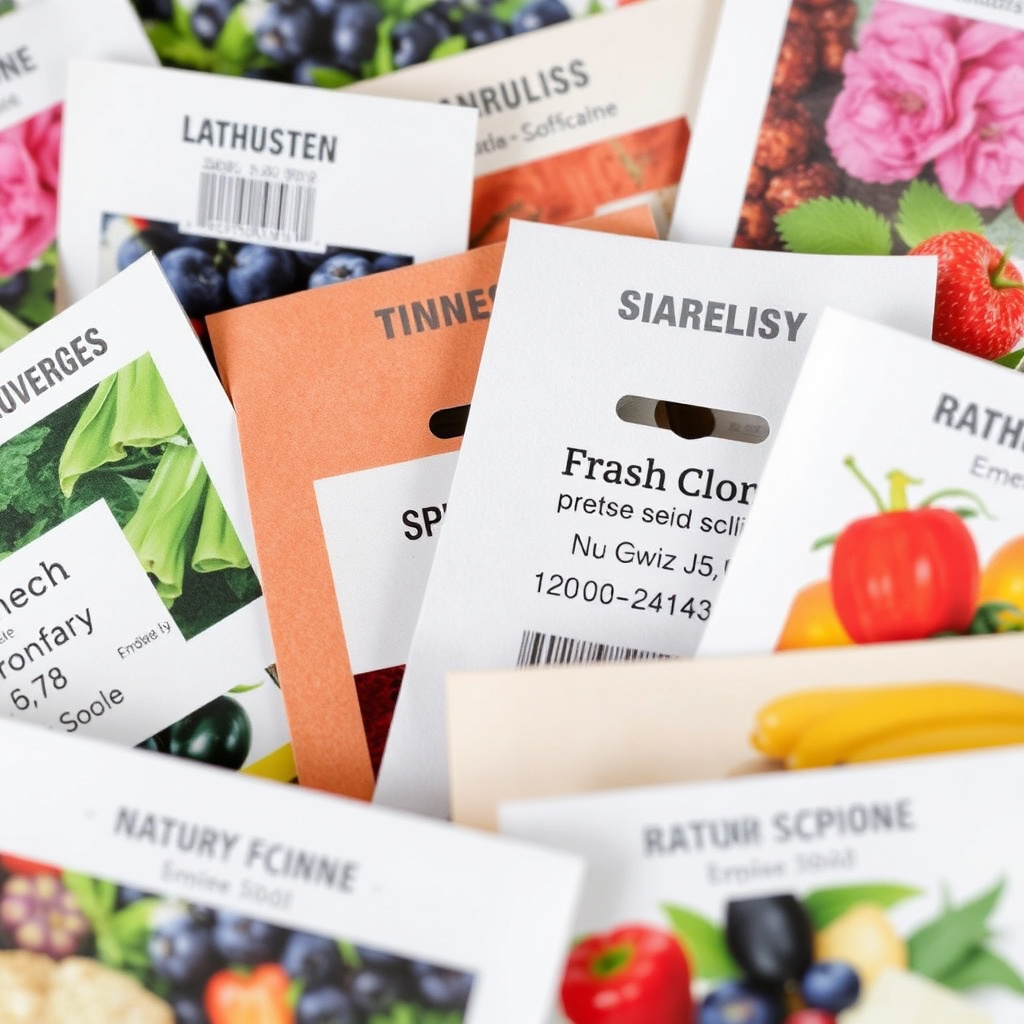
Decoding Seed Quantity and Weight
Seed packets often state their contents by number of seeds or by weight. Since seed sizes and germination rates vary by plant species, a packet with fewer seeds could still provide better value if germination guarantee is high and seed quality is superior.
Look for consistent measurement units when comparing packets. For example, comparing one packet with 100 seeds to another marked by weight requires knowing typical seed weight of that variety.
Checking Expiration and Storage Conditions
Seeds have optimal viability periods which mean older seeds can result in poorer germination. Comparing prices between fresh and older stock should factor in this risk.
Also, packaging that protects seeds from moisture and light, or stores them under controlled conditions, often costs more but guarantees better longevity and germination rates.
Evaluating Seed Quality and Germination Rates
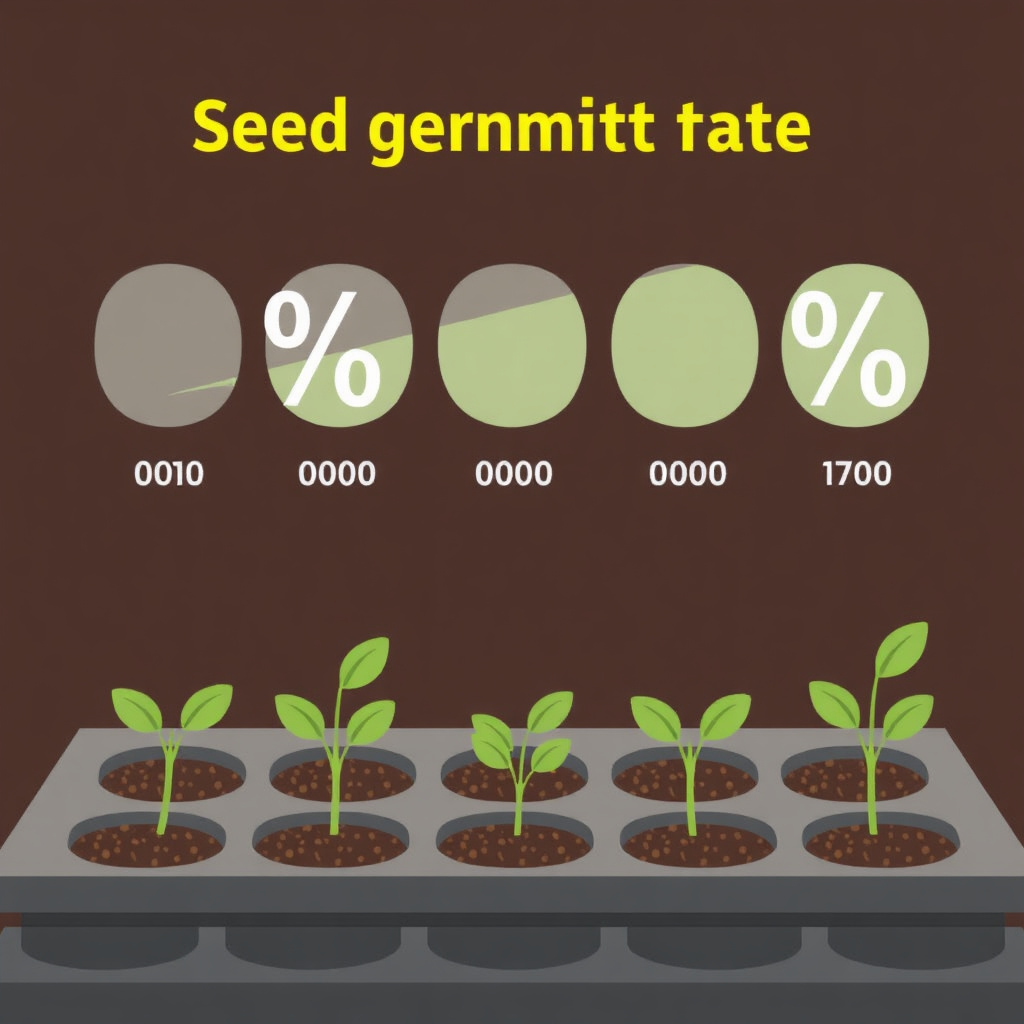
What Germination Rate Really Means
Germination rate indicates the percentage of seeds expected to sprout under suitable conditions. A packet with a 90% germination rate is more reliable than one with 60%, even if priced higher, because it reduces seed wastage.
Seed vendors often certify these rates through testing. When comparing prices, factor in this percentage as it directly impacts how many plants you actually get from your purchase.
Quality Certifications and Organic Labels
Certified seeds meet standards for purity and freedom from contaminants, justifying higher prices. Organic seeds, grown without synthetic chemicals, also command a premium due to cultivation costs.
Decide whether these certifications align with your gardening goals since they affect price but may offer better crop performance or meet specific ethical preferences.
Comparing Seed Sources and Suppliers
Local vs. Online Seed Vendors
Local suppliers may offer fresher seeds adapted to your climate but sometimes at a higher price due to smaller scale operations. Online vendors provide wider variety and often competitive pricing but watch for shipping costs and delivery times.
Comparing seed prices across these sources means including hidden fees and considering customer reviews on seed reliability and supplier service quality.
For more on this, see our related guide: How to Compare Seed Varieties for Successful Gardening.
Reputation and Customer Reviews
Seed companies with strong reputations often back their products with guarantees, though their seed prices may not be the lowest. Customer feedback can reveal if the seeds meet expected germination and quality.
Balancing price with reliability is key to avoid poor seed performance that can nullify any upfront savings.
Assessing Bulk Purchases and Packaging Sizes
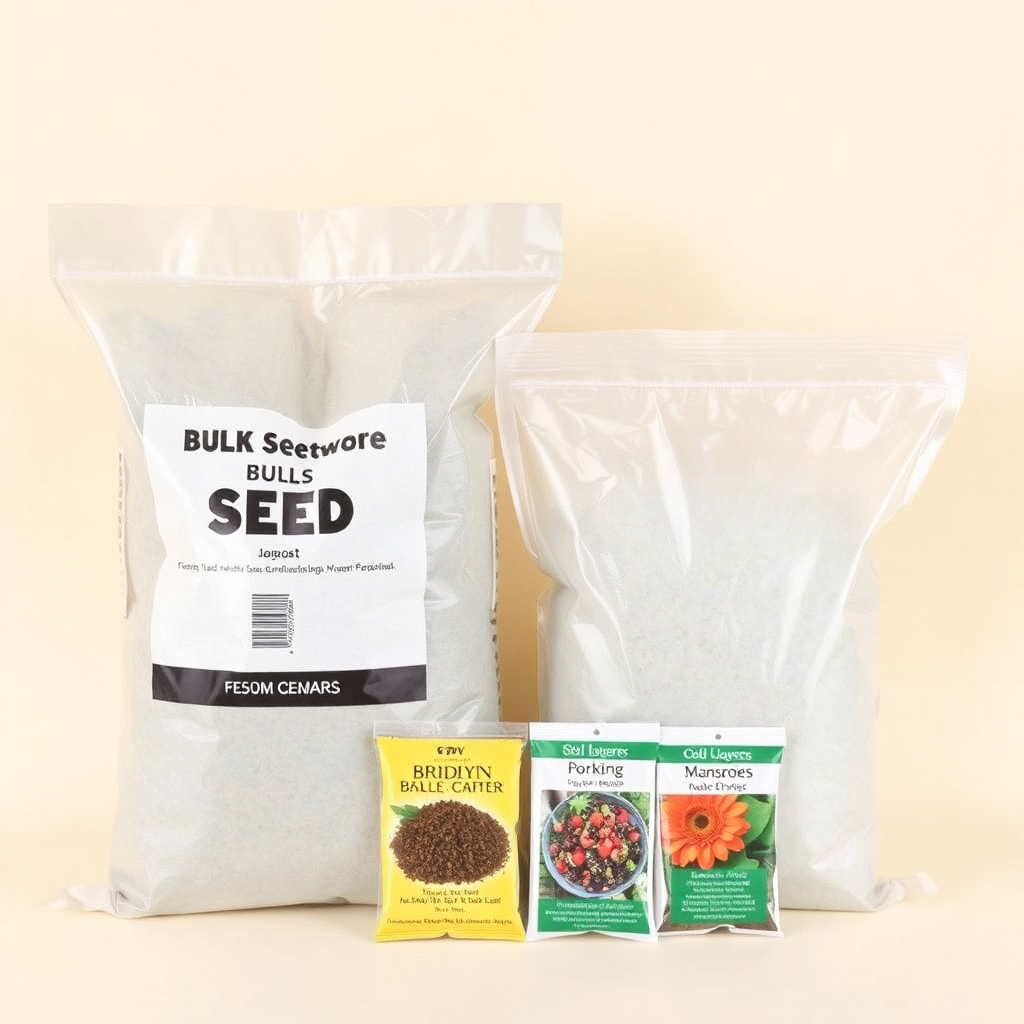
Economies of Scale in Bulk Buying
Buying seeds in larger quantities typically lowers the price per seed or per gram, making bulk purchases cost-effective for gardeners planting large areas or multiple seasons.
However, if you only need a small quantity, buying bulk may lead to waste from expired unused seeds, skewing actual value.
Packaging Impact on Seed Price
Seed packaging varies from simple envelopes to foil-sealed packs with desiccants. More robust packaging raises seed prices but helps protect seed quality during shipping and storage.
Assess packaging type when comparing prices, as cheaper packaging increases risk of deteriorated seeds, impacting overall cost-efficiency.
Factoring in Shipping and Return Policies
Shipping Costs and Delivery Times
Seed prices must include shipping fees, especially for online orders. Fast shipping may add cost but could be preferred for time-sensitive planting schedules.
Compare total purchase costs inclusive of shipping to determine the actual price difference between vendors.
For more on this, see our related guide: Best Seeds to Grow a Thriving Garden in 2026.
Return and Germination Guarantees
Some seed suppliers offer refunds or replacements if seeds fail to germinate as promised, adding security to your purchase.
When comparing prices, these policies add value by reducing the risk of losing your investment on poor quality seeds.
Using Price Per Plant as a Practical Metric
Calculating Cost Per Expected Plant
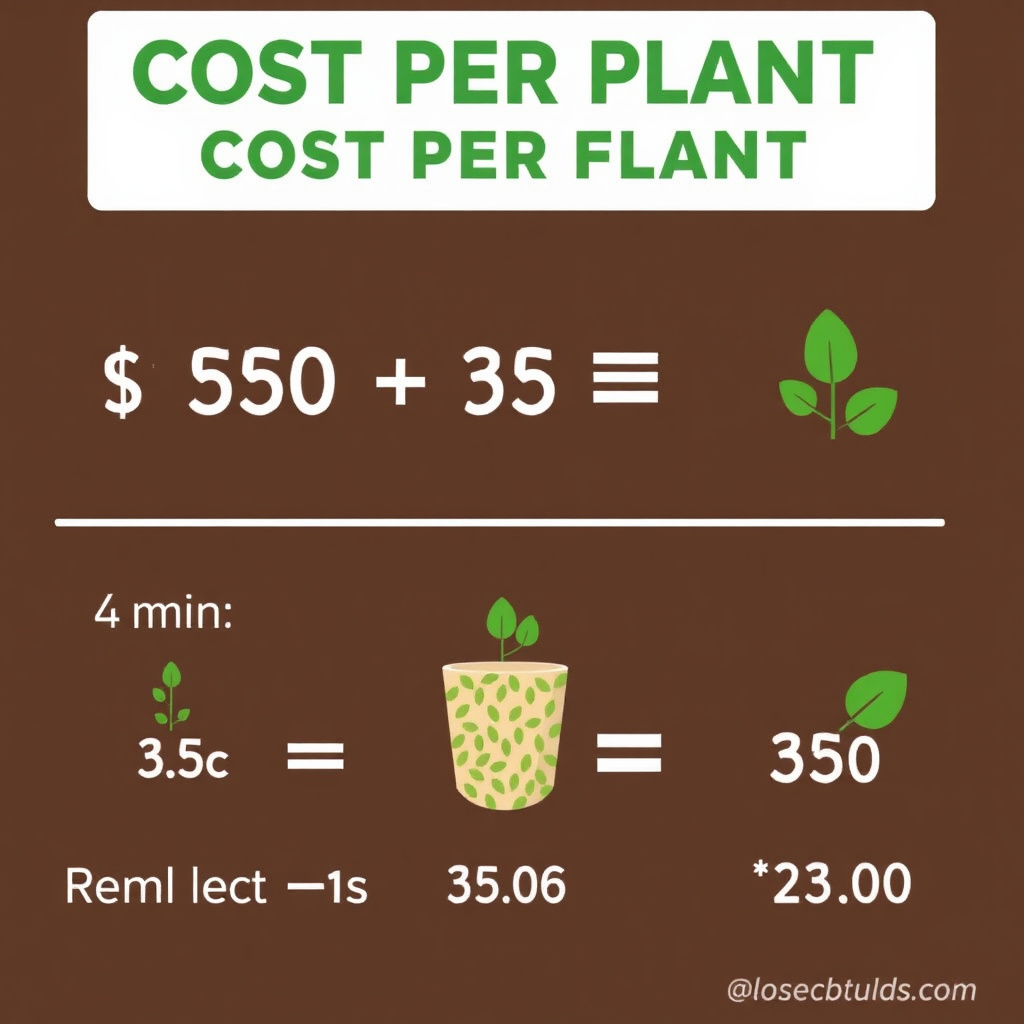
To compare seed prices effectively, divide the total seed packet cost by the expected number of viable plants, factoring in germination rate. This metric normalizes differences in quantity and quality for an apples-to-apples comparison.
For example, a $5 packet with 100 seeds at 80% germination means 80 plants, costing about 6.25 cents per plant.
To understand more about the fundamental biology and types of seed, you can refer to this detailed entry on seed. seed.
Adjusting for Plant Success and Garden Conditions
Real-world growing conditions may further reduce plant success below germination expectations due to soil, watering, or pest issues.
If you know your garden faces challenges, it’s wise to budget higher quantities or factor these risks when comparing seed costs.
Seed Price Category Comparison
Here’s a comparison of common seed purchase categories showing price per packet, typical germination rate, and cost per plant to guide your decisions.
| Category | Price per Packet | Typical Germination Rate | Cost per Plant |
|---|---|---|---|
| Heirloom Seed Packets | $3-$8 | 70-90% | 5-11 cents |
| Hybrid Seed Packets | $2-$6 | 80-95% | 3-7 cents |
| Organic Seed Packets | $4-$10 | 75-90% | 6-13 cents |
| Bulk Seed Bags | $15-$50 | 70-90% | 2-5 cents |
| Local Seed Suppliers | $3-$12 | 75-95% | 4-12 cents |
Frequently Asked Questions
Why do seed prices vary so much between brands?
Seed prices differ due to genetic quality, seed purity, packaging, certifications like organic status, and vendor reputation, all of which affect performance and costs.
How important is the germination rate when buying seeds?
Germination rate is vital as it predicts how many plants you'll successfully grow, impacting true value beyond just seed price.
Are bulk seed purchases always more economical?
Bulk can save money per seed but make sense only if you use all seeds before viability declines, avoiding waste.
Does organic seed cost more, and is it worth it?
Organic seeds generally cost more because of production methods, and they’re worthwhile if you avoid synthetic chemicals in your garden.
Can I trust online seed vendor prices without seeing the seeds?
Researching customer reviews and return policies helps ensure online seed purchases offer good value and quality.
Key Takeaways
- Compare seed prices by factoring in packet size, germination rate, and seed quality.
- Consider vendor reputation and certification labels when evaluating seed costs.
- Calculate cost per expected plant to get a clear comparison across seed options.
- Include shipping costs and return policies in your price comparison.
Conclusion
Understanding how to compare seed prices effectively relies on looking past the sticker price to the overall value each purchase offers. This means considering the number of viable seeds, their quality, type of packaging, and supplier reliability. By evaluating these aspects together, gardeners can find seeds that deliver strong germination and meet their specific growing conditions without overspending.
For practical purchases, heirloom and hybrid seed packets offer an accessible range of prices and qualities for most gardeners, while organic seeds cater to those with specific cultivation standards willing to invest a bit more. Bulk seeds and local suppliers provide options when planting larger areas or seeking regional adaptation but weigh their total cost and usage plans carefully. This balanced approach supports smart, budget-conscious buying.
Begin your seed shopping by comparing total costs including shipping, then review the germination guarantees and certification labels to confirm quality. Ordering from suppliers with clear return policies can also reduce risk. Armed with these strategies, you can pick seed varieties that best suit your garden goals while making every cent count.