What Is Magnesium for Plants and Why It Matters
Magnesium is a vital nutrient for plants, acting as the central atom in chlorophyll molecules, which are essential for photosynthesis. Without magnesium, plants cannot effectively capture sunlight to produce energy, leading to stunted growth and yellowing leaves. It plays a direct role in enzyme activation and nutrient transport within the plant as well.
Understanding magnesium’s function helps gardeners and farmers keep their plants healthy by preventing common issues like magnesium deficiency. This deficiency often appears as interveinal chlorosis, where leaf areas between veins turn yellow. Managing magnesium levels can improve plant resilience and increase crop yields, especially in magnesium-poor soils.
This article will cover what magnesium does for plants, signs of deficiency, common sources and supplements, how to properly apply magnesium fertilizers, and tips on maintaining balanced soil nutrition to support overall plant health.
The Role of Magnesium for Plants

Magnesium and Photosynthesis
Magnesium is the core element of chlorophyll molecules, which plants use to absorb light during photosynthesis. This process converts sunlight into chemical energy, fueling growth and development. Without adequate magnesium, chlorophyll production decreases, reducing a plant’s ability to generate energy.
Beyond chlorophyll, magnesium activates several enzymes involved in synthesizing carbohydrates and proteins. This makes magnesium indispensable not just for energy capture but also for building essential components of the plant.
Magnesium in Nutrient Transport and Cell Functions
Magnesium facilitates the movement of nutrients throughout the plant by stabilizing ribosomes and cell membranes. It also plays a role in nucleic acid synthesis, contributing to genetic material replication and repair.
By enabling efficient nutrient transport, magnesium affects overall nutrient uptake balance, which is crucial for robust growth and disease resistance. Deficiency can disrupt these processes, causing visible symptoms.
Identifying Magnesium Deficiency in Plants

Visual Symptoms of Deficiency
The most common symptom of magnesium deficiency is interveinal chlorosis, where the leaf tissue between veins turns yellow while veins stay green. This typically starts on older leaves and progresses upward.
In prolonged deficiency, leaves may curl, develop necrotic spots, or prematurely drop. Growth slows, and fruit or flower yields decline, making early diagnosis vital for correction.
- Interveinal yellowing on older leaves
- Leaf curling and browning edges
- Stunted plant growth
- Premature leaf drop
Causes and Risk Factors
Magnesium deficiency can arise from inherently low magnesium soil levels or conditions that inhibit uptake, such as acidic soil pH, excessive potassium or calcium, or poor soil aeration.
Heavy rainfall can leach magnesium from soil, and certain crops may have higher magnesium demands. Understanding soil chemistry is essential for managing these factors.
Sources of Magnesium for Plants

Natural Soil Magnesium Sources
Magnesium is abundant in many soil minerals like dolomite and serpentine rock. Weathering of these minerals gradually releases magnesium ions available to plants.
Organic matter also contributes magnesium, though usually in smaller amounts. Maintaining healthy topsoil and organic content supports steady magnesium availability.
For more on this, see our related guide: Best Nutrients for Cannabis Plants: Essential Guides for Thriving Growth.
Common Magnesium Supplements and Fertilizers
Gardeners often apply magnesium sulfate (Epsom salt) or dolomitic lime to rapidly correct magnesium deficiencies. These supplements provide soluble magnesium that plants can readily absorb.
Magnesium oxide and magnesium nitrate are other commercial fertilizers used in agriculture; the choice depends on soil pH, crop type, and timing needs.
- Magnesium sulfate (Epsom salt)
- Dolomitic lime
- Magnesium oxide
- Magnesium nitrate
How to Apply Magnesium for Healthy Plant Growth
Soil Application Techniques
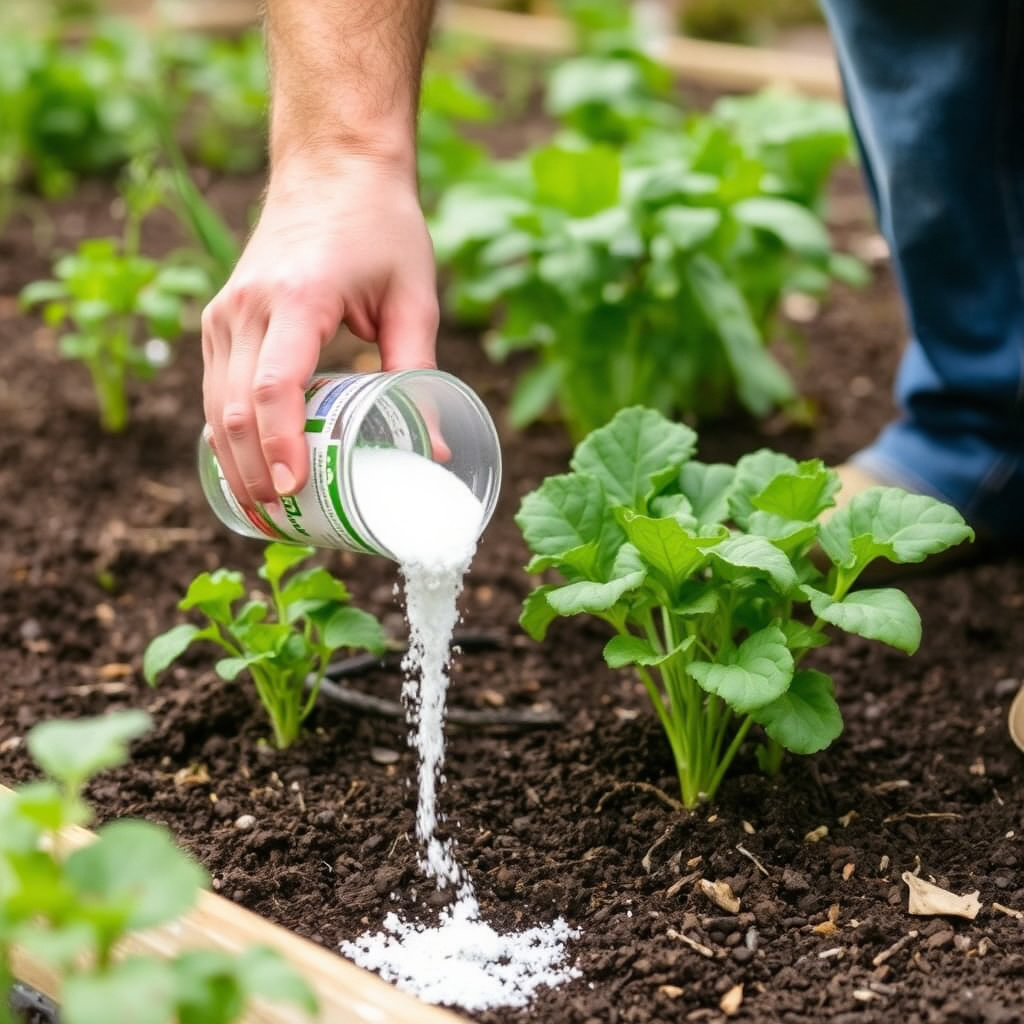
Applying magnesium fertilizers directly to soil should be timed before or during planting to match crop needs. Testing soil magnesium levels guides correct application rates to avoid excess.
Mixing magnesium-containing lime or granular fertilizers into soil improves long-term magnesium availability by adjusting pH and nutrient content.
Foliar Feeding and Quick Correction
Foliar sprays of magnesium sulfate offer fast uptake through leaves, ideal for rapid correction of deficiency symptoms. This is especially useful when soil conditions limit root absorption.
Repeated foliar treatments may be necessary for sustained correction, but soil amendments are generally required for lasting magnesium balance.
Maintaining Balanced Soil Nutrition
Monitoring Soil pH and Nutrients
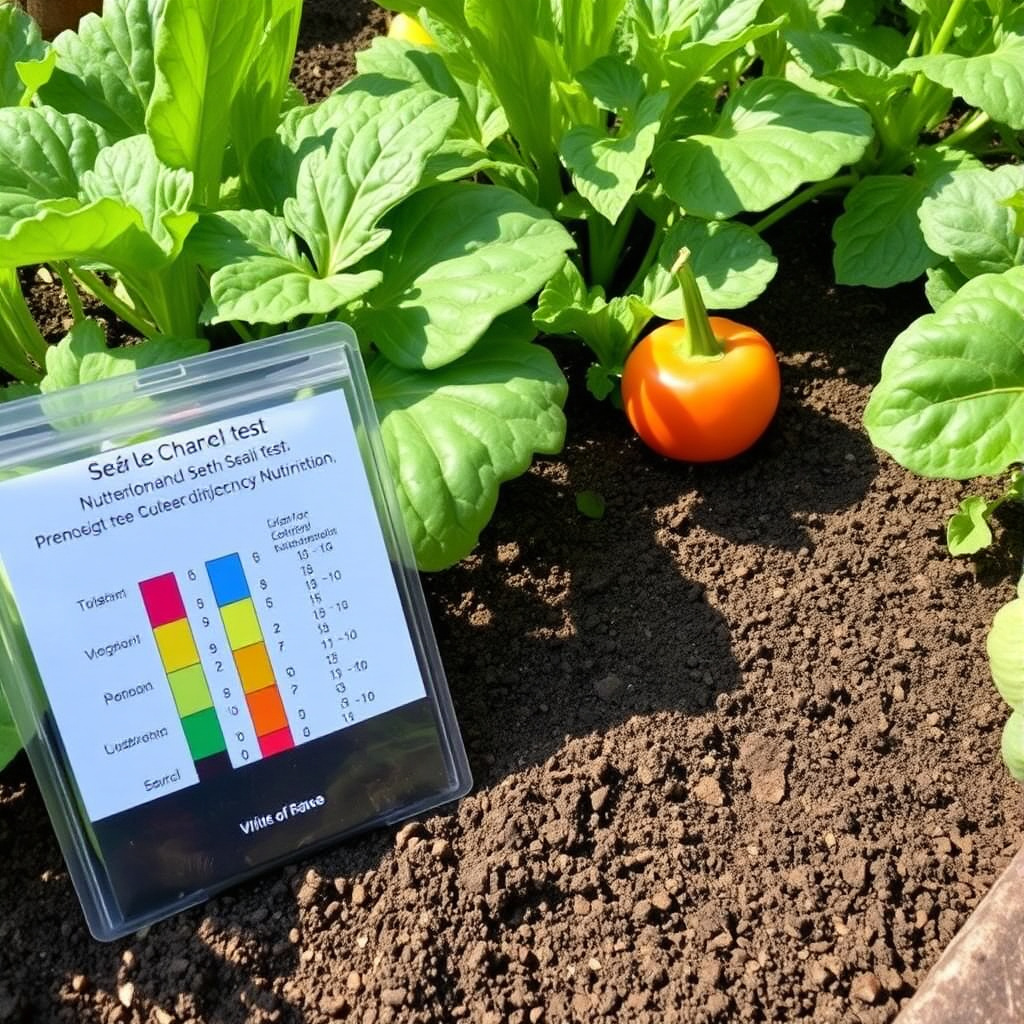
Soil pH influences magnesium availability; acidic soils reduce uptake, making periodic pH testing essential. Keeping pH in the optimal range (6.0–7.5) maximizes nutrient availability.
Balanced fertilization considers not only magnesium but also calcium, potassium, and nitrogen to prevent competitive uptake issues and support healthy plant metabolism.
For more on this, see our related guide: How to Choose the Best Soil for Cannabis Plants: A Complete Guide.
Long-Term Soil Management Strategies
Incorporating organic matter, crop rotation, and cover cropping helps maintain healthy soil structure and nutrient cycling that supports magnesium levels.
Regular soil testing and amendment adjustments allow growers to tailor nutrition plans seasonally, minimizing deficiency risks and supporting sustainable gardening.
Common Magnesium Deficiency Remedies

Immediate Treatments for Deficiency
Applying Epsom salt as a foliar spray or soil drench can quickly alleviate magnesium deficiency symptoms in affected plants. Repeated applications may be needed every few weeks.
If soil tests indicate very low magnesium, setting up a regular amendment schedule with dolomitic lime can provide a longer-term solution.
For detailed scientific background on magnesium's biological role, you can visit the Magnesium page on Wikipedia. Magnesium on Wikipedia.
Preventative Care Practices
Avoiding soil acidification and over-fertilization helps prevent magnesium deficiencies. Using balanced fertilizers and organic practices promotes steady nutrient supply.
Monitoring plants closely during growth stages sensitive to magnesium demand, such as flowering and fruit set, supports timely interventions.
Magnesium Supplements Category Comparison
Below is a comparison of common magnesium supplements used in gardening and agriculture, highlighting their pros, application, and typical uses.
| Supplement | Form | Solubility | Best Use Case |
|---|---|---|---|
| Magnesium Sulfate (Epsom Salt) | Granular or powder | Highly soluble | Quick foliar feed and soil amendment for fast correction |
| Dolomitic Lime | Powdered mineral | Low solubility | Long-term soil pH adjustment and magnesium supply |
| Magnesium Oxide | Powdered mineral | Low to moderate solubility | Slow-release fertilizer for alkaline soils |
| Magnesium Nitrate | Granular or liquid | Highly soluble | Supplemental feeding in hydroponics and fertigation |
| Organic Compost | Amended organic matter | Variable solubility | Supports nutrient cycling and mild magnesium supply |
Frequently Asked Questions
Why do plants need magnesium?
Plants need magnesium because it is a vital part of chlorophyll, enabling photosynthesis, and it supports enzyme function and nutrient transport.
How can I tell if my plant lacks magnesium?
Magnesium-deficient plants often show yellowing between leaf veins (interveinal chlorosis) on older leaves, which may curl or develop brown spots.
Is Epsom salt a good source of magnesium for plants?
Yes, Epsom salt is a highly soluble magnesium source used commonly for foliar feeding and quick soil amendments to correct deficiencies.
Can too much magnesium harm plants?
Excess magnesium can interfere with uptake of other nutrients like calcium and potassium, causing imbalances, so careful application according to soil tests is best.
How often should magnesium supplements be applied?
Application frequency depends on soil levels and crop needs but generally ranges from once a season for lime to several foliar sprays during the growing season.
Does soil pH affect magnesium availability?
Yes, magnesium becomes less available in very acidic soils, so maintaining soil pH within an optimal range helps plants absorb magnesium efficiently.
Key Takeaways
- Magnesium is essential for photosynthesis and enzymatic activity in plants.
- Deficiency appears as yellowing between leaf veins, mainly on older growth.
- Common magnesium supplements include Epsom salt and dolomitic lime.
- Balanced soil pH and nutrient management prevent magnesium deficiency.
Conclusion
Understanding the role of magnesium for plants is fundamental for growing healthy vegetation and improving yields. Magnesium functions at the heart of photosynthesis by supporting chlorophyll, while also facilitating enzyme activities and nutrient transport. Healthy magnesium levels enable your plants to convert sunlight into energy efficiently and maintain robust metabolic processes. Consequently, attention to magnesium status in your soil or growing medium allows you to avoid deficiencies that weaken plants and reduce productivity.
When choosing magnesium sources, consider the specific needs of your plants and soil conditions. Epsom salt is excellent for a quick magnesium boost via foliar feeding or soil application, while dolomitic lime serves dual purposes by adding magnesium and raising acidic soil pH over the long term. For ongoing soil health, regular soil testing and balanced fertilization help maintain optimal magnesium levels alongside other nutrients. Symptoms such as interveinal chlorosis usually indicate that action is needed, so early detection is important.
The next step for gardeners or farmers facing magnesium concerns is to conduct a soil nutrient analysis and monitor plant health closely during critical growth phases. Applying targeted magnesium supplements tailored to your soil chemistry and crop type will restore vigor. By integrating magnesium management within a holistic approach to soil nutrition, you encourage strong, healthy plants that thrive season after season.