What Is Phosphorus for Plants and Why It Matters
Phosphorus is an essential macronutrient that plants require to grow, develop, and reproduce properly. It plays a critical role in energy transfer through ATP, supports root development, and helps form DNA, RNA, and cell membranes. Without sufficient phosphorus, plants cannot thrive, resulting in stunted growth and poor yield.
In nature, phosphorus is naturally found in the soil, but often in forms plants cannot absorb easily. Gardeners and farmers add phosphorus through fertilizers to maintain soil fertility. This nutrient directly influences a plant's ability to produce flowers and fruits, making its availability pivotal in both ornamental and crop plants.
This article will explore how phosphorus functions in plants, signs of deficiency, sources of phosphorus for soil, how to balance its levels, and its role within the broader phosphorus nutrient cycle in soil. Armed with this knowledge, you can better support healthy plant growth.
Understanding the Role of Phosphorus in Plants
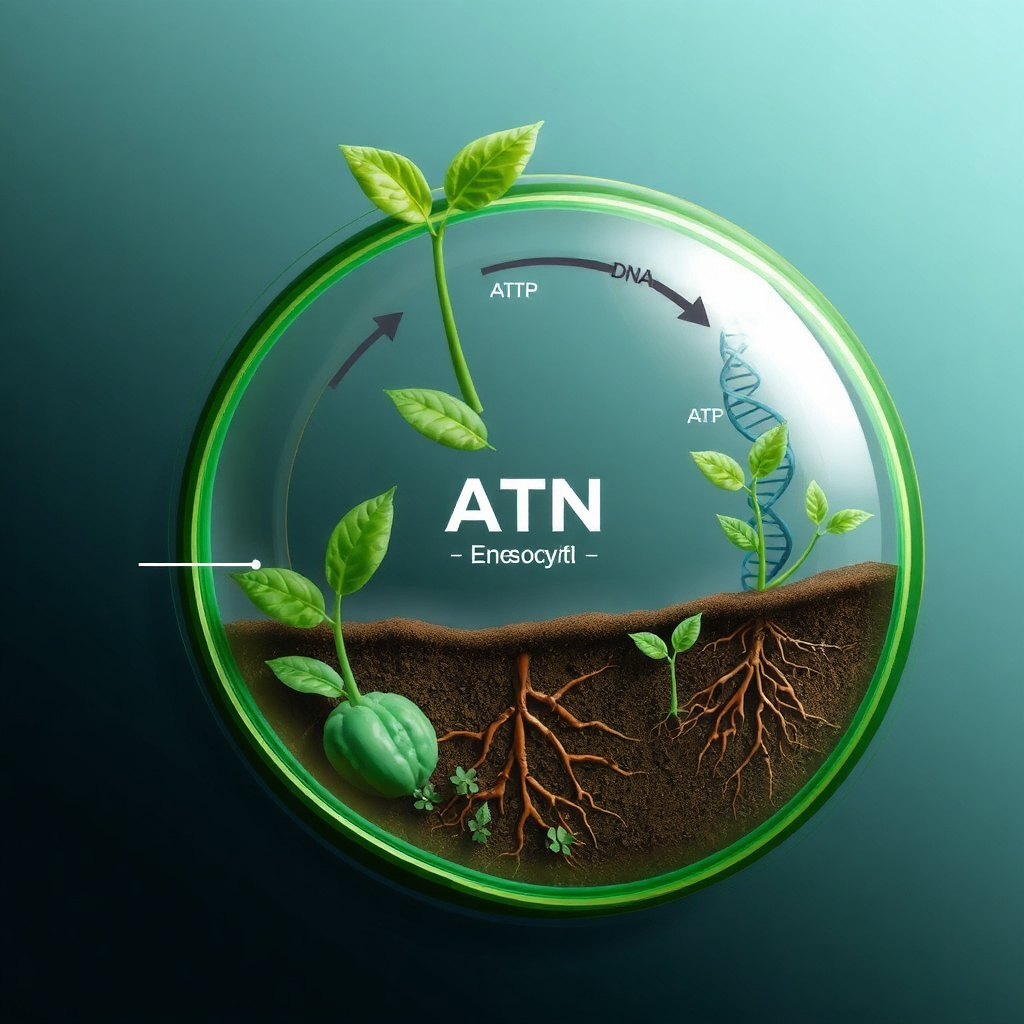
Phosphorus and Energy Transfer
Phosphorus is fundamental in the production of ATP (adenosine triphosphate), the molecule that stores and transports chemical energy within cells. This energy transfer supports critical plant functions, including photosynthesis and nutrient uptake.
Without phosphorus, plants cannot efficiently generate or use energy, which slows all metabolic activities and limits growth, especially during the development of new leaves, flowers, and seeds.
Phosphorus’ Role in Genetic Material and Cell Structure
Phosphorus forms a key part of DNA and RNA, the genetic materials that guide cell division and protein synthesis. It also makes up phospholipids, essential components of cell membranes, maintaining structural integrity and selective nutrient uptake.
This means phosphorus directly affects a plant’s ability to reproduce and maintain healthy cell function, which is critical for vigorous growth and resistance to environmental stress.
Identifying Phosphorus Deficiency in Plants
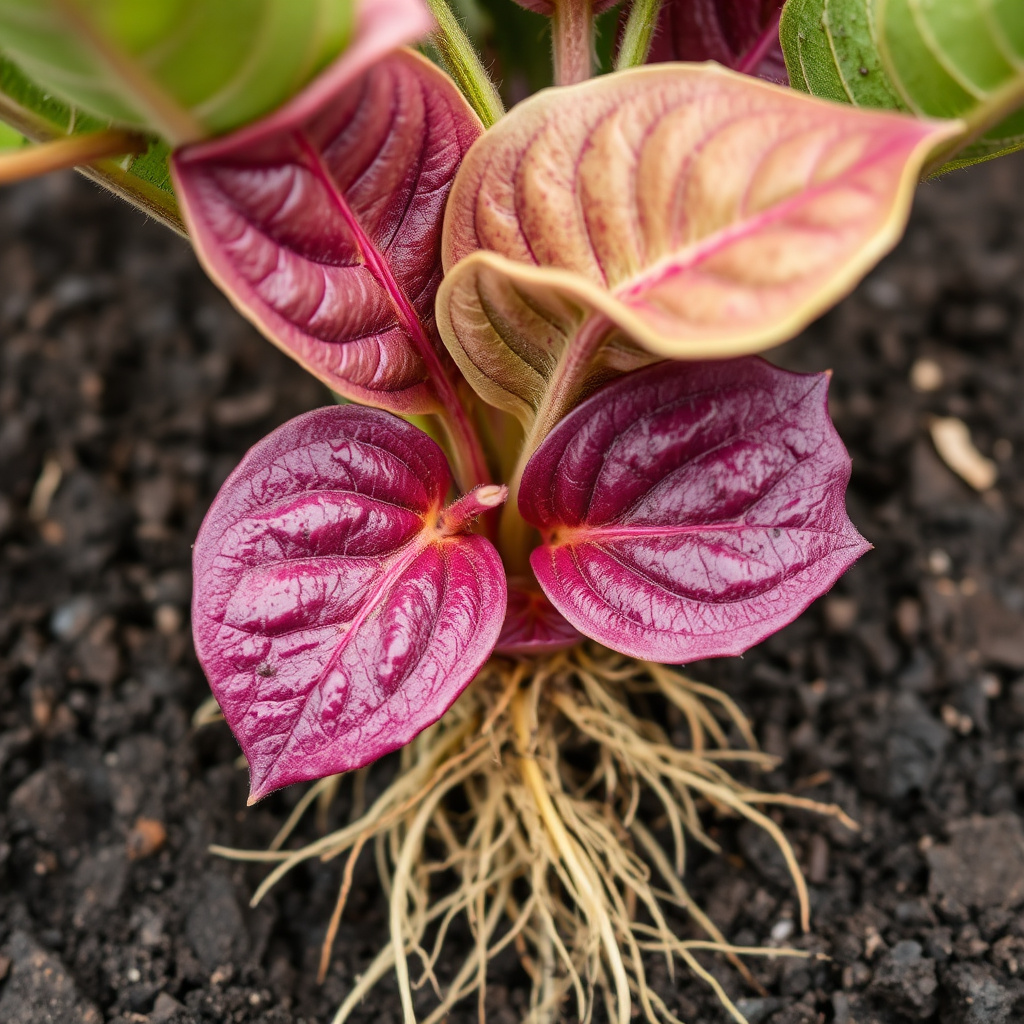
Common Visual Symptoms of Phosphorus Deficiency
Plants suffering from phosphorus deficiency often exhibit stunted growth and delayed maturity. One of the most recognizable signs is a purple tinge on older leaves, caused by the accumulation of anthocyanin pigments.
Other indicators include dark green or bluish leaf coloration and poor flowering, which inhibit crop productivity and ornamental appeal.
- Purple discoloration on lower leaves
- Stunted root and shoot development
- Slow or delayed flowering
- Reduced seed or fruit formation
Testing Soil and Plant Tissue for Phosphorus Levels
To confirm phosphorus deficiency, soil testing is the best approach. Soil tests reveal available phosphorus levels, guiding fertilization decisions. Plant tissue analysis can also pinpoint deficiencies even before visible symptoms appear.
Regular testing helps avoid over-fertilization, which can lead to environmental issues. Gardeners and farmers can then tailor management to supply phosphorus only as needed.
Sources of Phosphorus for Plants
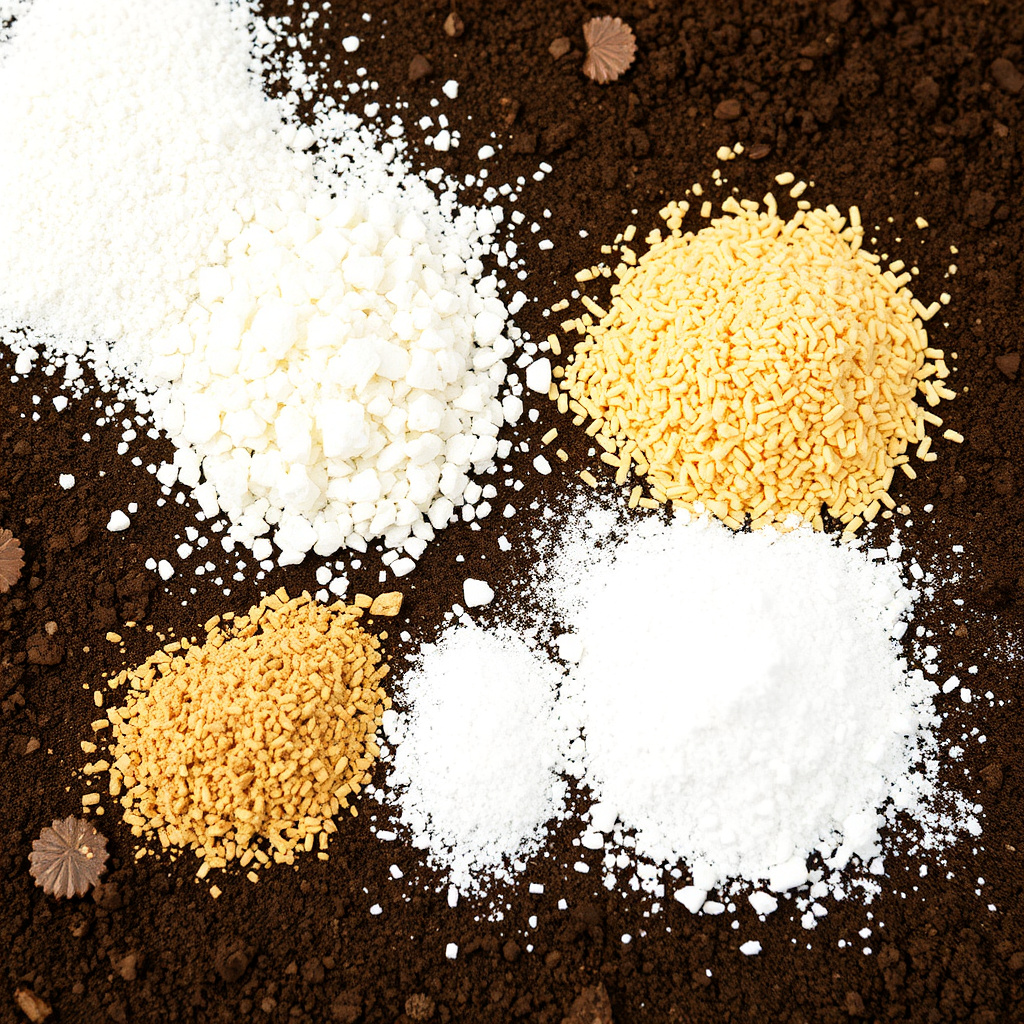
Natural and Organic Phosphorus Sources
Organic sources like bone meal, rock phosphate, and manure release phosphorus slowly into the soil as microbes break them down. These release forms are beneficial for long-term soil health and sustainable gardening.
However, the availability of phosphorus from these sources can be limited depending on soil pH and microbial activity, which influence how much phosphorus plants can access.
- Bone meal
- Rock phosphate
- Composted manure
For more on this, see our related guide: How to Transplant Seedlings Without Stressing Your Plants.
Synthetic Phosphorus Fertilizers
Inorganic fertilizers such as superphosphate and ammonium phosphate provide readily available phosphorus that plants can absorb quickly. These are commonly used in intensive agriculture to meet immediate crop demands.
While fast-acting, synthetic phosphorus fertilizers must be applied carefully to avoid runoff pollution and potential soil nutrient imbalance.
- Superphosphate
- Monoammonium phosphate (MAP)
- Diammonium phosphate (DAP)
Managing Soil Phosphorus Levels Effectively
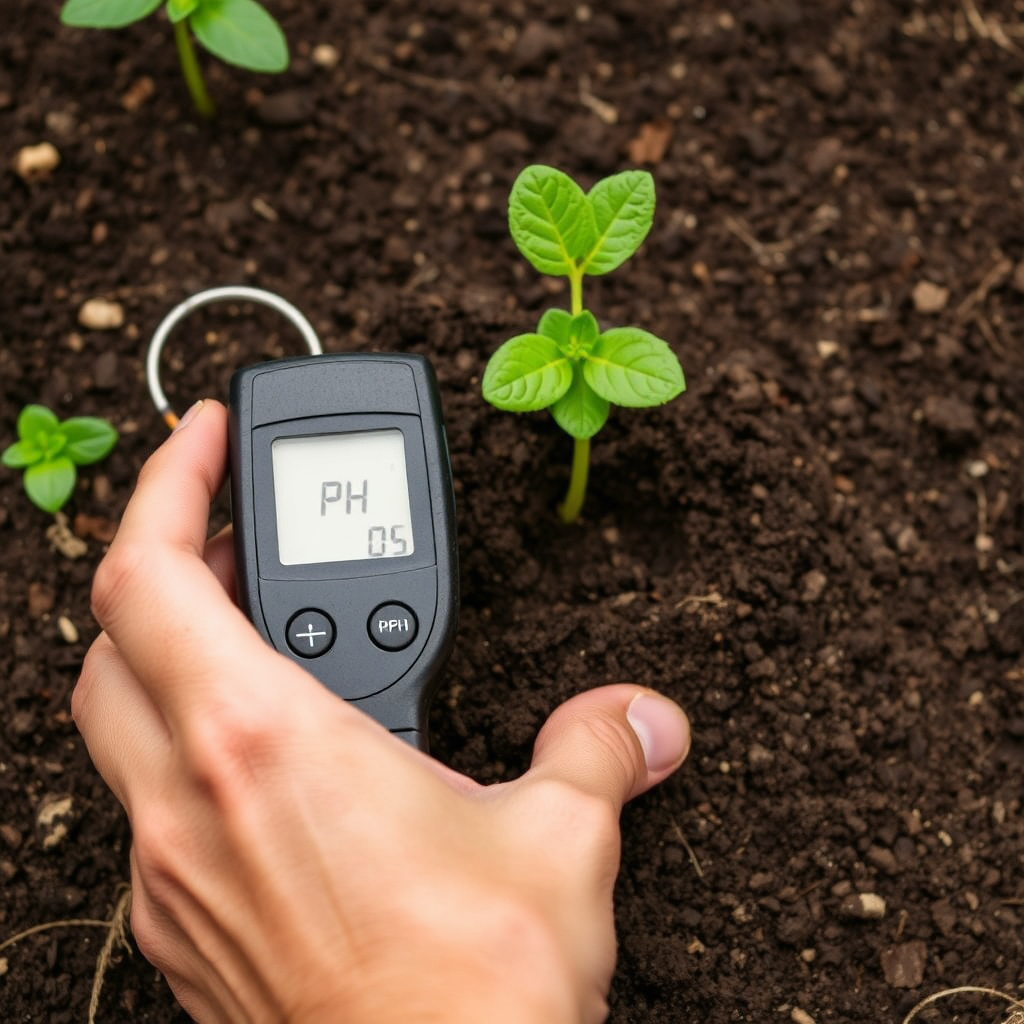
Soil pH and Phosphorus Availability
Soil pH greatly influences phosphorus uptake. Phosphorus is most available to plants in soil pH between 6 and 7. Outside this range, phosphorus binds tightly with minerals making it inaccessible.
Maintaining balanced soil pH by liming acidic soils or acidifying alkaline soils can improve phosphorus uptake and reduce fertilizer needs.
Crop Rotation and Phosphorus Conservation
Implementing crop rotation with legumes and deep-rooted plants can enhance phosphorus cycling and increase its availability in soil. Cover crops help maintain soil structure and reduce phosphorus loss through erosion.
These cultural practices support the phosphorus nutrient cycle in soil and reduce reliance on external fertilizers.
- Rotate crops to prevent phosphorus depletion
- Plant legumes to promote soil health
- Use cover crops to reduce erosion
Phosphorus in the Phosphorus Nutrient Cycle in Soil
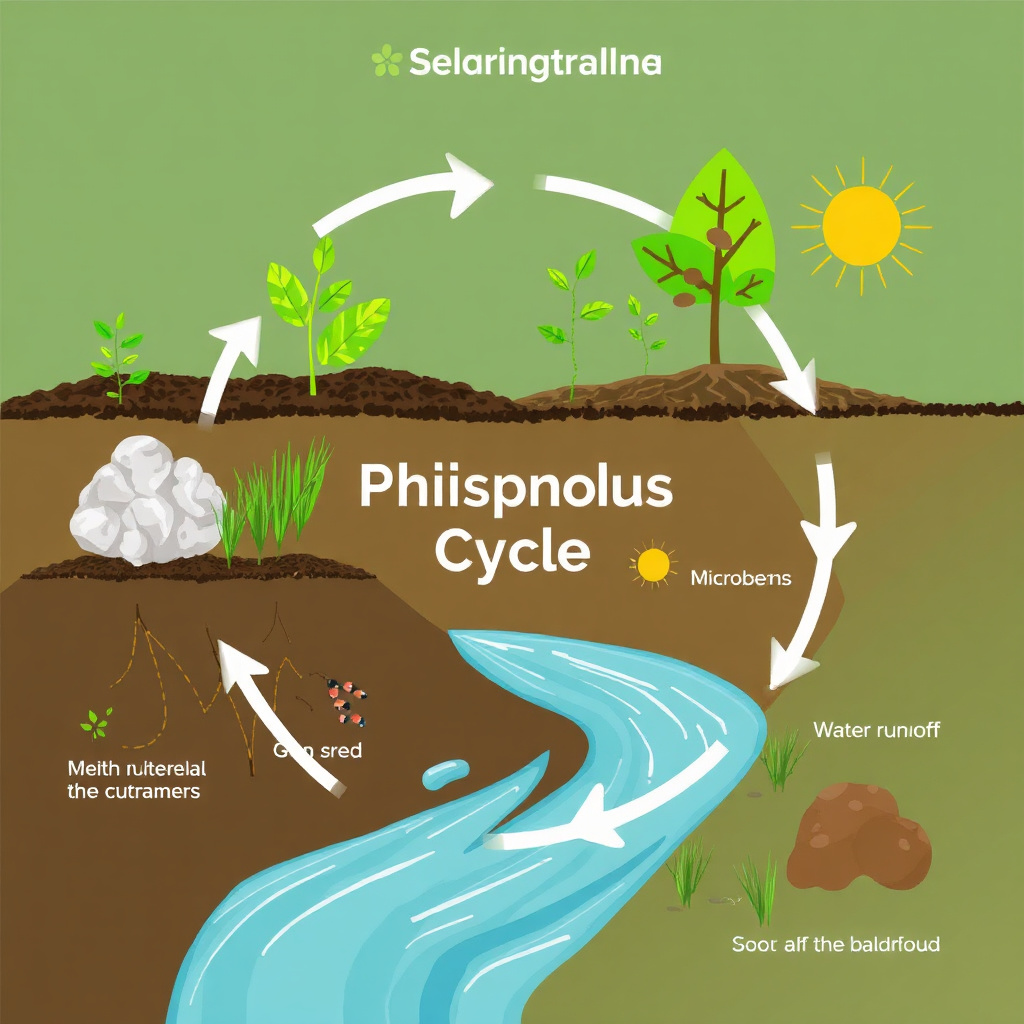
Phosphorus Movement and Fixation in Soil
Phosphorus is naturally cycled through weathering of rocks, uptake by plants, return via organic matter, and microbial mineralization. However, in many soils, phosphorus quickly reacts with iron, aluminum, or calcium compounds, becoming fixed and unavailable.
Understanding these chemical interactions aids in choosing strategies to keep phosphorus accessible for plants and reduce environmental losses.
For more on this, see our related guide: How to Fix Overwatered Cannabis Plants: Effective Recovery Tips.
Environmental Concerns Around Phosphorus Runoff
Excess phosphorus from fertilizers can wash into waterways causing eutrophication—rapid algal growth that depletes oxygen and harms aquatic life. Best management practices,targeting phosphorus use efficiency, reduce runoff risks.
Buffer strips, controlled fertilizer application, and timing can help minimize environmental impact while supporting plant nutrition.
- Use buffer zones near waterways
- Apply phosphorus fertilizers based on soil tests
- Avoid application before heavy rain
Phosphorus and Plant Growth: A Practical Perspective
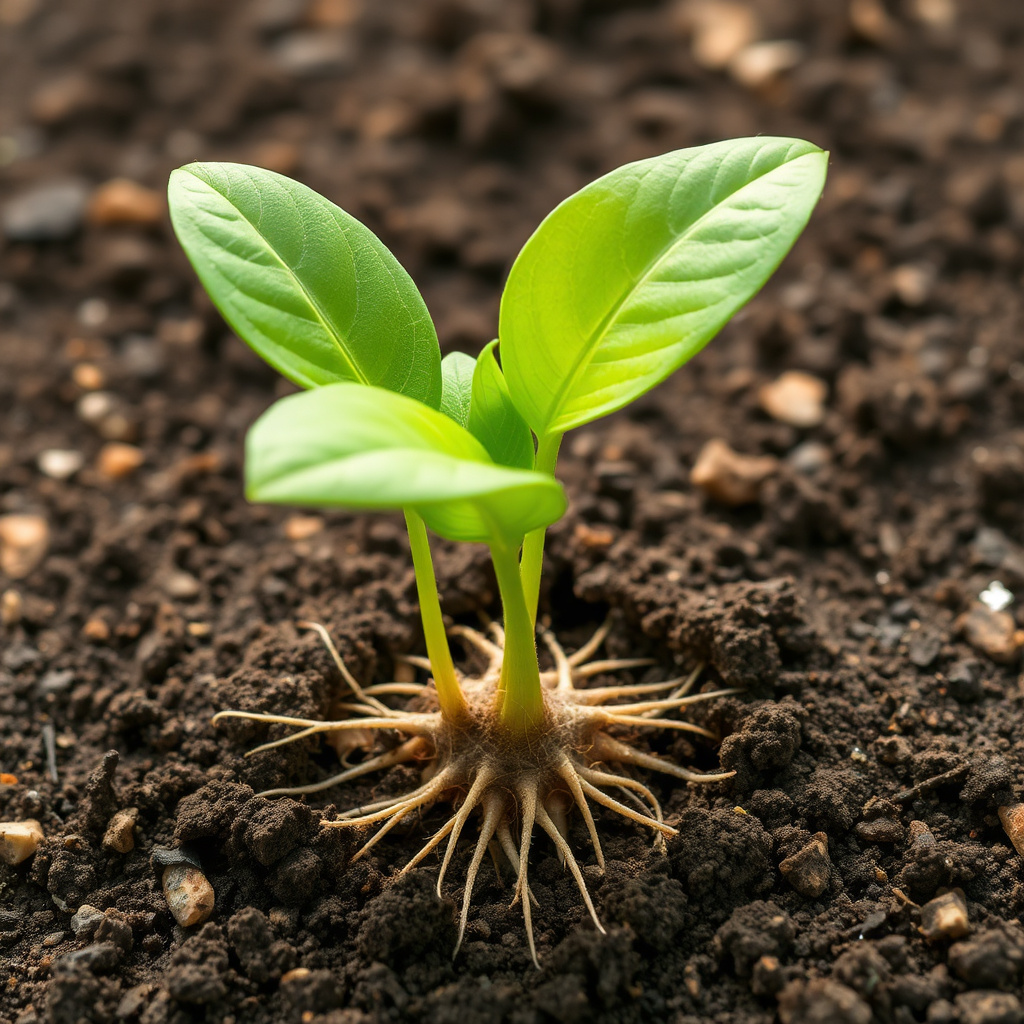
How Phosphorus Boosts Early Plant Development
Phosphorus is critical during seed germination and early root growth stages. It helps stimulate rapid root expansion, which enhances water and nutrient absorption to support overall plant vigor.
Supplying adequate phosphorus early in growth phases can improve resistance to stress and hasten maturity.
For more detailed scientific information on phosphorus in plant nutrition, you can consult this comprehensive resource. Phosphorus (plant nutrient) detailed information.
Phosphorus Effects on Flowering and Fruit Set
Adequate phosphorus promotes flower formation and successful fruit development by supporting energy-intensive processes of reproduction. Deficient plants may produce fewer flowers and lead to patchy fruit or seed set.
Gardeners focusing on flowering plants or fruit crops should prioritize phosphorus availability in their fertilization schedules.
Comparison of Common Phosphorus Fertilizer Types
Below is a comparison table highlighting characteristics, availability, and best uses of common phosphorus fertilizers for plants.
| Fertilizer Type | Source | Availability to Plants | Typical Application Rate | Ideal Use Case |
|---|---|---|---|---|
| Rock Phosphate | Natural mineral | Slow release | 50-150 lbs/acre | Long-term soil amendment |
| Bone Meal | Animal bone | Slow release | 5-10 lbs/100 sq ft | Organic gardening |
| Superphosphate | Processed rock phosphate | Fast release | 20-60 lbs/acre | Rapid soil phosphorus correction |
| Monoammonium Phosphate (MAP) | Synthetic | Quick release | 30-80 lbs/acre | Row crops and vegetables |
| Diammonium Phosphate (DAP) | Synthetic | Quick release | 40-90 lbs/acre | Cereal grains and pastures |
Frequently Asked Questions
Why do plants need phosphorus?
Plants require phosphorus to produce energy, grow roots, form flowers, and create DNA and cell membranes, making it essential for overall development.
How can I tell if my plants lack phosphorus?
Look for stunted growth and purple or dark discoloration on older leaves, along with delayed flowering and poor fruit development.
Can too much phosphorus harm my plants?
Excess phosphorus can cause nutrient imbalances, reducing uptake of other essential minerals like iron and zinc, and increase environmental runoff risks.
What soil pH is best for phosphorus availability?
Phosphorus is most available to plants in soils with a pH between 6.0 and 7.0; outside this range, it tends to bind with other minerals and becomes less accessible.
Is organic phosphorus better than synthetic fertilizers?
Organic phosphorus sources release nutrients slowly and improve soil health, while synthetic fertilizers provide quick availability—each suits different gardening goals.
Key Takeaways
- Phosphorus is essential for energy transfer, root growth, and reproduction in plants.
- Deficiency symptoms include purple leaves and stunted growth.
- Soil pH between 6 and 7 maximizes phosphorus availability.
- Both organic and synthetic phosphorus sources have unique benefits.
Conclusion
Evaluating phosphorus needs begins by understanding its crucial role in plant metabolism and growth. Plants depend on phosphorus to produce energy, grow roots, and reproduce. Without enough accessible phosphorus, gardens and crops will suffer in size, yield, and overall health. Regular soil testing to monitor phosphorus levels allows precise management that supports vigorous plants without excess.
For gardeners and farmers, the choice between organic and synthetic phosphorus fertilizers depends on specific goals and timelines. Organic options like bone meal and rock phosphate improve soil structure and feed plants steadily over time, ideal for sustainable practices. Synthetic fertilizers such as MAP and DAP offer rapid phosphorus availability to correct deficiencies quickly and support high-yield production in intensive farming.
Supporting plants with the right phosphorus strategy increases resilience, productivity, and environmental stewardship. Start by testing your soil and adjusting pH if needed. Use organic sources when building soil health, and apply synthetic fertilizers for immediate crop needs. This balanced approach will nourish your plants effectively and keep your soil thriving.