How to Plan a Succession Planting for Continuous Harvests
Succession planting is the process of staggering your garden plantings to ensure a continuous harvest over an extended period. Instead of planting all your seeds or seedlings at once, you space them out in intervals to maintain a steady supply of fresh vegetables or flowers as older plants finish producing. This approach maximizes garden productivity and reduces the risk of a single harvest period overwhelming your kitchen.
Gardeners use succession planting to make the most of their available space and extend the season for fresh produce. Whether you have a small backyard plot or a larger vegetable garden, planning your plantings involves selecting crops that mature quickly, timing sowing intervals, and understanding your climate’s growing windows. Succession planting matters because it keeps your garden active and rewarding for months.
This article covers effective strategies for planning a succession planting, including choosing the right crops, setting up planting schedules, managing soil health, and troubleshooting common challenges. By following these guidelines, you can enjoy fresh, homegrown produce from early spring until late fall.
Understanding Succession Planting Basics
What is Succession Planting?
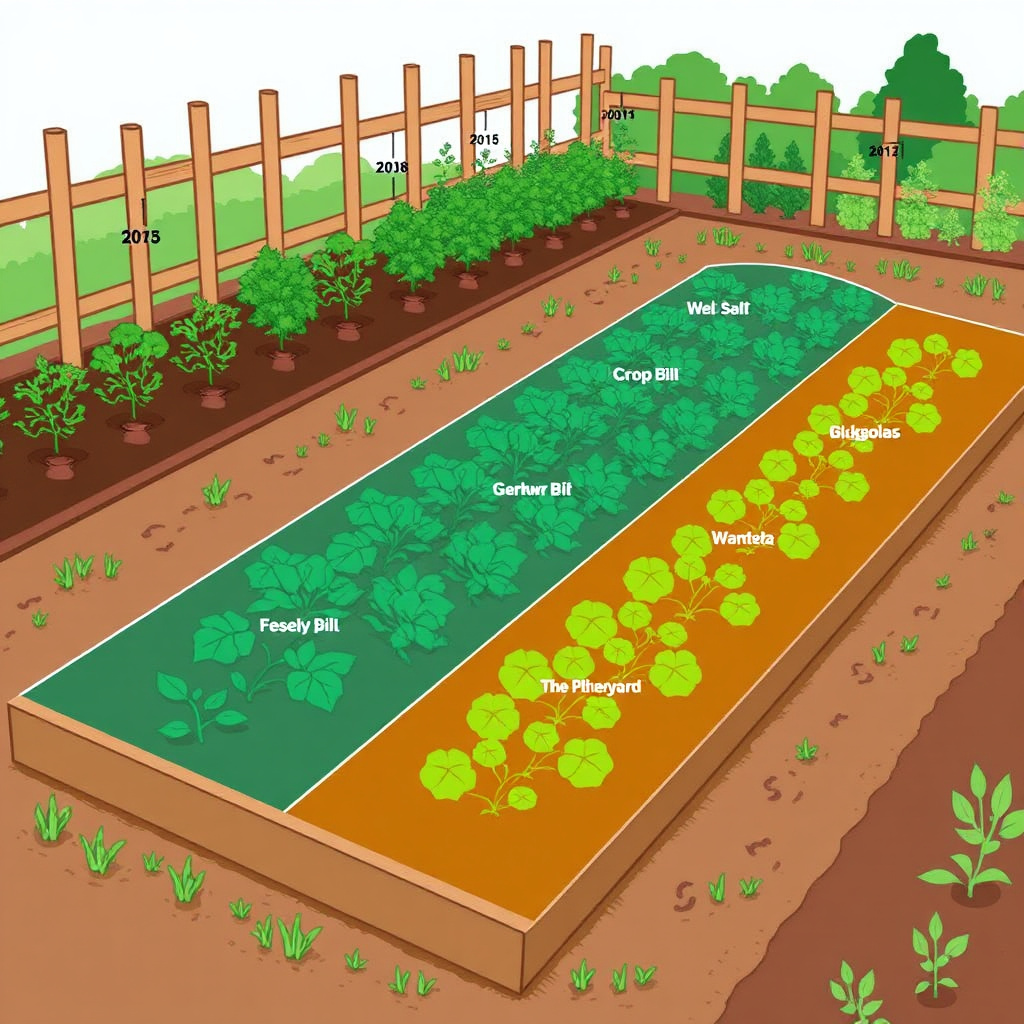
Succession planting is a gardening technique where you plant crops in successive waves rather than all at once. The goal is to replace harvested plants immediately with new ones to maintain a continuous supply throughout the growing season. This method is especially useful for vegetables that mature quickly and can be sown directly into the soil multiple times.
By planning crops in intervals, gardeners can avoid periods with no fresh harvest and prevent overcrowding. Succession planting also helps spread labor tasks, such as planting and harvesting, over time, making garden maintenance more manageable.
Benefits of Succession Planting
One major benefit of succession planting is steady availability of fresh produce. Instead of a single bountiful harvest followed by a lull, you get a continuous yield that can meet daily cooking needs. It also improves garden productivity by making full use of the space and growing season.
Succession planting reduces pest and disease buildup by rotating crops and allowing time between plantings. It also helps gardeners experiment with different varieties and planting schemes, improving experience and satisfaction with gardening results.
Choosing the Right Crops for Succession Planting
Best Crops for Succession Planting
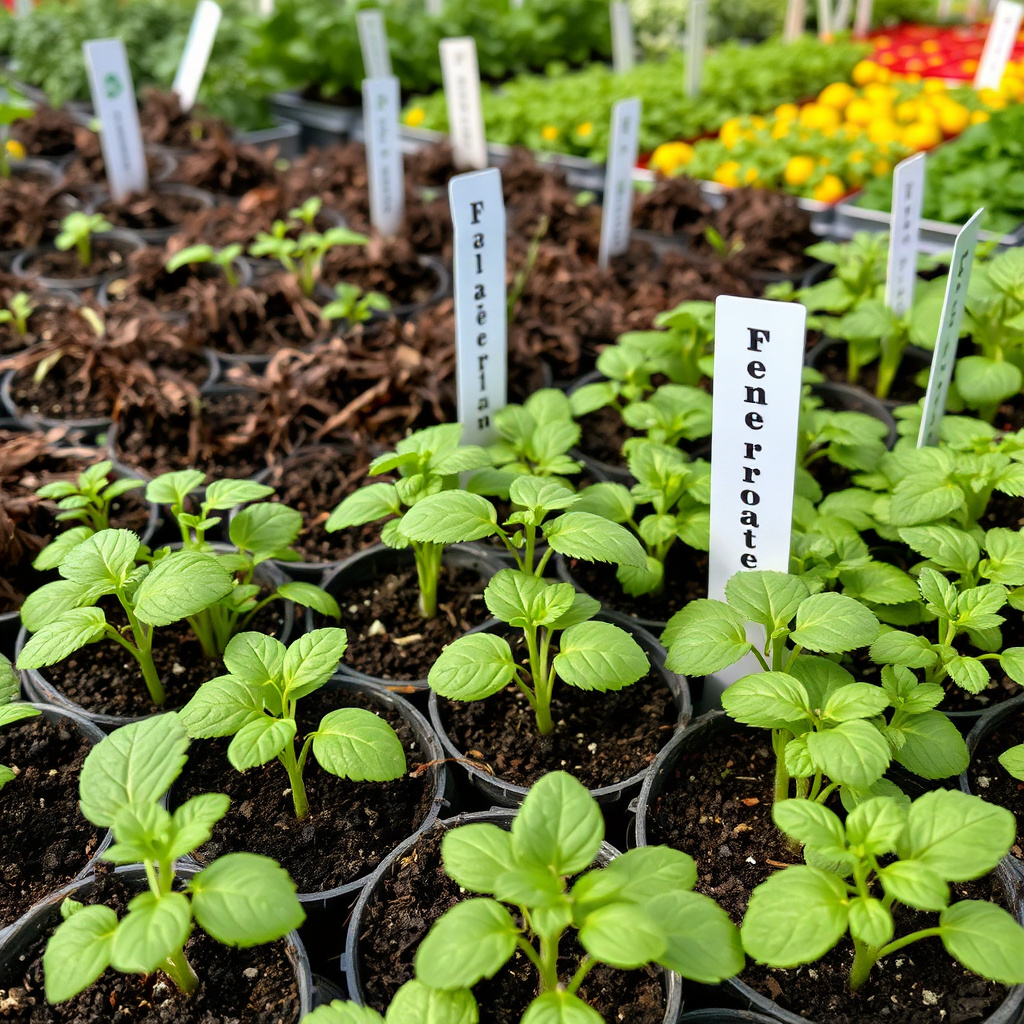
Fast-maturing crops that produce in 30 to 60 days are ideal for succession planting. Examples include radishes, lettuce, spinach, bush beans, and baby carrots. Leafy greens and root vegetables often grow quickly and can be planted multiple times in a season.
Choosing crops that tolerate a range of temperatures enables you to extend the planting windows. Cool-season crops like peas and kale thrive in spring and fall, while warm-season crops such as cucumbers and zucchini fit well in mid-summer succession cycles.
- Radishes – 25-30 days
- Leaf lettuce – 30-40 days
- Spinach – 35-45 days
- Bush beans – 50-60 days
- Carrots – 60-70 days
Avoiding Crop Conflicts
When planning successive crops, consider potential conflicts such as allelopathy (chemical inhibition between plants) or nutrient competition. Avoid planting closely related vegetables in quick succession to reduce disease carryover and soil nutrient depletion.
Crop rotation principles applied to succession planting ensure healthier soil and plants. For instance, follow heavy nitrogen feeders like spinach with nitrogen-fixing crops such as beans. Planning with companion planting in mind enhances growth support and pest deterrence.
Scheduling Your Succession Planting

Creating a Planting Timeline
Start by determining your local frost dates and calculate the number of days to maturity for each crop. Using this data, you can create staggered planting dates, usually spaced by one to three weeks, depending on how long crops take to mature.
Maintain a detailed planting schedule to keep track of sowing dates, germination, harvesting, and replanting. Digital tools or garden planners are helpful for managing multiple succession crops and their timelines simultaneously.
- Calculate days to maturity
- Mark key frost dates
- Choose planting intervals
- Track harvest windows
Using Successive Planting Models
Standard models for succession planting include 'one after another', where a new crop replaces the harvested one immediately; 'overlapping planting', where crops at different maturity stages grow simultaneously; and 'mixed planting', combining different species for continuous yield.
Each model suits different garden sizes and goals. Overlapping planting provides variety at all times but requires more space, while one after another conserves space and is simpler for beginners.
Preparing and Maintaining Soil for Succession Planting
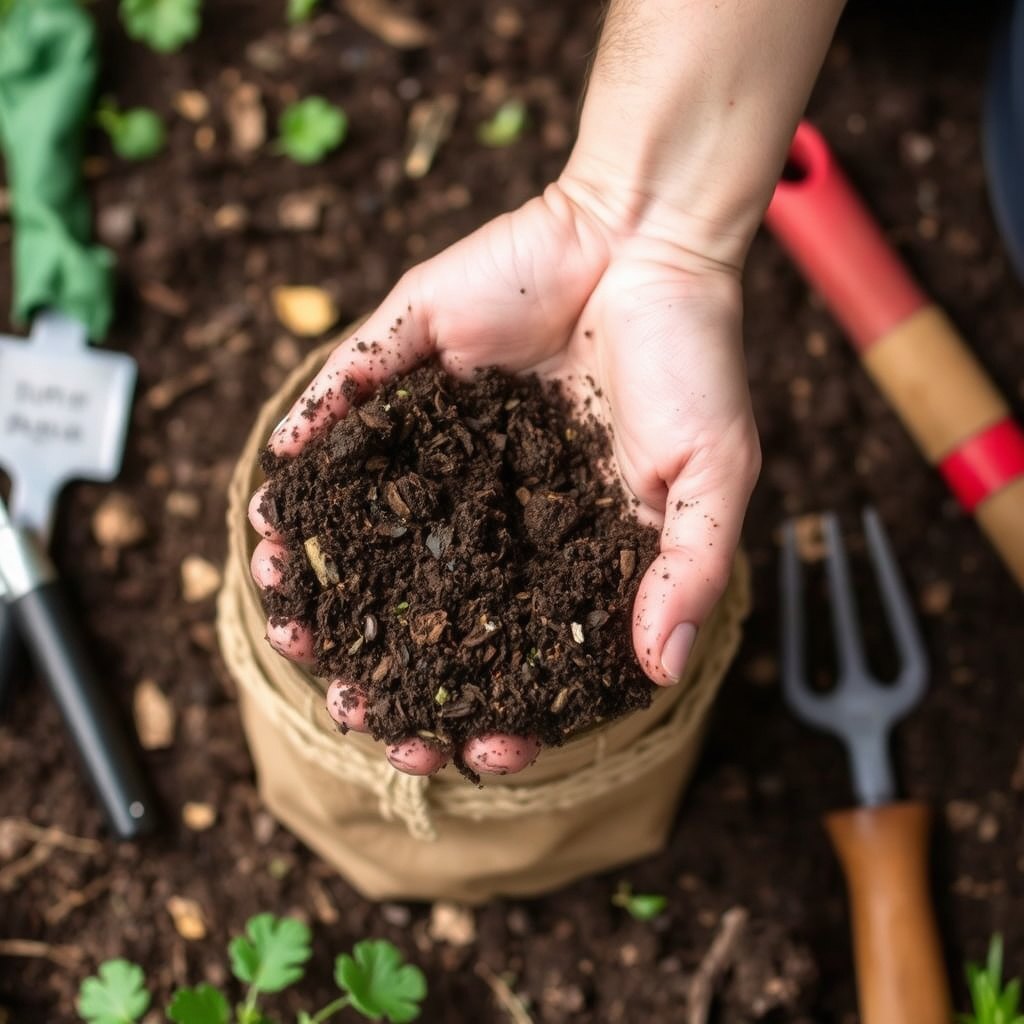
Soil Preparation Before Planting
Before sowing any crops, prepare the soil by loosening it, removing weeds, and incorporating organic matter like compost. Healthy soil promotes faster germination and robust growth, especially important when planting successive crops that demand ongoing nutrients.
Testing soil pH and nutrient levels helps you amend deficiencies before planting. Most vegetables prefer slightly acidic to neutral pH (6.0 to 7.0). Proper soil drainage is also critical to prevent root diseases during the growing season.
- Remove weeds and debris
- Add compost or aged manure
- Perform soil pH test
- Amend with lime or sulfur if needed
Nutrient Management Between Crop Cycles
After harvesting one crop, replenish soil nutrients to support the next planting. Applying a balanced fertilizer and additional organic matter keeps the soil fertile. Cover cropping with legumes between cycles can also fix nitrogen naturally.
Regular watering and mulching preserve soil moisture and reduce erosion. Monitoring for soil compaction and addressing it by aeration ensures roots can access nutrients effectively throughout successive plantings.
Managing Pests and Diseases in Succession Planting
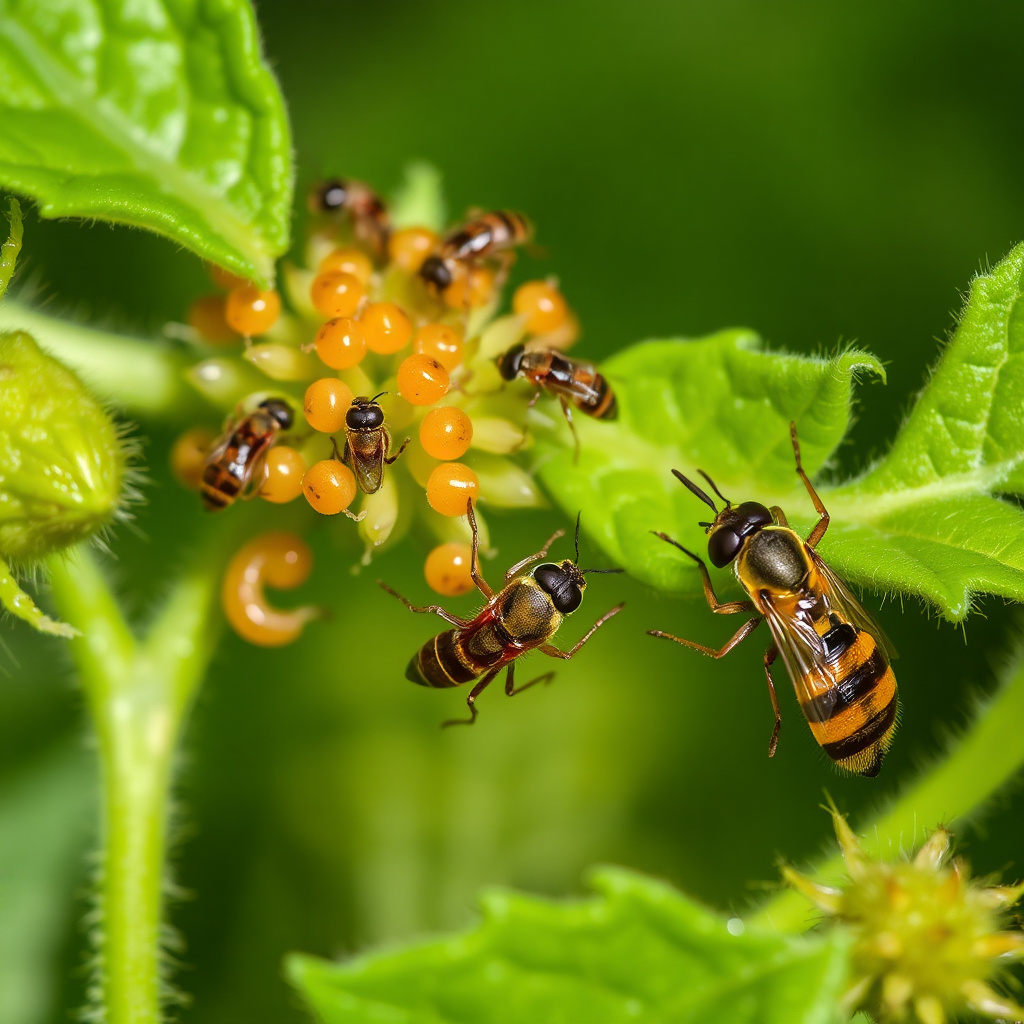
Pest Control Strategies
Continuous planting can increase pest pressure if natural cycles are disrupted. Using integrated pest management (IPM) helps maintain pest populations at manageable levels. Encourage beneficial insects, practice physical removal, and use organic pesticides only when necessary.
Crop rotation inherent in succession planting reduces pest buildup by interrupting host availability. Companion planting with pest-repellent species like marigolds or garlic can further protect vulnerable young plants.
- Encourage beneficial insects
- Use row covers for protection
- Handpick pests when feasible
- Apply organic treatments sparingly
Preventing Disease Spread
Diseases can spread more easily when crops follow one another quickly. To minimize risk, sanitize tools regularly and avoid overwatering. Rotate crops to unrelated plant families and remove plant debris to reduce inoculum sources.
Using resistant varieties of vegetables and avoiding overcrowding improves air circulation and plant vigor. Monitoring plants daily allows early detection and swift response to prevent widespread damage.
Extending Your Growing Season with Succession Planting
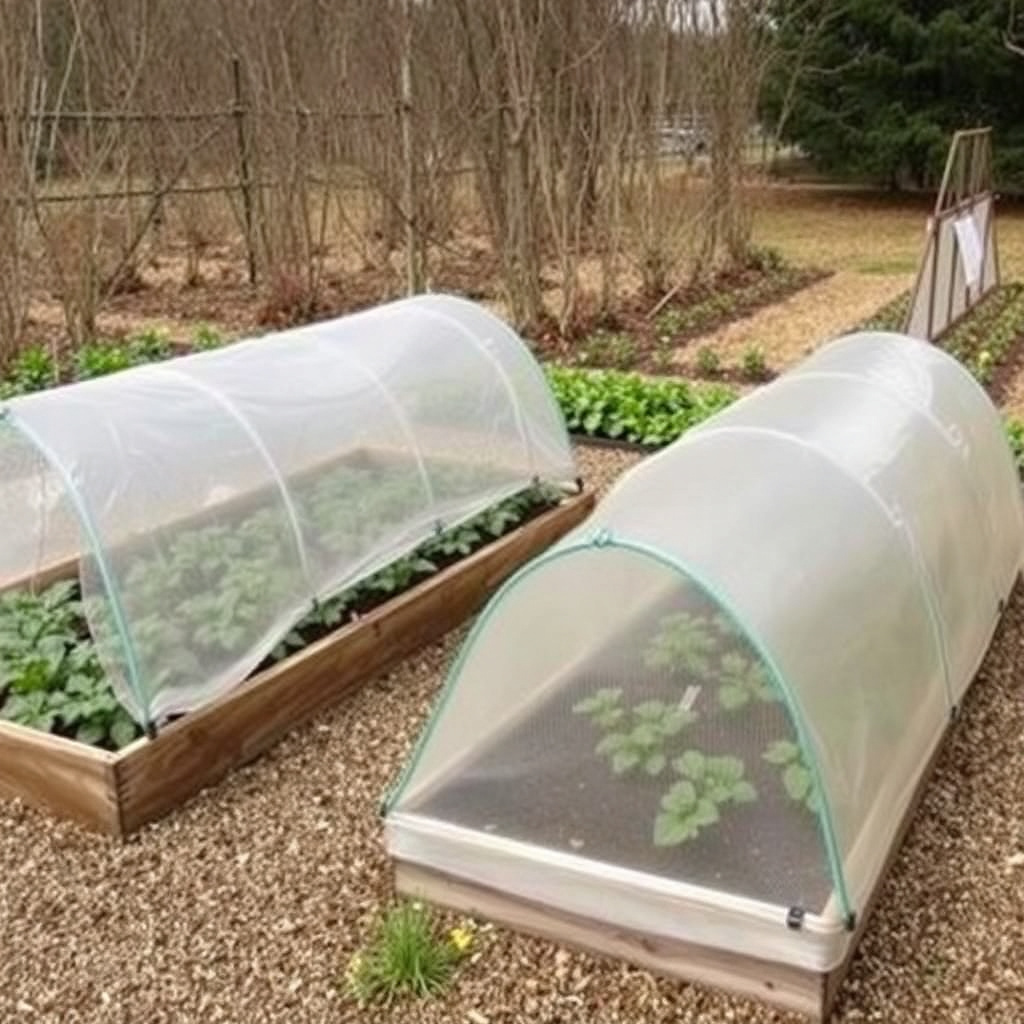
Using Season Extenders
Employing season-extending tools like cold frames, row covers, and greenhouses allows succession planting earlier in spring and later into fall. These methods protect young seedlings from frost and improve germination success.
Adjust planting dates according to microclimate conditions created by these structures, enabling gardeners in cooler regions to lengthen their harvest period effectively.
- Cold frames for frost protection
- Floating row covers for pest control
- Greenhouse seed starting
- Using mulch to conserve heat
For a deeper understanding of succession planting techniques and history, visit this detailed resource. Succession planting detailed guidelines.
Succession Planting in Different Climates
In warmer climates, succession planting may continue year-round with tropical and subtropical crops, while colder zones require careful planning around growing seasons and frost dates.
Selecting climate-appropriate crops and adjusting intervals based on local weather patterns is essential. Consulting regional planting calendars ensures timing aligns with optimal conditions.
Succession Planting Crop Types Comparison
This table compares common crops suitable for succession planting, highlighting growth duration, temperature preference, and spacing requirements.
| Crop | Days to Maturity | Temperature Preference | Spacing (inches) |
|---|---|---|---|
| Radishes | 25-30 | Cool | 1-2 |
| Leaf Lettuce | 30-40 | Cool | 6-12 |
| Spinach | 35-45 | Cool | 3-6 |
| Bush Beans | 50-60 | Warm | 3-6 |
| Carrots | 60-70 | Cool | 2-3 |
| Zucchini | 50-60 | Warm | 24-36 |
Frequently Asked Questions
How often should I plant new crops for succession planting?
Typically, you should plant new crops every one to three weeks depending on the crop's days to maturity and your garden’s harvest needs.
Can I succession plant the same type of crop repeatedly?
While possible, it’s best to rotate crops to avoid soil nutrient depletion and reduce pest and disease buildup.
What are good crops to start with for succession planting?
Fast-growing crops like radishes, leaf lettuce, and spinach are ideal for beginners practicing succession planting.
How does succession planting help with pest control?
By rotating crops and staggering planting times, succession planting disrupts pest life cycles and reduces their population buildup.
Is soil preparation different for succession planting?
Soil preparation includes regular additions of organic matter and nutrient replenishment between plantings to support ongoing growth.
Key Takeaways
- Succession planting spaces crop plantings to ensure continuous harvests.
- Choosing fast-maturing, climate-suitable crops is essential.
- Proper soil preparation and nutrient management support multiple plantings.
- Pest and disease management benefit from crop rotation and staggered planting.
Conclusion
Planning succession planting involves understanding your garden’s growing season, selecting appropriate crops, and scheduling staggered plantings to maintain steady production. By combining knowledge of crop maturity times with local climate data, gardeners can make their plots far more productive and enjoyable. This method requires deliberate management of soil health, pest control, and planting schedules but rewards are consistent fresh produce and better space utilization.
For gardeners seeking continuous harvests, starting with fast-growing vegetables such as radishes, leaf lettuce, and spinach is a practical strategy. Incorporating successive plantings of bush beans or carrots extends the yield through warmer months. Use overlapping planting models in larger gardens for variety, or one-after-another planting in small spaces for simplicity. Season extenders can push the planting window further, especially in cooler regions.
Your next step is to outline a clear planting calendar based on your frost dates and preferred crops, then prepare your soil carefully to support ongoing growth cycles. Regular observation and adjustment of your planting plans will help you refine the process. With patience and attention, succession planting can transform your garden into a dependable source of fresh vegetables throughout the season.