How to Set Up a Grow Light for Thriving Indoor Plants
Setting up a grow light involves selecting the right type of light, positioning it correctly above your plants, adjusting the height and duration of light exposure, and ensuring proper ventilation to maximize plant health and growth. The process starts with understanding your plants’ specific light requirements and matching those with an appropriate grow light model.
Indoor plants cannot always rely on natural sunlight, especially in low-light homes or during winter months, making grow lights essential for their survival and productivity. The right configuration can simulate the natural sun’s spectrum and intensity, effectively aiding photosynthesis and boosting plant growth indoors.
This article will cover different grow light types, placement strategies, timing schedules, power considerations, and maintenance tips to help you establish an effective grow light setup tailored to your plants’ needs.
Choosing the Right Grow Light Type
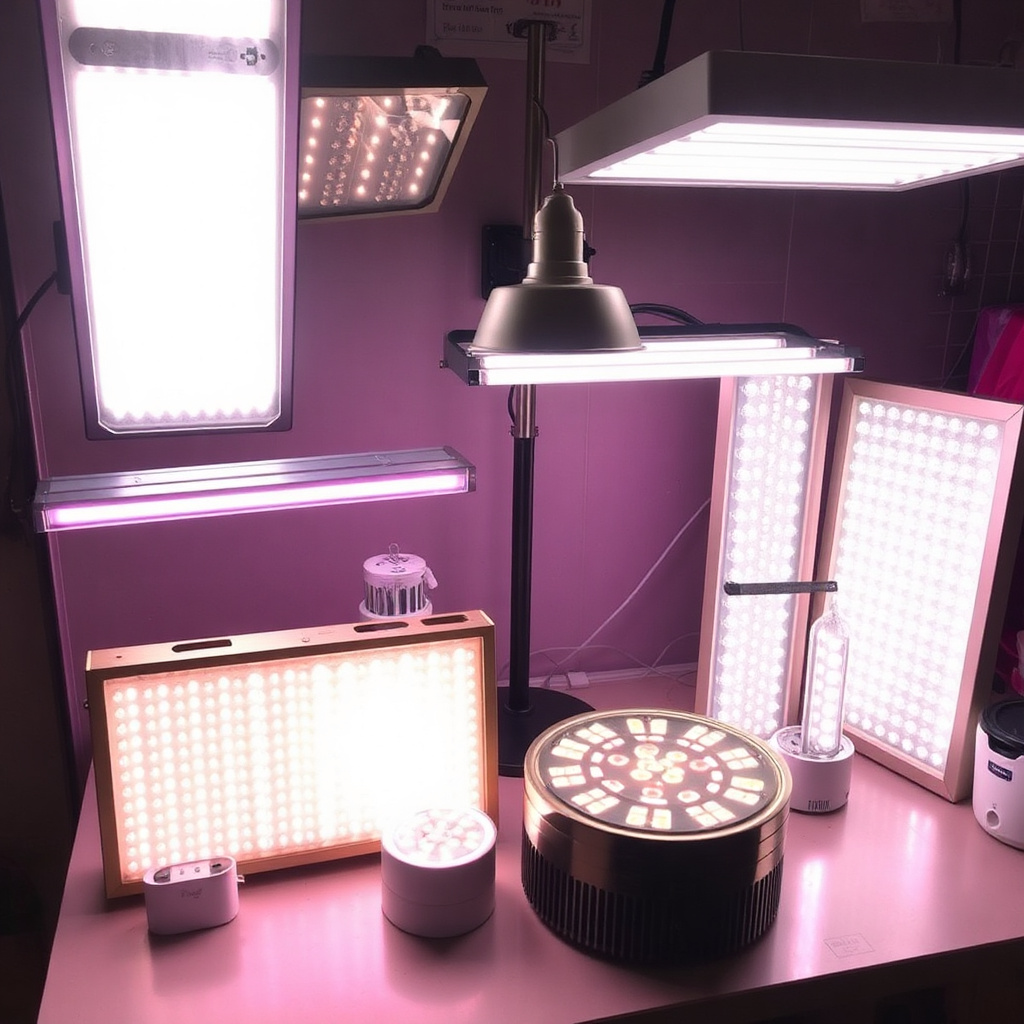
LED Grow Lights: Efficiency and Spectrum Control
LED grow lights are popular for their energy efficiency, long lifespan, and ability to deliver tailored light spectrums. They generate less heat, reducing the risk of burning plants and the need for extensive cooling systems.
Many LED models offer adjustable spectrums to optimize growth phases like vegetative and flowering stages. Their low power consumption and customizable features make them ideal for hobbyists and serious growers alike.
- Low electricity usage
- Adjustable light spectrum
- Cool operation temperature
- Long service life
Fluorescent and HID Lights: Traditional Options
Fluorescent lights, such as T5 bulbs, provide moderate light intensity suitable for seedlings and leafy plants. They are cost-effective but less efficient than LEDs and produce more heat.
High-intensity discharge (HID) lamps, including Metal Halide (MH) and High-Pressure Sodium (HPS), offer strong light output for flowering plants but require ventilation due to significant heat production.
- Fluorescent: good for low-intensity needs
- HID: powerful but heat-heavy
- Higher operating costs compared to LEDs
- Often used in commercial setups
Positioning and Installing Your Grow Light
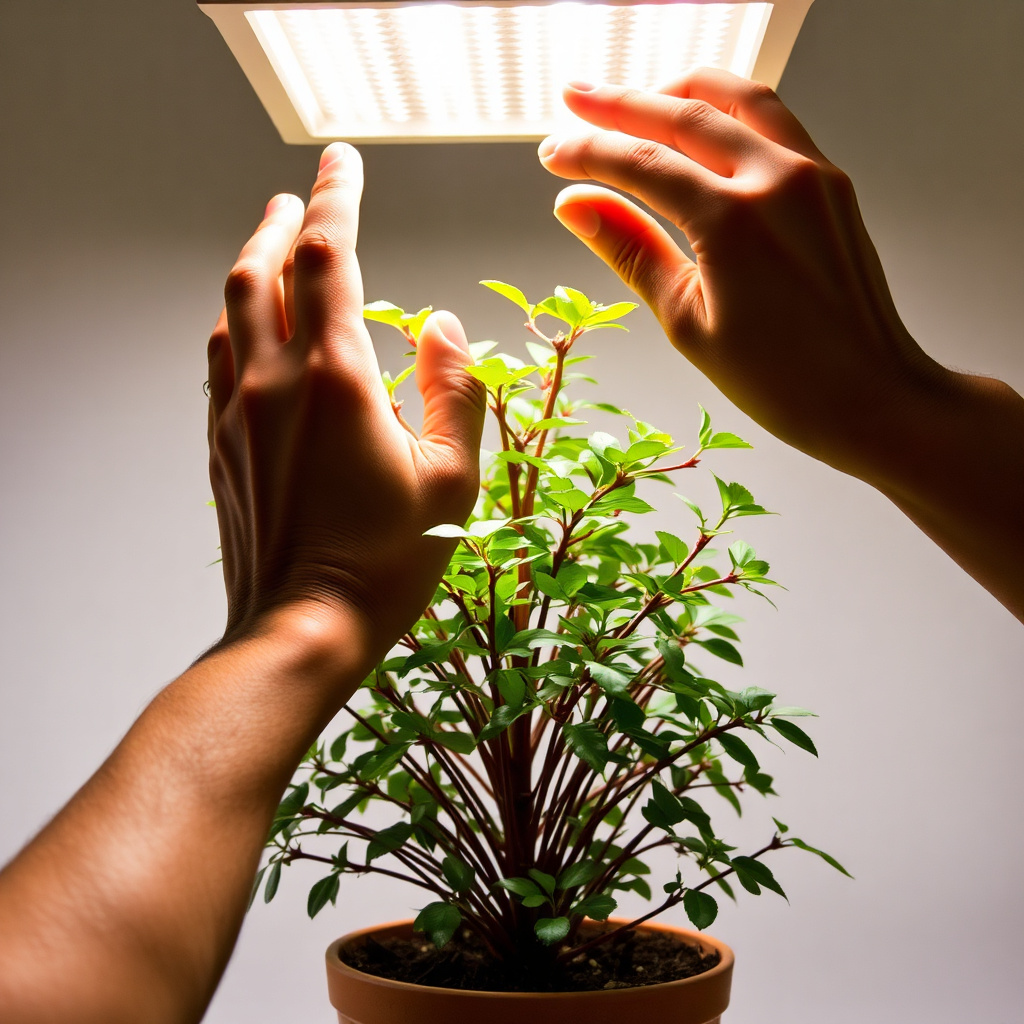
Determining Proper Height and Distance
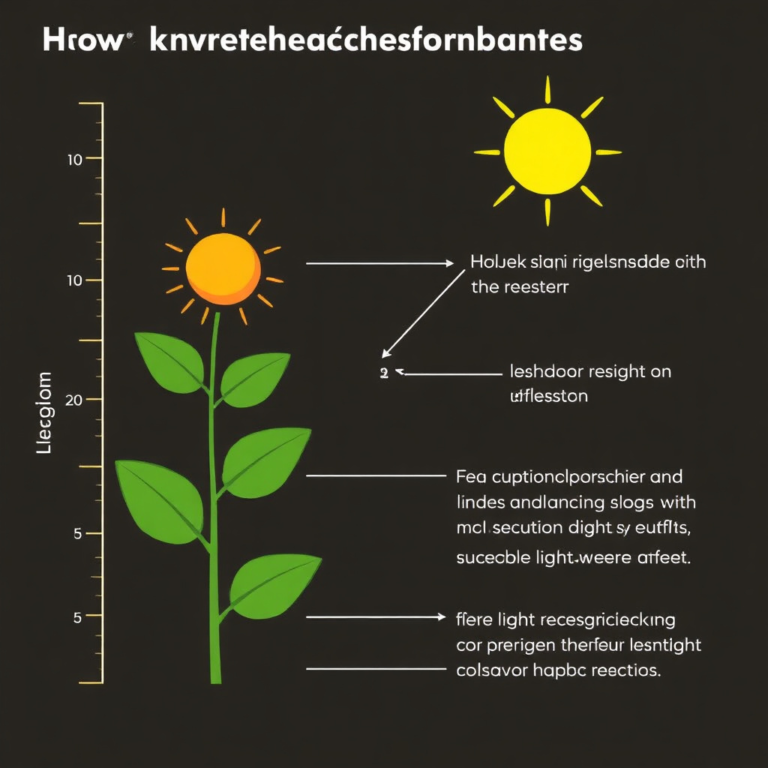
The height of your grow light from plants varies based on light type and plant species. LEDs typically require 12 to 24 inches, while stronger HID lights might need to be placed 24 to 36 inches away to avoid leaf burn.
Close positioning promotes intense light absorption but be cautious as too much proximity can cause heat stress or light bleaching. Regularly monitor plant response to adjust accordingly.
- Measure distance from plant canopy
- Adjust based on light intensity and plant sensitivity
- Keep consistent spacing during growth stages
For more on this, see our related guide: How to Fix Stunted Plants: Effective Solutions for Healthy Growth.
Mounting and Securing the Fixture
Use adjustable hangers or chains to mount your grow light securely, allowing for easy vertical repositioning as plants grow. Ensure the fixture is stable and won’t pose safety risks.
Connect to a reliable power source with proper surge protection. Position lights away from high humidity or water sources to prevent electrical hazards.
- Use adjustable supports
- Check fixture stability
- Use certified power cords and outlets
Setting the Lighting Schedule for Optimal Growth
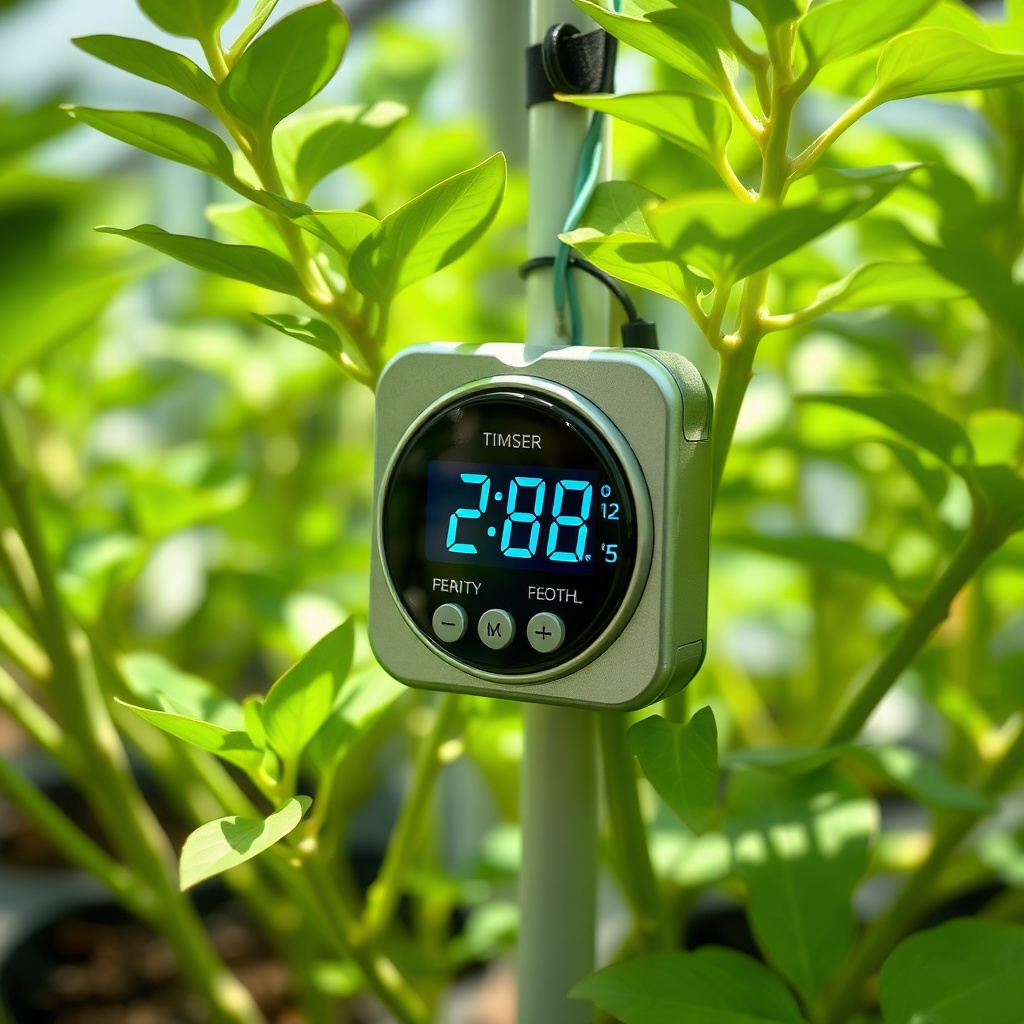
How Long to Keep Grow Lights On
Most indoor plants benefit from 12 to 16 hours of light daily, mimicking natural daylight periods during growing seasons. Seedlings may require longer exposure, while flowering plants often need precise light cycles to initiate blooming.
Avoid keeping grow lights on 24/7 as plants also require dark periods. Using timers can automate on/off cycles, ensuring consistency and convenience.
- 12-16 hours light for vegetative growth
- 10-12 hours for flowering
- Use timers for steady cycles
Adjusting Light Duration as Plants Mature
Light needs change as plants transition between growth stages. During the vegetative phase, extended light promotes foliage development, while the flowering phase favors shorter light durations with uninterrupted darkness to trigger blooms.
Monitoring your plants’ health and growth milestones will inform ideal timing adjustments. Gradual shifts in light cycles reduce stress and encourage healthy development.
Considering Power and Energy Usage
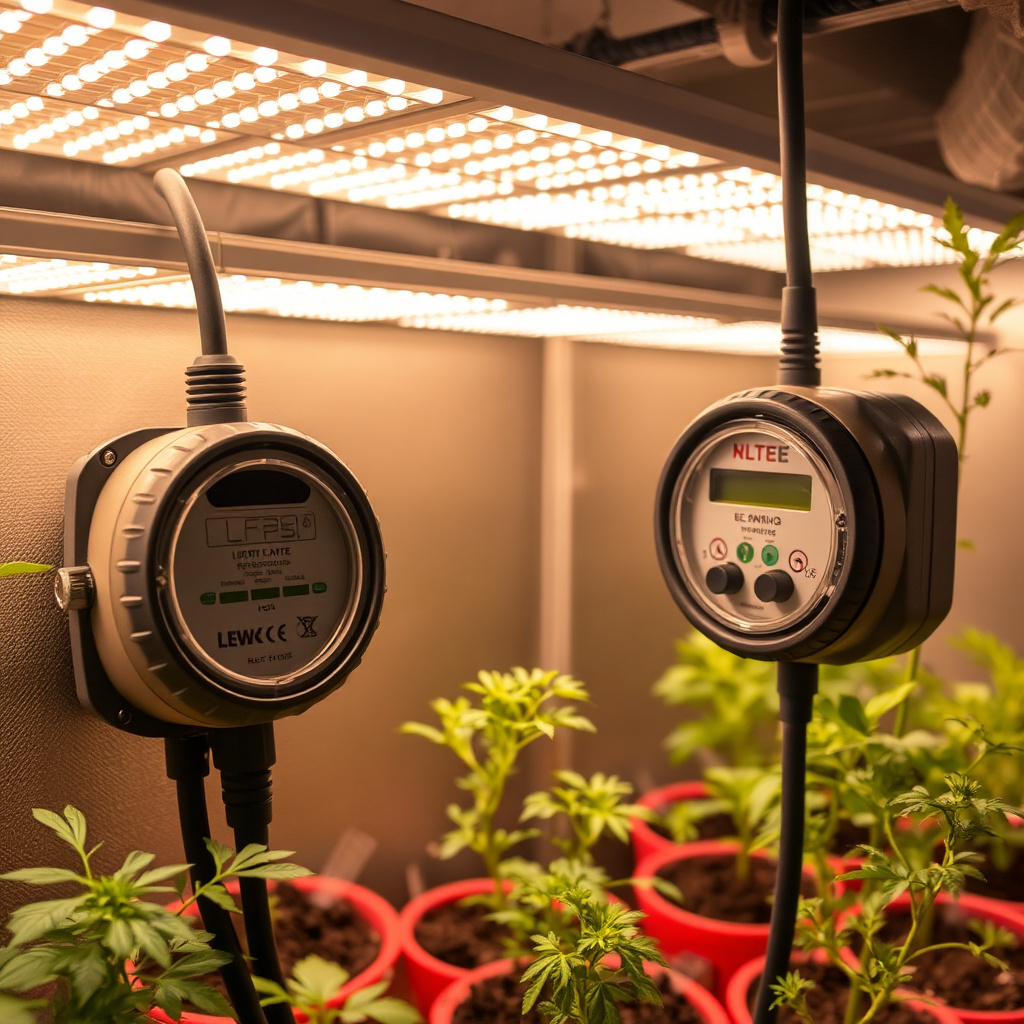
Estimating Energy Consumption
Grow lights vary widely in wattage, with LEDs typically ranging from 20 to 300 watts per unit. Understanding your total wattage will help estimate electricity costs over time.
Calculate consumption based on hours used daily and the number of lights in operation. This helps budget for ongoing power expenses.
- Check manufacturer wattage specs
- Multiply by daily usage hours
- Estimate monthly cost with local rates
For more on this, see our related guide: How to Plant Seeds at the Right Depth for Successful Growth.
Energy-Saving Tips for Grow Light Use
Choose energy-efficient LED grow lights where possible to reduce power draw. Using reflectors and optimizing light placement improves coverage, reducing the need for extra fixtures.
Turn off lights during non-essential periods and employ timers for automation. Keep bulbs clean to maintain maximum light output.
- Prefer LEDs for efficiency
- Use reflective materials
- Maintain clean fixtures
- Implement scheduled operation
Maintaining and Troubleshooting Your Grow Light Setup
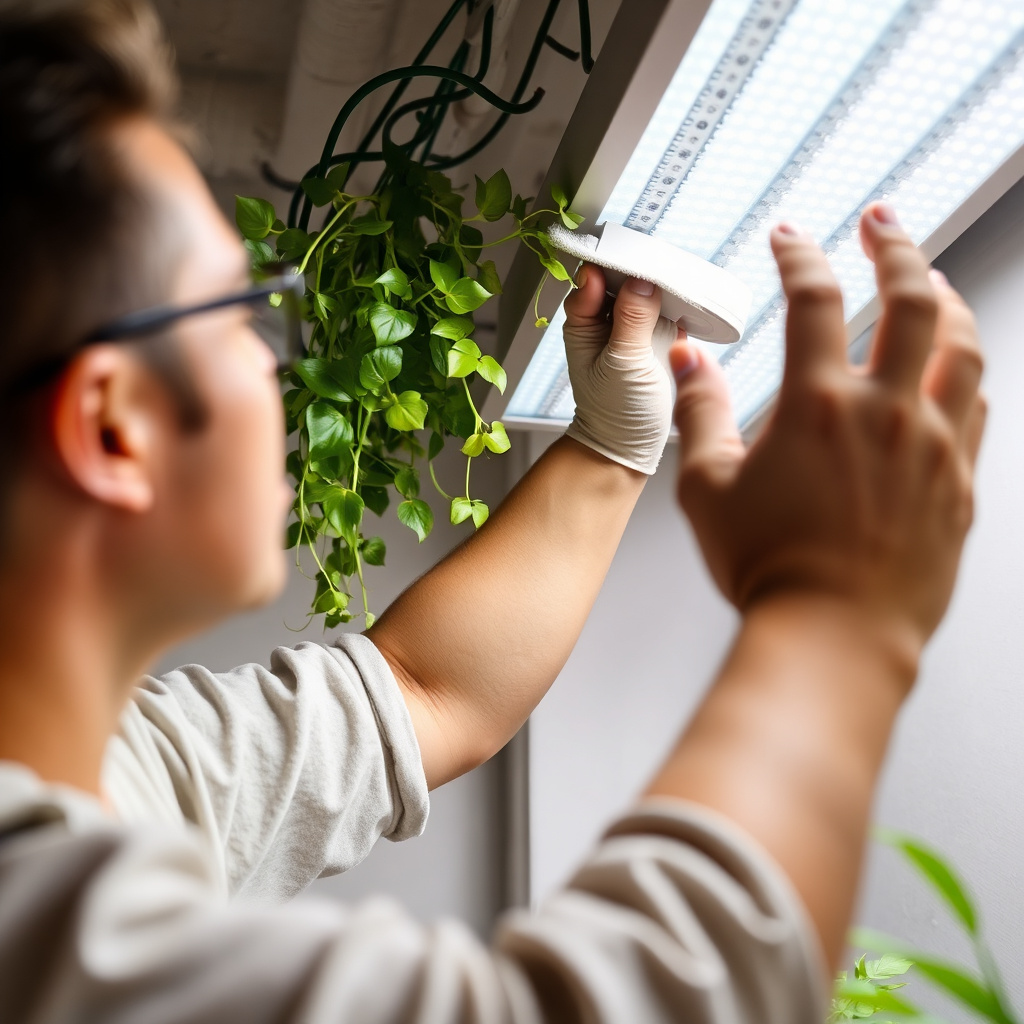
Routine Maintenance Practices
Regularly cleaning grow light surfaces prevents dust buildup that diminishes light intensity. Inspect all wires and connections for wear or damage to reduce electrical risks.
Replace bulbs as recommended by manufacturers to keep light spectrum and brightness optimal. Periodic checkups ensure your grow light setup supports healthy plant growth.
- Clean reflective panels and bulbs
- Check electrical cords and plugs
- Replace bulbs on schedule
For more scientific background, visit the grow light basics on Wikipedia which offers a thorough overview of light types and botanical principles. grow light basics on Wikipedia.
Common Issues and Simple Fixes
If plants show yellowing leaves or weak growth, verify the light distance and duration to rule out under or overexposure. Check for equipment overheating or flickering lights which might indicate faults.
Adjust fixture height or light cycles as needed, and consult product manuals for troubleshooting tips or warranty service options.
- Monitor plant health signs
- Check for overheating
- Replace faulty components promptly
Grow Light Types Category Comparison
Here’s a side-by-side comparison to help evaluate the main grow light options by efficiency, heat output, and typical applications.
| Grow Light Type | Energy Efficiency | Heat Generation | Typical Use Case | Average Lifespan |
|---|---|---|---|---|
| LED | High | Low | Vegetative and flowering indoor plants | 50,000+ hours |
| Fluorescent (T5) | Moderate | Moderate | Seedlings, clones, low-light plants | 20,000 hours |
| Metal Halide (MH) | Low | High | Vegetative growth | 10,000 hours |
| High-Pressure Sodium (HPS) | Low | High | Flowering stage | 24,000 hours |
Frequently Asked Questions
How close should I place my grow light to plants?
The ideal distance depends on the light type: LEDs typically go 12-24 inches above plants, while HID lights need 24-36 inches to avoid heat damage.
Can I use a regular household bulb as a grow light?
Standard household bulbs lack the specific light spectrum and intensity required for plant growth, so they are not suitable as grow lights.
Do all plants require the same amount of light?
No, light requirements vary; leafy greens often need less intense light, while flowering and fruiting plants demand stronger, longer light exposure.
Is it okay to leave grow lights on 24 hours a day?
Continuous light can stress plants; most benefit from a dark period of 6-12 hours daily to maintain healthy growth cycles.
How do I know when to replace my grow light bulb?
Replace bulbs following manufacturer guidelines or if you notice decreased brightness or color shifts impacting plant health.
Key Takeaways
- Select grow lights based on plant type and growth stage
- Position lights at recommended distances to avoid stressing plants
- Use timers to provide appropriate daily light cycles
- Maintain equipment regularly to sustain optimal light output
Conclusion
Setting up a grow light requires balancing the right equipment choice, installation height, and lighting schedule to match your plants’ requirements. Considering the specific needs of your indoor garden will guide which light type and configuration will deliver healthy, vibrant growth. Thoughtful setup lays the foundation for successful plant development indoors.
For beginners or those managing smaller numbers of plants, LED grow lights provide a user-friendly, energy-efficient solution with minimal heat output. Those with larger or commercial setups might explore HID options, but must be prepared for extra ventilation and maintenance. Adjusting light duration throughout growth phases optimizes photosynthesis and flowering outcomes, making scheduling just as important as hardware.
Start by assessing your plant species, available space, and budget, then select a grow light type with adjustable height and a timer. Monitor plants closely during early stages and fine-tune settings based on their response. Following these steps will create an indoor environment that supports robust, healthy plant growth driven by the right grow light setup.