What Affects Flowering Time: Key Factors Influencing Plant Blooming
Flowering time in plants is primarily influenced by a combination of environmental cues and genetic factors. Key elements such as temperature, light duration, and nutrient availability all play crucial roles in regulating when a plant transitions from vegetative growth to flowering. These cues can either accelerate or delay blooming depending on the species and conditions.
Understanding what affects flowering time matters because it directly impacts plant reproduction, crop yields, and garden aesthetics. For farmers, knowing how different factors influence flowering can optimize harvest timing, while gardeners can plan their displays more effectively. Variation in flowering time is significant among species even under similar conditions.
This article breaks down the major variables controlling flowering time, including photoperiodism, temperature effects like vernalization, genetic controls within the plant itself, and environmental stresses. It will also cover human interventions such as hormonal treatments and how to manipulate conditions to favor desired flowering schedules.
Photoperiodism and Its Role in Flowering Time
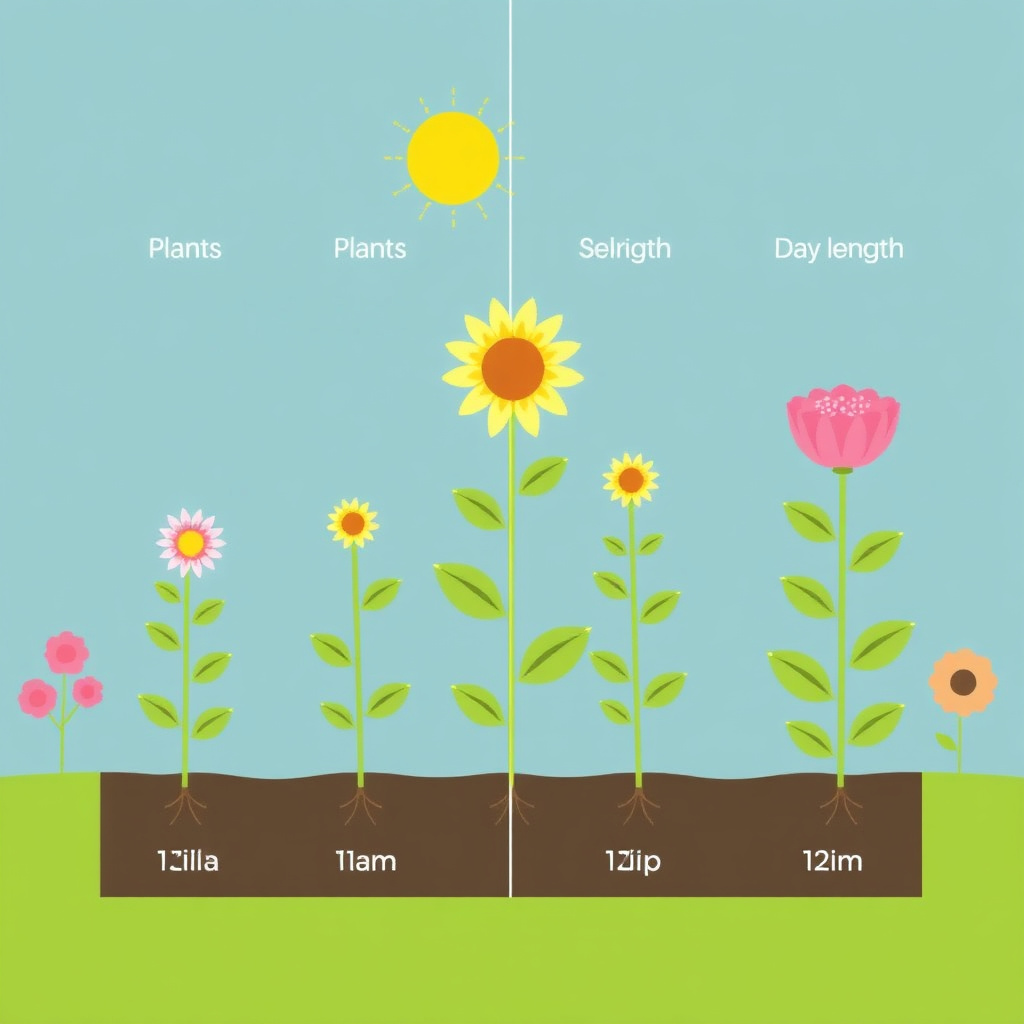
How Daylength Signals Trigger Flowering
Many plants monitor daylength, known as photoperiod, to determine when to flower. Long-day plants flower when daylight exceeds a critical threshold, while short-day plants bloom when daylight falls below a certain length. This system helps synchronize flowering with appropriate seasonal conditions.
The plant hormone florigen transmits the daylength signal from leaves to the shoot apical meristem to initiate flowering. Variations in photoreceptor sensitivity modulate the time it takes these signals to activate flowering genes.
Examples of Photoperiod-Sensitive Plants
Examples include chrysanthemums, which require short days to flower, and spinach, which flowers under long days. Understanding these requirements helps gardeners manipulate light exposure to control blooming.
Some plants are day-neutral, flowering regardless of daylength due to other dominant factors like temperature or internal genetic programming.
Temperature Effects on Flowering Time

Vernalization and Cold Requirement
Vernalization is the exposure to prolonged cold that some plants need before they can flower. This adaptation ensures flowering happens in spring after winter rather than prematurely in autumn.
The requirement varies among species and cultivars, with some crops like winter wheat showing strict cold periods for flowering induction, while others require less or none.
- Exposure to temperatures between 0–10°C for a specific duration
- Genetic regulation of vernalization pathways within plants
Heat and Temperature Stress Impacts
High temperatures can either accelerate flowering by hastening development or delay it if heat stress damages plant tissues. Tropical plants often tolerate higher temperatures better, while temperate species may suffer delays or flower abnormalities.
Fluctuating temperature regimes sometimes induce more uniform or earlier flowering compared to constant temperatures.
Genetic Regulation of Flowering Timing

Flowering Genes and Their Functions
Key genes like FLOWERING LOCUS T (FT) and CONSTANS (CO) regulate flowering time by responding to environmental signals. These genes integrate cues like photoperiod and temperature and activate flowering pathways in the meristem.
Mutations or genetic variations in these genes cause significant flowering time differences between plant varieties, enabling selective breeding for specific schedules.
For more on this, see our related guide: What Affects Plant Growth: Key Factors Explained for Healthy Gardens.
Epigenetic Influence on Flowering
Epigenetic modifications, such as DNA methylation and histone modification, can alter gene expression related to flowering without changing the DNA sequence. These changes can respond to environmental conditions and sometimes persist across generations.
This layer of regulation adds plasticity, allowing plants to adjust flowering time dynamically in response to changing environments.
Nutrient and Water Availability Effects
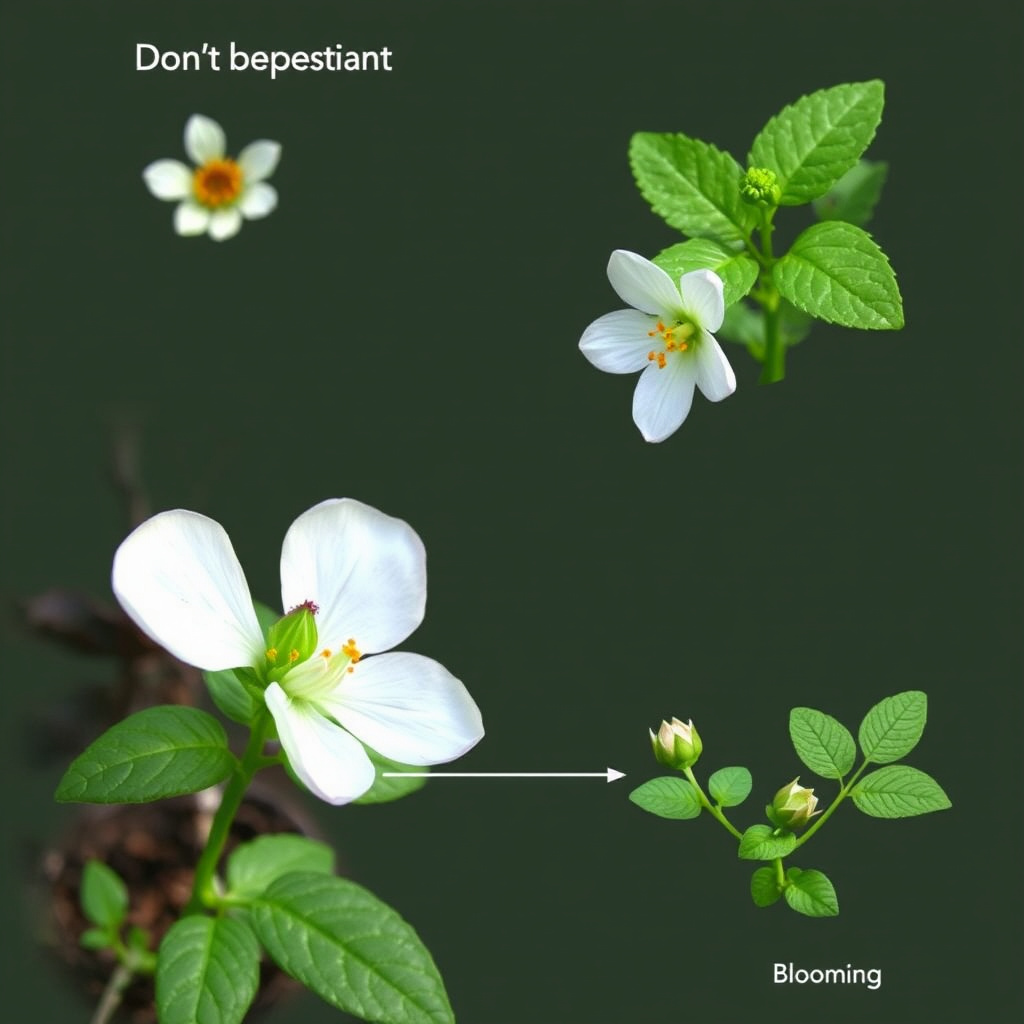
How Nutrient Levels Influence Flowering
Adequate supply of macro and micronutrients supports normal flowering. Deficiencies in nitrogen, phosphorus, or potassium can delay or reduce flowering intensity by limiting energy and structural components required for floral development.
Conversely, excess nitrogen often encourages leaf growth over flowering, altering the timing and quality of blooms.
- Nitrogen: promotes vegetative growth but excess delays flowering
- Phosphorus: crucial for energy transfer, supporting flowering
- Potassium: enhances flower quality and stress resistance
Water Stress and Its Impact
Drought stress typically delays flowering to conserve resources, but mild stress in some species can accelerate flowering as a survival mechanism. Consistent soil moisture optimizes flower bud formation and set.
Rapid fluctuations between drought and overwatering may cause flower abortion or affect timing unpredictably.
Environmental Stress and Flowering Time
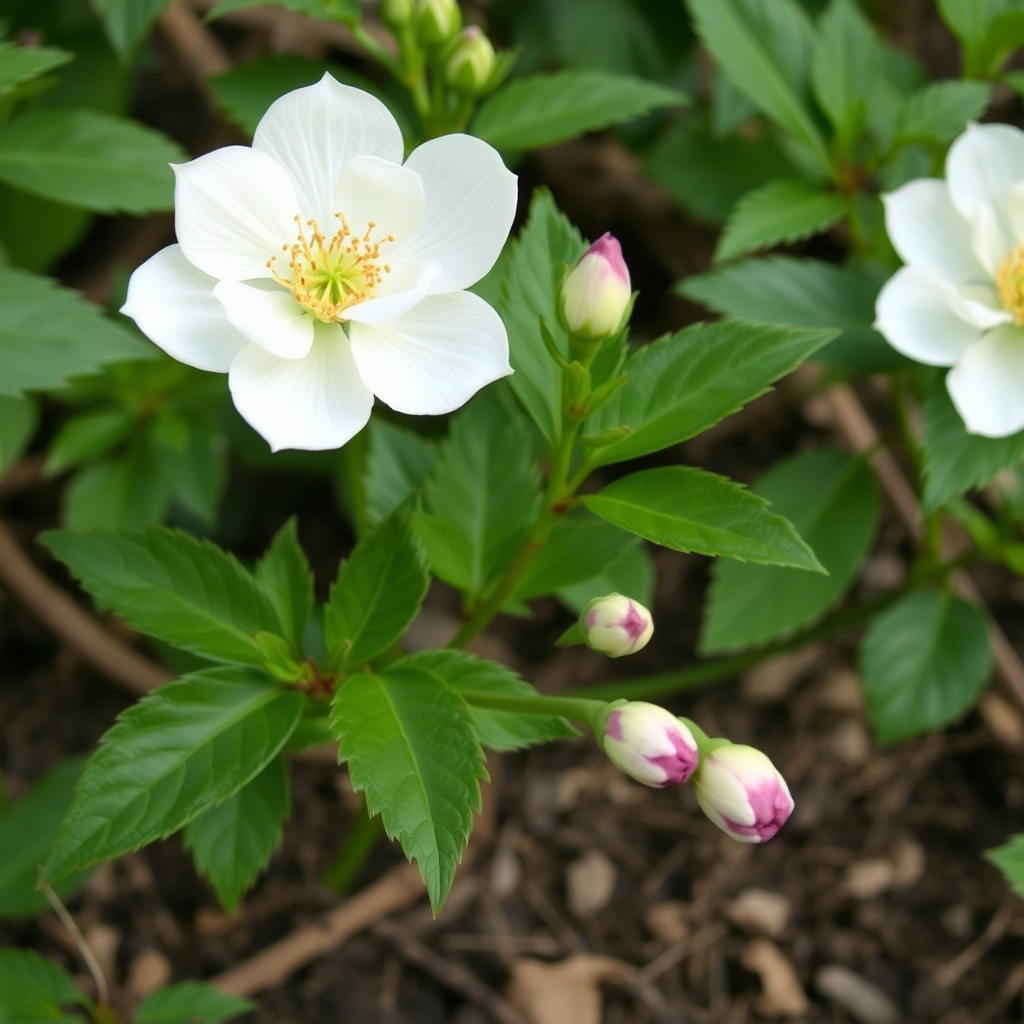
Effects of Light Intensity and Quality
Light intensity influences photosynthesis rates, indirectly impacting flowering time by affecting energy availability. Low light often delays flowering, while high light can promote earlier bloom initiation in many species.
Spectral quality, especially the red to far-red light ratio, can signal shading conditions, altering flowering through shade-avoidance responses.
For more on this, see our related guide: 10 Best Times to Plant Sunflower Seeds for Growth.
Abiotic Stressors like Pollution and Wind
Exposure to pollutants such as ozone or heavy metals can disrupt hormonal balances, causing delays or abnormalities in flowering. Similarly, constant wind can induce stress responses reducing flower production or postponing flowering.
Stress acclimation sometimes allows plants to flower under adverse conditions, but generally, environmental stress tends to negatively influence flowering time and success.
Manipulating Flowering Time Through Horticulture

Use of Plant Hormones and Growth Regulators
Applying synthetic hormones like gibberellins or cytokinins can induce or accelerate flowering in some crops. These treatments mimic natural signals that plants use to initiate flowering, offering control over timing in commercial production.
Growers often use these regulators to synchronize flowering for harvest efficiency or to shift bloom time to market demand.
- Gibberellins promote elongation and flowering
- Ethylene can induce flower senescence or delay
- Auxins primarily influence growth but impact flowering indirectly
For a detailed scientific overview, see the comprehensive flowering time article on Wikipedia. flowering time on Wikipedia.
Environmental Manipulation Techniques
Controlling temperature and light conditions in greenhouses or using supplemental lighting can precisely manage flowering time. Techniques include extending daylength with artificial light or cooling to meet vernalization needs.
These approaches are especially valuable for sensitive species or off-season production.
Comparison of Flowering Time Factors
The table below compares major factors affecting flowering time, their mechanisms, and typical impacts on plant development.
| Factor | Primary Mechanism | Typical Effect on Flowering Time | Examples |
|---|---|---|---|
| Photoperiod | Daylength sensing via phytochromes | Accelerates or delays depending on species | Chrysanthemum (short-day), Spinach (long-day) |
| Temperature | Vernalization and heat stress responses | Requires cold for some; heat may speed or delay | Winter wheat (vernalization), Tomato (heat delay) |
| Genetics | Expression of flowering genes like FT, CO | Determines baseline flowering schedule | Arabidopsis varieties differing in CO expression |
| Nutrients | Resource availability for development | Deficiency delays, excess nitrogen delays flowering | Various crops with nutrient management |
| Water Stress | Stress signaling altering growth | Mild stress can accelerate, severe delays | Drought-stressed beans versus well-watered |
| Environmental Stress | Hormonal imbalances from pollutants | Generally delays or reduces flowering | Urban plants exposed to ozone |
Frequently Asked Questions
Does increasing light always make plants flower earlier?
Not always. While many long-day plants flower earlier with increased light, short-day or day-neutral plants may not respond or could flower later. Light quality and duration both matter.
Can I change flowering time by watering less?
Mild water stress can sometimes hasten flowering by triggering survival mechanisms, but prolonged drought generally delays flowering and reduces flower quality.
What role do genetics play in flowering time?
Genetics determine a plant’s inherent flowering schedule and sensitivity to environmental cues. Variations in key flowering genes cause major differences between varieties.
Is vernalization needed for all plants to flower?
No. Only certain species, typically in temperate zones, require cold exposure before flowering. Others flower without vernalization.
How can gardeners manipulate flowering time at home?
Gardeners can adjust flowering by controlling light exposure with shading or supplemental lighting, managing watering, and choosing varieties suited to their climate.
Key Takeaways
- Flowering time depends on environmental cues like photoperiod and temperature combined with genetic controls.
- Photoperiodism distinguishes plants into long-day, short-day, or day-neutral categories affecting bloom timing.
- Nutrient levels and water availability can accelerate or delay flowering depending on balance.
- Human interventions such as hormone application and environmental manipulation allow control of flowering time.
Conclusion
Determining what affects flowering time involves understanding a complex interplay between environmental signals and the plant’s genetic programming. Photoperiod and temperature are the most influential external factors, providing cues that trigger developmental shifts. Additionally, nutrient availability, water stress, and other environmental stresses modulate these signals and can either delay or hasten flowering depending on species and circumstances. The plant’s internal genetic framework integrates these inputs to produce the final flowering schedule, which can differ substantially even within a single species.
For growers, gardeners, and agricultural professionals, tailoring flowering time is a matter of leveraging these factors or supplementing them through horticultural techniques. For example, crops requiring vernalization benefit from cold treatments, while light manipulation controls photoperiod-sensitive plants like chrysanthemums. Nutrient management balances vegetative growth and flower initiation, especially by avoiding excessive nitrogen that suppresses flowering. Synthetic growth regulators offer another tool for precise flowering control, useful especially in commercial production settings targeting synchronized or off-season blooms.
Practically, start by identifying your plant’s key flowering requirements—photoperiod sensitivity and vernalization needs—and then adjust environmental factors accordingly. Use shade cloths or grow lights to modify daylength, manage irrigation to avoid stress or provide mild stress when appropriate, and ensure balanced fertilization focused on phosphorus and potassium for flower development. Applying this knowledge will help reliably influence flowering time, maximizing plant performance and enjoyment.