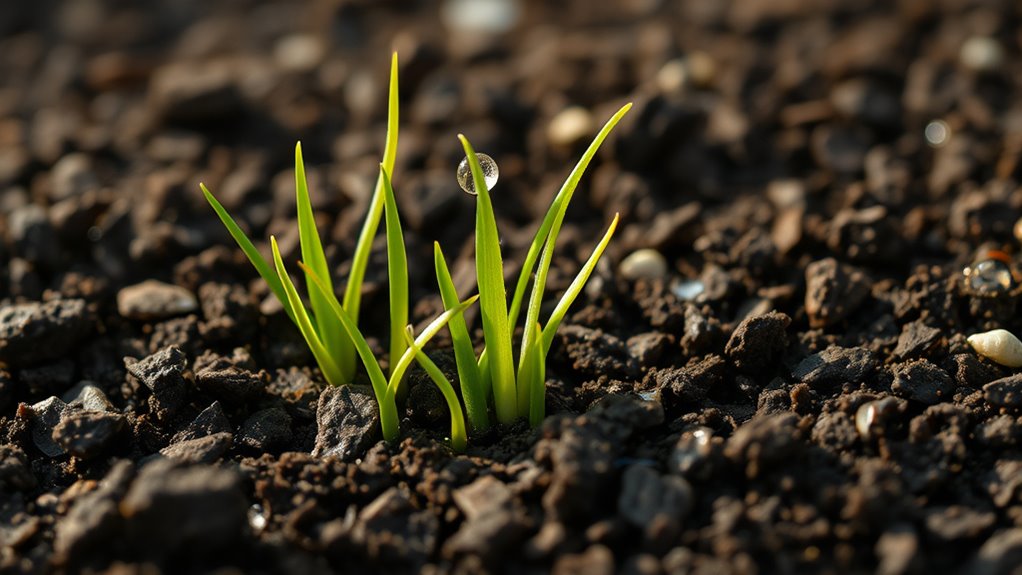
How Long for Grass Seed to Sprout?
Are you eager to see your lawn lush and green, but frustrated with how long it takes for grass seed to sprout? You’re not alone—many people struggle with waiting for their grass to grow and wondering if they’re doing something wrong.
Grass seed typically sprouts within 7 to 14 days if you provide the right conditions. Factors like soil temperature, moisture, seed type, and planting depth all influence how quickly your lawn will grow.
Fast-germinating grass like ryegrass can sprout in as little as 5 days, while slower types like Kentucky bluegrass may take up to 30 days.
Keep these tips in mind to help your grass grow faster—and uncover more ways to boost your lawn’s success.
Key Takeaways
- Grass seed usually sprouts within 7 to 14 days after planting if conditions are just right.
- How fast it germinates depends on the seed type, soil temperature, moisture, and seed quality.
- Cool-season grasses tend to sprout faster than warm-season ones.
- Planting at the right depth, about 1/4 to 1/2 inch, and keeping the soil moist helps things happen quicker.
- Factors like soil temperature, ideally between 55°F and 75°F, also play a big role in how soon your grass will sprout.
How Long Does It Usually Take for Grass Seed to Sprout?
Typically, grass seed begins to sprout within 7 to 14 days after planting, but this can vary depending on several factors. Your germination timeframes depend heavily on the seed type and the conditions you provide.
Under ideal conditions—consistent moisture, proper temperature, and good soil contact—you can expect quicker germination. Most grass seeds need soil temperatures between 55°F and 75°F for peak sprouting.
Under ideal conditions, grass seeds germinate faster at soil temperatures of 55°F to 75°F.
If temperatures are too cold or too hot, germination may slow down or halt altogether. Adequate moisture is essential; the soil should stay evenly moist but not waterlogged.
Moreover, ensuring good seed-to-soil contact helps improve germination rates. Keep in mind that some grass types, like cool-season grasses, tend to sprout faster than warm-season varieties.
What Factors Affect Grass Seed Germination Speed?
Your grass seed’s germination speed really depends on a few important things. For starters, using high-quality seed and selecting the right type for your climate can help it sprout faster. It’s like giving your seeds the best start possible!
Then there are soil conditions—temperature and moisture are super important. If the soil isn’t warm enough or if it’s too dry or too wet, your seeds might take longer to grow or even struggle to sprout at all. Keeping the soil just right makes a big difference.
Finally, how deep you plant the seeds and how far apart you space them out also matter. Planting at the proper depth and giving each seed enough room helps it sprout quickly and grow into a healthy lawn. So, paying attention to these factors can really speed up the whole process!
Seed Quality and Type
The quality and type of grass seed are key factors in how quickly it sprouts. Healthier, well-chosen seeds tend to germinate faster.
Where your seed comes from also matters. Seeds from reputable sources usually have better germination rates.
Storing seeds properly is just as important. Keep them in a cool, dry place to keep them viable. Poor storage can cause mold, pests, or lower germination chances.
The seed type makes a difference too. Some varieties naturally sprout faster because of their genetic traits, while others may take longer.
Choosing high-quality seeds from trusted suppliers ensures better germination speed and a more successful lawn.
Paying attention to seed origin and storage sets a strong foundation for a healthy, quickly sprouting lawn.
Soil Temperature and Moisture
Soil temperature and moisture levels are key factors in how quickly grass seed starts to sprout. Most grass seeds do best when the soil is between 55°F and 65°F, which helps them germinate faster.
If the soil is too cold or hot, germination can slow down or stop completely. Moisture is just as important—your soil should stay damp but not waterlogged. Proper moisture triggers enzymes that kickstart seed growth, while dry soil delays sprouting.
Soil pH also matters. Aim for a pH around 6.0 to 7.0 so nutrients are easy for the grass to access. Nutrient levels like nitrogen, phosphorus, and potassium are essential for healthy root development.
Keeping the right balance of temperature, moisture, pH, and nutrients helps seeds germinate quickly and results in healthier, faster-growing grass.
Planting Depth and Spacing
Planting depth and spacing directly influence how quickly grass seeds germinate and establish strong roots. If you plant seeds too deep, they’ll struggle to reach the surface, which can delay germination.
Typically, seed depth should be about 1/4 to 1/2 inch, depending on the grass type. Too shallow, and the seeds might dry out or be washed away.
Follow spacing guidelines to prevent overcrowding, which can hinder growth and reduce airflow. Proper spacing allows each seed enough room to access nutrients and sunlight, promoting faster germination.
For most grasses, a spread of 2 to 4 inches between seeds works well. Adjust your seed depth and spacing based on your specific grass variety and soil conditions to optimize germination speed and establish a healthy, lush lawn.
How Do Soil Conditions Impact Your Grass Seed’s Growth?
Healthy grass seed needs the right soil conditions to thrive, because poor soil can stop germination and growth. Soil pH influences nutrient availability; ideally, it should be slightly acidic to neutral, around 6.0 to 7.0.
Healthy grass seeds need optimal soil pH for germination and growth.
A balanced nutrient profile supports healthy roots, while drainage problems can cause waterlogged soil that drowns seeds. Soil compaction limits air and water flow, so proper aeration is really important.
Organic matter improves soil structure and supplies essential nutrients. It also boosts microbial activity that helps break down nutrients for your grass. If the soil is too compacted or lacks organic material, roots have a tough time growing deep.
Weeds compete for resources, and seasonal timing affects soil temperature and moisture. The local climate influences soil moisture levels and microbial health too. For the best results, make sure your soil is well-drained, aerated, and pH-balanced, with enough organic matter to support healthy seedlings.
What Temperature Helps Grass Seeds Sprout Faster?
Grass seeds tend to sprout best when the soil temperature stays somewhere between 55 and 65°F. Basically, warm weather can really help speed up the germination process. However, if the temperature swings too much too quickly, it can actually slow things down or even stop the seeds from sprouting altogether. So, keeping the conditions nice and steady is key to making sure your grass seed sprouts quickly and evenly.
Ideal Soil Temperature
The ideal soil temperature for grass seed germination is usually between 55°F and 65°F. When the soil stays in this range, seeds sprout faster and develop stronger roots.
You also want to check your soil pH. A neutral pH of around 6.0 to 7.0 helps promote healthy growth. If your soil is too acidic or alkaline, germination can slow down even if the temperature is right.
Good drainage is key too. Standing water or overly wet soil can drown seeds or cause rot. Make sure your soil drains well to keep moisture levels steady, especially in this temperature range.
Warm Weather Benefits
Warm weather can really speed up grass seed germination because seeds respond best within a certain temperature range. When temperatures stay between 60°F and 75°F, your seeds will sprout more quickly.
During this time, getting plenty of sunlight helps provide the energy needed for growth. Keep humidity levels moderate to avoid mold or drying out the soil.
Consistent moisture is key—make sure the soil stays evenly moist to encourage faster germination. Warm weather also promotes healthy root development and stronger grass plants.
Just be careful with extreme heat, which can slow down growth. Aim for steady, warm conditions without pushing into too hot temperatures.
Temperature Fluctuation Effects
Consistent temperatures within the ideal range help seeds germinate faster. But fluctuations can really impact the process.
Extreme temperatures, whether too hot or too cold, can delay germination or even damage the seeds. Sudden changes disrupt timing, making seeds take longer to sprout or preventing them from sprouting at all.
If daytime temperatures swing a lot from nighttime lows, it can slow down germination. To get the best results, keep soil temperatures steady within the recommended range for your grass type.
Avoid exposing seeds to drastic temperature swings, as they can hinder germination and lower success rates.
Maintaining stable temperatures helps seeds sprout evenly and speeds up the overall germination process.
How Does Moisture Influence Grass Seed Germination?
Moisture is crucial for germination because grass seeds need water to activate their growth enzymes and soften their outer shells. Without enough moisture, seeds won’t break dormancy or sprout. Keeping the soil consistently moist helps ensure the seeds stay hydrated during these early stages, increasing your chances of success.
If the soil dries out too quickly, germination can slow down or stop altogether. To get better results, aim to keep the soil moist but not waterlogged. Overwatering can drown the seeds and block proper oxygen flow, which is just as harmful.
Mulching can help lock in soil moisture and protect seeds from rapid evaporation. Regular watering during germination encourages quicker sprouting and better overall growth. Just remember, maintaining even moisture levels is key to successful grass seed germination.
Which Grass Types Sprout Quickly, and Which Take Longer?
Some grass types pop up pretty fast, so you can get a lush lawn in just a few days. Ryegrass, for example, is a quick germinator—perfect if you’re looking for quick results. On the other hand, some grasses take a bit longer to show up; Kentucky bluegrass, for instance, can take weeks to fully establish.
Of course, things like soil temperature and moisture play a big role in how quickly or slowly your grass will grow. So, keeping those conditions in check can really help speed things up or slow them down, depending on what you’re aiming for.
Fast-Germinating Grass Varieties
If you’re eager to see green grass quickly, choosing a fast-germinating variety can really make a difference. Fast-growing blends and quick sprout types are perfect if you want results fast.
These grasses usually sprout within 5 to 10 days, giving you quicker coverage and a lush lawn sooner. They’re great for repairs or areas that need a quick revival.
Some popular options include perennial ryegrass, annual ryegrass, and certain Kentucky bluegrass mixes. Just remember, these varieties often need regular watering and good soil contact to germinate quickly.
Picking the right seed can help you get a healthy, green lawn in less time, so you can enjoy your outdoor space sooner.
Slow-Starting Turf Types
While fast-germinating grasses can give you quick results, some turf types naturally take longer to sprout. These slow-starting turf types often have features like denser root systems or longer maturation periods that delay germination.
For example, Kentucky bluegrass and fescues tend to be slower compared to ryegrass. Understanding how different grasses compare helps you set realistic expectations for how long it will take to see results.
Here’s a quick comparison:
| Turf Type | Characteristics | Germination Time |
|---|---|---|
| Kentucky Bluegrass | Dense, slow to establish, drought-tolerant | 14-30 days |
| Fescues | Fine-textured, shade tolerant | 14-21 days |
| Ryegrass | Fast-growing, less drought tolerant | 5-10 days |
Choosing a slow-starting turf depends on your climate and aesthetic goals.
Factors Influencing Growth Rate
The growth rate of grass seedlings depends on several key factors, including the species you choose, soil conditions, and environmental factors. Some grass types sprout quickly, while others take longer because of seed dormancy or sensitivity to environmental stress.
Seed dormancy can delay germination, needing specific conditions to break it. Environmental stress, like drought or extreme temperatures, also slows growth. Your choice of seed makes a big difference in sprouting times.
Seed dormancy: Some seeds need special conditions to wake up.
Soil quality: Nutrients and drainage impact growth speed.
Temperature: Warmer, consistent temperatures promote faster sprouting.
Water availability: Adequate moisture accelerates germination and reduces stress.
How Can You Tell If Your Grass Seeds Are Starting to Grow?
Wondering how to tell if your grass seeds are starting to grow? Look for tiny green shoots emerging from the soil surface. Watching for these small signs is key—patience is necessary, but you’ll notice progress as early as a few days to a week after planting.
Use this table to understand what to look for:
| Stage | What to Observe |
|---|---|
| Germination | Small sprout breaking through the soil |
| Seedling Stage | Thin, green blades forming |
| Establishment | Roots spreading, thicker grass blades |
| Maturity | Full, lush green coverage |
Keeping an eye on these stages helps you see if your grass seed is on track. Look out for early seedling signs, and don’t worry if growth seems slow. With patience and proper care, success is guaranteed.
Why Is My Grass Seed Taking Too Long to Sprout?
If your grass seeds are taking longer than expected to sprout, environmental factors might be slowing down the process. Poor soil quality, not enough moisture, or temperature swings can delay germination.
Make sure the soil is well-drained and rich in nutrients. Keep the soil consistently moist but not soaked to support healthy growth. Extreme temperatures, whether too hot or cold, can also hold back germination, so planting at the right season is key.
Check a few things:
- Soil temperature: Grass seeds grow best between 55-65°F.
- Moisture levels: Inconsistent watering can slow things down.
- Seed quality: Old or low-quality seeds may not sprout well.
- Seed depth: Plant seeds at the proper depth for quick sprouting.
Fixing these issues can help your seeds sprout faster and lead to healthier grass.
Tips to Promote Healthy and Fast Grass Growth
To promote healthy and fast grass growth, focus on providing ideal soil conditions and proper care from the start. Make sure your soil is well-drained, aerated, and has the right pH level to support seed development.
Regular lawn maintenance, like mowing at the correct height and removing debris, encourages strong root growth. Fertilizer application is essential; use a balanced, slow-release fertilizer to supply necessary nutrients without overwhelming young grass.
Apply fertilizer when planting and follow up every 6-8 weeks during the growing season for the best results. Water consistently, keeping the soil moist but not waterlogged, especially in the first few weeks.
Avoid overwatering, which can lead to disease, and under-watering, which stunts growth. Proper lawn care combined with targeted fertilizer creates the environment needed for your grass seed to sprout vigorously and develop into a lush, healthy lawn.
Troubleshooting Common Grass Seed Sprouting Problems
Even when you follow all the recommended steps, grass seed sprouting can still run into problems. Most issues come from how the seed is cared for or watering techniques.
If your seed isn’t sprouting, check for common problems like poor soil contact. Make sure the seeds are pressed firmly into the soil so they have good contact.
Ensure seeds are pressed firmly into soil for better contact and sprouting success.
Also, ensure you’re watering correctly. Keep the soil moist but not waterlogged. Uneven watering can prevent the seeds from germinating properly.
Another thing to consider is choosing the right seed. Pick grass varieties that are suited for your climate and soil conditions.
Finally, pay attention to the amount of light your seeds get. Make sure they’re getting the right amount of sunlight for the best sprouting chances.
Adjust your care routine and watering habits as needed. Good soil contact, steady moisture, and proper light are key to fixing sprouting problems and growing healthy grass.
Frequently Asked Questions
Can Grass Seed Sprout Indoors or Only Outdoors?
Yes, grass seed can sprout indoors, so you can enjoy lush greenery even if the weather outside isn’t great.
Indoor sprouting needs proper care, like keeping the soil moist, providing enough light, and maintaining the right temperature.
You can start grass seed in containers or trays indoors and then transplant the seedlings outside once they’re strong enough.
This way, you get to control the growing conditions and ensure healthy grass before moving it outdoors.
How Deep Should I Plant Grass Seeds for Optimal Sprouting?
You should plant grass seeds about 1/4 to 1/2 inch deep for the best sprouting. The right seed depth is more important than you might think.
If you plant the seeds too deep, soil moisture can’t reach them. If they’re too shallow, they might dry out or get washed away.
Keep the soil consistently moist, and your grass will thank you. Providing a cozy, moisture-retentive environment just beneath the surface helps ensure good sprouting.
Does Grass Seed Quality Affect Germination Time?
Yes, grass seed quality greatly affects germination time. When you choose high-quality seed with good seed selection, you’ll notice higher germination rates, meaning faster and more uniform sprouting.
Cheaper or lower-quality seeds often have lower germination rates, which can delay sprouting and reduce success. To get the best results, opt for reputable brands and make sure your seed is fresh and disease-free.
This will boost germination speed and overall lawn health.
Can You Speed up Grass Seed Sprouting With Fertilizers?
Sure, fertilizers can seem like magic, but they won’t turn a sluggish sprout into a speedy sprinter overnight. Using germination boosters or specific fertilizer types like starter fertilizers can give your grass seed a little push, providing essential nutrients for healthy growth.
Just remember, patience is key. Even with the best fertilizers, sprouting still takes time. Overdoing it might do more harm than good, so be sure to follow the instructions carefully.
Is It Normal for Some Seeds Not to Sprout?
It’s normal for some seeds not to sprout because of seed viability issues or environmental factors. Not all seeds are viable, and poor seed quality can lower germination rates.
Environmental factors like soil temperature, moisture, and sunlight also matter a lot. If conditions aren’t just right, fewer seeds will sprout.
To improve your chances, use high-quality seeds and make sure the growing conditions are ideal. This includes proper soil prep and consistent watering.
Conclusion
Remember, patience is a virtue when it comes to grass seed sprouting. Typically, you’ll see green shoots emerge within 7 to 21 days. But remember, soil, temperature, and moisture all play big roles.
Keep your conditions ideal and stay attentive to your grass’s needs. With the right care, your lawn will start to grow before you know it.
As the saying goes, “The early bird catches the worm”—or in this case, a lush lawn. With time and attention, your grass will flourish.