What Is Photoperiod Sensitivity? Understanding Plant Responses to Day Length
Photoperiod sensitivity refers to a plant's ability to detect and respond to the length of day and night, influencing its growth and flowering cycles. This natural mechanism allows plants to time flowering and other developmental stages to favorable environmental conditions.
Understanding photoperiod sensitivity matters because it determines when plants will flower, produce seeds, or enter dormancy, which directly impacts crop yields and garden success. Different species and varieties react uniquely to the cumulative light and darkness periods, affecting cultivation choices.
This article explores the science behind photoperiod sensitivity, the types of plants that exhibit this trait, and practical implications for agricultural planning and gardening. We’ll break down how plants sense light, categorize them by their photoperiod responses, and compare how sensitivity influences plant care.
How Photoperiod Sensitivity Works in Plants
Role of Light and Darkness in Plant Development
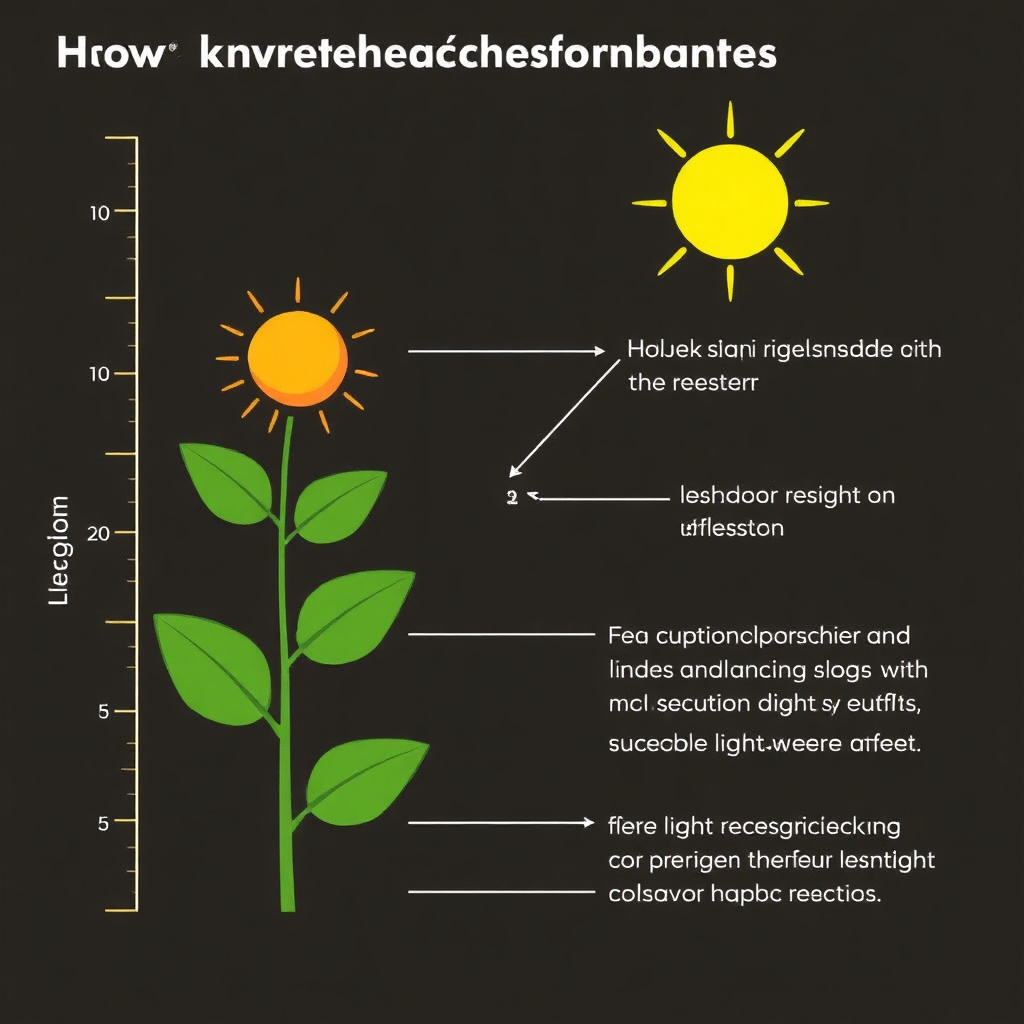
Plants monitor day length primarily through photoreceptors sensitive to specific wavelengths, such as phytochromes and cryptochromes. These molecules trigger hormonal changes that direct flowering and growth pathways.
The timing sensitive to the length of uninterrupted darkness rather than the light itself ensures the plant responds to seasonal changes rather than daily fluctuations. This mechanism is key for plants in temperate zones where seasonal timing affects survival.
Biological Pathways Influenced by Photoperiod
The detection of night length leads to the activation or suppression of flowering genes via signaling hormones like florigen. Photoperiodic signals regulate the production of these signals, which are then transported to buds to initiate flowering.
Besides flowering, photoperiod influences seed germination, tuber formation, and dormancy cycles, affecting how plants adapt to their environments and prepare for seasonal stress.
Categories of Photoperiod Sensitive Plants

Short-Day Plants and Their Characteristics
Short-day plants flower when the day length falls below a critical threshold, typically requiring long nights to trigger blooming. Examples include chrysanthemums and soybeans which bloom in late summer or fall.
These plants rely on uninterrupted darkness periods to initiate flower development, making them sensitive to artificial light disruption. Gardeners must manage lighting to ensure proper flowering phases.
Long-Day Plants and Their Response to Light
Long-day plants flower when exposed to day lengths longer than their critical threshold, often thriving in late spring or early summer. Spinach and lettuce are common examples that initiate flowering with extended daylight.
These plants depend on shorter nights, and insufficient day length can delay flowering, impacting yield and harvest timing. Supplemental lighting can simulate long days indoors.
Implications of Photoperiod Sensitivity in Agriculture

Adjusting Planting Schedules to Photoperiod
Farmers often schedule planting so that crops reach flowering stages under optimal day length conditions. Misalignment can reduce flower production and seed set, thereby lowering yields.
Understanding photoperiod sensitivity enables improved crop selection and rotation, ensuring plants flower and mature appropriately for the growing region and season.
For more on this, see our related guide: Understanding Autoflowering Seeds: A Complete Guide for Growers.
Using Artificial Lighting to Control Photoperiod
Greenhouses and indoor farms utilize supplemental lighting systems to mimic day lengths that promote flowering in photoperiod-sensitive crops. This control allows year-round production of certain flowers and vegetables.
Artificial lighting can extend day length for long-day plants or interrupt night periods for short-day plants, but timing and light intensity must be carefully managed to avoid disrupting growth cycles.
Common Misconceptions About Photoperiod Sensitivity

Confusing Temperature Effects with Photoperiod
Some assume flowering depends only on temperature, but while temperature influences growth rate, photoperiod is the primary trigger for flowering in many species. Ignoring day length can cause unexpected flowering delays.
Temperature and photoperiod often interact, but understanding their distinct roles helps optimize growing conditions for sensitive plants.
Assuming All Plants React to Photoperiod
Not all plants exhibit photoperiod sensitivity—some are day-neutral and flower based on age or other cues. Assuming photoperiod control for these plants leads to unnecessary complications in cultivation.
Recognizing whether a plant is photoperiod sensitive or neutral avoids misapplication of lighting and timing strategies.
Measuring and Testing Photoperiod Sensitivity
Laboratory Methods for Photoperiod Testing
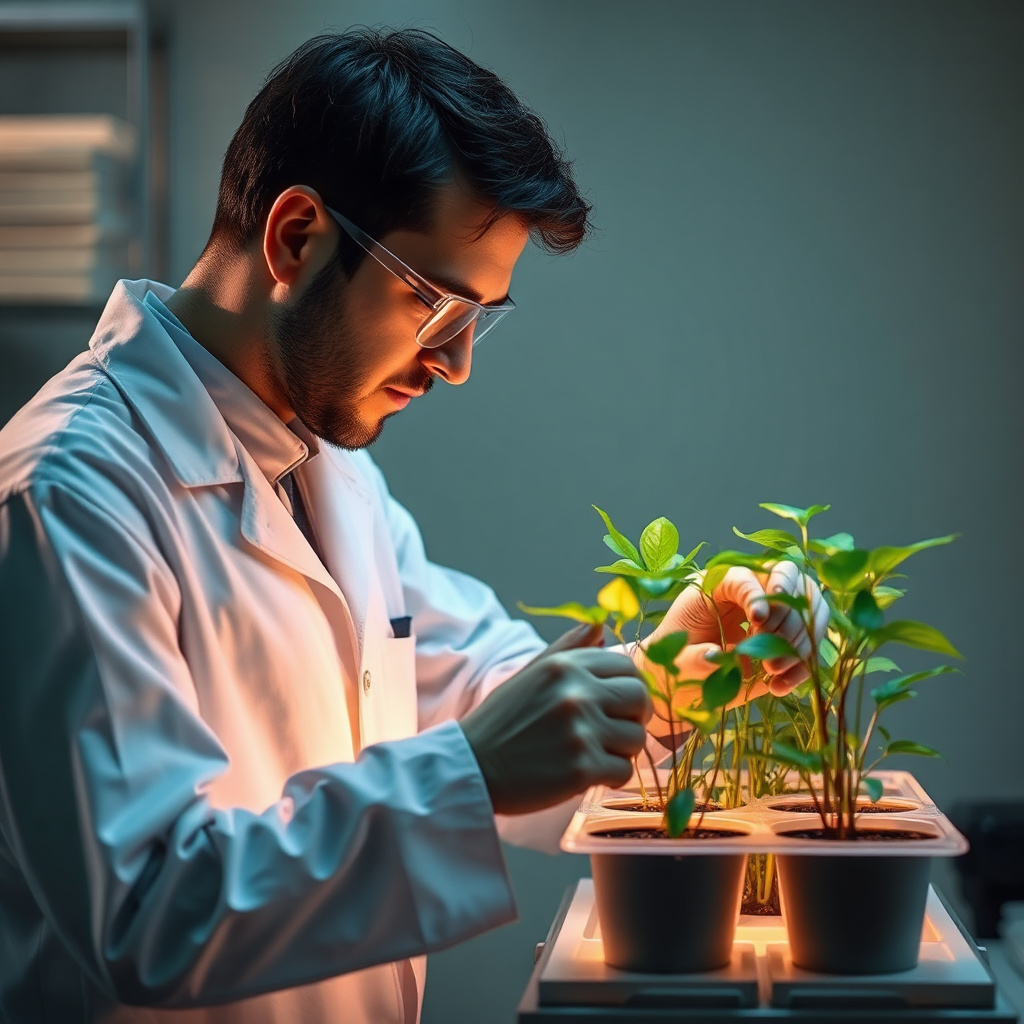
Controlled environment chambers manipulate light and dark cycles while monitoring plant flowering response. These experiments identify critical day length thresholds and sensitivity levels with precision.
Data collected guides breeding programs and agricultural practices to enhance performance under specific photoperiods, improving crop reliability.
For more on this, see our related guide: What Conditions Does a Seed Need to Sprout?.
Practical Field Observation Techniques
Farmers and gardeners observe flowering times across seasons to infer photoperiod sensitivity. Tracking day length versus flowering onset helps adjust planting dates and management for optimal growth.
Simple field trials involve shading or supplemental light setups to test plant reactions and customize care routines.
Examples of Photoperiod Sensitivity in Horticulture
Photoperiod Sensitivity in Crop Domestication
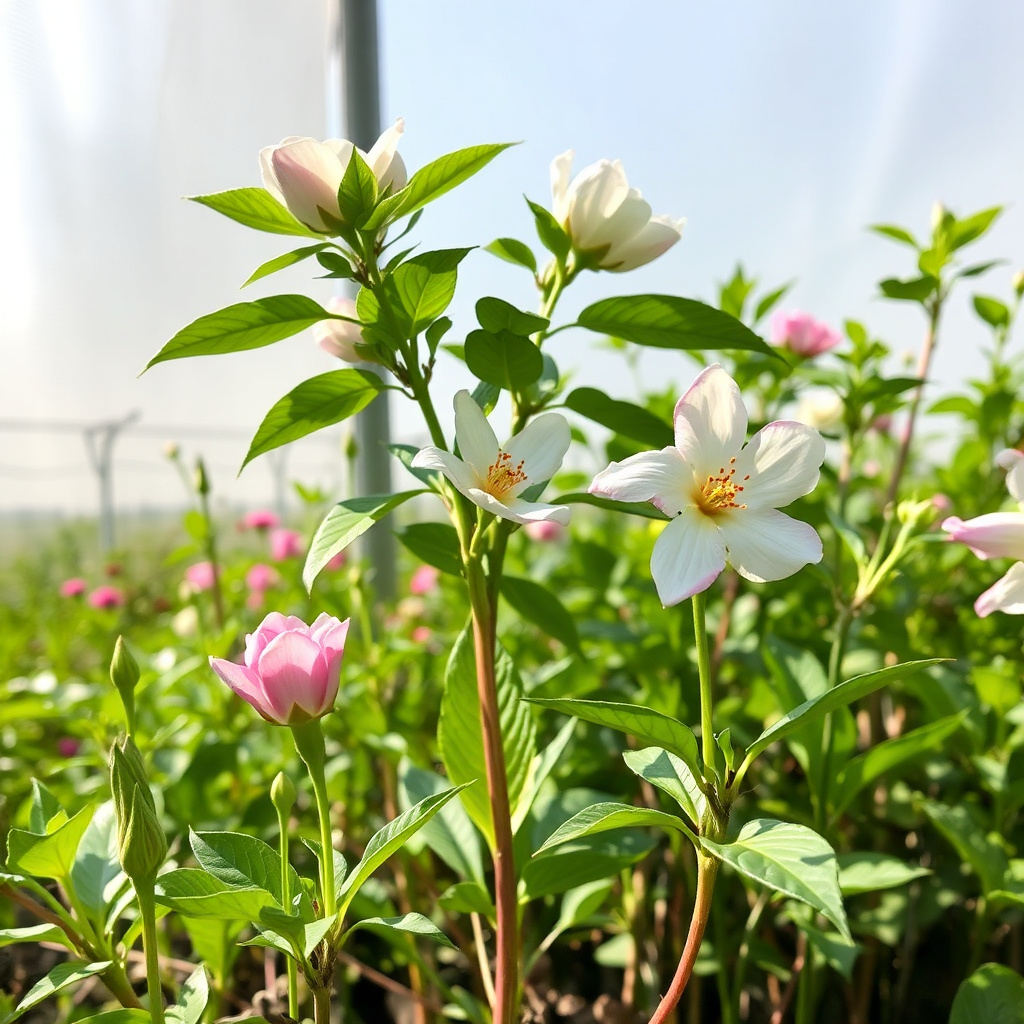
Many staple crops like rice and wheat were selected for photoperiod traits that match local growing seasons, maximizing yields and harvest timing. Farmers rely on these traits to plan effective crop rotations.
Modern breeding continues to modify photoperiod sensitivity to extend regional growing zones and improve crop adaptation under changing climates.
For a detailed scientific overview of how plants respond to day length, refer to Photoperiodism on Wikipedia. Photoperiodism on Wikipedia.
Managing Photoperiod in Ornamental Plants
Ornamental growers manipulate day length with blackout curtains or artificial lighting to schedule blooming of plants such as poinsettias and chrysanthemums for market demands.
Precision in controlling photoperiod sensitivity allows for off-season flower availability and higher commercial value.
Photoperiod Sensitivity Plant Types Comparison
This table compares the main categories of photoperiod sensitive plants based on their day length requirements and typical growing seasons.
| Plant Type | Critical Day Length | Common Examples | Flowering Season | Photoperiod Response |
|---|---|---|---|---|
| Short-Day Plants | Less than ~12 hours | Chrysanthemum, Soybean | Fall | Flower when nights are long |
| Long-Day Plants | More than ~14 hours | Spinach, Lettuce | Spring to Early Summer | Flower when days are long |
| Day-Neutral Plants | No specific requirement | Tomato, Cucumber | Varies | Flower independent of day length |
| Intermediate Plants | Between ~12-14 hours | Wheat, Barley | Late Spring | Flower within a narrow day length range |
Frequently Asked Questions
How does photoperiod sensitivity affect indoor gardening?
In indoor gardening, managing light schedules is vital to trigger flowering in photoperiod sensitive plants. Controlling light duration accurately mimics natural day lengths, enabling plants to bloom on schedule.
Are all plants photoperiod sensitive?
No, many plants are day-neutral and do not rely on day length to flower. Photoperiod sensitivity varies among species and cultivars.
Can artificial light disrupt photoperiod sensitivity?
Yes, artificial light at night can interrupt the required uninterrupted dark periods, potentially delaying or preventing flowering in short-day plants.
What role do phytochromes play in photoperiod sensitivity?
Phytochromes are plant photoreceptors that detect light quality and duration, helping the plant measure day length and regulate flowering accordingly.
How can farmers use knowledge of photoperiod sensitivity?
Farmers use photoperiod information to time planting and select crop varieties suitable for the local day length, optimizing flowering and yield.
Key Takeaways
- Photoperiod sensitivity is a plant's response to day length impacting flowering.
- Short-day and long-day plants require different night or day lengths to bloom.
- Artificial lighting can manipulate flowering in controlled environments.
- Not all plants respond to photoperiod; some are day-neutral.
Conclusion
Deciding how photoperiod sensitivity factors into plant growth involves understanding the specific light cues that trigger flowering and other developmental stages. Recognizing whether a plant is short-day, long-day, or day-neutral guides timing decisions for planting, harvesting, and even indoor light management. This awareness allows growers to align agricultural or horticultural practices with biological rhythms that maximize productivity and plant health.
For practical purposes, short-day plants like chrysanthemums require longer nights usually found in late summer or fall, while long-day species such as spinach bloom during long summer days. Day-neutral plants, like tomatoes, are less affected by day length and flower based more on age or growth stage. Selecting crop varieties with photoperiod sensitivity matching the local climate can significantly improve yield and growth consistency, especially as seasons shift. Greenhouse growers gain flexibility by using supplemental lighting to artificially create suitable photoperiods.
To apply these insights, start by identifying your plants’ photoperiod categories. For outdoor crops, adjust planting schedules to coincide flowering with ideal day lengths. Indoor growers should design lighting systems that either extend day length for long-day plants or ensure complete dark periods for short-day species. Since photoperiod sensitivity shapes key life stages, tailoring your cultivation practices with this knowledge helps achieve healthy, timely plants.