How to Prevent Pests in a Garden: Effective Strategies for Healthy Plants
Preventing pests in a garden starts with proactive measures such as regular monitoring, maintaining healthy soil, and choosing pest-resistant plants. Early identification of trouble signs allows gardeners to act before infestations become severe. Implementing physical barriers like row covers and companion planting can also significantly reduce pest populations.
Protecting your garden from pests is vital to keeping plants vigorous and fruitful. Pests can damage leaves, roots, and flowers, which affects both the look and productivity of your garden. Instead of waiting to deal with infestations, a focus on prevention helps maintain balance in your garden ecosystem and reduces the need for chemical pesticides, preserving beneficial insects and soil health.
This guide will cover various approaches to prevent pests in a garden, including cultural practices, mechanical barriers, biological controls, and organic treatments. You'll learn how to spot early signs of pest problems, use companion planting effectively, and create an environment that naturally discourages pests, ensuring your garden thrives with less intervention.
Understanding Common Garden Pests and Their Behavior
Identifying Key Garden Pests
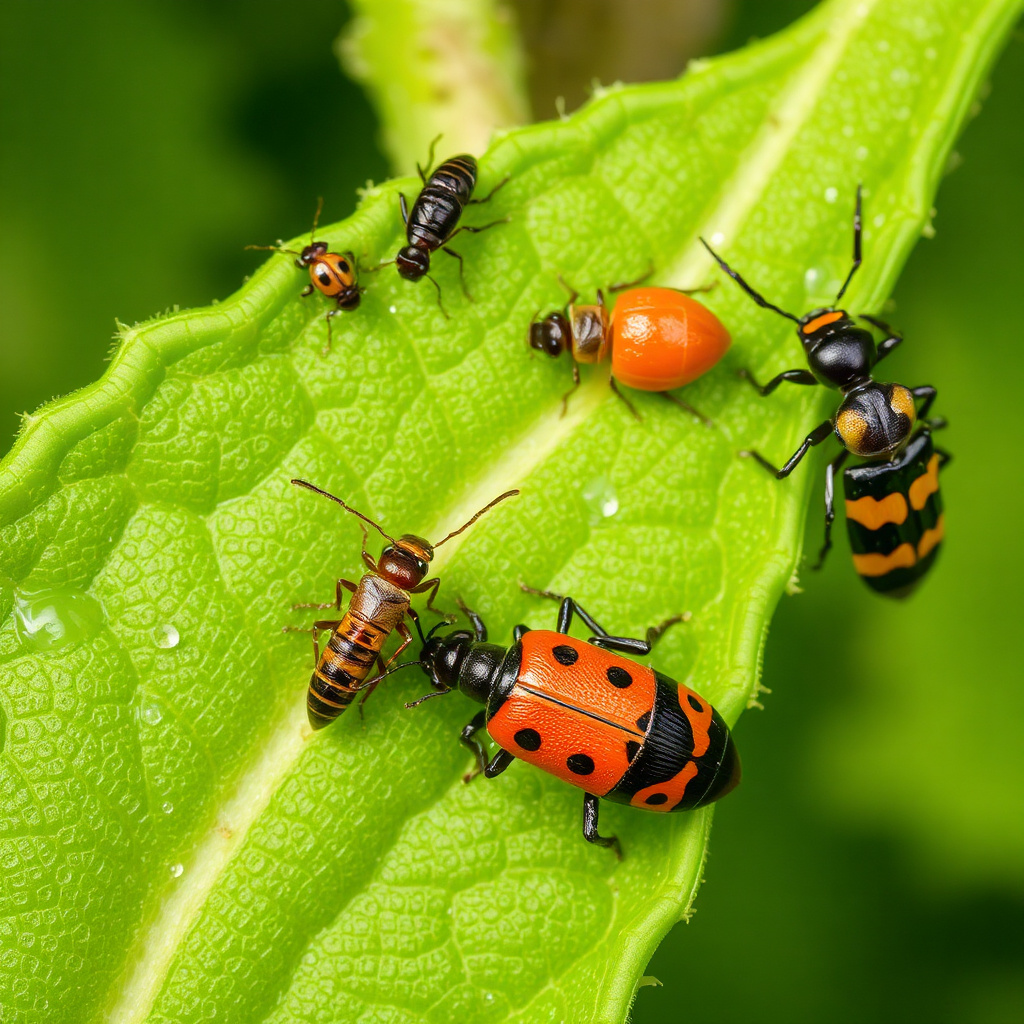
Knowing which pests commonly affect your garden plants is the first step in prevention. Common contenders include aphids, slugs, caterpillars, and spider mites, each with distinctive signs of damage such as holes in leaves, discolored spots, or sticky residue.
By recognizing the pest and its favored plants, gardeners can tailor their prevention strategies to be more effective. For example, aphids tend to cluster on new growth, while slugs prefer damp soil and low-hanging leaves.
- Aphids: Small, soft-bodied insects found on new shoots
- Slugs: Nocturnal and leave a slimy trail
- Caterpillars: Chew large, irregular holes in leaves
- Spider mites: Tiny and cause fine webbing
Life Cycles and Their Influence on Prevention
Understanding pest life cycles helps time prevention efforts. Many garden pests reproduce rapidly during warm weather, meaning early spring monitoring and treatments can interrupt their development.
For instance, treating eggs or larvae before they mature into adults reduces future infestations. This approach reduces the pest population over time and helps maintain plant health without heavy pesticide use.
Cultural Practices to Prevent Garden Pests
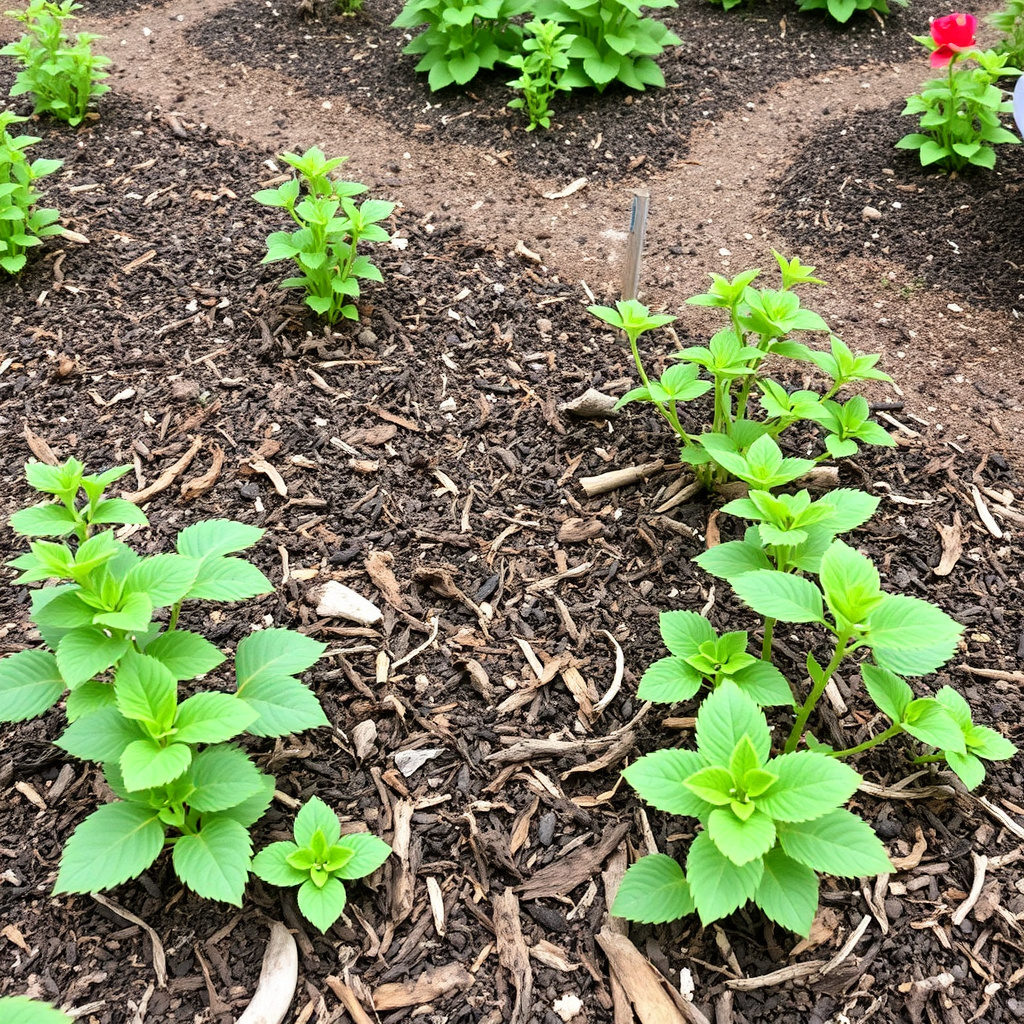
Soil Health and Plant Nutrition
Healthy plants grown in nutrient-rich, well-drained soil are naturally more resistant to pests. Regularly testing soil and adding organic matter like compost supports strong root systems and vigorous growth.
Avoiding over-fertilization, especially with nitrogen, is essential as it can attract sap-sucking pests. Balanced nutrition not only improves plant defenses but helps maintain a diverse garden ecosystem.
- Amend soil with compost annually
- Test pH and nutrient levels regularly
- Avoid excess nitrogen fertilizers
Crop Rotation and Diversity
Rotating crops interrupts pest life cycles by removing their preferred hosts from the same spot year after year. Diverse planting also attracts beneficial insects that prey on pests and reduces the chance of widespread infestations.
Interplanting flowers and herbs alongside vegetables can confuse pests and provide habitat for predators like ladybugs and lacewings, contributing to natural pest control.
- Change planting locations annually
- Mix companion plants with crops
- Incorporate flowering plants to attract predators
Mechanical and Physical Pest Prevention Methods
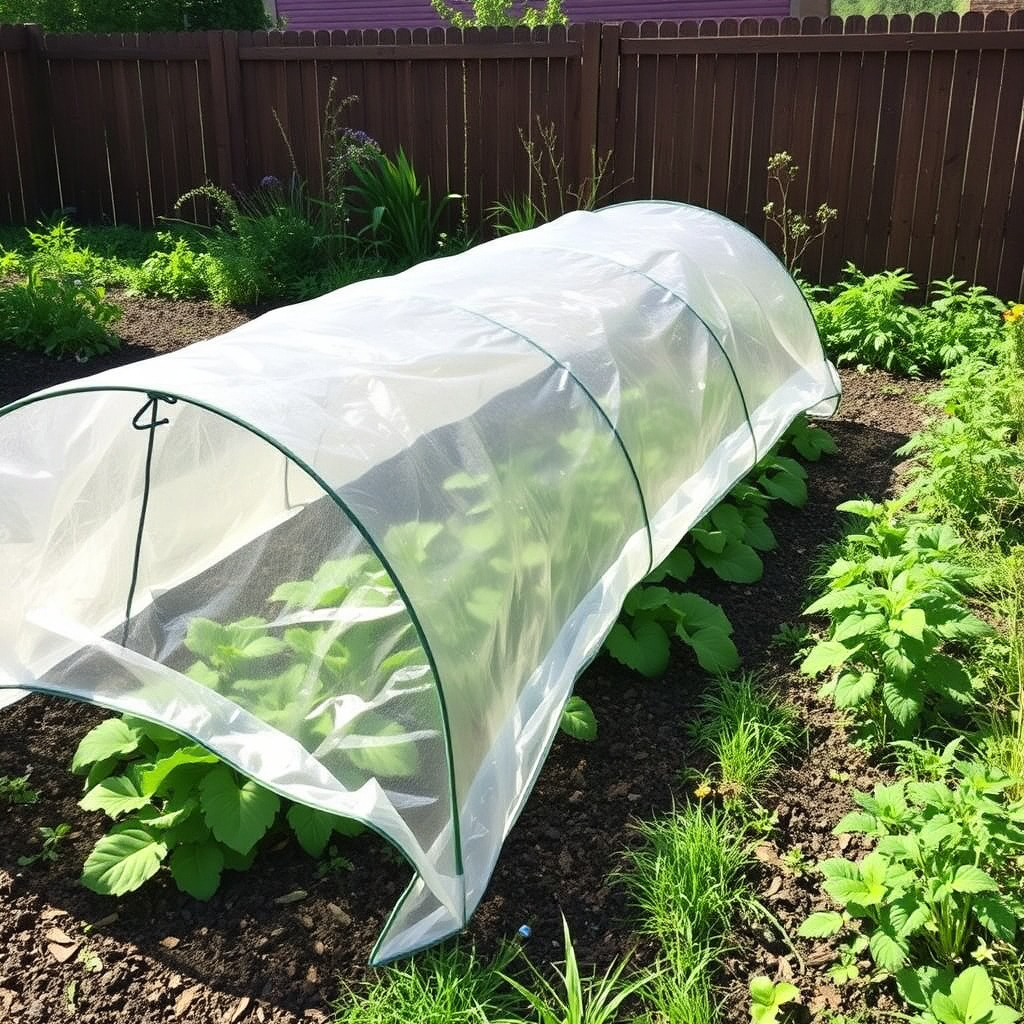
Using Barriers and Traps
Physical barriers such as row covers, garden netting, and collars around stems prevent pests like caterpillars and slugs from accessing plants. These methods provide a chemical-free way to protect crops effectively.
Traps like beer traps for slugs and sticky boards for flying insects help reduce pest populations by capturing them before heavy damage occurs.
- Row covers block insect access
- Slug collars protect stems
- Sticky traps attract flying pests
For more on this, see our related guide: What Affects Plant Growth: Key Factors Explained for Healthy Gardens.
Regular Garden Maintenance
Routine tasks such as removing dead foliage, pruning infested branches, and clearing garden debris reduce places where pests can hide and breed. Keeping the garden tidy minimizes pest habitats and interrupts their life cycles.
Watering practices also matter; using drip irrigation instead of overhead watering reduces moisture on leaves, discouraging fungal pests and some insects.
- Remove diseased or damaged plant parts
- Clear fallen leaves and weeds
- Use drip irrigation to keep foliage dry
Biological Control Options for Pest Prevention
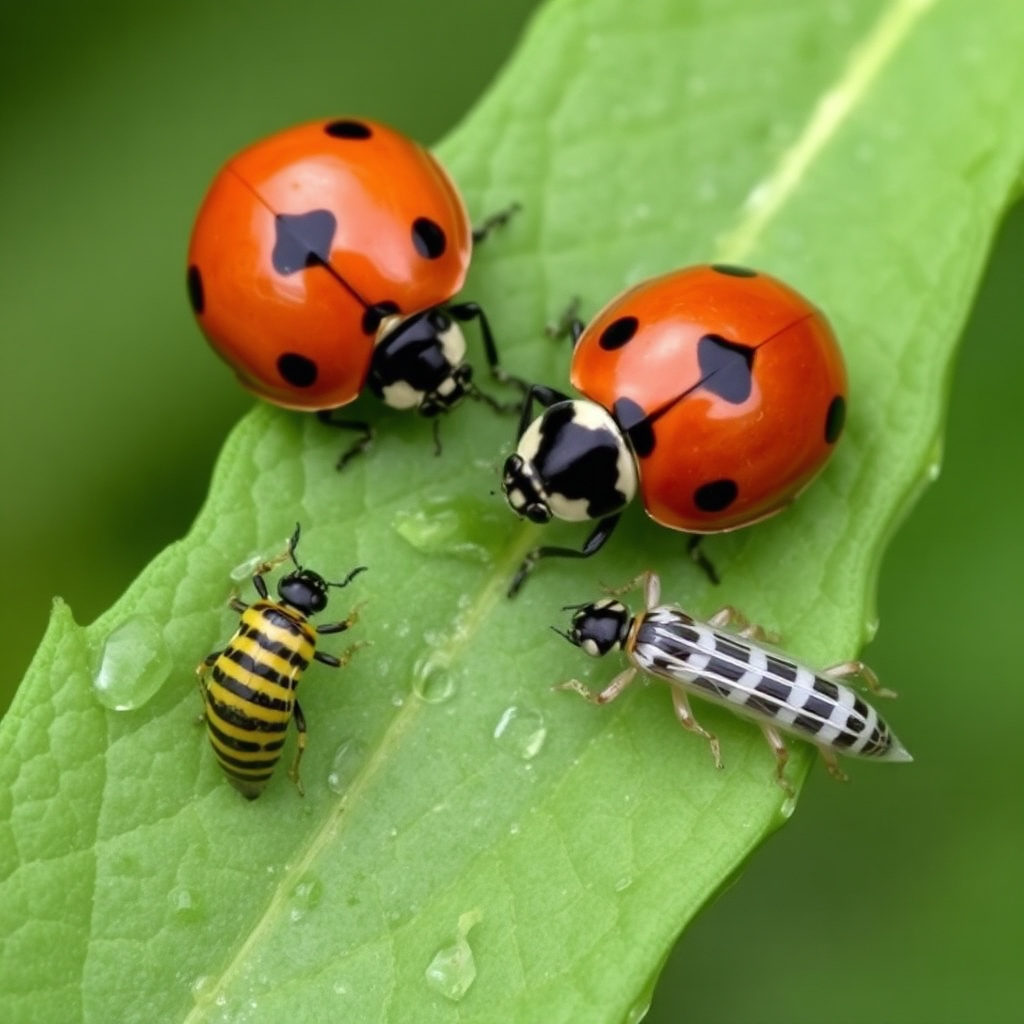
Attracting Beneficial Insects
Beneficial insects such as ladybugs, predatory wasps, and lacewings consume many common garden pests. Planting nectar-rich flowers like dill, fennel, and marigolds encourages their presence.
Creating insect-friendly habitats by leaving undisturbed soil patches or providing water sources supports these natural allies, boosting sustainable pest control.
- Grow flowering companion plants
- Avoid broad-spectrum insecticides
- Provide shelter and water for predators
Introducing Biological Agents
When natural populations of beneficial insects are insufficient, gardeners can introduce biological control agents such as nematodes or predatory mites. These organisms target specific pests without harming plants or people.
This targeted approach integrates with other prevention methods and reduces reliance on chemical treatments, fostering a balanced garden ecosystem.
- Apply nematodes for soil-dwelling pests
- Use predatory mites against spider mites
- Follow application instructions carefully
Organic and Chemical Treatments as Preventative Tools
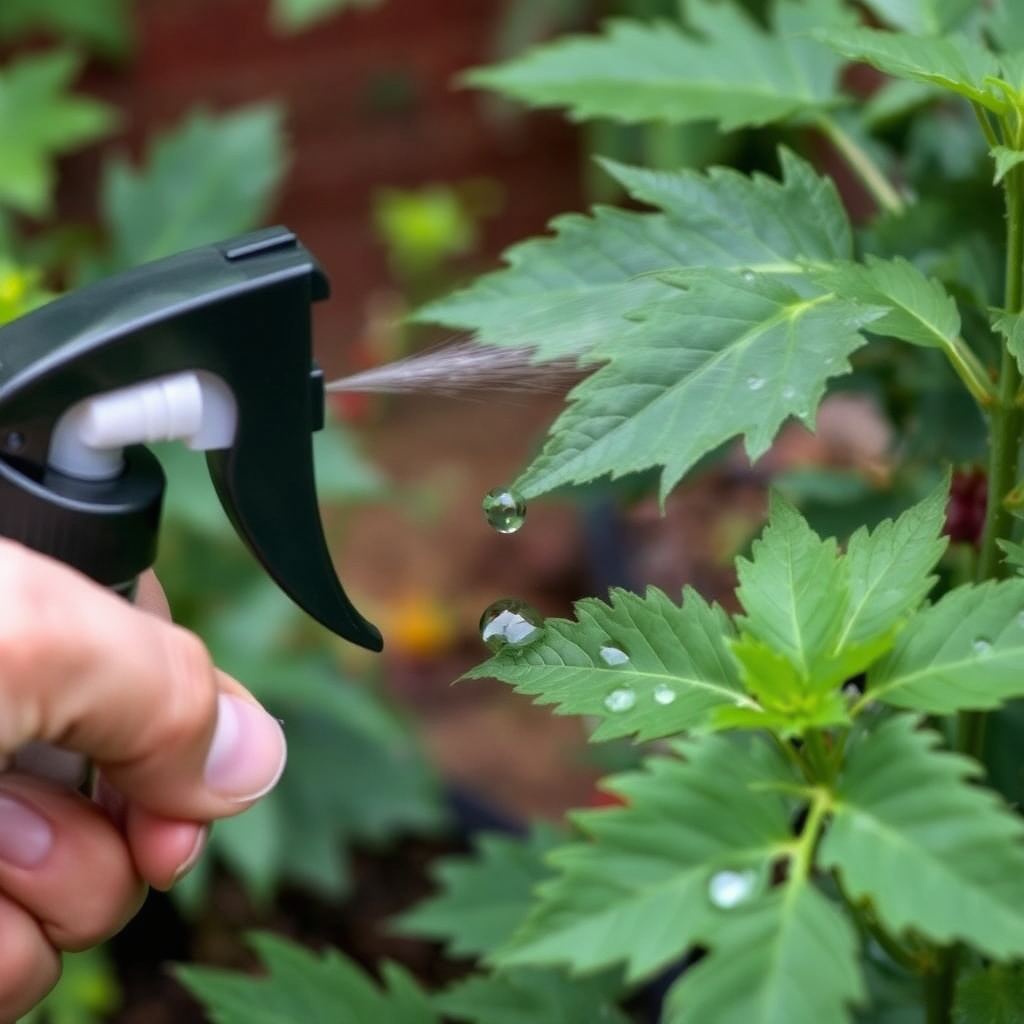
Applying Organic Pesticides Safely
Organic treatments such as neem oil, insecticidal soap, and diatomaceous earth can deter or eliminate pests while minimizing harm to beneficial insects when used properly. They serve as barriers and disrupt pest feeding or reproduction.
Timing applications to early morning or late evening and avoiding excessive use keeps the garden environment balanced and helps prevent pest resistance.
- Use neem oil for sap-sucking insects
- Apply insecticidal soap on contact pests
- Dust diatomaceous earth around plants
For more on this, see our related guide: How to Compare Seed Varieties for Successful Gardening.
When to Consider Chemical Options
Chemical pesticides may be needed as a last resort when infestations become severe. Choosing targeted, low-toxicity options reduces environmental impact and spares beneficial species.
Always follow label directions and safety guidelines to prevent harm to yourself and your garden’s health.
- Select targeted, low-impact chemicals
- Apply only when necessary
- Follow all safety precautions
Monitoring and Early Detection Strategies
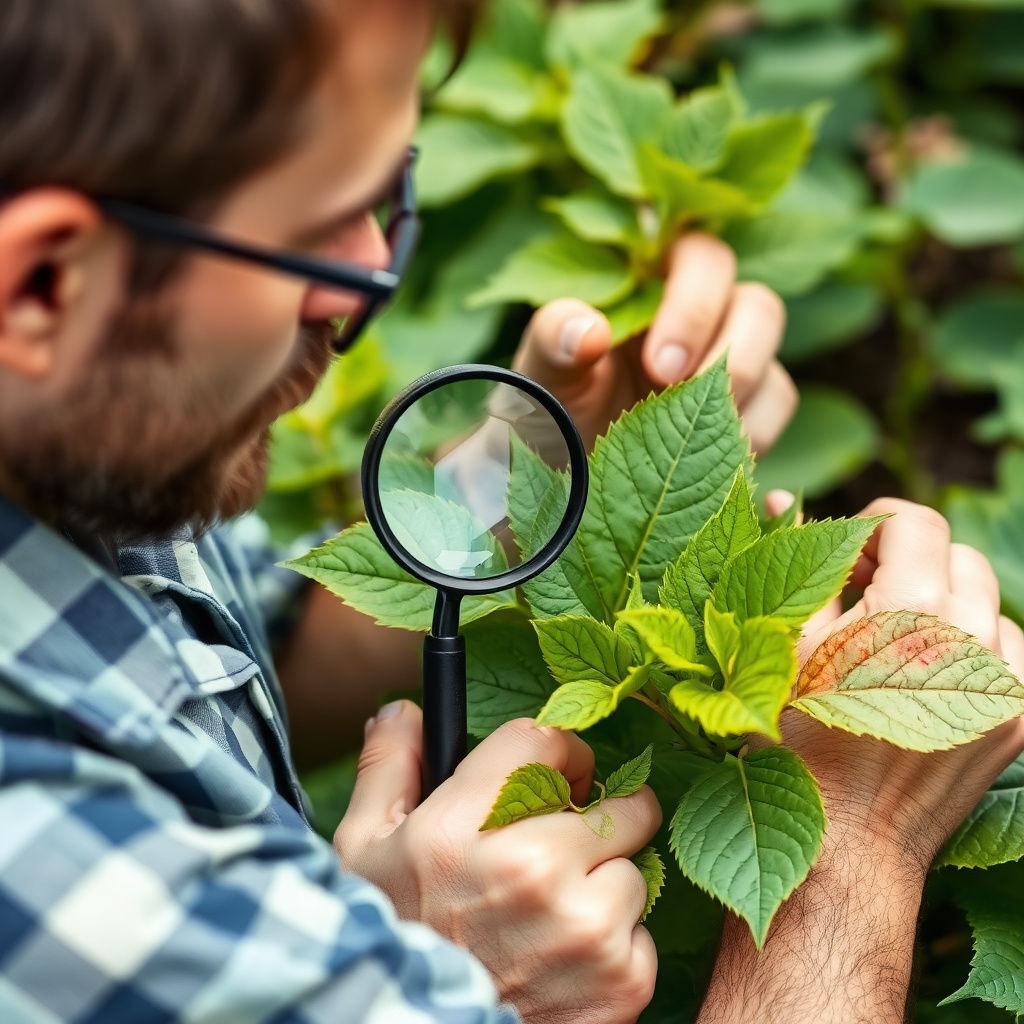
Regular Inspection Techniques
Systematic garden checks help spot pest problems before they escalate. Inspect the undersides of leaves, stems, and soil around plants for signs such as eggs, larvae, or chewing damage.
Keeping a journal of observations over time reveals patterns and highlights vulnerable plants, improving prevention planning.
- Check plants twice weekly
- Look under leaves and at soil line
- Record pest sightings and damage
For more information on combining various pest control strategies, see the Wikipedia article on integrated pest management. Integrated pest management.
Using Traps and Indicators for Early Warnings
Yellow sticky traps catch flying insects early, signaling when pest populations increase. Pheromone traps lure specific pests for precise monitoring.
These tools provide alerts that allow prompt action before damage spreads, making prevention efforts more timely and effective.
- Place yellow sticky cards near vulnerable plants
- Use pheromone traps for target species
- Replace traps regularly for accuracy
Garden Pest Prevention Methods Category Comparison
Below is a comparison of the main garden pest prevention methods highlighting their benefits and typical uses.
| Method | Effectiveness | Cost | Environmental Impact | Ease of Use |
|---|---|---|---|---|
| Cultural Practices | High | Low | Very Low | Moderate |
| Mechanical Barriers | Moderate to High | Low to Moderate | Very Low | Easy |
| Biological Controls | Moderate | Moderate | Low | Moderate |
| Organic Treatments | Moderate | Low to Moderate | Low | Moderate |
| Chemical Pesticides | High | Varies | Higher | Easy |
Frequently Asked Questions
What is the first step in preventing garden pests?
The first step is identifying common pests and monitoring your plants frequently to detect early signs of damage, allowing timely intervention.
Can companion planting help prevent pests?
Yes, companion planting can deter pests by confusing them or attracting beneficial insects that prey on harmful pests.
Are organic pesticides safe for beneficial insects?
Organic pesticides like neem oil are generally safer, but applying them carefully and sparingly helps protect beneficial insect populations.
How often should I inspect my garden for pests?
Inspecting your garden at least twice a week helps catch pest problems early before they spread significantly.
When should chemical pesticides be used in the garden?
Chemical pesticides should only be used as a last resort when other prevention methods fail and pest damage threatens plant health.
Key Takeaways
- Early detection and regular monitoring are crucial for pest prevention.
- Healthy soil and plant diversity reduce vulnerability to pests.
- Physical barriers and biological controls minimize chemical use.
- Organic treatments support pest management while protecting beneficial insects.
Conclusion
When deciding how to prevent pests in a garden, the best approach combines multiple methods tailored to your specific garden conditions. Understanding pests’ behavior and life cycles enables timely and precise interventions. Focusing on soil health, cultural practices, and creating a balanced ecosystem fosters resilient plants less prone to pest damage.
For many gardeners, starting with cultural practices like crop rotation and companion planting provides a strong foundation. Mechanical barriers such as row covers can be added for vulnerable crops. Attracting beneficial insects enhances natural control, while organic pest control options offer targeted protection during outbreaks. Chemical pesticides should be reserved for severe infestations to minimize environmental impact.
Begin by establishing consistent inspection routines to catch issues early. Choose natural pest control methods when possible and maintain garden diversity for long-term health. This proactive and integrated strategy will help your garden stay vibrant and productive with fewer pest troubles. For further detailed insights on pest biology and integrated pest management, consult authoritative resources.