How to Tell if a Seed Bank Is Reliable: A Practical Guide for Buyers
The best way to tell if a seed bank is reliable is by checking for customer reviews, verifying transparency about seed sources, and examining their return policies alongside clear communication channels. Reliable seed banks usually provide detailed descriptions, germination rates, and track records from buyers.
This matters because buying from unreliable seed banks can result in poor-quality seeds, delayed shipments, or outright scams. Knowing how to spot trustworthy sellers protects your money and guarantees better planting success, especially if you're focusing on rare or valuable seeds.
In this article, we'll cover key indicators of a seed bank’s trustworthiness, including website credibility, customer feedback, payment security, and shipping reliability. Additionally, we’ll compare seed bank categories and answer common questions to help you make confident purchasing decisions.
Evaluating Transparency and Information Accuracy
Importance of Clear Seed Descriptions
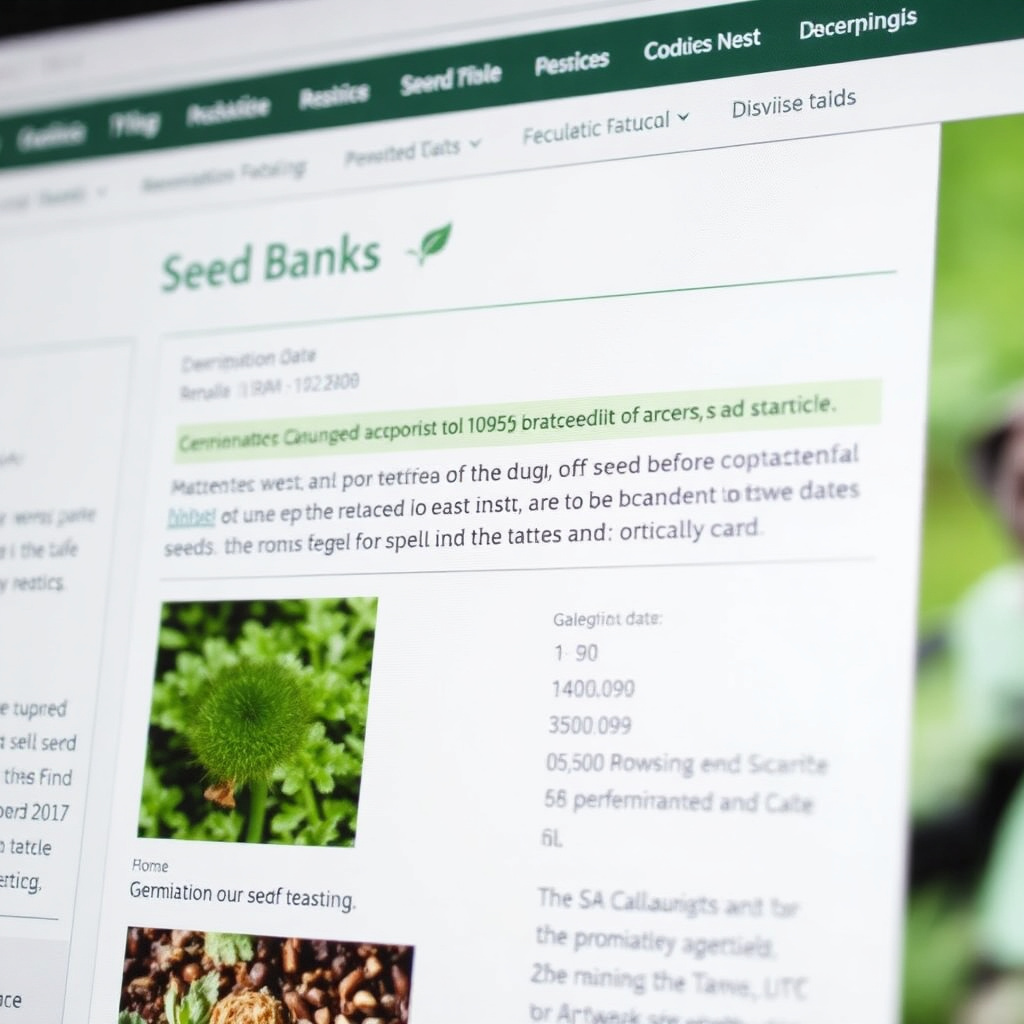
Reliable seed banks provide exact information on seed types, including strain details, origin, and expected growth characteristics. Accurate descriptions help buyers understand what to expect and plan their cultivation process effectively.
Detailed germination information, such as estimated success rates and seed viability periods, further indicates the seller’s confidence in their product quality and supports informed purchasing decisions.
- Seed type and strain specifics
- Germination success rates
- Seed origin and genetics
- Viability duration
Transparency About Sourcing and Testing
Legitimate seed banks openly disclose their seed sourcing sources and supply chain protocols. They may also share testing procedures for purity and germination before selling.
This transparency gives confidence the seeds are free from contaminants, genetically stable, and meet legal standards, safeguarding the buyer’s interests.
- Sourcing from reputable breeders
- Third-party testing certificates
- Compliance with legal regulations
- Contaminant-free guarantees
Checking Reputation Through Customer Feedback

Analyzing Online Reviews and User Experiences
Customer reviews on forums, social media, and seed enthusiast sites reveal actual user experiences with seed banks. Consistently positive feedback reflects reliability, while repeated complaints about shipping or seed quality are red flags.
Look for detailed reviews discussing seed germination success, packaging quality, and customer service responsiveness to form a well-rounded opinion.
Identifying Red Flags in Customer Reports
Warnings about delayed shipments, unresponsive support, or failure to deliver seeds should raise suspicion. Pay attention to the frequency and patterns of such issues rather than isolated incidents.
Beware of seed banks with mostly anonymous or unverifiable reviews, as some fake sellers inflate ratings with fraudulent feedback.
- Late or missing shipments
- Poor communication
- Fake or generic reviews
- Seed quality complaints
Assessing Payment and Purchase Security
Secure Payment Methods to Look For
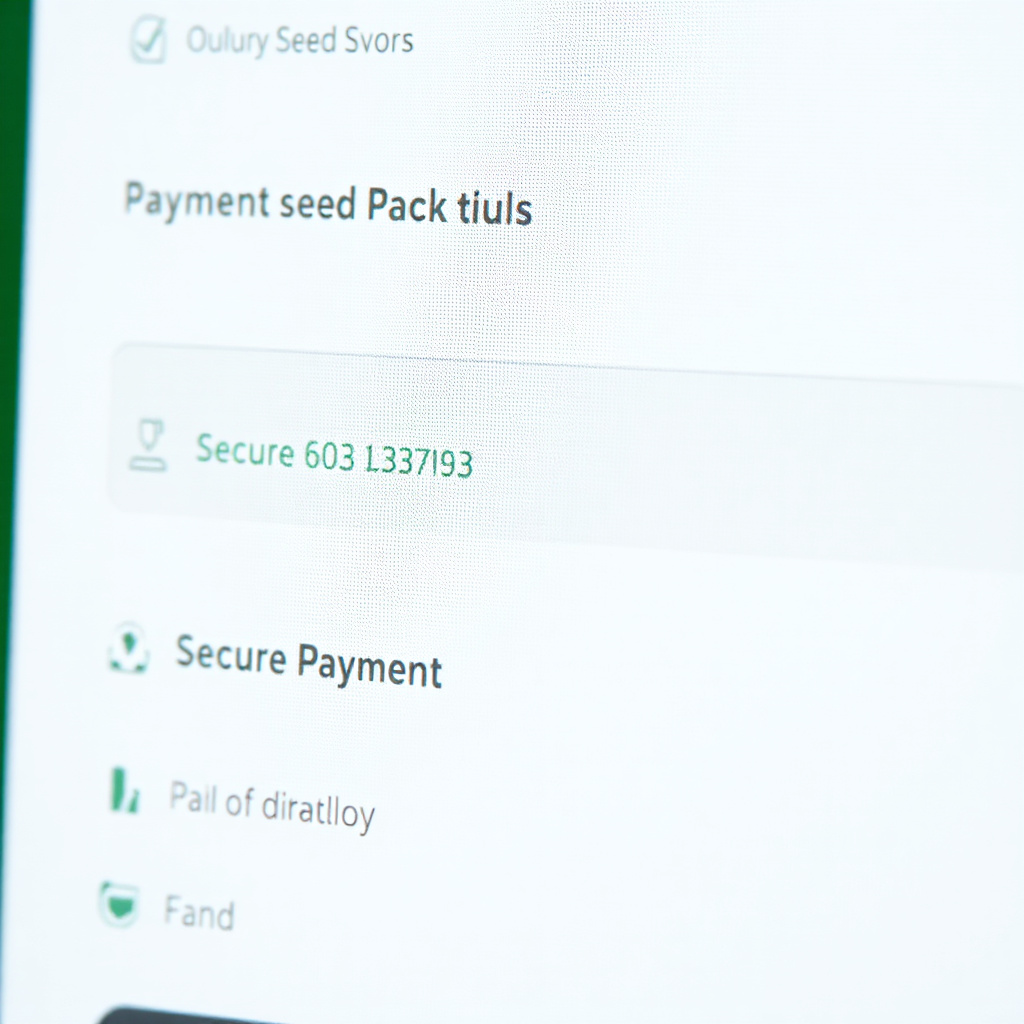
Reliable seed banks offer trusted payment gateways such as credit cards, PayPal, or cryptocurrency with encryption protocols. Secure methods protect user information and enable recourse in case of disputes.
Avoid seed banks that only accept untraceable payments like Western Union or direct bank transfers, which can put buyers at risk of fraud.
- Credit cards
- PayPal
- Cryptocurrency with escrow
- Avoid untraceable payments
For more on this, see our related guide: How to Grow Cannabis from Seed: A Practical Guide for Beginners.
Return and Refund Policies Explained
Clear return or refund policies demonstrate confidence in product quality and customer satisfaction. Seed banks should specify conditions under which replacements or refunds are granted.
Policies may vary based on germination failure or shipment issues, but reliability is reflected in fair and prompt handling of claims.
- Details on returns and replacements
- Timeframe to report issues
- Coverage of shipping damage
- Refund processing times
Shipping Practices and Discretion Measures

Reliable Shipping Options and Tracking
Seed banks should provide shipping choices, including tracked services to monitor delivery progress. Tracking reduces the risk of lost packages and reassures buyers.
Shipping times and methods should be clearly stated. Reliable sellers update buyers promptly in case of delays.
- Tracked and insured shipping
- Clear delivery estimates
- Discreet packaging
- Updates on delays
Discretion and Legal Compliance in Shipping
Shipping plants or seeds often involves legal restrictions. The best seed banks discreetly package orders to protect privacy and comply with local laws.
They provide information on customs, import restrictions, and advise customers accordingly to avoid confiscation or legal issues.
- Plain packaging
- Compliance with regulations
- Customs information provided
- Customer guidance on legal aspects
Comparing Seed Bank Types and Offerings
Specialized vs General Seed Banks
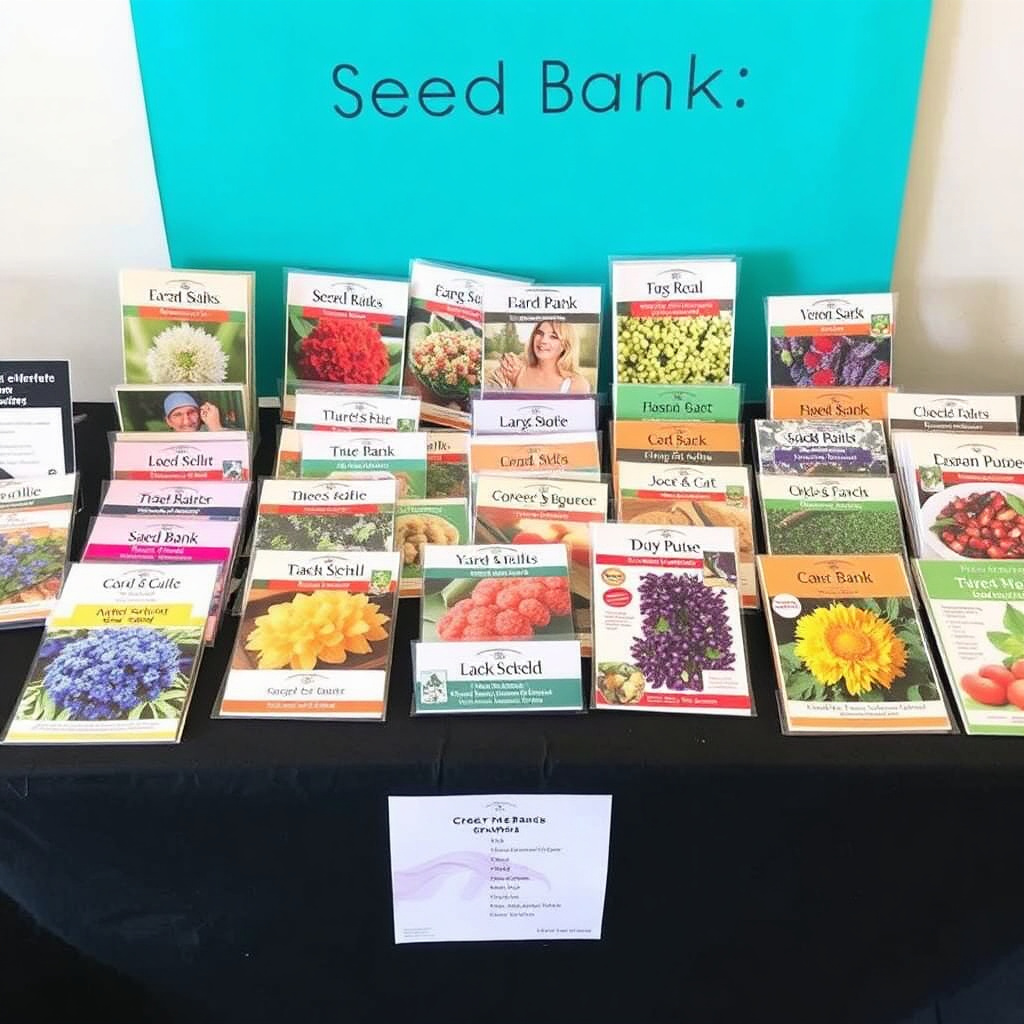
Specialized seed banks focus on specific plant types, like rare heritage seeds or cannabis genetics, offering depth and expertise in those areas.
General seed banks carry a broad selection of common seeds, ideal for casual gardeners seeking variety but with less specialization.
- Niche expertise
- Wide seed variety
- Higher quality rare seeds
- Suitable for diverse gardeners
For more on this, see our related guide: How to Tell If a Cannabis Seed Is Viable: A Practical Guide.
Online Retailers vs Local Seed Banks
Online seed banks offer convenience and access to global selections but require trust in shipping and payment security.
Local seed banks provide direct interaction, immediate availability, and often advice tailored to local growing conditions.
Choosing depends on your priorities for variety, speed, and personal support.
- Convenience versus interaction
- Global access versus local focus
- Delivery wait times
- Personalized advice
How to Verify Seed Bank Credentials
Checking for Certification and Memberships
Reputable seed banks may belong to industry organizations or hold certifications indicating compliance with quality and legal standards.
Verifying these credentials through official sites adds a layer of trustworthiness and shows dedication to responsible business.
- Industry association memberships
- Organic or quality certifications
- Compliance with agricultural laws
- Third-party testing affiliations
For a broader understanding of seed banks and their role, you can refer to the Seed bank on Wikipedia. Seed bank on Wikipedia.
Contacting the Seed Bank Directly
Reaching out to seed bank customer service with questions about their seeds or processes can reveal responsiveness and transparency.
Reliable providers answer promptly with clear, helpful information rather than vague or evasive replies.
- Availability of contact options
- Response times
- Clarity of answers
- Customer support professionalism
Seed Bank Category Comparison
This table contrasts different seed bank categories based on specialization, reliability, and shipping features.
| Category | Seed Variety | Customer Trust | Shipping Options | Typical Pricing |
|---|---|---|---|---|
| Specialized Seed Banks | Narrow, focused on rare or specialty seeds | High with expert community backing | Tracked, insured, discreet | Mid to high |
| General Online Seed Retailers | Wide range across many plant types | Varied; depends on reviews | Tracked and untracked options | Low to mid |
| Local Seed Banks | Limited to regional varieties | High due to in-person trust | Immediate pickup, occasional delivery | Mid |
| Unknown/New Seed Banks | Varied but often unverified | Low; scarce reviews | Untracked, risky | Low to mid |
Frequently Asked Questions
How can I verify the authenticity of seeds from a seed bank?
You can verify authenticity by checking for germination guarantees, third-party testing certifications, and positive customer reviews focused on seed reliability.
What payment methods are safest when ordering from seed banks online?
Safest payments include credit cards and PayPal with buyer protection. Cryptocurrency can be secure if escrow services are used; avoid untraceable transfers.
Is it better to buy seeds from local seed banks or online stores?
Local seed banks offer direct support and immediate availability; online stores provide variety and convenience. Choice depends on your needs for selection versus personal service.
What signs indicate a seed bank might be a scam?
Signs include lack of contact info, no customer reviews, requests for untraceable payments, unclear product details, and refusal to offer refunds.
How do seed banks handle shipping to countries with strict import laws?
Reliable seed banks provide guidance on regulations, employ discreet packaging, and often advise on the likelihood of successful customs clearance.
Key Takeaways
- Trustworthy seed banks provide detailed seed information and clear sourcing.
- Customer reviews and transparency are critical for assessing reliability.
- Secure payments and clear return policies protect buyers from fraud.
- Discretion in shipping and knowledge of regulations reduce delivery risks.
Conclusion
Determining if a seed bank is reliable involves carefully checking multiple factors, including transparency about seeds, customer feedback, payment security, and shipping practices. Each aspect helps build a picture of trustworthiness that goes beyond just looking at price or variety. Taking the time to research these details can prevent loss of investment and frustration from poor-quality seeds or service.
For example, specialized seed banks tend to be a strong choice if you need high-grade genetics or rare seeds, while general online retailers offer good variety for casual gardeners. Local seed banks provide personalized advice and immediate access but may have limited stock. Being aware of payment options and return policies ensures a safety net if issues arise during the purchase. Together, these considerations guide buyers to find the best seed bank suited to their gardening goals.
Ultimately, the next step is to start researching specific sellers against these criteria, paying close attention to verified customer reviews and certifications. Contact seed banks directly if you need clarification before ordering. Most importantly, buy only from sources you trust to ensure that your seeds are genuine, viable, and supported by responsive customer service.