How to Feed Seedlings: Essential Tips for Healthy Growth
Feeding seedlings properly involves giving them nutrients in the right amounts at the right time, usually through diluted fertilizing solutions after their first true leaves develop. Initially, seedlings rely on stored energy inside the seed, so avoid fertilizing immediately after germination—wait until they have some established growth.
This matters because young seedlings are delicate and can be easily damaged by overfeeding or improper nutrient balance. Supplying them with balanced nutrients during early stages encourages stronger root systems and healthier foliage, increasing the chances of successful transplanting outdoors.
This article will cover when to start feeding seedlings, which types of fertilizers work best, how much and how often to feed, and common mistakes to avoid. You’ll also find recommendations for natural and synthetic options suited to various seedling types.
Understanding Seedling Nutrient Needs
Seedling Growth Stages and Nutrition
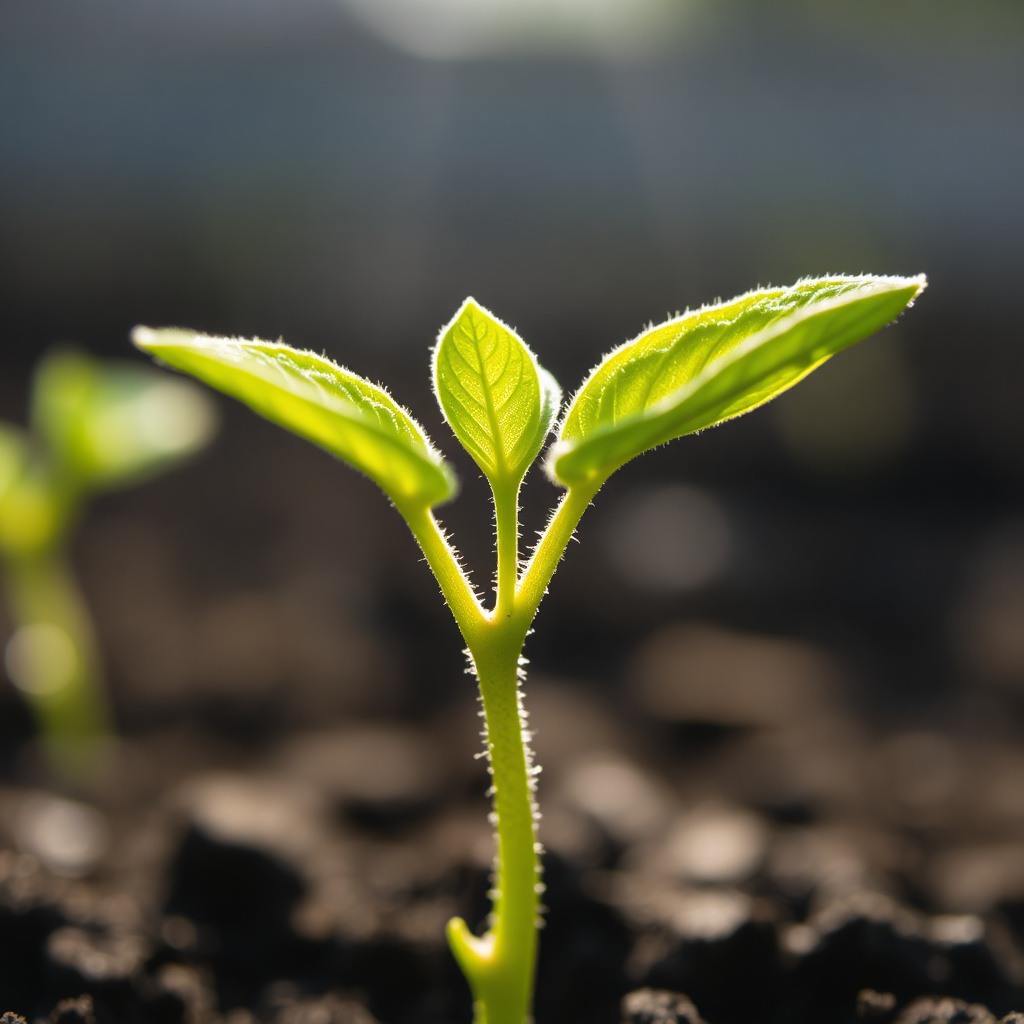
Seedlings rely on energy stored in the seed initially, but after 1-2 weeks, their roots begin absorbing nutrients from the soil. The first true leaves indicate the seedling is ready for external feeding. At this stage, nutrients support leaf expansion, root development, and overall vigor.
Providing essential nutrients too early or in high concentrations risks burning delicate roots or causing nutrient imbalances. Balanced feeding tailored to growth stages maintains steady progress without stress.
- Seed energy exhaustion at 7-14 days
- Use of nutrients starts with true leaf emergence
- Critical role of nitrogen, phosphorus, and potassium
- Micronutrients support enzymatic functions
Key Nutrients for Seedling Health
Nitrogen promotes leaf growth, phosphorus supports root and flower development, and potassium helps overall seedling vigor and disease resistance. Seedlings also require trace elements like calcium, magnesium, and iron in small amounts.
Balanced fertilizers with an NPK ratio close to 10-10-10 or 20-20-20 diluted to avoid nutrient burn are commonly used. Some growers prefer organic options rich in micronutrients for gentle feeding.
- Nitrogen (N): leafy growth
- Phosphorus (P): root/stem strength
- Potassium (K): stress tolerance
- Micronutrients: calcium, magnesium, iron
Choosing the Right Fertilizer for Seedlings
Synthetic vs Organic Fertilizers
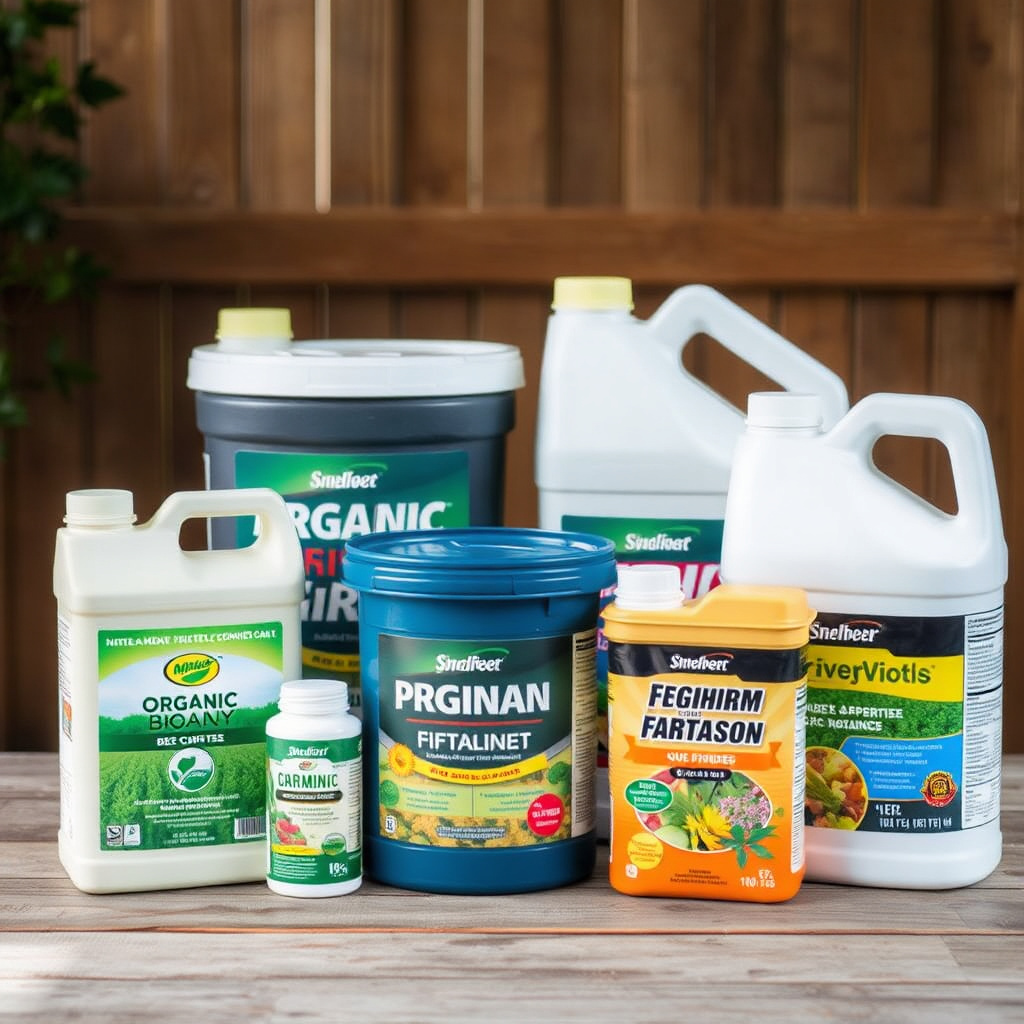
Synthetic fertilizers offer precise nutrient ratios and quick uptake, which can promote rapid seedling growth if applied properly. However, they can cause salt buildup and root burn if overused.
Organic fertilizers release nutrients slowly and improve soil health but may act more gradually. They provide beneficial microbes and reduce chemical stress but require more careful timing to meet seedling needs.
- Synthetic: fast-acting, risk of overfeeding
- Organic: slow-release, soil improvement
- Consider seedling sensitivity when choosing
For more on this, see our related guide: How to Transplant Seedlings Without Stressing Your Plants.
Liquid Fertilizers and Feeding Frequency
Liquid fertilizers diluted to about a quarter or half recommended strength are ideal for seedlings because they minimize overdose risks and deliver nutrients directly to roots.
A typical schedule is feeding seedlings every 7-10 days after true leaves show, though frequency can be adjusted based on growth rate and medium moisture retention.
- Dilute liquid feed to 25-50%
- Feed every 7-10 days
- Watch for signs of overfeeding or deficiency
How to Feed Seedlings Safely
Preparing Nutrient Solutions
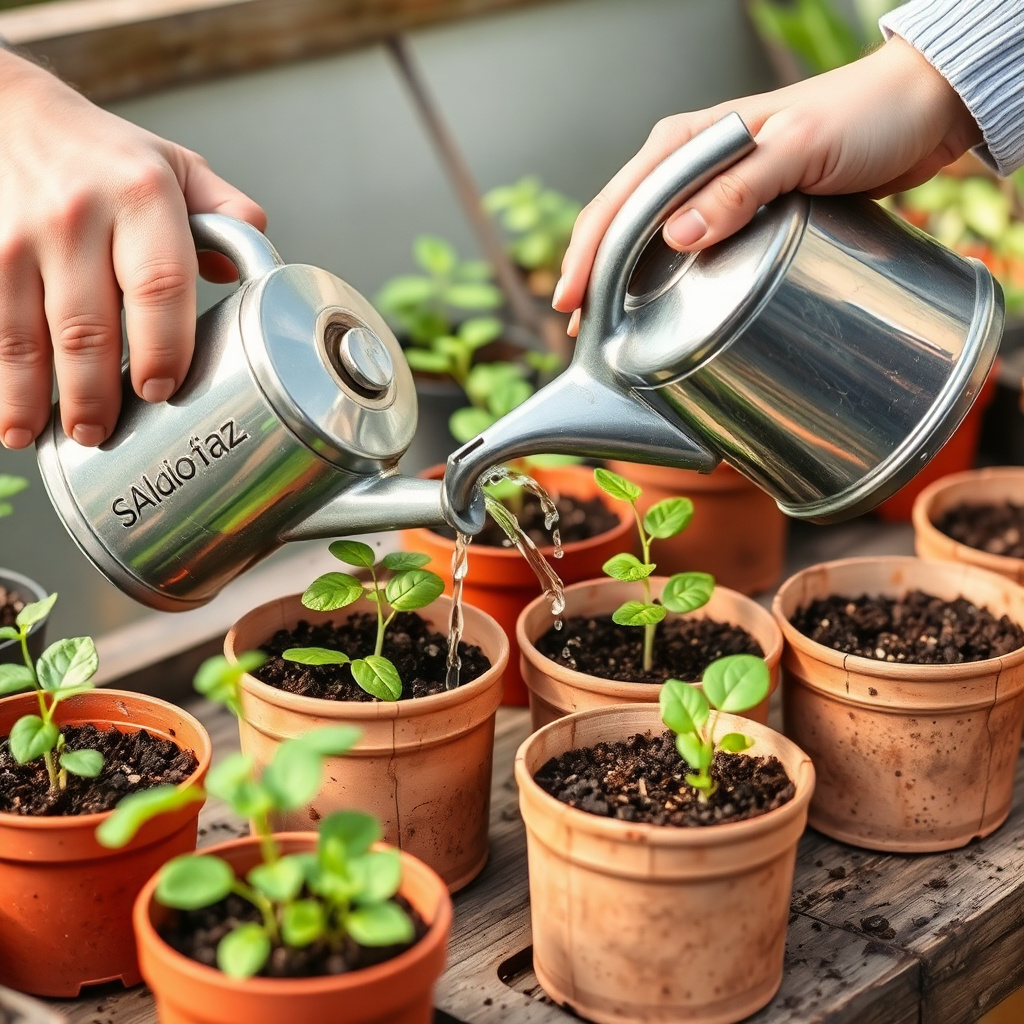
Mix fertilizer according to package instructions, then dilute further to suit seedlings’ delicate roots. Use room temperature water to avoid shocking the plants. Stir to fully dissolve, preventing concentrated pockets.
Avoid applying fertilizer directly on leaves to prevent burning. Feed seedlings at soil level or by bottom watering to encourage healthy root uptake.
- Dilute fertilizer below recommended strength
- Use lukewarm water
- Avoid foliar application for seedlings
Signs of Overfeeding and How to Respond
Overfed seedlings show symptoms like brown leaf edges, wilting, or stunted growth due to nutrient toxicity or salt buildup. It’s important to flush soil with fresh water to wash out excess nutrients if these occur.
Adjust fertilizer concentration and feeding frequency based on seedling responses to maintain steady development without stress.
- Leaf tip burn or browning
- Wilting despite moisture
- Flush soil with plain water if needed
Feeding Different Types of Seedlings
Vegetable Seedlings
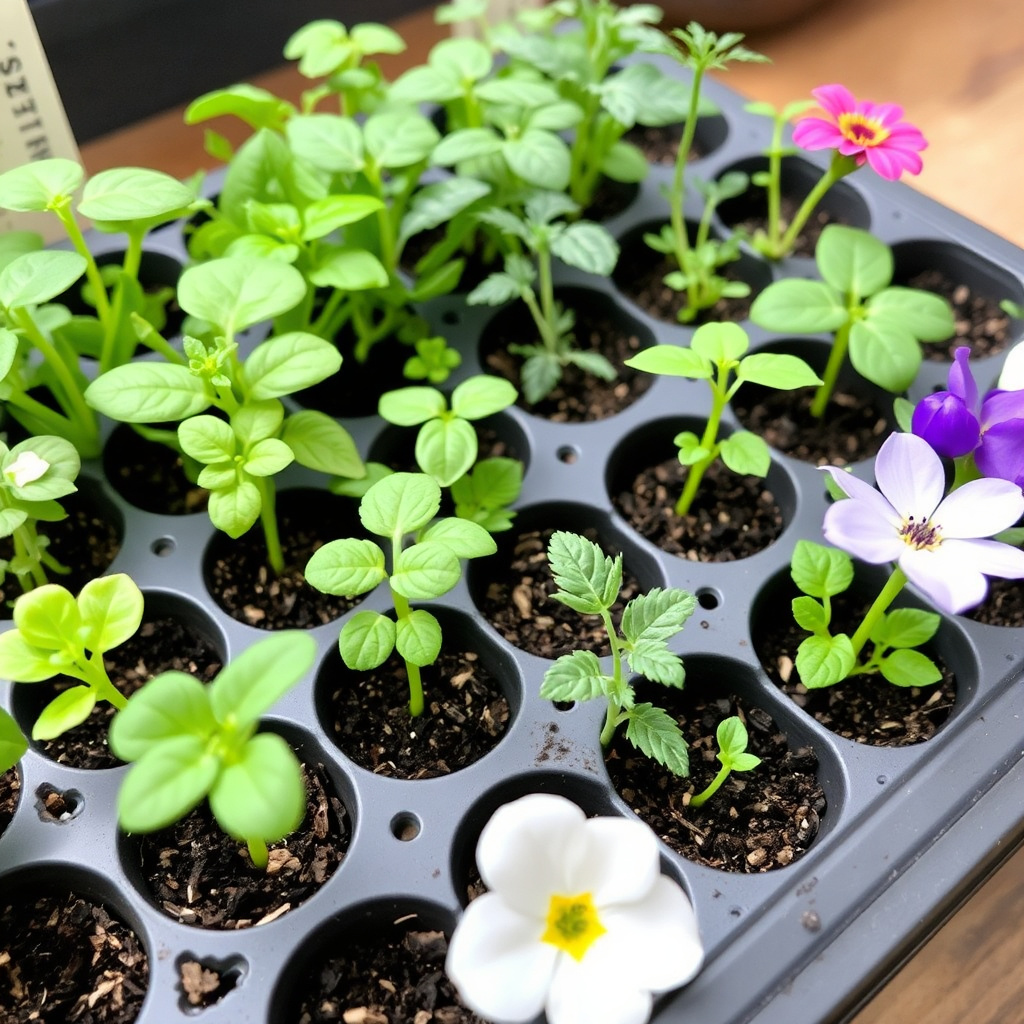
Vegetable seedlings commonly require moderate nitrogen levels to support leafy growth before fruiting. Fertilizers favor balanced nutrition with slightly higher nitrogen content to build a strong plant structure.
Frequent feeding with diluted solutions guards against nutrient deficiencies during fast growth phases common to crops like tomatoes or lettuces.
- Balanced fertilizer with nitrogen focus
- Weekly feeding as growth demands
For more on this, see our related guide: How to Care for Seedlings: Essential Tips for Healthy Plant Growth.
Flower and Herb Seedlings
Flower and herb seedlings often thrive with fertilizers lower in nitrogen and higher in phosphorus to encourage root and bloom development. Organic options rich in micronutrients suit these delicate seedlings better.
Avoid excess nitrogen which can produce lush foliage but weak flowers or stems.
- Lower nitrogen, higher phosphorus ratios
- Use organic fertilizers for sensitive species
Common Mistakes When Feeding Seedlings
Overfeeding and Underfeeding Risks
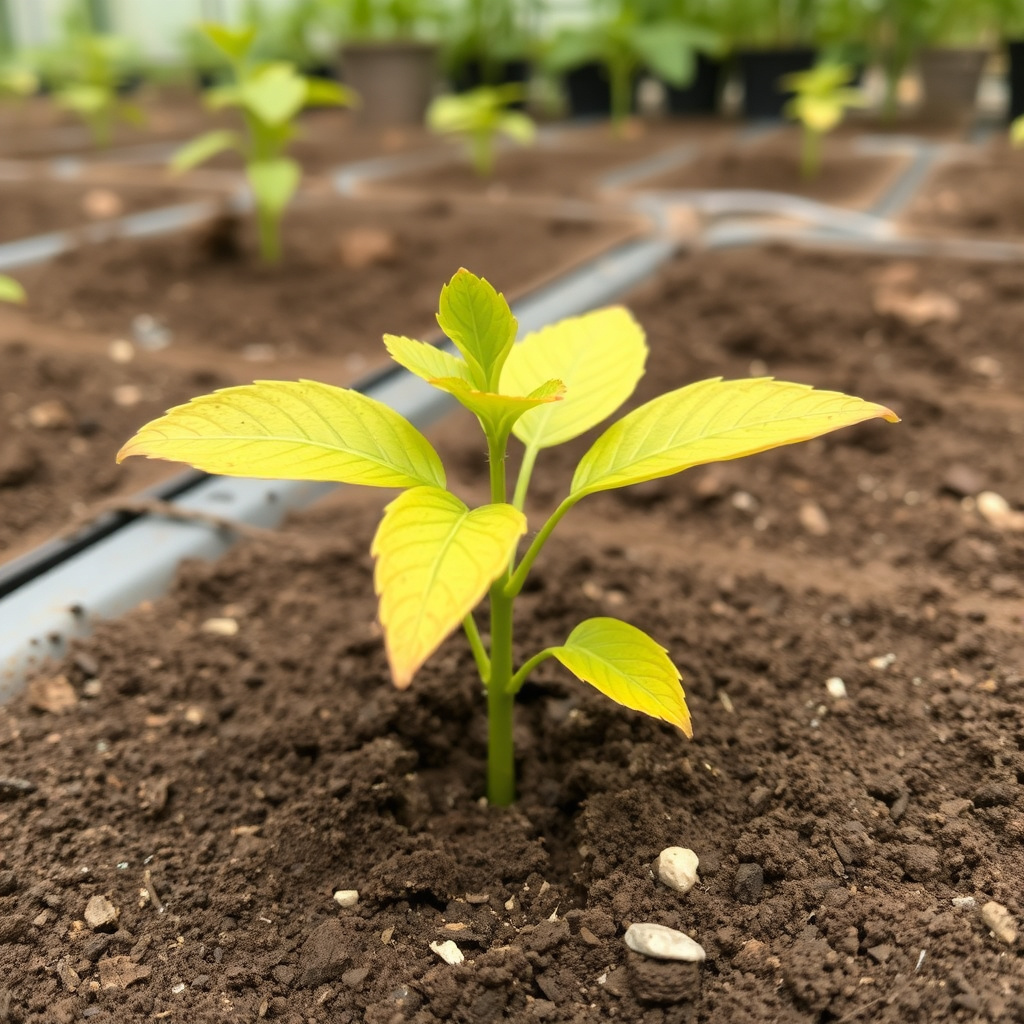
Overfeeding causes nutrient toxicity, root damage, and may kill seedlings. Underfeeding results in yellowing, weak growth, and poor transplant performance. Balancing feeding to suit seedling development stages is critical.
Regular observation helps adjust fertilizer strength and timing, avoiding damage while meeting nutritional needs during sensitive early growth phases.
- Avoid applying full-strength fertilizer
- Monitor leaf color and growth rate
- Adjust feeding if symptoms appear
For further technical details on seedling growth and nutrition, the seedling nutrition details on Wikipedia offer in-depth scientific explanations. seedling nutrition details on Wikipedia.
Ignoring Soil and Water Conditions
Ignoring soil type and moisture level can reduce nutrient availability or cause fertilizer salts to accumulate. Well-draining, moist medium supports nutrient absorption and prevents root rot.
Water quality matters too—hard water can add salts affecting seedlings. Using filtered or rainwater with controlled fertilizer helps maintain seedling health.
- Use well-draining seed-starting mix
- Maintain consistent moisture
- Consider water quality
Seedling Fertilizer Types Comparison
Here’s a side-by-side look at common fertilizer categories used for feeding seedlings, highlighting ease of use, nutrient release speed, and suitability.
| Fertilizer Type | Nutrient Release Speed | Ease of Use | Suitability for Seedlings | Cost |
|---|---|---|---|---|
| Synthetic Liquid | Fast | High | Good if diluted properly | Low |
| Organic Liquid | Slow to Moderate | Moderate | Gentle, promotes soil health | Moderate |
| Synthetic Granular | Moderate | Moderate | Risk of burning if not careful | Low |
| Organic Granular | Slow | Low | Best for soil improvement | Moderate to High |
| Hydroponic Nutrient Solutions | Fast | Moderate | Ideal for soilless seedlings | High |
Frequently Asked Questions
When should I start feeding my seedlings?
Begin feeding once seedlings have developed their first true leaves, typically after 1-2 weeks, using a diluted fertilizer to prevent root burn.
Can I use regular garden fertilizer for seedlings?
Regular garden fertilizers often have concentrated nutrients and may burn seedlings. It's best to dilute them significantly or use fertilizers designed for seedlings.
How often should I feed seedlings?
Feeding every 7 to 10 days with diluted fertilizer is sufficient, but frequency depends on seedling growth rate and medium moisture.
Is it necessary to fertilize seedlings grown in seed-starting mix?
Seed-starting mixes often lack nutrients, so fertilizing after true leaves appear is helpful to supply nutrients for continued growth.
What signs indicate my seedlings are overfed?
Overfeeding symptoms include leaf browning at edges, wilting, and slowed growth; flushing with water can help reduce salt buildup.
Key Takeaways
- Start feeding seedlings after first true leaves emerge with diluted fertilizer.
- Use balanced nutrients with appropriate NPK ratios and micronutrients.
- Avoid overfeeding to prevent root damage and salt accumulation.
- Adjust fertilizer type and schedule based on seedling species and growth stage.
Conclusion
Choosing the right approach to feeding seedlings balances their delicate nature against their nutritional needs as they transition from reliance on seed reserves to root uptake. Paying attention to timing, dilution, and nutrient composition helps maintain steady growth without stress or nutrient toxicity. Careful observation enables adjustments in feeding schedules and quantities to support healthy development at each stage.
For vegetable seedlings, balanced synthetic fertilizers diluted properly encourage leafy and root development, while flower and herb seedlings benefit from organic options richer in phosphorus and micronutrients. Liquid fertilizers are often preferred for their ease of application, but mixing synthetic and organic approaches depending on medium and species offers versatile results. Managing water quality and drainage also plays a role in nutrient availability and seedling health.
Ultimately, starting fertilizer feeding around the appearance of true leaves with a gentle, diluted approach is the safest path. Gradually increasing nutrient availability while avoiding overfeeding sets seedlings up for strong, resilient growth. Following the feeding guidelines outlined here and adjusting based on plant response will lead to a thriving garden from healthy seedlings ready for transplant.