How to Get Rid of Powdery Mildew Effectively in Your Garden
Powdery mildew is a common fungal disease affecting plants, characterized by a white, powdery coating on leaves and stems. The most effective way to get rid of powdery mildew is by combining removal of infected parts, applying fungicidal treatments, and adjusting environmental factors like humidity and air circulation.
Powdery mildew can stunt growth, reduce yield, and even kill plants if left unmanaged. Since it thrives in warm, dry environments with poor air flow, addressing these conditions along with treating existing infections will significantly reduce the problem. It’s important to act quickly because once powdery mildew spreads widely, eliminating it becomes more difficult.
This article will explain how to identify powdery mildew, practical methods to remove and treat it, environmental adjustments to stop its return, as well as prevention strategies and comparisons of common treatment products.
Understanding Powdery Mildew and Its Impact
What is Powdery Mildew?
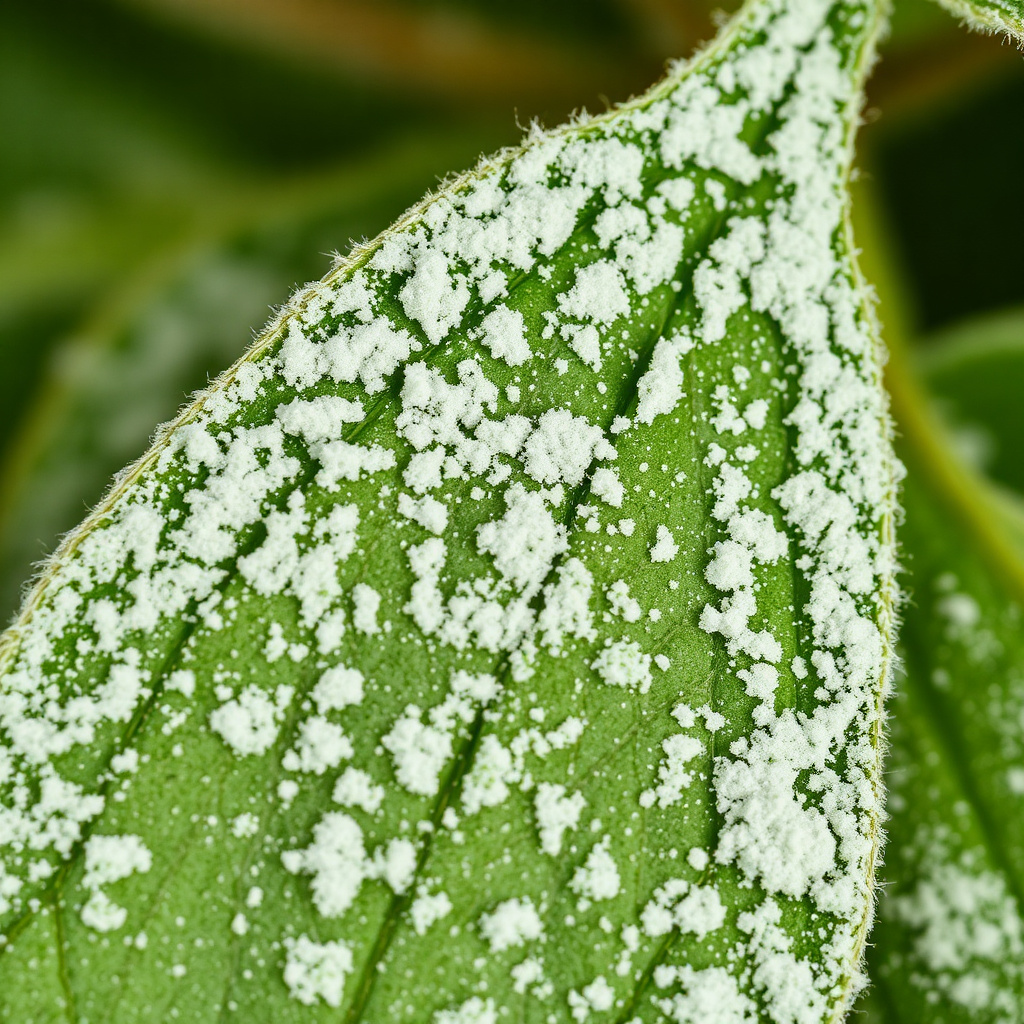
Powdery mildew is a fungal disease caused by various species in the order Erysiphales. It appears as white or gray powdery spots mainly on upper leaf surfaces, stems, and flowers. Unlike many fungal diseases, powdery mildew does not require water on leaf surfaces to infect plants, making it unique in its spread.
This mildew affects a wide variety of plants, including vegetables, ornamental flowers, and fruit trees. If untreated, the mildew weakens the plant by reducing photosynthesis, causing leaves to yellow, curl, or drop prematurely, ultimately impacting overall growth.
Signs and Symptoms to Identify
Identifying powdery mildew early is critical for successful control. Look for distinct white or gray powder-like spots on the upper sides of leaves. These spots often appear circular and can grow to cover entire leaves and stems.
Affected leaves may become distorted, yellow, or brittle. As infection progresses, plant vigor declines and fruit production may decrease, especially for vegetables and fruit-bearing plants.
- White powdery spots on leaves and stems
- Yellowing or browning leaves
- Leaf curling or distortion
- Premature leaf drop
Physical Removal and Sanitation Methods
Pruning Infected Plant Parts
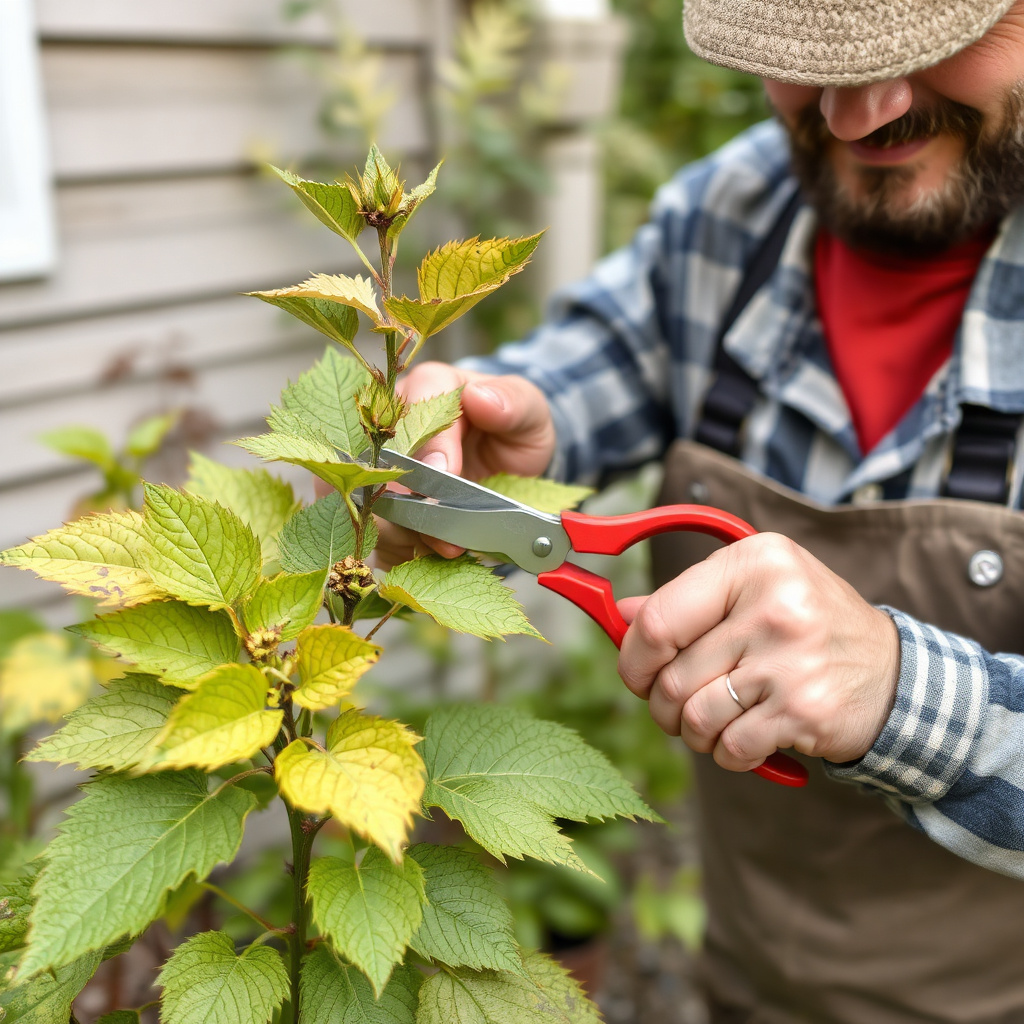
The first step in getting rid of powdery mildew is to remove infected leaves and stems manually. Use clean pruning shears to cut off affected parts, which helps reduce fungal spores and slows disease spread.
Avoid leaving infected debris nearby, as this can harbor spores. Dispose of cuttings far from the garden or burn them if regulations allow, minimizing chances of reinfection.
- Use sterilized cutting tools
- Remove only heavily infected parts
- Dispose of cuttings safely
Cleaning Garden Tools and Surroundings
Regular sanitation of tools is vital because mildew spores can cling to equipment. Clean shears, gloves, and pots with a disinfectant after use to prevent cross-contamination.
Clear fallen leaves and plant debris daily. Keeping the garden area clean reduces potential reservoirs of powdery mildew and promotes better air circulation among plants.
- Disinfect tools with diluted bleach or alcohol
- Regularly remove fallen leaves
- Maintain clean plant beds
Chemical and Organic Powdery Mildew Treatment Options
Synthetic Fungicides
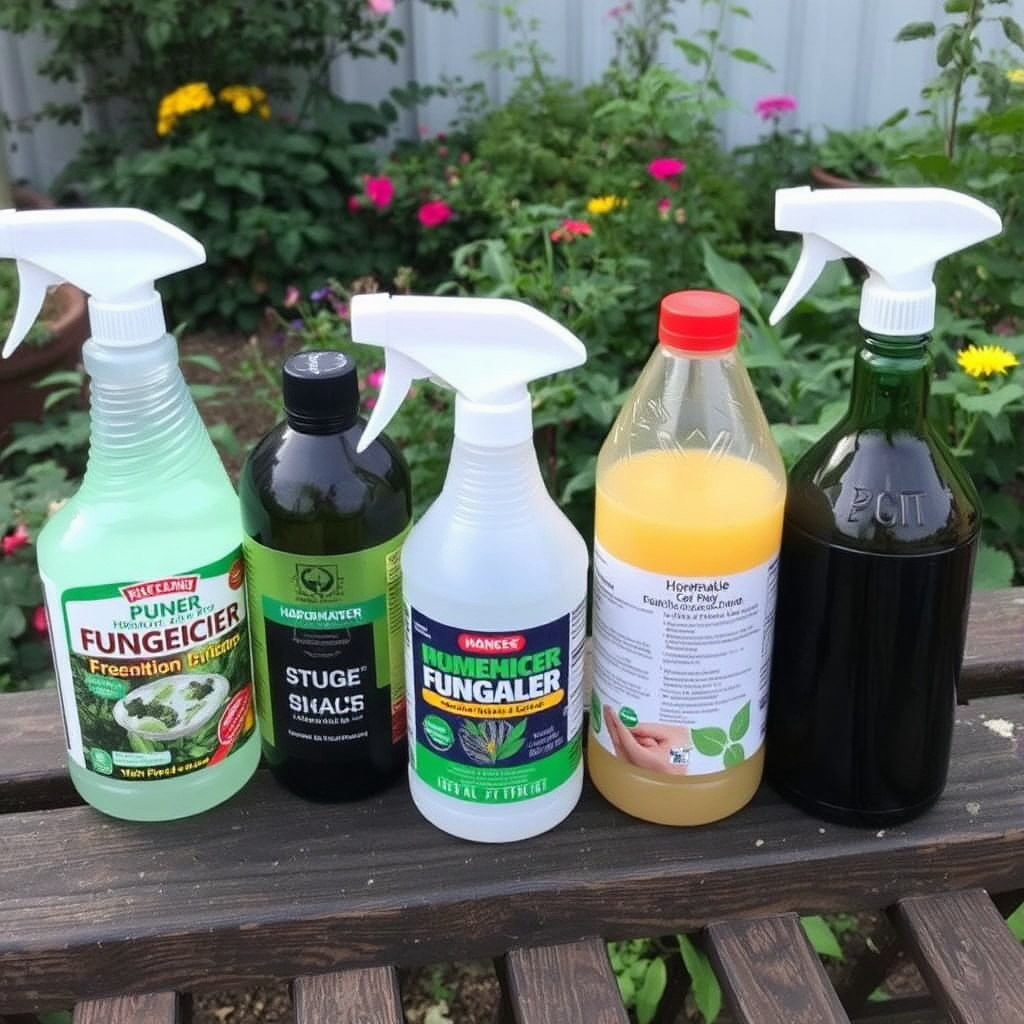
Chemical fungicides containing active ingredients such as sulfur, myclobutanil, or potassium bicarbonate are effective at controlling powdery mildew. They work by attacking the fungal cells and preventing spore germination.
Apply fungicides according to manufacturer instructions, usually every 7 to 14 days during active mildew growth. Wear protective gear and avoid spraying during high heat or direct sunlight to reduce plant stress.
- Sulfur-based fungicides
- Triazole fungicides like myclobutanil
- Potassium bicarbonate sprays
For more on this, see our related guide: How Are Cannabis Strains Bred? A Practical Guide to Cannabis Breeding.
Organic Treatments and Homemade Sprays
For organic gardeners, options include neem oil, horticultural oils, and baking soda-based homemade sprays. These alternatives reduce mildew severity by disrupting fungal growth and improving plant resistance.
A common homemade recipe mixes 1 teaspoon baking soda and a few drops of liquid soap in 1 quart of water. Regular application every 5-7 days can keep powdery mildew at bay, especially during early infections.
- Neem oil sprays
- Horticultural oils
- Baking soda and soap mixtures
Adjusting Environmental Conditions to Prevent Mildew

Improving Air Circulation and Light
Powdery mildew thrives in overcrowded, shaded conditions. Increasing spacing between plants improves airflow, which dries leaf surfaces and slows fungal growth.
Pruning for better light penetration also helps. Direct sunlight reduces mildew spores, so planting in sunnier locations or thinning dense foliage is beneficial.
- Space plants properly
- Thin dense foliage
- Choose sunny planting sites
Managing Humidity and Watering Practices
While powdery mildew does not require wet leaves, high humidity encourages its spread. Water plants at the base early in the day to keep leaves dry and reduce mildew risk.
Avoid overhead irrigation and clustered dense planting, which traps moisture. Maintaining moderate humidity levels around plants minimizes fungal development.
- Water at soil level
- Irrigate in morning
- Avoid overcrowding
Preventive Measures and Long-Term Control
Choosing Resistant Varieties
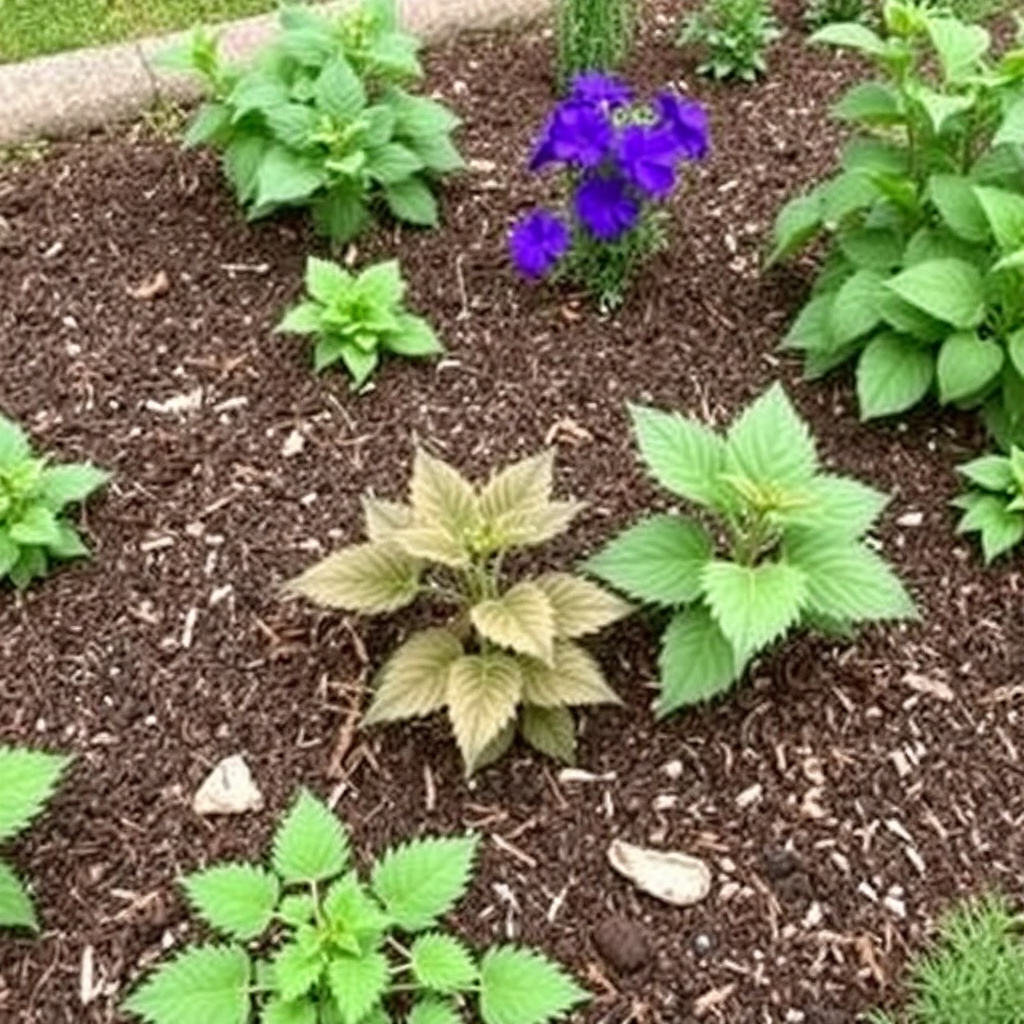
Selecting plant varieties bred for powdery mildew resistance is one of the best long-term defenses. These cultivars have genetic traits that inhibit fungal infection or limit its spread.
Seek resistant options especially for vulnerable vegetables like cucumbers, squash, and roses where powdery mildew is common.
- Purchase certified resistant seeds
- Check local extension recommendations
- Rotate crops annually
For more on this, see our related guide: How Long Does Cannabis Take to Grow: A Complete Growth Timeline.
Mulching and Soil Health Practices
Applying mulch around plants prevents soil splash and maintains stable soil moisture, reducing fungal spore dispersal. Healthy soils also support stronger plants resistant to infection.
Incorporate organic matter and maintain balanced fertilization to avoid excessive nitrogen, which can encourage vulnerable soft growth prone to mildew.
- Use organic mulch like straw or bark
- Maintain soil organic matter
- Avoid over-fertilizing
Home Remedies and Natural Treatments for Powdery Mildew
Milk and Water Spray
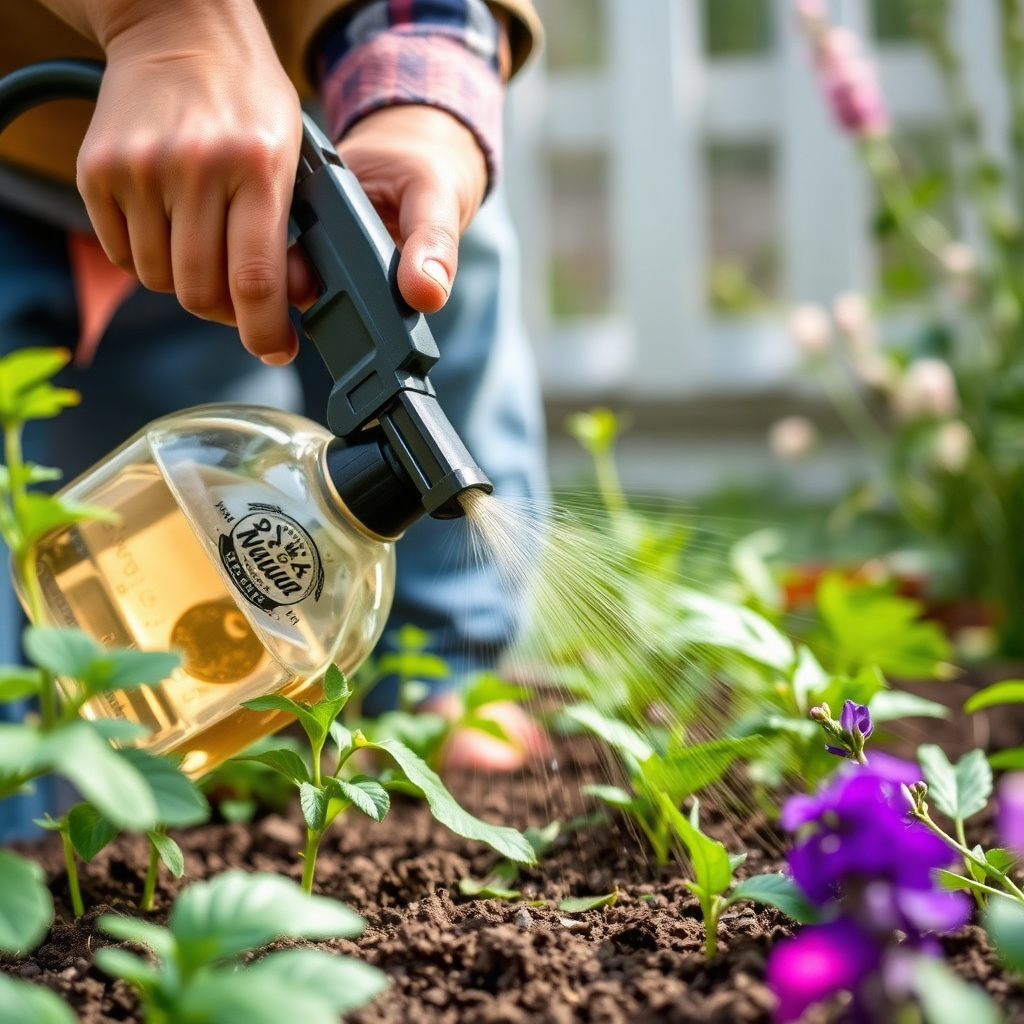
A popular natural remedy involves spraying plants with a 40%-60% milk to water mixture. Milk has antifungal properties that reduce powdery mildew severity after regular application.
Spray early in the day and repeat every 7 days during active mildew outbreaks. This low-cost option is safe for edible plants and beneficial insects.
- Mix 1 part milk with 2 parts water
- Spray on affected plants weekly
- Avoid during rain or high humidity
For more detailed information about the biology and types of powdery mildew, see the powdery mildew information on Wikipedia. powdery mildew information on Wikipedia.
Garlic and Oil-Based Sprays
Crushed garlic mixed with water and a small amount of horticultural oil can inhibit fungal growth due to garlic’s natural sulfur compounds.
This spray should be filtered and applied immediately to prevent plant burn. It is particularly effective when combined with pruning and sanitation for early mildew control.
- Blend several garlic cloves with water
- Add horticultural oil as emulsifier
- Apply weekly as needed
Powdery Mildew Treatment Options Comparison
Below is a comparison of common powdery mildew treatment categories highlighting effectiveness, application frequency, and cost.
| Treatment Type | Effectiveness | Application Frequency | Cost | Organic-Friendly |
|---|---|---|---|---|
| Synthetic Fungicides | High | 7-14 days | Moderate to High | No |
| Neem Oil | Moderate | 7 days | Moderate | Yes |
| Baking Soda Spray | Moderate | 5-7 days | Low | Yes |
| Milk Spray | Low to Moderate | 7 days | Low | Yes |
| Garlic Oil Spray | Moderate | 7 days | Low | Yes |
Frequently Asked Questions
How quickly does powdery mildew spread?
Powdery mildew can spread rapidly under warm, dry conditions, sometimes covering plants within a week. Early detection and treatment are key to controlling its spread.
Can powdery mildew harm humans or pets?
Powdery mildew primarily affects plants and poses minimal risk to human or pet health. However, fungal spores may cause minor allergic reactions in sensitive individuals.
Is it possible to completely eradicate powdery mildew?
While complete eradication is difficult, combining removal, environmental changes, and treatments can manage and significantly reduce powdery mildew presence long-term.
Does powdery mildew return every season?
Powdery mildew often recurs annually if environmental conditions favor it. Preventive measures such as resistant plants and good garden hygiene help minimize reappearance.
Are homemade remedies as effective as chemical fungicides?
Homemade remedies can effectively reduce powdery mildew severity, especially in early stages, but chemical fungicides generally provide more consistent control in heavy infections.
Key Takeaways
- Removing infected plant parts slows powdery mildew spread immediately.
- Combining treatment options improves success against mildew.
- Adjusting humidity and airflow is essential to mildews control.
- Preventing mildew with resistant plants reduces long-term problems.
Conclusion
Getting rid of powdery mildew requires a balanced approach that considers immediate infection control along with longer-term environmental and cultural practices. By removing affected plant parts early and applying targeted treatments, gardeners can reduce fungal pressure quickly. Managing factors like air circulation and humidity further limits mildew development. This integrated approach addresses both symptoms and root causes for sustained plant health.
When selecting a powdery mildew treatment, consider your specific garden conditions and plant types. Synthetic fungicides offer reliable control for severe infections, while organic options such as neem oil, baking soda sprays, and milk mixtures provide safer alternatives for edible or sensitive plants. Resistant cultivating varieties add preventive strength by reducing susceptibility. Tailoring methods to your needs allows for effective, environmentally mindful mildew management.
Start by inspecting your plants regularly and removing any infected growth. Choose treatments appropriate to your tolerance for chemicals and garden complexity. Improve plant spacing and airflow, and maintain clean tools to prevent repeat infections. Over time, combining these strategies will help maintain mildew-free plants and a thriving garden environment.