Understanding Cannabis Genotype: What It Means for Your Grow
A cannabis genotype is the unique genetic makeup of a cannabis plant that determines its physical characteristics, chemical profile, and growth patterns. It is the DNA blueprint inherited from the plant's parents that defines traits like yield, cannabinoid content, leaf shape, and flowering time. Unlike phenotype, which is the observable expression influenced by environment, genotype remains constant and is key to breeding and cultivation decisions.
Understanding cannabis genotype matters because it helps growers predict how plants will perform and what effects the final product will have. With clear knowledge of genotype, breeders can select parents to produce desired traits such as higher THC or CBD levels, specific aromas, or resistance to pests and diseases. This genetic insight is essential for consistent, high-quality crop production in both commercial and personal growing setups.
This article will explore the concept of cannabis genotype in detail, compare it to phenotype, review how genotypes affect cultivation outcomes, and highlight the role of genotype in breeding. We'll also discuss methods to identify genotypes and the impact of genetics on the final product's potency and effects.
What Is Cannabis Genotype and How It Differs From Phenotype

Defining Cannabis Genotype
Cannabis genotype refers to the plant's full set of genetic information encoded in its DNA. It includes all genes inherited from its parent plants and dictates the potential characteristics the plant can develop.
This genetic code controls everything from cannabinoid synthesis to leaf structure, growth rate, and environmental responses. The genotype serves as an internal guideline for how the plant will grow under ideal conditions.
Genotype Versus Phenotype
Phenotype is the observable expression of the genotype as influenced by the environment. For instance, two cannabis plants with identical genotypes may look different if grown with varying light, nutrient, or humidity conditions.
Phenotype shows what grows outwardly—colors, size, smell—while genotype is the unchanging genetic foundation underneath. Understanding this difference helps growers tailor their environment to express desirable traits.
The Role of Cannabis Genotype in Breeding and Cultivation
Selecting Traits Through Genotype
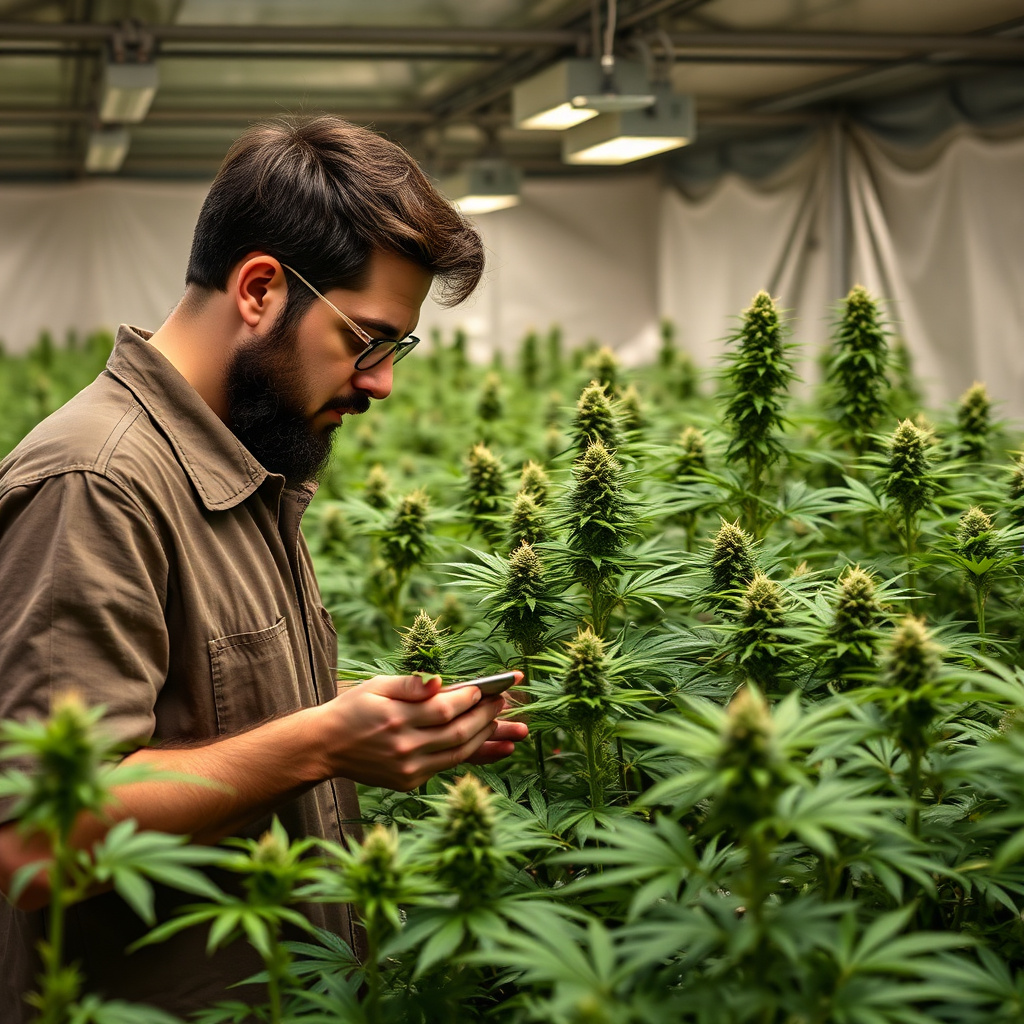
Breeders use knowledge of genotype to cross plants with complementary genetic traits, aiming to produce offspring with specific attributes such as higher THC, CBD, disease resistance, or particular terpene profiles.
By understanding the genotype, breeders can predict the likelihood of offspring inheriting desired features, improving the efficiency of developing new cannabis strains that fit market needs.
- Improved crop quality
- Greater trait consistency
- Targeted cannabinoid profiles
- Resistance to pests and diseases
Influence on Cultivation Outcomes
Growers familiar with their plants’ genotypes can better anticipate growth habits, flowering times, and yield potentials, adjusting their cultivation practices accordingly.
Genotype also informs nutrient and light requirements, helping optimize environmental conditions that coax the best phenotype expression for maximum potency and aesthetic appeal.
Techniques to Identify Cannabis Genotype

DNA Testing and Genetic Sequencing
Advanced labs perform DNA sequencing on cannabis samples to determine exact genotypes, identifying gene variants linked to cannabinoid production and growth characteristics.
This method provides precise data for breeders and growers looking to verify strain authenticity or target specific genetic traits.
- PCR analysis
- Whole-genome sequencing
- Marker-assisted selection
For more on this, see our related guide: Understanding the Difference Between Genotype and Phenotype.
Phenotypic Observations and Genetic Markers
While genetic testing is definitive, experienced growers also infer genotype through detailed phenotypic analysis combined with knowledge of genetic markers associated with common cannabis breeds.
Using observable traits alongside lab results helps create a comprehensive picture of the plant's genetic identity.
Impact of Genotype on Cannabinoid and Terpene Profiles

Genetic Determination of Cannabinoids
The genotype includes genes responsible for cannabinoid synthase enzymes, which determine how much THC, CBD, and other cannabinoids the plant produces.
Different genotypes can lead to vast differences in potency and medical or recreational effects, making genotype knowledge central to producing targeted products.
Genotype Influence on Terpene Production
Terpene profiles, responsible for aroma and flavor, are also genetically controlled. Genotypes predispose plants to synthesize specific sets of terpenes like myrcene, limonene, or pinene.
Growers aiming for particular scent or therapeutic qualities choose genotypes known for desired terpene signatures to meet consumer preferences.
Common Cannabis Genotype Categories Explained
Indica, Sativa, and Hybrid Genotypes
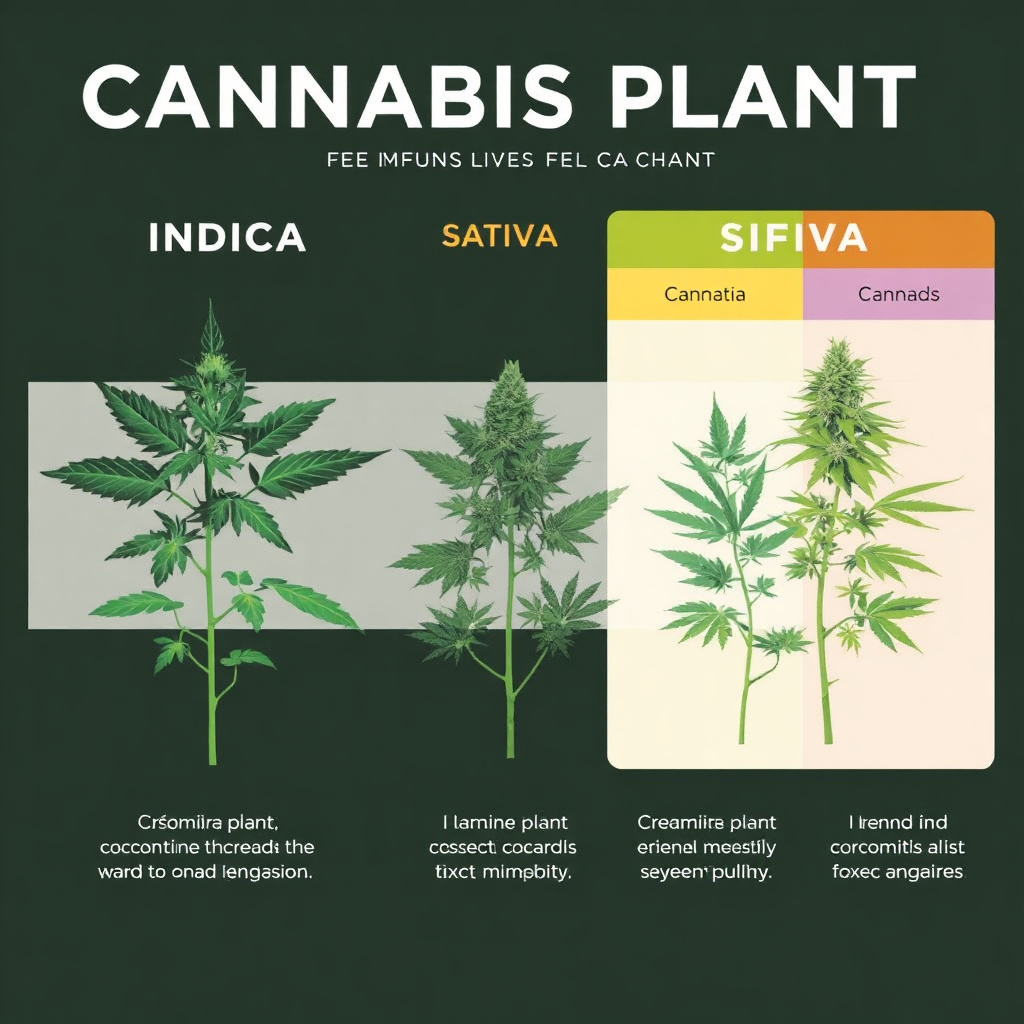
Cannabis genotypes are traditionally categorized into indica, sativa, and hybrid groups, each linked to distinctive growth characteristics and effects.
Indicas often have shorter, bushier plants with sedative effects, while sativas grow taller and tend to energize. Hybrids combine traits from both, tailored for specific outcomes.
- Indica: compact, relaxing
- Sativa: tall, uplifting
- Hybrid: mixed traits
For more on this, see our related guide: Cannabis Strain Lineage Explained: Understanding Origins and Genetics.
Landrace and Modern Genotypes
Landrace genotypes are original cannabis varieties adapted to their native regions for millennia, serving as pure genetic pools for breeding.
Modern genotypes result from extensive crossbreeding to develop novel traits, often optimized for higher yields or potency but less genetically stable.
How Environment Interacts With Cannabis Genotype
Environmental Effects on Phenotype Expression
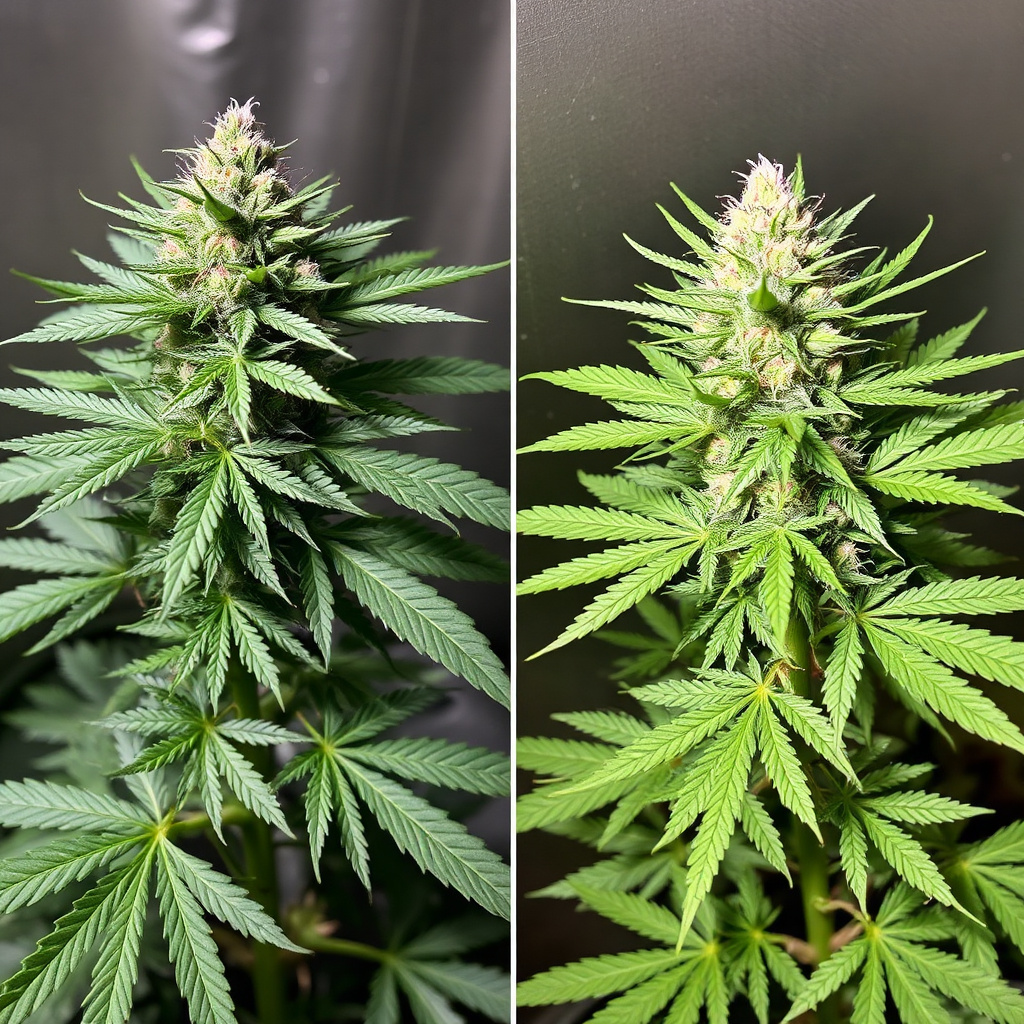
Temperature, light intensity, humidity, and nutrients shape how the genotype expresses as phenotype, affecting traits like bud density, color, and cannabinoid concentration.
Optimal environmental management is necessary to bring out the best traits encoded by the genotype for maximum quality.
For an in-depth overview of cannabis genetics, you can visit the Cannabis genetics page on Wikipedia. Cannabis genetics on Wikipedia.
Stability and Variability Within Genotypes
Not all genotypes express traits consistently; some show more phenotypic plasticity due to genetic diversity or heterozygosity.
Growers seeking uniform crops often select stable, inbred genotypes to reduce variability and improve predictability in harvests.
Cannabis Genotype Categories Comparison
Here's a comparison of common cannabis genotype categories highlighting their key traits and cultivation considerations.
| Genotype Category | Growth Traits | Typical Effects | Genetic Stability | Common Uses |
|---|---|---|---|---|
| Indica | Short, bushy, dense buds | Relaxing, sedative | High stability | Medicinal pain relief, night use |
| Sativa | Tall, sparse buds | Energizing, uplifting | Moderate stability | Daytime use, creativity boost |
| Hybrid | Variable growth | Balanced effects | Variable | General recreational and medicinal |
| Landrace | Adapted to native climate | Potency varies | High genetic purity | Breeding foundation |
| Modern Crossbreed | Optimized for yield/potency | Tailored effects | Less stable | Commercial production |
Frequently Asked Questions
What exactly is the difference between cannabis genotype and phenotype?
Genotype is the plant’s genetic code—the blueprint of inherited traits. Phenotype is how those traits actually appear in the plant based on genetics plus environmental factors.
Can two cannabis plants with the same genotype look different?
Yes, environmental conditions like light, nutrients, and temperature can cause plants with identical genotypes to display different appearances or growth habits.
How does knowing the genotype help cannabis breeders?
Knowing genotype allows breeders to predict which traits offspring will inherit and to combine genetic traits for improved potency, resistance, or yield.
Is genetic testing necessary for identifying cannabis genotypes?
While genetic testing provides precise information, experienced growers can often infer genotype by observing phenotype traits combined with known genetic markers.
Do genotypes affect the cannabinoid and terpene profiles of cannabis?
Yes, the production of cannabinoids and terpenes is genetically controlled. The genotype determines potential potency and aroma profiles.
Key Takeaways
- Cannabis genotype is the genetic blueprint governing plant traits and potential.
- Phenotype is how genotype expresses visually and chemically in different environments.
- Breeders use genotype knowledge to improve strain consistency and desired effects.
- Environment interacts with genotype, influencing growth outcomes and quality.
Conclusion
Making a sound choice regarding cannabis cultivation or breeding requires an understanding centered on the plant’s genotype. This genetic framework dictates everything from growth structure to chemical composition and is essential for forecasting how plants will perform. Cultivators and breeders who grasp genotype fundamentals can better manage their crops for predictable outcomes, improve product quality, and meet consumer demands effectively. Appreciating how genotype differs from phenotype clarifies the role genetics and environment play separately and together.
For those growing cannabis primarily to emphasize potent cannabinoid profiles or specific medicinal qualities, selecting strong, stable genotypes from indica, sativa, or hybrid lines is crucial. Breeders aiming to innovate our cannabis landscape rely on landrace genetics and modern crossbreeding strategies to develop new varieties with balanced traits. Understanding and choosing the right genetic category based on cultivation goals leads to more successful harvests with anticipated effects.
Ultimately, the next step involves applying genetic insights practically—whether through DNA testing for precise genotype identification or by observing phenotype traits aligned with desired genetics. Growers should continuously refine environmental controls to coax their plants’ genetics into full expression. By grounding decisions in genotype knowledge, whether for personal use or commercial cultivation, the path to consistent, high-quality cannabis becomes clearer and more attainable.