What Is a BX Seed? Understanding This Crucial Crop Resource
A BX seed refers to a specific type of seed derived from the BX maize variety, scientifically known as Zea mays BX. It represents genetic material used in agriculture to cultivate crops with particular traits like pest resistance or environmental tolerance. BX seeds are cultivated to improve crop productivity and sustainability.
The importance of BX seeds lies in their genetic makeup, which contributes to enhanced disease resistance, adaptability to climate conditions, and better yields. Farmers and plant breeders often use BX seeds to develop hybrids and maintain genetic diversity within crop species. This helps meet growing food demands while addressing environmental challenges.
In this article, we'll explore the nature of BX seeds, their origins in plant breeding, how they differ from other types of seeds, and their practical impact on agriculture. We will also discuss the advantages and challenges associated with using BX seeds and compare them to related seed types.
Origins and Genetic Background of BX Seeds
What Makes BX Seeds Unique
BX seeds come from a maize variety notable for its production of benzoxazinoids, chemical compounds that help deter pests and pathogens. This natural defense mechanism is what sets BX seeds apart from standard maize seeds, providing enhanced resistance without chemical pesticides.
These benzoxazinoid compounds not only protect the plant but also influence soil microbiomes and nutrient uptake. The unique genetic traits that allow BX seeds to produce these compounds have been identified through advanced plant breeding and genetic studies, making them a valuable resource in sustainable agriculture.
- Natural pest resistance through benzoxazinoids
- Impact on soil health and microbiomes
- Derived from specialized maize breeding lines
Historical Development of BX Seed Varieties
Researchers first identified the benzoxazinoid-rich maize varieties in the late 20th century as they searched for plants with built-in pest defense. These BX seeds have since been incorporated into breeding programs to develop resistant crop lines suitable for different agricultural regions.
Though initially a niche genetic trait, BX seeds have gained attention for their role in reducing chemical pesticide use and improving crop resilience. Breeding efforts continue to refine BX seed varieties to maximize yield and environmental benefit.
Practical Applications of BX Seeds in Agriculture
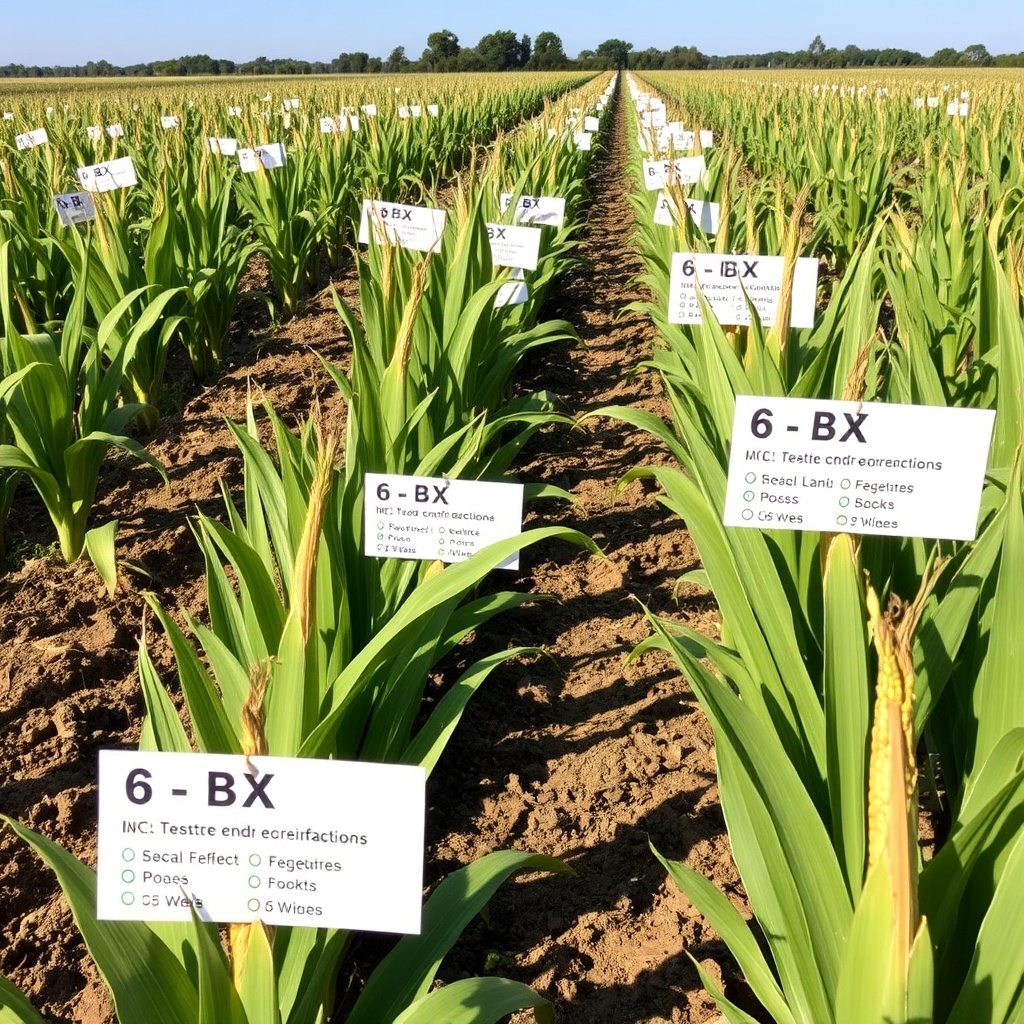
Use of BX Seeds for Pest Management
BX seeds naturally produce defensive chemicals that protect maize plants from common pests such as corn borers and rootworms. This capability reduces farmers' reliance on synthetic pesticides and contributes to more sustainable pest management strategies.
By integrating BX seeds into crop rotations and seed mixes, farmers can enhance overall field health and reduce pest population pressure over time. This biological approach supports organic and low-input farming systems by leveraging inherent plant defenses.
- Reduces pesticide dependence
- Supports integrated pest management
- Beneficial for organic farming practices
Enhancing Crop Yield and Stress Tolerance
BX seed varieties also show increased tolerance to environmental stresses like drought and soil nutrient deficiencies. Their biochemical traits enable better nutrient uptake and help the plants survive adverse conditions more effectively than conventional varieties.
Using BX seeds can lead to more stable yields in fluctuating climate scenarios, providing farmers with a reliable production base. This makes BX seeds a promising option in areas facing increasing environmental variability.
Comparison of BX Seeds with Conventional and Hybrid Seeds

Differences in Genetic Traits and Benefits
While conventional maize seeds focus mainly on yield and uniformity, BX seeds prioritize natural chemical defenses. Unlike many hybrids, BX seeds harness intrinsic biochemical pathways for pest resistance, representing a sustainable alternative to external chemical use.
However, BX seeds may not always match the yield potential of elite hybrids bred strictly for maximum production. The balance between natural defense traits and yield is a key consideration for farmers adopting BX seeds.
- BX seeds offer natural pest resistance
- Conventional seeds prioritize yield uniformity
- Hybrids may lack BX seed defensive traits
Suitability for Different Farming Systems
BX seeds fit well with organic and low-input systems due to their inherent pest resistance, whereas hybrid seeds dominate intensive conventional farming. The choice depends on specific farm goals, input availability, and environmental conditions.
Farmers aiming to reduce chemical use and boost ecological sustainability often prefer BX seeds, while those focused on maximum output might lean toward high-yield hybrids. Both seed types can coexist within diverse agricultural landscapes.
Seed Production and Quality Control for BX Seeds
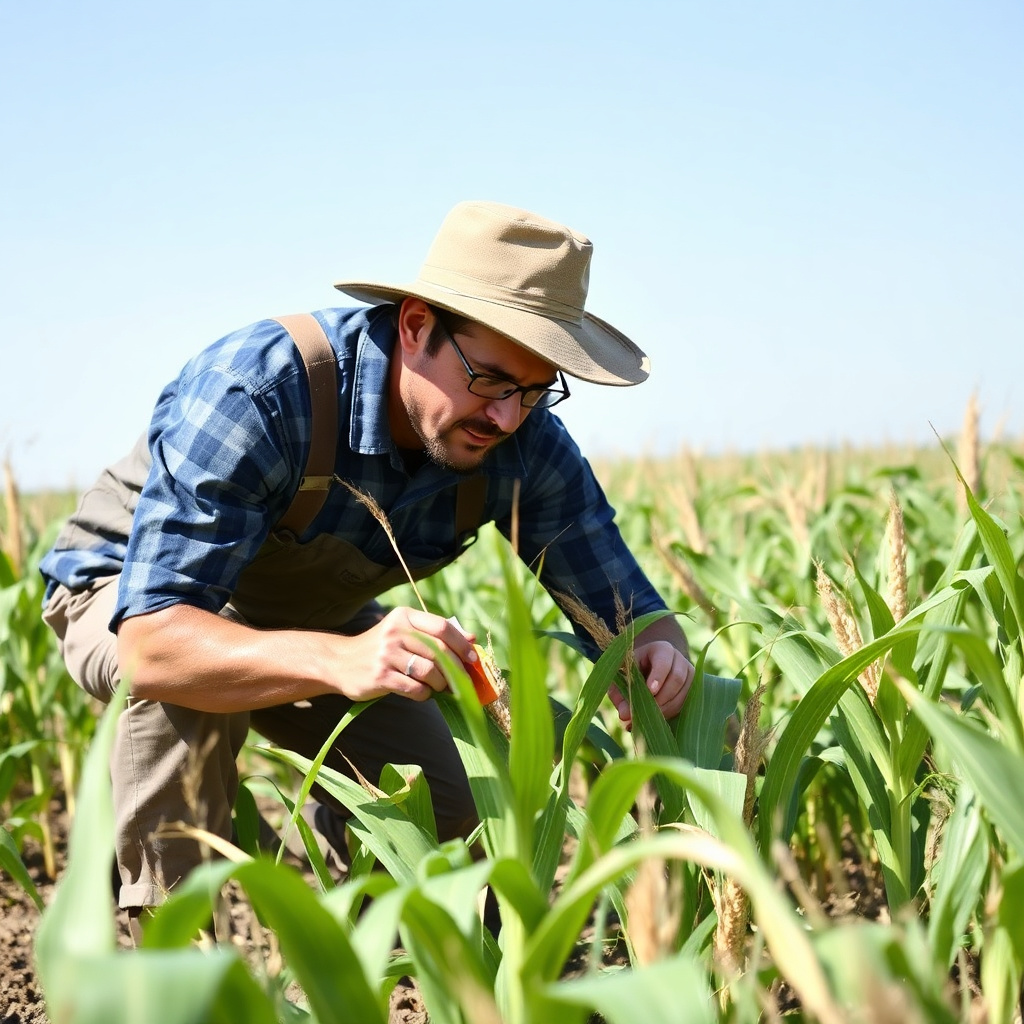
Maintaining Genetic Purity and Viability
Producing BX seeds requires strict control to preserve their unique genetic traits related to benzoxazinoid production. Isolation from other maize varieties during seed multiplication helps prevent cross-contamination and ensures seed performance.
Seed companies perform regular testing for chemical markers and genetic consistency before commercial release. Proper storage conditions are also critical to maintain seed viability and germination rates.
- Isolation during seed multiplication
- Genetic and chemical marker testing
- Controlled seed storage environments
Certification and Regulatory Considerations
BX seeds must meet national and international certification standards applicable to specialty maize varieties. Regulatory bodies assess seed quality, genetic identity, and biosafety implications due to their biochemical traits.
Certification provides assurance to farmers about seed authenticity and suitability for cultivating BX varieties. Compliance with these standards supports market acceptance and responsible seed use.
Environmental Impact and Sustainability Aspects of BX Seeds
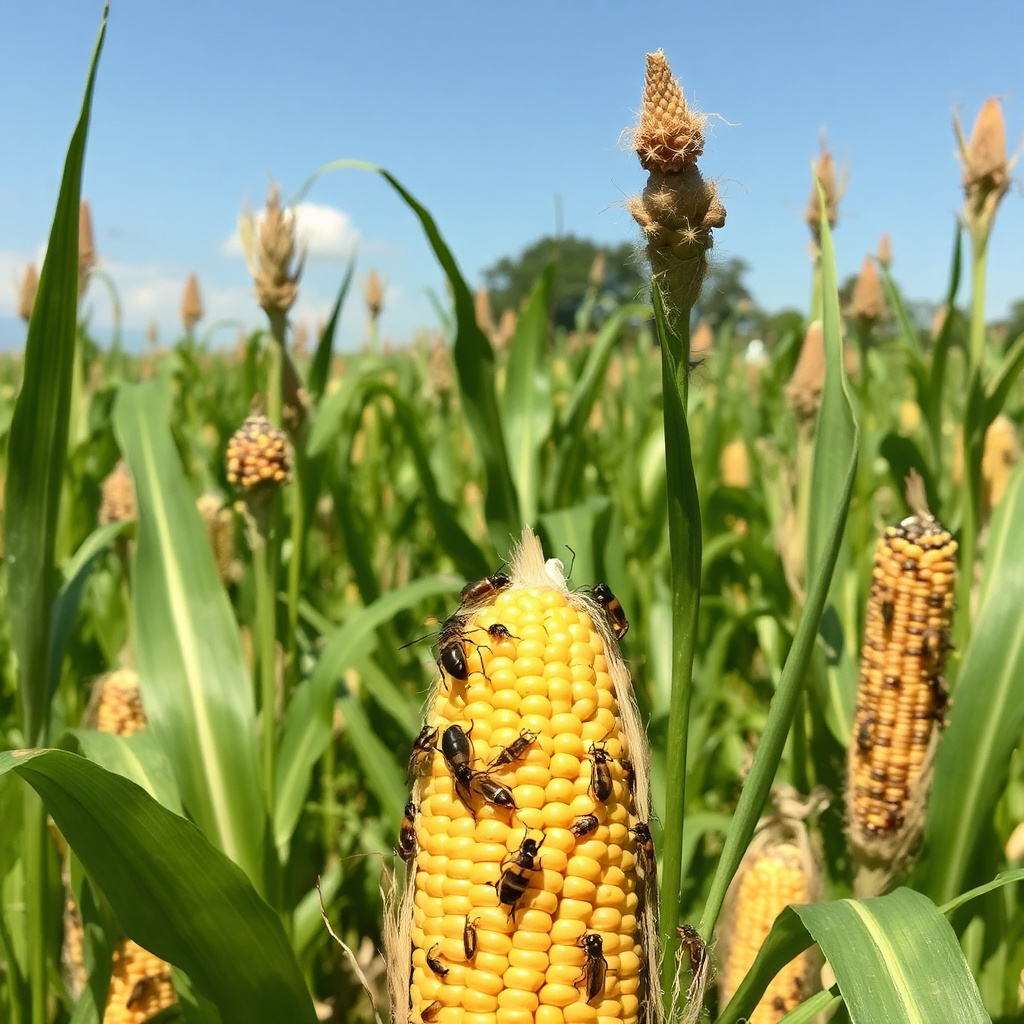
Reduced Chemical Inputs and Soil Health
BX seeds reduce the need for external insecticides by leveraging natural pest deterrents. This lessens chemical runoff and contamination, promoting healthier soils and nearby ecosystems.
Continued use of BX seeds contributes to sustainable soil management practices by supporting diverse soil organisms involved in nutrient cycling and crop health.
- Lower pesticide use
- Improvement in soil biodiversity
- Contribution to ecological balance
Challenges in Adoption and Monitoring
Despite benefits, BX seeds present challenges like monitoring potential impacts on non-target species and gene flow to wild relatives. Ongoing research examines how to maximize environmental benefits while minimizing risks.
Farmers adopting BX seeds must consider local ecosystems and cooperate with regulatory frameworks to maintain sustainability and environmental safety.
Future Research and Developments in BX Seed Technology
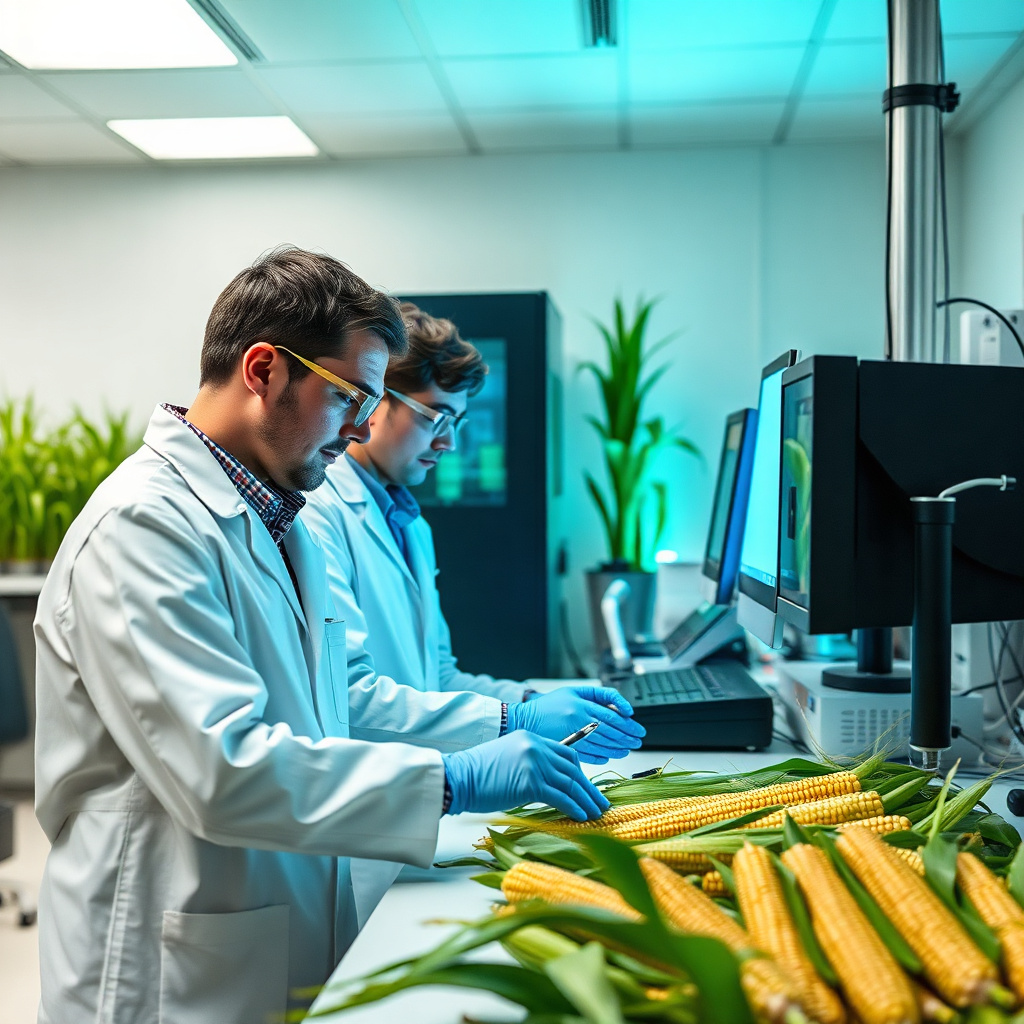
Genetic Enhancement of BX Traits
Current research aims to improve BX traits by identifying new gene variants and enhancing benzoxazinoid production through advanced breeding and gene-editing tools. This could further increase pest resistance and adaptability.
Efforts also focus on combining BX seed characteristics with other beneficial traits such as drought tolerance and nutrient efficiency to create multi-trait crop varieties.
To learn more about the chemical compounds produced by BX seeds, you can read about benzoxazinoids in maize. Benzoxazinoids in maize.
Expanding BX Seed Use to Other Crops
Scientists are exploring transferring BX-type chemical defense mechanisms to other crops beyond maize, which may open new opportunities in sustainable pest management across agriculture.
Pilot projects investigate the feasibility and safety of such biotechnology applications, aiming for broader crop protection solutions with reduced chemical dependencies.
BX Seeds Compared to Other Maize Seed Categories
Here’s a comparison of BX seeds with conventional and hybrid maize seeds across key performance and usage criteria.
| Seed Type | Pest Resistance | Yield Potential | Suitability | Chemical Input Requirement |
|---|---|---|---|---|
| BX Seeds | High (natural compounds) | Moderate | Organic, low-input systems | Low |
| Conventional Seeds | Low to moderate | Moderate to high | General farming | Moderate to high |
| Hybrid Seeds | Low | High | Intensive conventional farming | High |
| GMO Bt Seeds | Very high (engineered) | High | Commercial insect-prone areas | Low to moderate |
Frequently Asked Questions
Are BX seeds genetically modified organisms (GMOs)?
BX seeds are not necessarily GMOs; they are maize varieties selected or bred for natural production of benzoxazinoids, though genetic modification techniques could be used to enhance such traits in some cases.
Can BX seeds be used in organic farming?
Yes, BX seeds are suitable for organic farming because they rely on natural pest resistance mechanisms and tend to reduce the need for synthetic pesticides.
Do BX seeds guarantee higher yields?
BX seeds provide improved pest resistance and stress tolerance, which can support stable yields, but they may not consistently surpass the maximum yields of specially bred hybrid seeds.
How do BX seeds affect the environment compared to conventional seeds?
BX seeds reduce chemical pesticide use, fostering healthier soil biodiversity and lower environmental contamination, contributing positively to sustainable agriculture.
Where can farmers source BX seeds?
Farmers can obtain BX seeds through specialized seed distributors and companies involved in maize breeding programs focused on sustainable agriculture.
Key Takeaways
- BX seeds produce natural benzoxazinoids that confer built-in pest resistance.
- They support sustainable agriculture by reducing chemical pesticide use.
- BX seeds are well-suited for organic and low-input farming systems.
- Ongoing research aims to enhance BX traits and expand applications.
Conclusion
Understanding what a BX seed is involves recognizing its role as a maize seed variety producing natural defensive chemicals that protect crops from pests and environmental stress. The decision to use BX seeds should consider their unique genetic traits, which contribute to ecosystem health and pest management. Farmers must balance these traits against yield goals and farming system requirements while appreciating the broader impact BX seeds bring to agricultural sustainability.
For those prioritizing reduced chemical inputs and environmental resilience, BX seeds offer an attractive alternative to conventional and hybrid seeds. These seeds fit particularly well within organic and regenerative farming where natural pest management is essential. However, farmers focused on maximum yield might still prefer hybrids or genetically engineered seeds, depending on their local conditions and production priorities. BX seeds fill an important niche, enhancing biodiversity and supporting healthier agroecosystems.
If you are exploring options for next planting seasons, consider evaluating BX seed varieties if you want a crop that naturally manages pests and stresses without heavy chemical inputs. Consult local agricultural extension services and seed suppliers familiar with BX seeds to understand availability and compatibility with your farm's conditions. Testing BX seed performance alongside other seed categories can help determine the best fit for your goals and contribute to longer-term farming sustainability.