How to Find Your Hardiness Zone for Successful Gardening
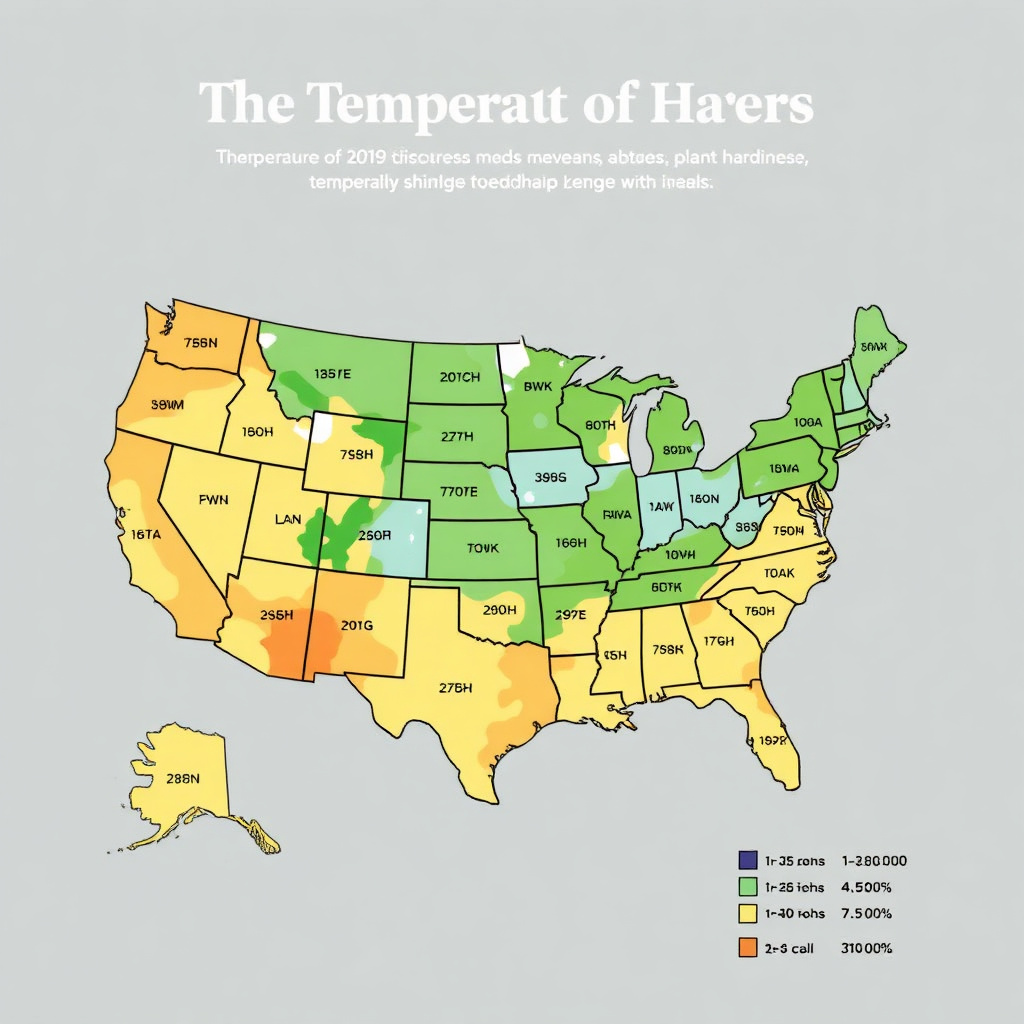
To find your hardiness zone, start by identifying your local climate zone using your ZIP code or geographic location on a plant hardiness map, which classifies regions based on minimum winter temperatures. Governments like the USDA provide these maps, helping gardeners understand which plants can survive in their area.
Knowing your hardiness zone matters because it guides your plant selection to ensure they thrive through seasonal temperature extremes. If plants are chosen outside their recommended zones, they can suffer damage or fail to survive, impacting your garden's durability and productivity.
This article will explain what hardiness zones are, how to find yours using available resources, and how understanding your zone supports better gardening decisions. We'll also cover differences between various hardiness zone systems and practical tips for applying this knowledge in your garden.
What Are Hardiness Zones and Why Do They Matter?
Definition of Hardiness Zones
Hardiness zones categorize regions by their average annual minimum winter temperatures. This classification helps gardeners and farmers predict which plants can survive the coldest months in each region. The USDA Hardiness Zone Map is one of the most widely used standards in the United States.
Each zone represents a 10-degree Fahrenheit temperature range, with subdivisions like 6a or 6b indicating 5-degree increments. This granularity allows for more precise plant selection tailored to local winter conditions.
Importance for Plant Selection
Selecting plants suited to your hardiness zone reduces the risk of winter damage or failure to thrive. Even a few degrees difference can mean some species won't survive a cold snap or frost.
Understanding your zone ensures your garden remains vibrant year after year, minimizes replacement costs, and supports healthy ecosystems by matching plants to their natural temperature ranges.
How to Find Your Hardiness Zone Effectively
Using Online Tools and Maps
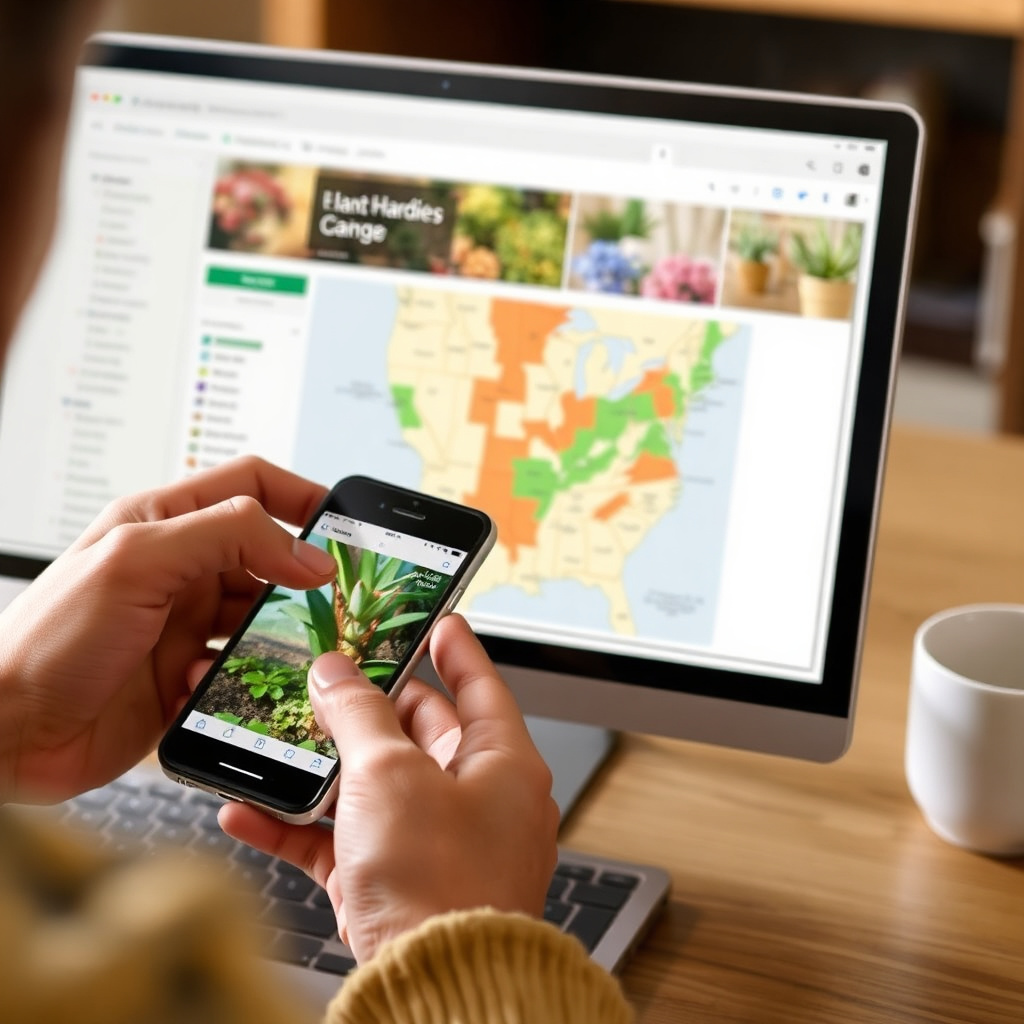
Online plant hardiness maps allow quick zone identification by entering your ZIP code or city name. The USDA provides an interactive map that updates periodically to reflect recent climate data, offering reliable zone information.
Some gardening websites and agricultural extensions provide additional maps that incorporate microclimate data, elevation, and regional variations, making it easier to pinpoint your exact hardiness zone.
- USDA Plant Hardiness Zone Map website
- Local extension service portals
- Specialized gardening apps
Checking Local Climate Records
If online tools are inaccessible, local weather stations or agricultural offices often provide climate data detailing historical minimum temperatures. Using this data, a simple calculation or consultation with local experts can estimate your zone.
This method is particularly useful in rural or mountainous areas where national maps may not capture small-scale climate conditions accurately.
Different Hardiness Zone Systems Around the World
USDA vs. Canadian Hardiness Zones
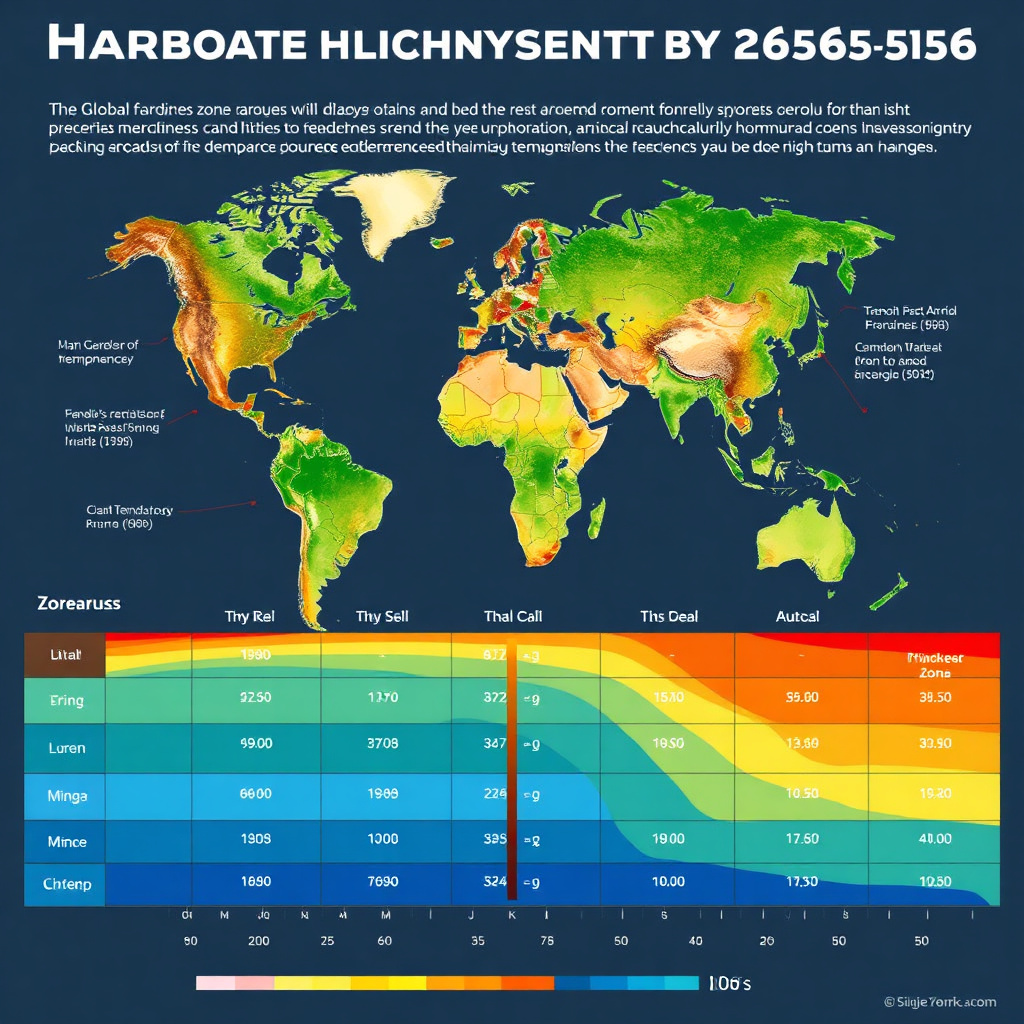
The USDA Hardiness Zone Map is widely recognized in the U.S. and parts of Canada, but Canada also uses a modified system incorporating additional climatic factors like summer heat and precipitation.
Canadian zones tend to focus on plant survival in extreme winters but also indicate suitability based on other environmental stresses, offering a more complex evaluation than USDA zones.
For more on this, see our related guide: Best Time to Plant Marigold Seeds.
International Hardiness Systems
Other countries use different standards; Europe, for example, employs the Royal Horticultural Society (RHS) hardiness ratings, which combine temperature ranges with moisture and soil conditions.
Global gardeners or those buying plants internationally should be aware of these variations to translate recommended zones and ensure plant compatibility.
Applying Your Hardiness Zone to Gardening Choices
Choosing Trees, Shrubs, and Perennials
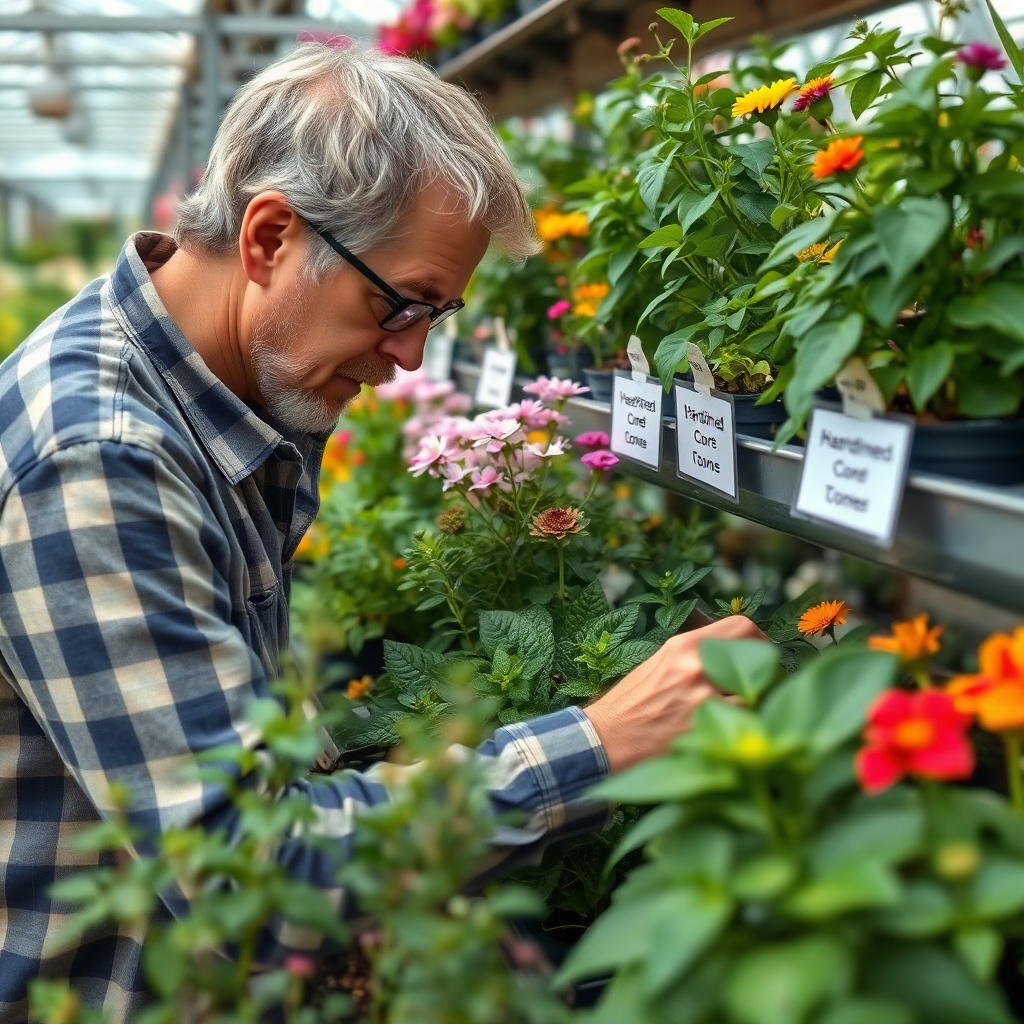
Once you know your hardiness zone, select plants rated for your zone or ones that tolerate colder zones to ensure they can withstand winter lows. Many plant tags and catalogs include recommended zones, making selection straightforward.
Opting for species slightly more cold-hardy than your zone offers a buffer for unexpected cold spells, increasing garden resilience without sacrificing plant diversity.
Using Hardiness Zones with Microclimates
Local microclimates such as south-facing slopes, urban heat islands, or sheltered gardens can create warmer areas within your hardiness zone. Adjust plant choices accordingly by considering these localized conditions.
Testing plant performance in microclimates can expand your gardening options beyond the strict limits indicated by the broader zone information.
Common Challenges When Using Hardiness Zones
Limitations of Minimum Temperature Focus
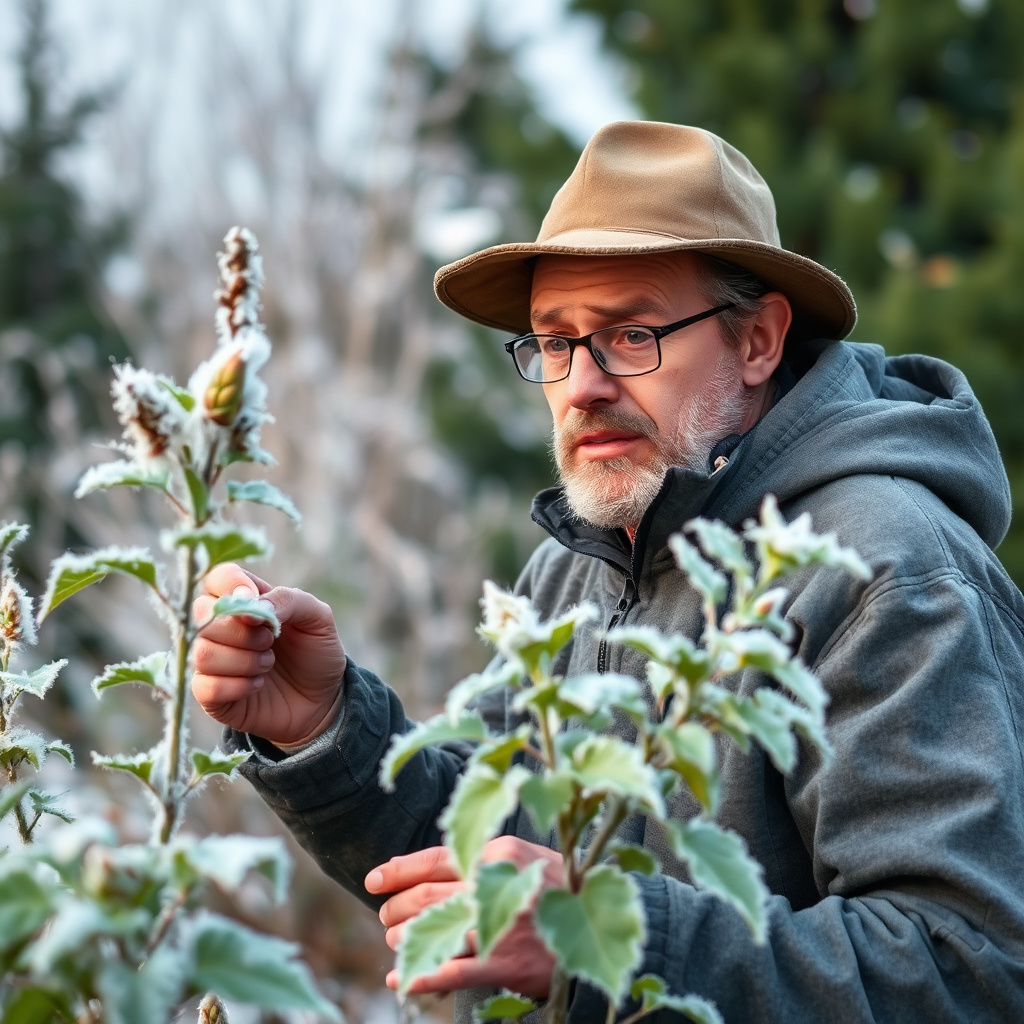
Hardiness zones primarily address minimum winter temperatures and don’t account for other factors like soil quality, humidity, summer heat, or sudden temperature swings that affect plant health.
Relying solely on zones can lead to disappointment if plants suffer from conditions outside temperature tolerance, requiring gardeners to consider additional environmental factors.
For more on this, see our related guide: Best Seeds to Grow a Thriving Garden in 2026.
Changes Due to Climate Variability
Climate change causes shifts in average temperatures and extreme weather, leading to zone adjustments over time. Updates to hardiness maps reflect these changes, but gardeners should monitor ongoing trends to adapt planting strategies.
Unexpected freezes or warming trends mean gardeners may need to be flexible and experiment with plants suited for neighboring zones.
Additional Tips for Using Your Hardiness Zone Information
Documenting Your Garden’s Performance
Keeping records of plant survival and performance relative to your hardiness zone helps refine your gardening choices year after year. Note any anomalies caused by weather or microclimates.
This practice builds practical knowledge tailored to your specific site beyond generic zone guidelines.
- Track planting and harvest dates
- Record temperature extremes and plant responses
- Note soil and moisture conditions
A reliable source to find your exact zone is the USDA Plant Hardiness Zone Map, which is regularly updated to reflect climate shifts. USDA Plant Hardiness Zone Map.
Consulting Local Gardening Communities
Local gardeners and horticultural clubs often have experience with plants that perform well near your hardiness zone. Engaging with these communities provides insights into successful varieties and care techniques.
Such networks complement hardiness zone maps by incorporating local experience and practical advice.
- Join local gardening groups
- Participate in seed swaps
- Visit botanical gardens for plant ideas
Comparison of Major Hardiness Zone Systems
This table compares key features of popular hardiness zone systems used worldwide to help understand their differences.
| System | Temperature Range | Region | Additional Climate Factors |
|---|---|---|---|
| USDA Hardiness Zones | -60°F to 70°F (-51°C to 21°C) | USA, parts of Canada | Focuses on minimum winter temperature only |
| Canadian Plant Hardiness Zones | -50°F to 50°F (-45°C to 10°C) | Canada | Includes summer heat and moisture considerations |
| RHS Hardiness Ratings | -20°F to 60°F (-29°C to 16°C) | UK and Europe | Considers soil, moisture, and exposure |
| Australian Hardiness Zones | Varies widely due to climate diversity | Australia | Includes frost frequency and drought sensitivity |
Frequently Asked Questions
Can hardiness zones change over time?
Yes, hardiness zones can shift due to climate change and global warming, which affect minimum winter temperatures and weather patterns. Updated maps are released periodically to reflect these changes.
Are hardiness zones the same as climate zones?
No, hardiness zones focus only on minimum winter temperatures affecting plant survival, while climate zones consider a broader range of factors like rainfall, humidity, and temperature throughout the year.
Can I grow tropical plants in a cold hardiness zone if I protect them?
Some tropical plants can survive in colder zones if properly protected from frost, such as by using greenhouses, mulch, or indoor overwintering, but their long-term outdoor survival is generally limited.
How accurate are online plant hardiness maps?
Online maps like the USDA tool are quite accurate for general guidance but may not reflect local microclimates or extreme weather events, so use them alongside local knowledge.
Do hardiness zones apply to indoor plants?
Hardiness zones mainly guide outdoor plant survival. Indoor plants are less affected by outdoor temperatures but may suit certain zones if moved outdoors seasonally.
Key Takeaways
- Your hardiness zone is determined by minimum winter temperatures in your area.
- Using a plant hardiness map helps select plants that can survive your local climate.
- Different countries have varied hardiness zone systems with unique factors.
- Consider local conditions and microclimates alongside hardiness zones for best results.
Conclusion
Finding your hardiness zone forms a foundational step toward successful gardening by matching plants with winter temperature tolerances suited to your area. Since hardiness zones reflect long-term climatic averages rather than exact daily conditions, combining zone knowledge with observations of your garden’s specific situation—such as soil moisture, sunlight, and wind exposure—enables more informed decisions that promote durable plant health. Using trusted resources like the USDA plant hardiness map or local agricultural extensions can provide reliable guidance tailored to your region.
When selecting plants, focus on those rated for your hardiness zone or colder, especially for perennials, trees, and shrubs that must survive winter months. For example, gardeners in zone 6 might choose zone 5-hardy roses or berries for extra protection, while those in milder zones can experiment with more tender varieties. Additionally, awareness of microclimates allows expanding or refining plant choices, ensuring you make the most of localized warmth or shelter. Be mindful of other environmental factors like soil type and summer temperatures to achieve lasting garden success.
To apply this knowledge practically, start by checking an updated plant hardiness map for your area and gather local climate data if possible. Next, explore plant options labeled with suitable zone ratings when shopping or ordering seeds. Keep garden notes over seasons to track what thrives, allowing you to adjust plant selections over time. Engaging with local gardeners or extension offices adds valuable firsthand insights. By combining zone information with observation and community knowledge, your garden will flourish reliably through seasonal changes.