What Is CBG? Understanding Cannabigerol and Its Benefits
CBG, or cannabigerol, is a non-psychoactive cannabinoid found in cannabis plants. It is often called the “mother of cannabinoids” because it serves as the chemical precursor from which other cannabinoids like THC and CBD are synthesized. Unlike THC, CBG does not cause a high but may offer various therapeutic effects.
Researchers are increasingly interested in CBG due to its reported properties such as anti-inflammatory, antibacterial, and neuroprotective effects. While it naturally appears in smaller quantities compared to CBD or THC, its unique benefits could complement existing cannabinoid therapies or serve new health purposes.
This article will explain what CBG is, its role in the cannabis plant, its potential health benefits, legal considerations, how it compares to other cannabinoids, and advice for those considering CBG products. By understanding CBG better, you can make informed decisions about its use.
The Basics of What Is CBG and Its Role in Cannabis
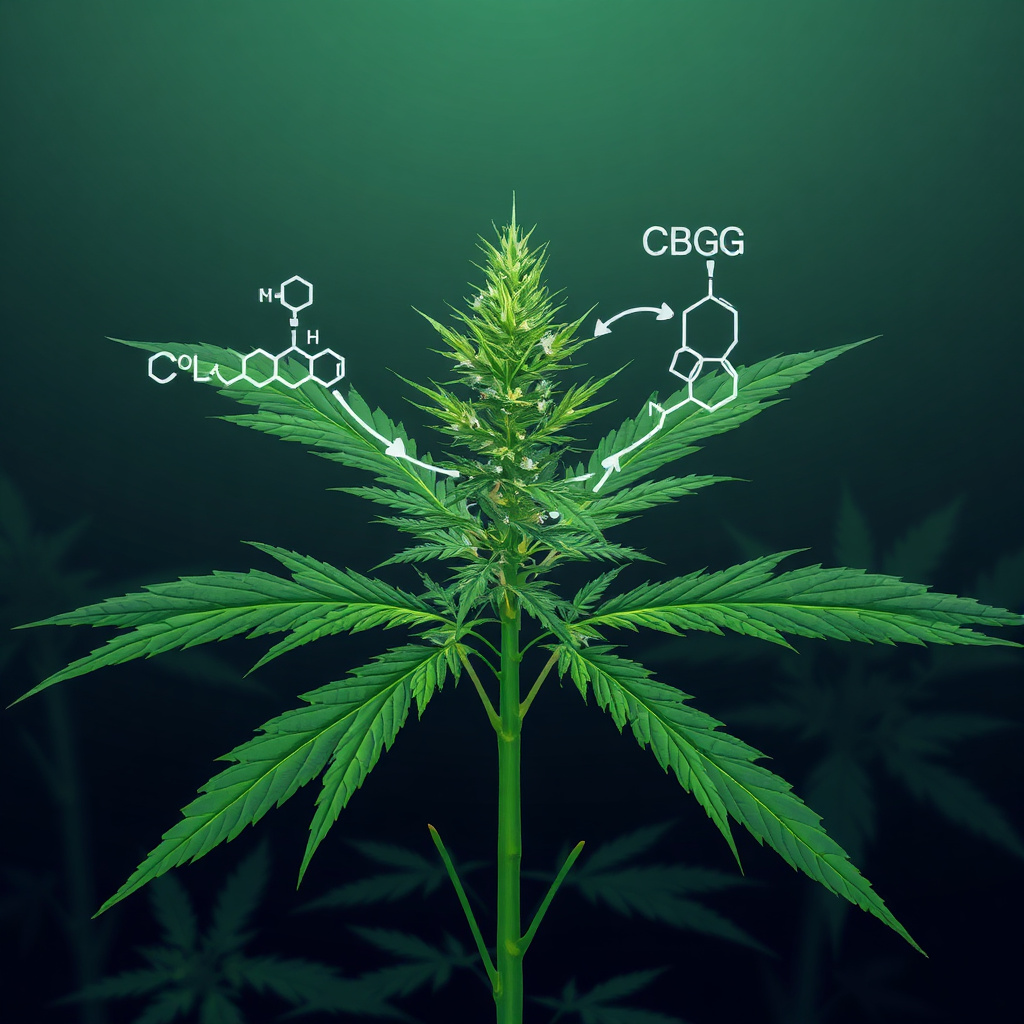
What is Cannabigerol (CBG)?
Cannabigerol (CBG) is a type of cannabinoid, chemical compounds naturally produced by the cannabis plant. It is considered non-intoxicating, so it doesn’t produce the high associated with THC. Its main significance lies in being the precursor molecule to other cannabinoids through enzyme reactions.
During the cannabis plant’s growth, CBGA (the acidic form of CBG) breaks down into THCA, CBDA, and CBCA, which then become THC, CBD, and CBC. Because of this, the amount of CBG typically found in mature plants is comparatively low.
How CBG Develops During the Cannabis Life Cycle
Cannabis plants primarily produce CBGA in their early stages. As the plant matures, enzymes convert CBGA into other cannabinoids. This explains why CBG concentrations in harvested cannabis are generally low, often less than 1%.
Selective breeding and harvesting techniques can influence CBG levels. Some growers cultivate strains rich in CBG by harvesting earlier or using specialized genetics to maintain higher CBG percentages.
- Plants produce CBGA early on
- Enzymatic conversion reduces CBG over time
- Special strains can have up to 10% CBG
Understanding the Potential Health Benefits of CBG

Anti-Inflammatory and Neuroprotective Properties
CBG has shown promise as an anti-inflammatory agent in laboratory studies. It appears to reduce inflammation by interacting with the body’s endocannabinoid system, which regulates immune and neurological functions.
Initial research suggests CBG may protect nerve cells and support brain health, making it a candidate for treating neurodegenerative diseases. However, these effects require more clinical trials to confirm safety and effectiveness.
Antibacterial and Appetite-Stimulating Effects
Some studies reveal that CBG exhibits antimicrobial properties, showing effectiveness against certain antibiotic-resistant bacteria. This highlights its potential as a novel antibacterial agent.
Unlike THC, which can strongly stimulate appetite, CBG may moderately enhance appetite without intoxication, possibly benefiting those with appetite loss from illness or treatment.
CBG vs CBD: Key Differences and Uses

Chemical and Physiological Differences
Both CBG and CBD are cannabinoids but differ chemically and functionally. CBG is the precursor to CBD, and while both do not create a high, their interaction with receptors varies. CBG binds primarily to CB1 and CB2 receptors, while CBD influences receptor activity indirectly.
This difference affects how each cannabinoid interacts with the body’s systems, contributing to diverse therapeutic possibilities.
For more on this, see our related guide: How to Read Cannabis Strain Descriptions to Find Your Perfect Match.
Practical Applications of CBG and CBD
CBD is widely used for anxiety, pain relief, and sleep support, with many products already available on the market. CBG, although less common, is gaining attraction for its unique benefits like neuroprotection and antibacterial properties.
Choosing between CBG and CBD depends on the health goal. Some prefer a combination of both for synergistic effects, but availability and price can be factors as CBG is costlier to extract.
- CBD for anxiety and pain
- CBG for neuroprotection and antibacterial
- Combined use for enhanced effects
How to Use CBG Safely and Effectively

Popular CBG Product Types
CBG is available in various forms including tinctures, capsules, vape cartridges, and topicals. Each type offers different onset times and duration of effects. For example, tinctures provide gradual absorption, while vaping offers rapid effects.
Choosing a product form depends on personal preference, desired speed of effects, and specific health needs.
- Tinctures for controlled dosing
- Vapes for quick relief
- Topicals for localized use
Dosage and Safety Considerations
Because clinical data is still emerging, start with a low dose of CBG and increase gradually while monitoring effects. It’s wise to consult with a healthcare provider, especially if taking other medications.
Side effects appear minimal but can include dry mouth or dizziness. Long-term safety is not yet fully understood, so caution is advised.
- Begin with low doses
- Consult healthcare professionals
- Watch for mild side effects
Legal Status and Market Availability of CBG
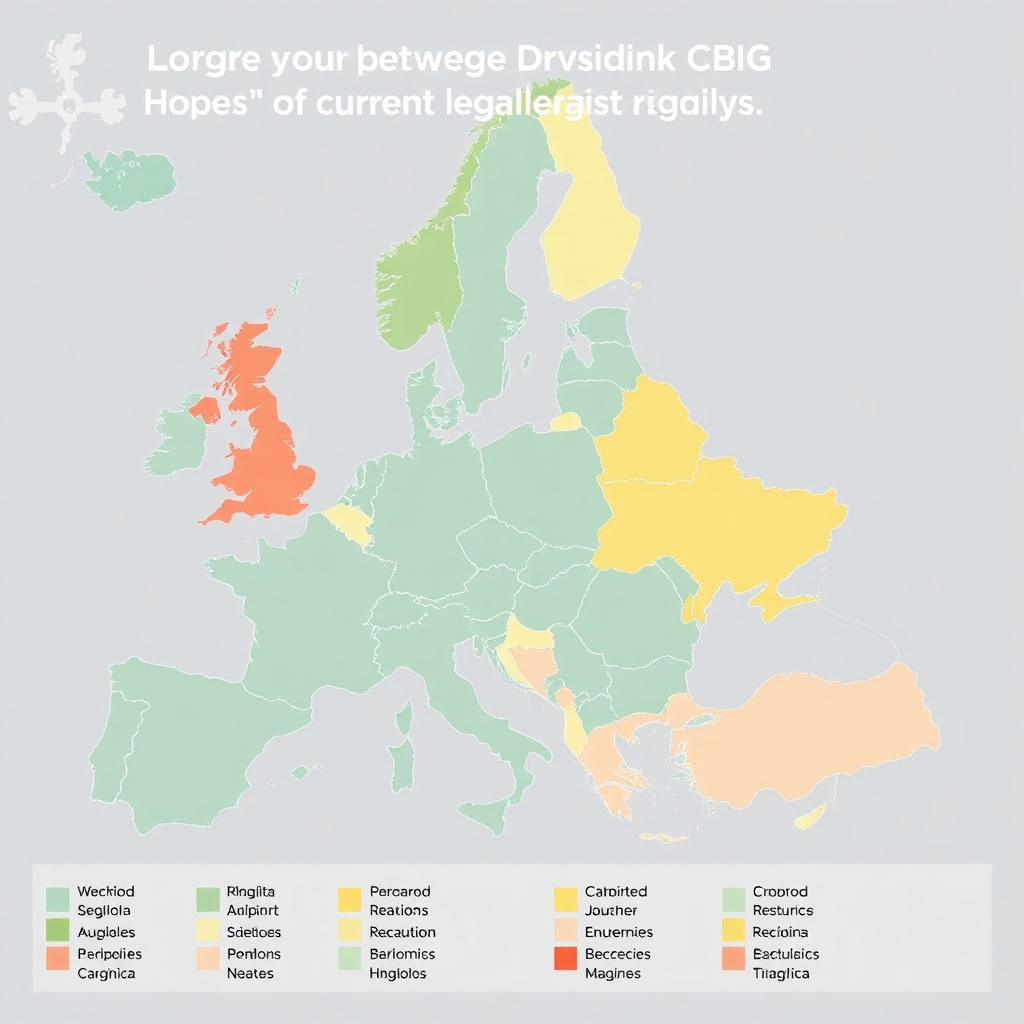
Legality in Different Regions
CBG’s legal status varies and often depends on its source. If derived from hemp (with less than 0.3% THC), it is generally legal in many countries including the US. However, regulations differ widely and are subject to change.
Imported and synthetic CBG may face stricter controls, so staying informed about local laws before purchasing or using CBG products is necessary.
For more on this, see our related guide: What Makes a Cannabis Strain Unique: Key Factors Explained.
Availability and Industry Trends
The market for CBG products is growing as consumer interest rises. Expect more strains bred for high CBG content, as well as increased product offerings from reputable brands.
Despite growth, CBG remains niche compared to CBD, resulting in higher prices and limited large-scale production currently.
Evaluating CBG Products: Quality and Labeling

Checking for Third-Party Lab Testing
Reliable CBG products include third-party lab results verifying cannabinoid content and absence of contaminants like pesticides or heavy metals. Certificates of analysis (COAs) should be accessible and up to date.
Lab testing assures consumers they receive the potency and purity claims made on packaging.
- Look for recent COAs
- Confirm cannabinoid percentages
- Check for contaminant screening
For a detailed scientific overview, see the Cannabigerol entry on Wikipedia. Cannabigerol on Wikipedia.
Understanding Product Label Information
Labels should clearly state CBG concentration per serving, ingredient list, recommended dosage, and batch numbers. Be cautious with vague terms or unverified health claims.
Knowing how to read labels helps distinguish between high-quality products and those that may deliver inconsistent results.
- Concentration per serving
- Ingredient transparency
- Dosage instructions
Comparison of Common Cannabinoid Categories
This table compares four major cannabinoids based on psychoactivity, typical concentration, and common therapeutic uses.
| Cannabinoid | Psychoactive Effect | Typical Plant Concentration | Common Therapeutic Uses |
|---|---|---|---|
| CBG | Non-psychoactive | Low (<1%) | Anti-inflammatory, antibacterial, neuroprotective |
| CBD | Non-psychoactive | Moderate to High (5-20%) | Anxiety relief, pain management, sleep support |
| THC | Psychoactive | Moderate to High (5-25%) | Pain relief, appetite stimulation, euphoria |
| CBC | Non-psychoactive | Low (<1%) | Analgesic, anti-inflammatory, mood improvement |
Frequently Asked Questions
Is CBG legal to buy and use?
CBG derived from hemp containing less than 0.3% THC is legal in many regions, including the U.S., but laws vary and may change. Always verify local regulations before purchasing or using CBG products.
Will CBG get me high?
No, CBG is non-psychoactive and does not produce the intoxicating effects associated with THC. It interacts with receptors differently and is mainly sought for therapeutic benefits.
How much CBG should I take?
Dosage depends on the product and individual needs. It is recommended to start with a low dose and gradually increase, consulting a healthcare professional where possible.
Can I combine CBG with other cannabinoids?
Yes, combining CBG with CBD or THC can enhance potential benefits through the entourage effect, although individual responses vary and require careful dosing.
Are there any side effects of CBG?
Side effects are generally mild and may include dry mouth and dizziness. Since research is ongoing, long-term safety is not yet fully established.
Key Takeaways
- CBG is a non-psychoactive cannabinoid and precursor to other cannabinoids.
- It shows potential for anti-inflammatory, neuroprotective, and antibacterial effects.
- CBG differs from CBD in chemical action and usage but can complement it.
- Product quality varies; look for third-party lab testing and clear labels.
Conclusion
Understanding what CBG is involves recognizing its unique place as both a precursor cannabinoid and a potential therapeutic compound. Choosing CBG products requires attention to quality, legality, and individual health goals. Its non-psychoactive nature makes it an attractive option for those seeking benefits without intoxication, but solid clinical evidence is still emerging.
For people interested in anti-inflammatory or neuroprotective effects, high-CBG strains or CBG-rich tinctures offer promising options, especially when combined with CBD's broader applications for pain and anxiety. Given its limited availability and higher extraction costs, CBG is best suited for those focused on specific conditions or experimental supplementation rather than general use.
Next steps include researching trustworthy brands, consulting health professionals, and starting with low doses to assess personal response. As the market and science progress, CBG may become a mainstream cannabinoid contributing to comprehensive cannabis-based wellness strategies.