What Is Decriminalization? Understanding Its Meaning and Impact
Decriminalization means removing criminal penalties for certain acts, though these acts may still carry civil fines or regulatory consequences. It is a legal change where behaviors once punishable by jail time or severe punishment are no longer treated as crimes but may not be fully legal either. For example, some places decriminalize possession of small amounts of certain drugs, so offenders avoid arrest or jail but might face a fine.
This concept matters because it reflects a shift in policy focused more on reducing harms associated with criminal punishments rather than fully approving the behavior. Decriminalization differs from legalization, which permits the activity under regulated frameworks. Decriminalization often aims to reduce negative social effects like prison overcrowding, stigma, and barriers to social services, while still discouraging the behavior.
This article breaks down what decriminalization entails, including key distinctions from related terms, how it functions across different legal systems, examples from around the world, and the pros and cons debated by policymakers and communities.
Legal Definition and Nuances of Decriminalization

What Does Decriminalization Legally Mean?
Decriminalization refers to the removal of criminal sanctions for certain behaviors, replacing them with civil penalties or none at all. Offenders may no longer face imprisonment or criminal records but could still encounter fines or warnings administered by regulatory authorities.
This legal change reduces the burden on the criminal justice system and attempts to treat such behaviors more like regulatory infractions rather than crimes, though without fully legitimatizing them.
Difference Between Decriminalization and Legalization
Decriminalization stops treating acts as criminal offenses but does not legalize them, meaning these acts remain technically illegal but without severe penalties. Legalization, however, removes legal prohibitions, allowing the activity with rules and regulation.
For example, some regions decriminalize drug possession, avoiding criminal charges but still prohibiting it; others legalize it, establishing frameworks for sale and use.
- Decriminalization: No criminal charges; possible fines
- Legalization: Fully legal with regulatory control
- Decriminalization does not create legal markets
- Legalization often involves taxes and licensing
Historical and Global Contexts of Decriminalization

Origins and Evolution of Decriminalization Policies
Decriminalization has roots in movements to reform harsh drug laws and reduce the impact of mass incarceration, starting notably in the 20th century. Countries began reassessing criminal penalties as evidence mounted on social harms caused by strict enforcement.
Portugal’s landmark 2001 decriminalization of all drugs’ possession is one of the earliest modern cases, influencing debates globally by showing potential benefits including lowered incarceration and improved public health outcomes.
Current Examples Across the World
Several jurisdictions decriminalize drug possession or sex work, among other acts. Some U.S. states, like Oregon, have decriminalized certain controlled substances. Similarly, some European countries focus on non-criminal fines instead of arrests for possession.
These varying approaches reflect different social attitudes, legal traditions, and policy aims, providing a broad landscape for how decriminalization functions today.
Social and Economic Implications of Decriminalization

Impact on Public Health and Social Services
By removing criminal penalties, decriminalization can reduce stigma and encourage individuals to seek health and social support without fear of arrest. It often pairs with harm reduction programs to lower disease transmission and overdose deaths.
This shift aligns efforts toward treating substance use or other behaviors as public health issues rather than moral failings requiring punishment.
Economic Effects and Criminal Justice Savings
Decriminalizing certain offenses typically reduces costs related to policing, court proceedings, and incarceration. These savings can be redirected to prevention, treatment, and education programs, generating long-term community benefits.
However, concerns remain about enforcement consistency and the potential rise in some activities if penalties lessened significantly.
Challenges and Critiques Surrounding Decriminalization

Common Concerns and Opposition Arguments
Critics argue decriminalization might encourage increased use or participation in once-criminal behaviors and lead to public safety issues. Skepticism also exists about whether civil penalties suffice as deterrents.
Some worry that without robust regulatory frameworks, decriminalization can create grey areas where behaviors remain socially problematic yet legally ambiguous.
Legal and Policy Complexities
Switching to decriminalization requires carefully designed laws to balance enforcement with public health goals. Conflicts between different government levels and unclear guidelines may cause inconsistent application.
Additionally, comprehensive evaluation mechanisms and community education campaigns are vital to support the transition and address unforeseen challenges.
Decriminalization in Practice: Case Studies

Portugal’s Model: Decriminalizing Drug Possession
Portugal’s 2001 decision to decriminalize all drugs for personal possession led to notable declines in drug-related deaths and HIV infections. The country treats possession as an administrative matter rather than criminal prosecution.
Its success depends on coupling decriminalization with investments in treatment, counseling, and social reintegration, showing how legal change alone isn’t sufficient without support structures.
Other Significant Examples
Some U.S. cities decriminalize small amounts of marijuana or psychedelics, focusing on reducing arrests and prosecutions that disproportionately affect marginalized communities. Similarly, New Zealand decriminalized abortion but kept various controls intact.
Each case shows unique adaptations to local legal culture and public attitudes while illustrating potential models for other regions.
How to Understand the Difference Between Decriminalization and Legalization
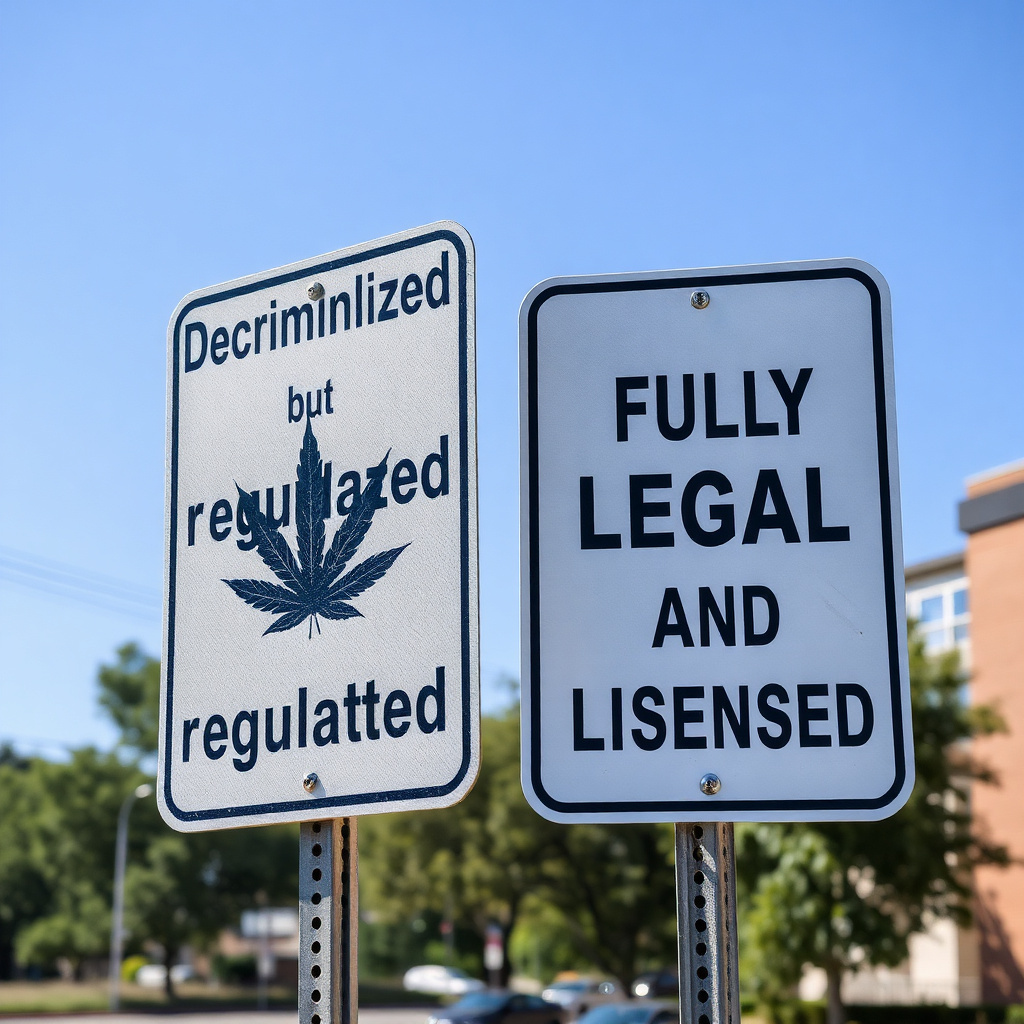
Legal Status and Enforcement Differences
Decriminalization removes criminal penalties but does not establish legal markets or full permissions. It often shifts enforcement emphasis toward civil fines or warnings, maintaining prohibition in a softened form.
Legalization abolishes prohibitions, replacing them with regulated systems that cover production, distribution, and consumption, allowing legal businesses and tax revenues.
- Decriminalization focuses on reducing punishment intensity
- Legalization creates authorized frameworks for use
- Decriminalization avoids criminal records for minor offenses
- Legalization can generate economic opportunities
Social Perspectives on Each Approach
Public opinion often differs between these two approaches due to perceived moral and safety concerns. Decriminalization may gain wider acceptance as a harm reduction tool compared to legalization, which some view as promoting use.
Understanding these nuances helps clarify policy debates and the varied implications for law enforcement, health systems, and communities.
Future Directions and Trends in Decriminalization

Emerging Policy Shifts
Growing recognition of the limits of criminalization has spurred interest in decriminalization in new sectors, such as sex work and minor traffic violations. Policymakers are analyzing data from early adopters to plan reforms.
This evolving landscape suggests a trend toward approaches prioritizing social welfare, though the pace and scale vary widely across countries.
For an in-depth overview of decriminalization, its history, and examples worldwide, see decriminalization on Wikipedia. decriminalization on Wikipedia.
Potential Innovations and Research Areas
Future policies might integrate digital tools for monitoring civil penalties or improve community-based alternatives to traditional policing. Research continues to assess long-term social outcomes, equity impacts, and best practices for implementation.
Engagement with affected communities remains key to developing effective, socially just decriminalization frameworks.
Types of Legal Reforms: Decriminalization vs. Legalization vs. Criminalization
Explore how these legal categories differ regarding policy aims, penalties, and societal effects in the table below.
| Category | Legal Status | Penalties | Regulation Level | Social Impact |
|---|---|---|---|---|
| Decriminalization | Acts are illegal but criminal penalties removed | Civil fines or warnings | Low to none | Reduces prison populations; stigma lessened |
| Legalization | Acts are legal under regulation | No penalties when laws followed | High — licenses, taxes | Economic benefits; normalizes behavior |
| Criminalization | Acts are illegal and punished by law | Criminal charges; imprisonment possible | None | Deterrent effect; increased incarceration |
Frequently Asked Questions
Does decriminalization mean the act is fully legal?
No, decriminalization means the act is no longer subject to criminal prosecution but may still be illegal and subject to fines or other civil penalties.
How is decriminalization different from legalization?
Decriminalization removes criminal penalties but doesn't create a legal market or regulate the act, whereas legalization allows legal use under a regulated system.
Can decriminalization reduce prison populations?
Yes, decriminalization often leads to fewer arrests and convictions, decreasing the number of people incarcerated for minor offenses.
Are there risks to decriminalizing certain activities?
Some worry it may increase usage or create enforcement ambiguities, but outcomes depend heavily on implementation and accompanying policies.
What are common examples of decriminalized acts?
Commonly decriminalized acts include possession of small amounts of drugs, certain traffic violations, and in some places, sex work or public drinking.
Key Takeaways
- Decriminalization removes criminal penalties but does not legalize the behavior.
- It aims to reduce harm and criminal justice burdens without fully permitting the act.
- Portugal’s drug policy is a well-known example of effective decriminalization.
- Understanding legal distinctions aids in following policy debates and reforms.
Conclusion
When deciding how to approach offenses once met with criminal penalties, it helps to carefully weigh the benefits of decriminalization against its limitations. This policy reduces arrests and incarceration for minor infractions, addressing social and economic harms caused by overly punitive systems. It reframes certain behaviors more as public health or regulatory matters than criminal acts, easing barriers to treatment and social support. The approach reflects a balance between tolerance and control, providing space for alternative interventions without full legalization. Understanding these nuanced effects can guide informed positions on reform efforts.
In specific contexts, such as drug possession or minor regulatory infractions, decriminalization has demonstrated measurable benefits. Portugal’s model illustrates how coupling decriminalization with comprehensive social services yields positive outcomes, including declines in drug-related deaths. Other regions adopting forms of decriminalization focus on reducing enforcement disparities and prison overcrowding. Conversely, legal markets like those created by legalization generate significant economic activity and government revenues but bring distinct regulatory challenges. Depending on community goals and values, policymakers must consider whether prioritized aims better align with decriminalization’s harm reduction or legalization’s regulated acceptance frameworks.
For readers exploring how decriminalization fits into broader policy landscapes, beginning with local laws and ongoing reforms offers practical insight. Assessing the difference between decriminalization and legalization is crucial before advocating changes or complying with regulations. Observing outcomes from jurisdictions experimenting with these frameworks provides valuable examples. Whether aiming to support reform, protect public health, or simply understand current law, grounding knowledge in these distinctions empowers thoughtful engagement with evolving legal and social norms.