How to Choose a Seed Bank: A Practical Guide for Quality and Reliability
Selecting the right seed bank starts with verifying its reputation, seed quality, and range of available varieties. The best seed banks offer genetically stable seeds, clear information on germination rates, and ensure secure, discreet shipping. Checking reviews and certifications can also prevent disappointment and wasted investment. This direct approach helps gardeners and cultivators find reliable sources without unnecessary trial and error.
Choosing the right seed bank matters because seed quality directly affects germination success and plant health. A trustworthy bank guarantees fresh, viable seeds, while avoiding poor-quality or counterfeit products can save time and resources. The variety available can influence your gardening choices, so understanding how to assess seed collections is key for both novice and experienced growers.
This article will cover essential factors in choosing a seed bank, including quality control, variety diversity, shipping policies, customer support, payment options, and legal considerations. Knowing these aspects allows readers to make informed decisions aligned with their growing needs and local regulations.
Evaluating Seed Quality and Genetic Stability

Seed Viability and Germination Rates
A reliable seed bank provides verifiable germination rates to indicate the percentage of seeds expected to sprout. This figure helps gauge seed freshness and viability, crucial factors for a successful planting season. Some banks conduct regular germination tests and update information accordingly, reflecting commitment to quality.
Purchasing seeds with low germination rates can lead to poor plant yields and wasted effort. Look for banks that transparently display this data and offer replacements if germination falls below an advertised threshold.
- Check for updated germination test results
- Ask about seed storage conditions
- Verify seed batch numbers for traceability
Assessing Genetic Stability and Authenticity
Genetic stability ensures seeds produce plants true to their described traits, such as growth habit, yield, and resistance to pests. Seed banks sourcing from reputable breeders or maintaining strict quality controls reduce the risk of genetic drift or mislabeling.
Consumers should look for banks that clearly state seed origins and breeding history. Certificates of authenticity or third-party lab tests further verify genuine genetics, especially for rare or heirloom varieties.
- Request information about seed lineage
- Look for third-party laboratory certifications
- Choose banks with breeder partnerships
Variety Selection and Seed Types
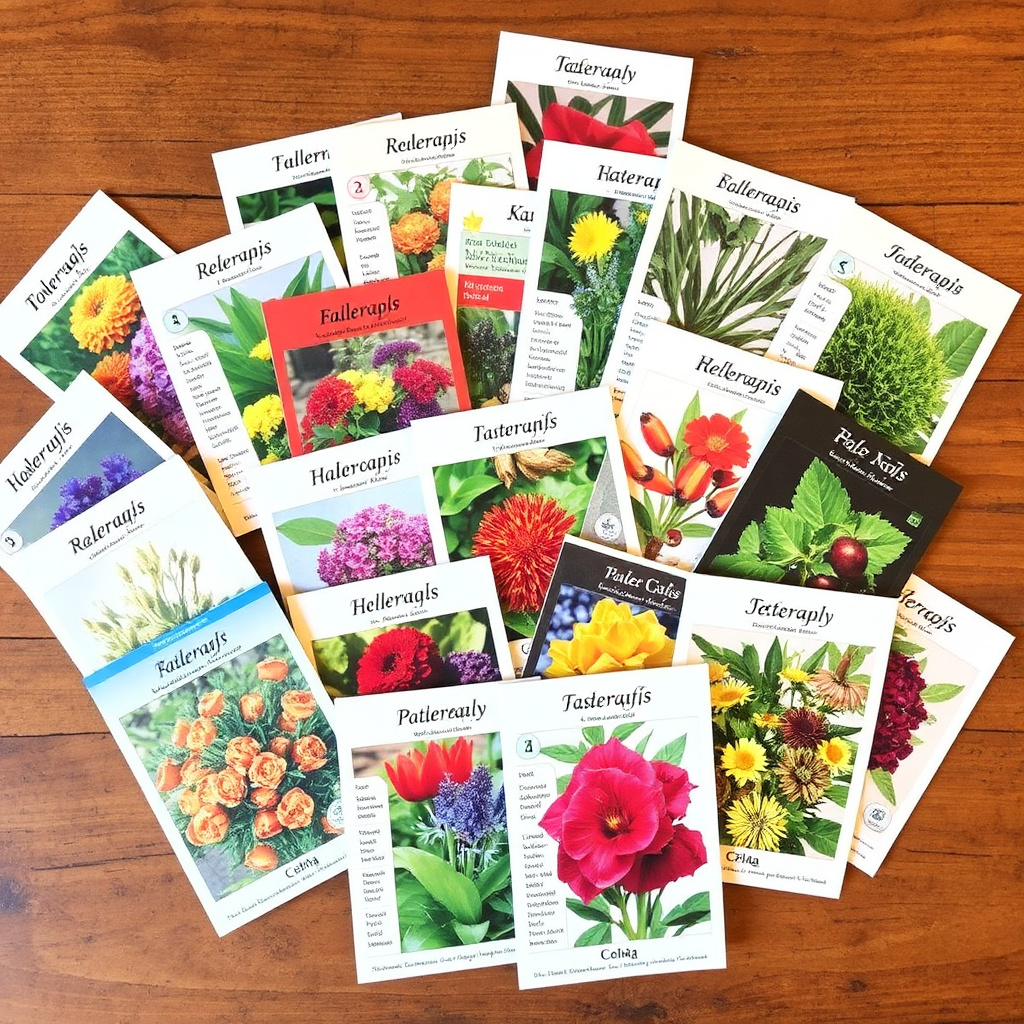
Diversity of Strains and Varieties
A broad selection helps gardeners find seeds that fit their climate, preferences, and purposes, whether for ornamental, culinary, or medicinal plants. Good seed banks categorize varieties by type, origin, growth habit, and difficulty to guide buyers effectively.
When choosing, consider if the bank carries both common and rare varieties, especially if you seek specific traits or local adaptability. Exclusive or heirloom collections may indicate a focus on conservation and quality.
- Search for detailed strain descriptions
- Verify availability of both seeds and clones if applicable
- Check for seasonal or region-specific options
For more on this, see our related guide: Cannabis Seed FAQ: Answers to Your Most Common Questions.
Seed Types: Feminized, Auto-Flowering, and Regular
Different seed types serve unique growing needs. Feminized seeds produce only female plants, ideal for maximizing flowering potential. Auto-flowering seeds mature without light cycle changes, simplifying cultivation. Regular seeds offer genetic diversity but may yield males, requiring more grower attention.
When selecting seed types, your experience level and cultivation goals will influence the best choice. Reputable seed banks clearly label and explain these differences to help customers pick the right type.
- Identify seed type on product labels
- Understand growth requirements for each type
- Consider your cultivation setup compatibility
Shipping Policies and Legal Considerations

Discreet and Secure Shipping Practices
Reliable seed banks use discreet packaging to protect customer privacy and avoid legal issues during shipment. They may also offer tracking options to monitor the parcel's progress and guarantee confidentiality.
Understanding shipping timeframes and customs procedures is vital, particularly for international orders. Delays or seizures can affect seed viability, so selecting banks familiar with destination country regulations enhances success.
- Inquire about packaging methods
- Check for tracking availability
- Review estimated delivery times
Navigating Legal Restrictions and Compliance
Seed legality varies worldwide; some species or varieties may be restricted or controlled in certain regions. Reputable seed banks provide clear guidance about legal compliance and may restrict sales accordingly.
Before ordering, make sure you understand your local laws regarding seed importation and cultivation. Banks that educate customers on compliance reduce the risk of legal complications.
- Confirm seed legality in your area
- Look for disclaimers on restricted strains
- Consult local governmental agricultural resources
Customer Service and Payment Options

Availability and Responsiveness of Support
Good seed banks provide timely, knowledgeable customer service to address questions about products, shipping, and germination advice. Channels may include email, phone, or live chat, facilitating clear communication.
Prompt responses and professional support indicate a trustworthy company. Reading past customer experiences can reveal how well the bank handles concerns or resolves issues.
- Check for multiple contact methods
- Test response time with inquiries
- Review customer testimonials
For more on this, see our related guide: How to Store Seeds Long Term for Maximum Viability and Freshness.
Secure Payment Methods and Privacy
Offering multiple payment options benefits convenience and buyer protection. Seed banks commonly accept credit cards, PayPal, cryptocurrencies, or bank transfers. Secure, encrypted transactions protect sensitive data during payment.
Transparency on payment security and refund policies helps build trust. Banks that clearly explain these aspects reduce hesitations during purchase.
- Verify SSL encryption on checkout pages
- Look for clear refund and privacy policies
- Consider availability of anonymous payment options
User Reviews and Reputation Analysis

Researching Independent Reviews and Forums
External user feedback provides real-world insights into seed bank reliability, shipping efficiency, and seed viability. Online forums, social media, and review platforms often share unfiltered experiences from other growers.
Pay attention to recurring patterns in feedback, such as consistent delays or seed performance complaints. Balanced research helps weed out biased or fake reviews.
- Use multiple sources for reviews
- Distinguish verified from anonymous feedback
- Look for detailed accounts over simple ratings
For more detailed background on seed banks and their functions, see the seed bank overview on Wikipedia. Seed bank overview on Wikipedia.
Checking Industry Certifications and Awards
Some seed banks earn industry recognition or certifications that demonstrate commitment to standards, such as organic certifications or breeder association memberships.
These accolades often reflect investment in quality assurance and ethical sourcing. Verifying claims with official certifications can add confidence beyond customer reviews.
- Research certifications relevant to your seed types
- Explore breeder or association memberships
- Look for awards that validate quality claims
Seed Bank Categories Comparison
This table compares different seed bank categories based on quality, variety, shipping, and legal considerations to help pinpoint the right choice.
| Category | Seed Quality | Variety Range | Shipping Options | Legal Guidance |
|---|---|---|---|---|
| Specialty Boutique Banks | Exceptional (high genetic purity) | Limited but unique heirlooms | Discreet, international | Detailed compliance info |
| Large Commercial Banks | Good to excellent | Extensive mainstream varieties | Fast global shipping | General legal disclaimers |
| Regional/Niche Seed Banks | Varies by region | Adapted local varieties | Regional or national only | Focused on local laws |
| Online Marketplaces | Mixed quality control | Wide variety from multiple sellers | Varies by seller | Buyer responsible for legality |
Frequently Asked Questions
How can I verify a seed bank's legitimacy before buying?
Check independent customer reviews, ask for germination guarantees, confirm the bank's history and breeder affiliations, and look for certifications indicating quality and authenticity.
What seed type is best for beginners?
Auto-flowering seeds are usually ideal for beginners due to their easy growth cycle without light schedule changes, reducing complexity in cultivation.
Are seed banks legally allowed to ship internationally?
Legal permission varies by country and seed type; reputable seed banks comply with customs regulations and provide guidance on what seeds can be shipped to each location.
How important is discreet packaging when ordering seeds?
Discreet packaging helps maintain privacy and avoid legal scrutiny during shipment, especially in regions with strict seed import regulations.
Can I return seeds if they don’t germinate?
Many trustworthy seed banks offer germination guarantees or replacement policies if seed viability falls below their stated rates, but terms vary and should be reviewed beforehand.
Key Takeaways
- Prioritize seed viability and confirmed germination rates
- Choose banks with clear genetic stability and seed origin info
- Evaluate variety selection for compatibility with your goals
- Consider shipping privacy and legal compliance carefully
Conclusion
Choosing a seed bank hinges on balancing quality, variety, and reliability tailored to your gardening ambitions. By focusing on seed viability and genetic authenticity, you can avoid pitfalls like poor germination or mislabeling. Evaluate customer feedback and certifications to gain a fuller picture of a bank's reputation. Shipping and legal compliance aspects play a significant role too, especially if ordering internationally or specialized varieties. A methodical approach incorporating these criteria ensures your seeds give plants the best start possible.
For those seeking rare or heirloom seeds, specialty boutique seed banks offer highly stable, carefully sourced genetics with detailed strain information. If access to a wide variety at faster delivery speeds is a priority, larger commercial banks or reputable online marketplaces may better suit your needs, although you should verify their quality assurance processes. Beginners benefit from choosing feminized or auto-flowering seeds from trusted sellers that provide germination guarantees and responsive customer support to ease the learning curve.
Once you’ve identified top seed banks using the guidelines here, the next step is to test small orders to gauge their service and seed performance firsthand. This allows you to build confidence in your supplier with minimal risk. Additionally, stay informed about regulations affecting seed importation in your area to avoid legal complications. Careful research and proactive engagement with seed banks will help you find a dependable source for high-quality seeds that foster thriving gardens.