What Is Vermiculite? Understanding This Versatile Mineral
Vermiculite is a naturally occurring mineral that expands when heated, creating lightweight, porous flakes useful in agriculture, horticulture, and construction. It primarily serves as a soil amendment and insulation material due to its excellent water retention and thermal properties.
Its ability to hold moisture while improving soil aeration makes vermiculite valuable for plant growth, especially in seed starting and container gardening. Additionally, its fire-resistant and insulating characteristics have led to widespread use in building materials.
This article explores vermiculite’s formation, physical properties, and several practical applications. It will also guide readers through how to identify vermiculite, compare it with similar minerals, and present safety considerations when using it.
Origins and Physical Properties of Vermiculite
Formation and Mineral Composition
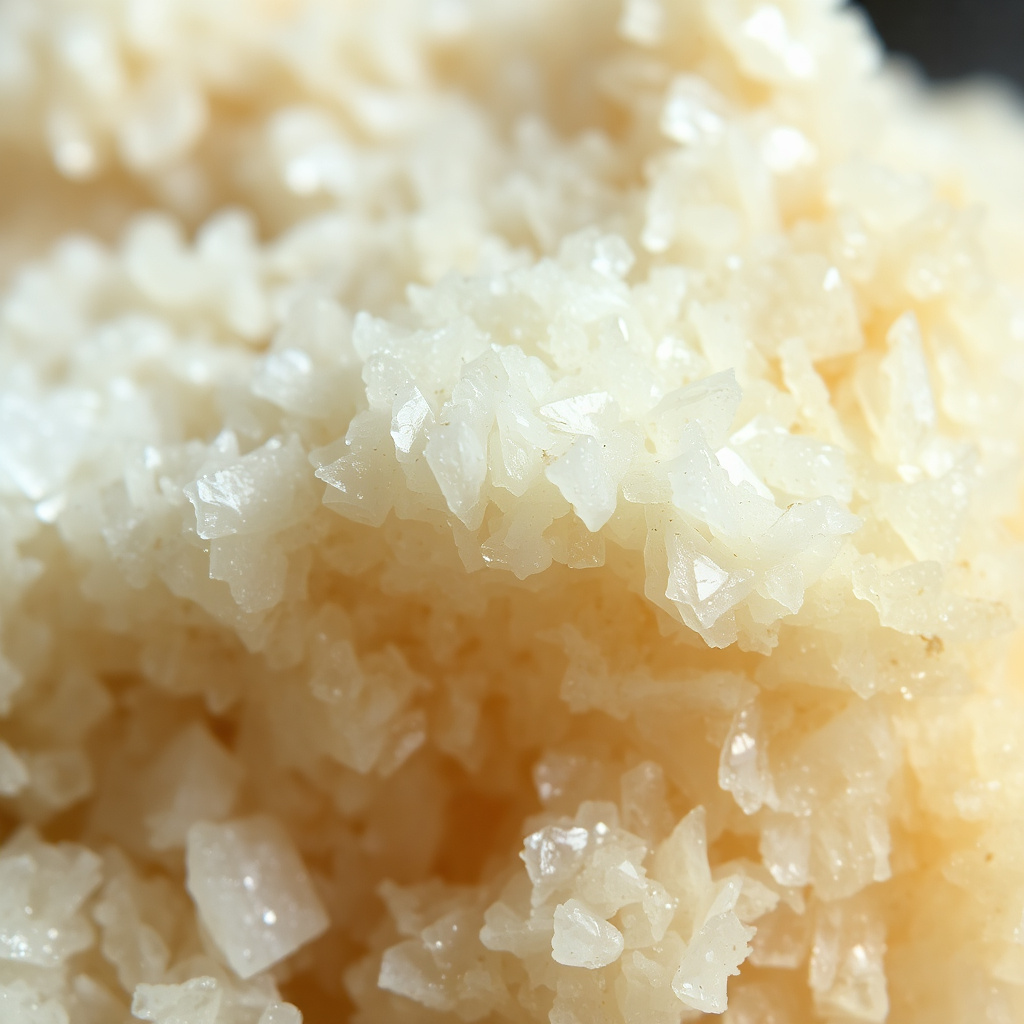
Vermiculite forms naturally through the weathering or hydrothermal alteration of biotite or phlogopite mica in ultramafic rocks. This process creates a layered silicate mineral rich in magnesium and iron.
The mineral’s structure allows it to absorb water and expand dramatically when heated, a process called exfoliation. This expansion multiplies its volume many times over, making it lightweight and effective in various applications.
Physical and Chemical Characteristics
Exfoliated vermiculite looks like small, accordion-shaped flakes with a shiny, metallic luster. It is chemically stable under normal conditions and non-toxic, which contributes to its versatility.
Its porous nature supports excellent moisture retention and air exchange, benefiting soil health when mixed into potting mixes. The mineral also resists fire and heat, making it suitable for insulation.
Vermiculite Uses in Gardening and Agriculture
Soil Amendment and Seed Starting
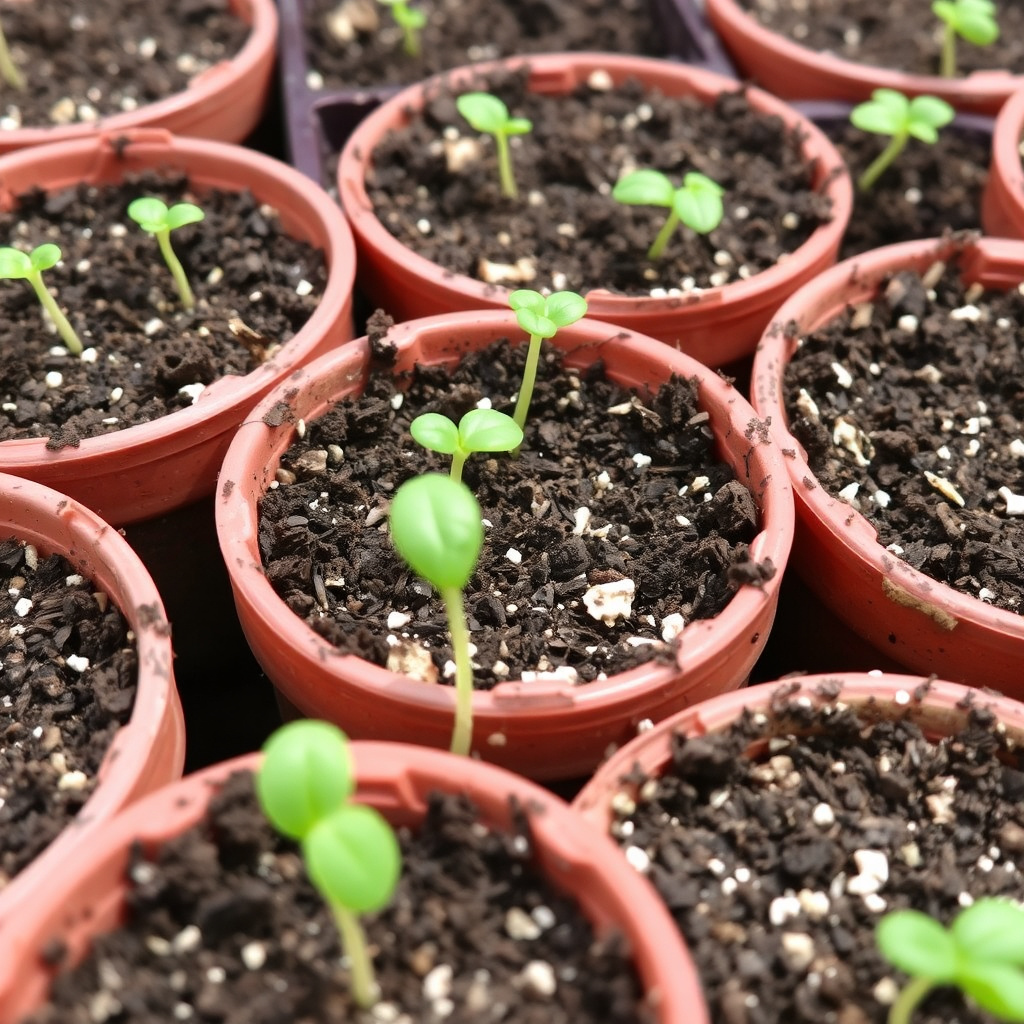
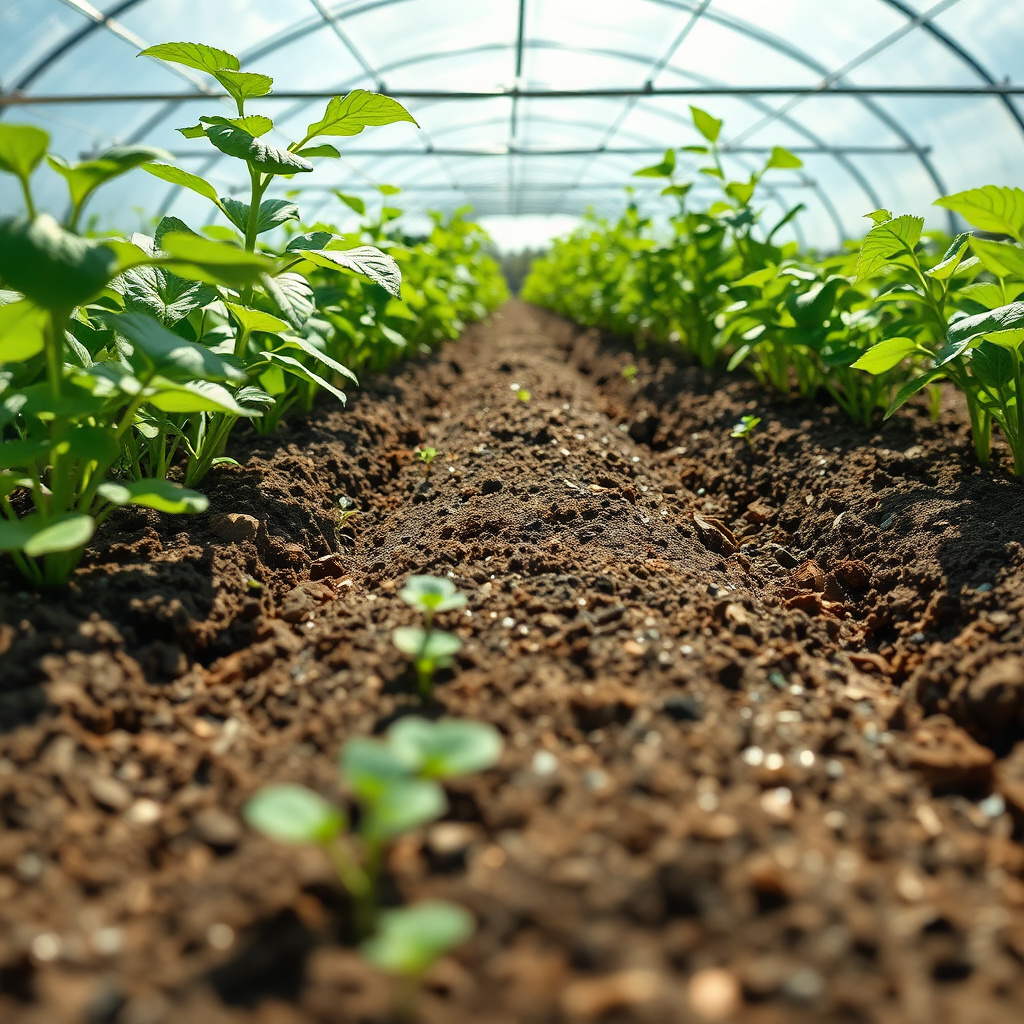
Gardeners often add vermiculite to soil to improve aeration and water retention. It helps hold nutrients and moisture near plant roots, enhancing seed germination and root development.
Because vermiculite is sterile and lightweight, it creates an ideal environment for starting seeds in containers or trays without compacting the soil.
- Improves soil drainage
- Retains moisture evenly
- Neutral pH balance
Hydroponics and Plant Propagation
Vermiculite serves as an inert growing medium in hydroponic systems, supporting plants while maintaining moisture and oxygen balance.
Its ability to facilitate root growth without soil makes it valuable for cuttings and propagation, ensuring high survival rates.
Industrial and Construction Applications
Insulation and Fireproofing
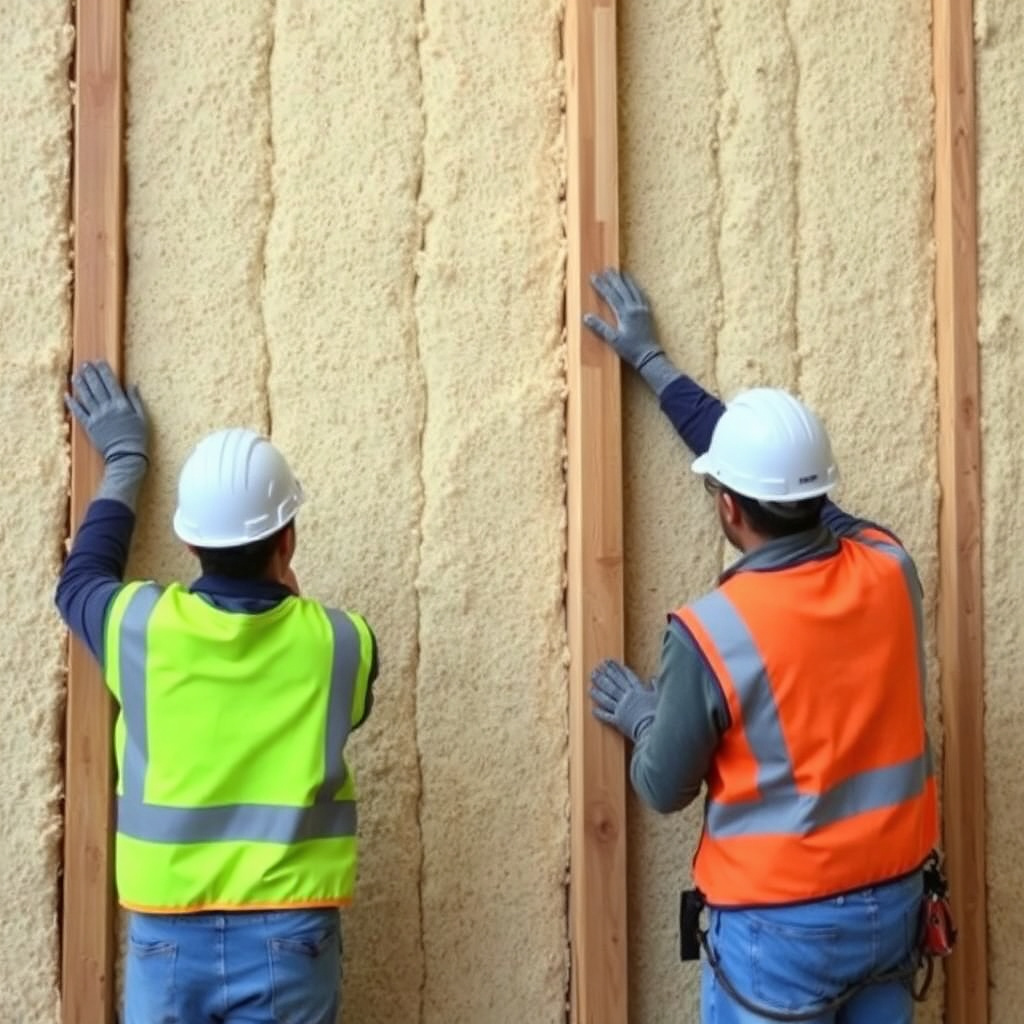
Due to its fire resistance and thermal stability, vermiculite is incorporated into plaster, concrete, and insulation boards to improve fireproofing in buildings.
It helps prevent heat loss and protects structures during fire emergencies, making it a cost-effective additive for safety improvements.
For more on this, see our related guide: How to Fix Overwatered Cannabis Plants: Effective Recovery Tips.
Lightweight Aggregate in Construction
Vermiculite’s low density after expansion makes it a useful aggregate for lightweight concrete and plaster mixes. It reduces the overall weight without sacrificing strength.
This application allows for easier handling and quicker installation of building materials.
- Enhances structural thermal insulation
- Reduces material weight
- Improves workability
Health and Safety Considerations
Potential Contaminants and Precautions
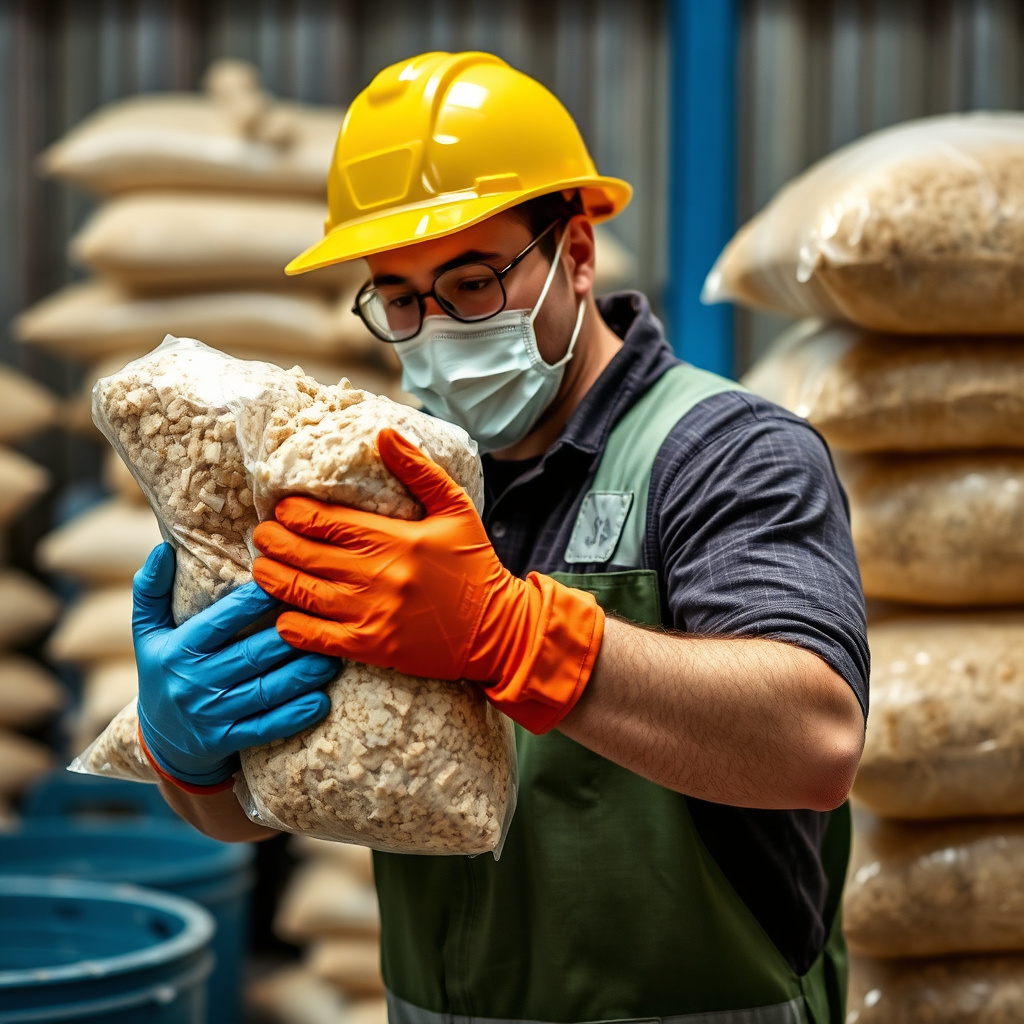
Some vermiculite sources historically contained asbestos contaminants, which pose health risks if inhaled. Modern suppliers typically provide asbestos-free vermiculite for safety.
Users should handle vermiculite dust carefully, wearing masks and gloves in enclosed environments to avoid respiratory irritation.
- Check for asbestos certifications
- Use protective gear when handling dust
Safe Storage and Disposal
Vermiculite should be stored in dry conditions to maintain its effectiveness and prevent clumping.
Disposal does not require special procedures unless asbestos contamination is suspected. Local guidelines should be followed nonetheless.
How to Identify and Differentiate Vermiculite
Visual and Textural Characteristics
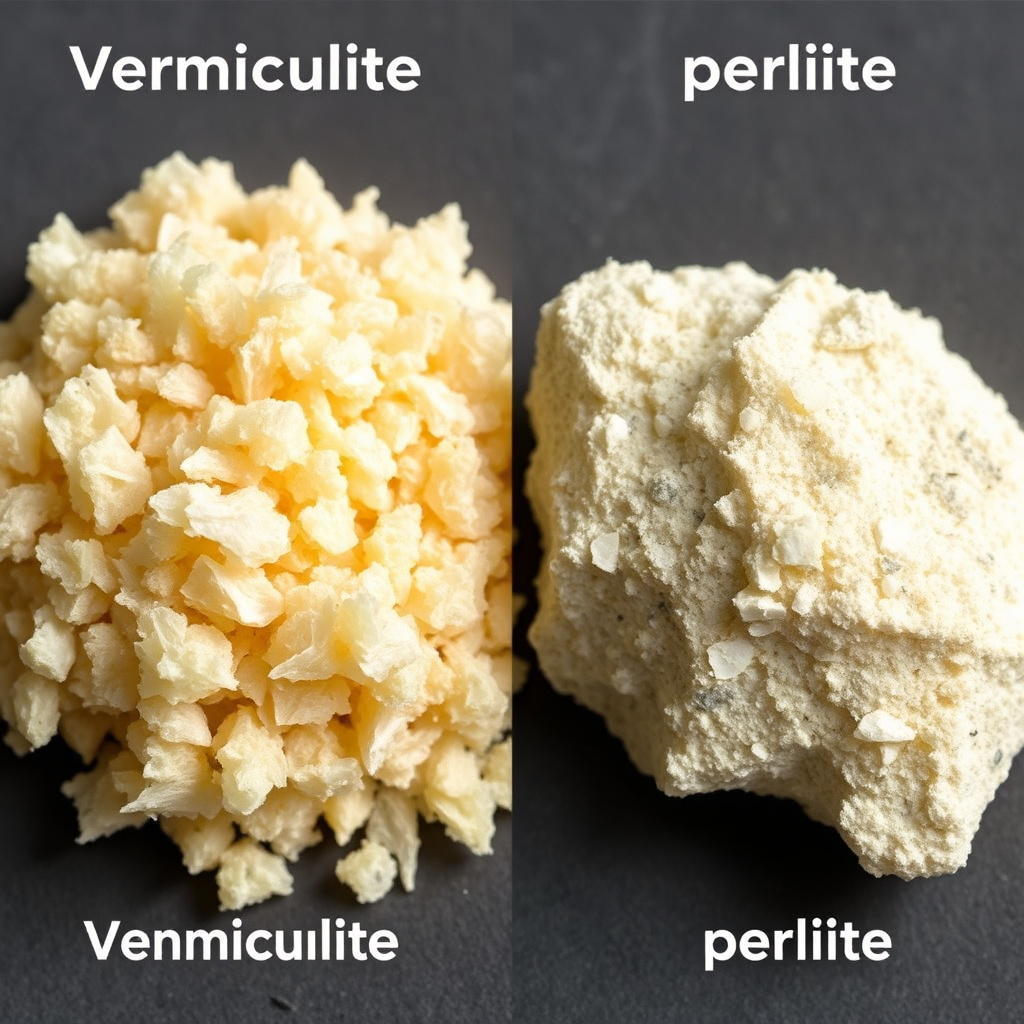
Vermiculite flakes have a shiny, layered, accordion-like appearance and feel lightweight but slightly flexible. They contrast with rough, white, brittle perlite granules often confused with vermiculite.
Its warm, mineral-like texture and expansion quality after heating are unique identifiers compared to other soil amendments.
For more on this, see our related guide: How to Choose the Best Soil for Cannabis Plants: A Complete Guide.
Performing a Simple Expansion Test
Heating a small sample of vermiculite in a pan causes dramatic expansion due to steam trapped in its layers, unlike perlite, which expands by air pockets.
This test is useful for gardeners or DIYers to confirm vermiculite presence and quality before purchase or use.
- Heat sample on a stove or metal surface
- Look for size expansion and flake separation
Environmental Impact and Sustainability
Source Sustainability and Mining Impact
Vermiculite mining is less environmentally damaging compared to many minerals because deposits are widespread and require moderate extraction efforts.
However, responsible sourcing ensures minimal ecosystem disruption and encourages use of recycled or certified vermiculite products.
For more detailed mineralogical information, refer to the Vermiculite Wikipedia page. Vermiculite Wikipedia page.
Reusability and Recycling Potential
While vermiculite itself does not degrade quickly, it can be reused in soil mixes multiple times before losing effectiveness.
Its inert quality means it doesn’t introduce pollutants, and some building insulation applications allow for material recovery.
Vermiculite Versus Similar Soil Amendments: A Comparison
This table compares vermiculite with other common soil amendments to help you choose the best option for gardening and construction purposes.
| Material | Water Retention | Aeration | Weight | Fire Resistance | Cost |
|---|---|---|---|---|---|
| Vermiculite | High | Good | Lightweight | Excellent | Moderate |
| Perlite | Low | Excellent | Very Lightweight | Good | Moderate |
| Coconut Coir | Moderate | Good | Lightweight | Poor | Low |
| Peat Moss | High | Poor | Medium | Poor | Low |
| Sand | Low | Good | Heavy | Excellent | Low |
Frequently Asked Questions
Is vermiculite safe for indoor gardening?
Yes, vermiculite is generally safe for indoor use, provided it is asbestos-free. Always verify the source and use protective measures when handling dust.
Can vermiculite improve soil drainage?
Vermiculite primarily improves moisture retention and aeration rather than drainage. It helps soil retain nutrients and water closer to roots.
How does vermiculite differ from perlite?
Vermiculite retains more water and nutrients and has a layered, accordion-like structure, while perlite provides greater aeration with its porous, white granular form.
Is vermiculite fireproof?
Yes, vermiculite is fire-resistant and is often used in fireproofing and insulation materials for its ability to withstand high temperatures.
Where can I buy quality vermiculite?
Gardening centers, garden supply stores, and building material suppliers often stock vermiculite. Look for products labeled asbestos-free.
Key Takeaways
- Vermiculite is a hydrated mineral that expands when heated, producing lightweight flakes.
- It excels at moisture retention, making it valuable in gardening soil mixes and seed starting.
- Its fire-resistant and insulating properties give it broad industrial and construction uses.
- Safety involves choosing asbestos-free sources and minimizing dust exposure during handling.
Conclusion
Understanding what vermiculite is involves recognizing its origin as a natural mineral that expands when heated to create lightweight, porous flakes. This unique characteristic lends it diverse functions, from improving soil moisture retention to providing fireproof insulation. By focusing on its physical traits and uses, anyone interested in gardening or construction can appreciate vermiculite's versatile benefits and applications.
When deciding how to use vermiculite, gardeners often pick it for seed starting and mixing with potting soil due to its water-holding capacity and ability to support young plant roots. Construction professionals value vermiculite in insulation and lightweight concrete aggregates where fire resistance and reduced weight are priorities. Comparing it to soil amendments like perlite clarifies its strengths in moisture retention and safety features in building contexts.
For those considering vermiculite for their projects, the next step is to source products confirmed to be asbestos-free and suited to intended uses. Whether mixing it into garden soil or adding it to construction materials, additional care around dust handling is advisable. Overall, vermiculite remains a practical, multifunctional mineral worthy of consideration wherever moisture retention or fire resistance is needed.