What Are Chia Seeds Good For?
Struggling to find simple ways to boost your health? You’re not alone—many people want to feel energized, support their digestion, and improve their overall well-being without complicated routines. That’s where chia seeds come in.
Chia seeds are a nutrient powerhouse that can elevate your overall health. They’re high in fiber, omega-3s, antioxidants, and essential minerals like calcium and magnesium, supporting digestion, energy, and bone strength.
They also help control your appetite, improve athletic performance, and support heart health.
Easy to add to your meals, chia seeds are versatile and beneficial. Keep exploring to uncover even more ways they can enrich your diet and well-being.
Key Takeaways
- Rich in nutrients like fiber, omega-3s, and antioxidants that support overall health.
- Promote digestive health and satiety by forming a gel that aids digestion and controls appetite.
- Enhance energy levels and athletic performance through sustained energy release and hydration support.
- Support heart health by reducing inflammation, lowering blood pressure, and decreasing triglycerides.
- Easy to incorporate into meals like yogurt, smoothies, and baked goods for convenience and nutritional benefits.
What Are Chia Seeds and Why Are They Considered a Superfood?
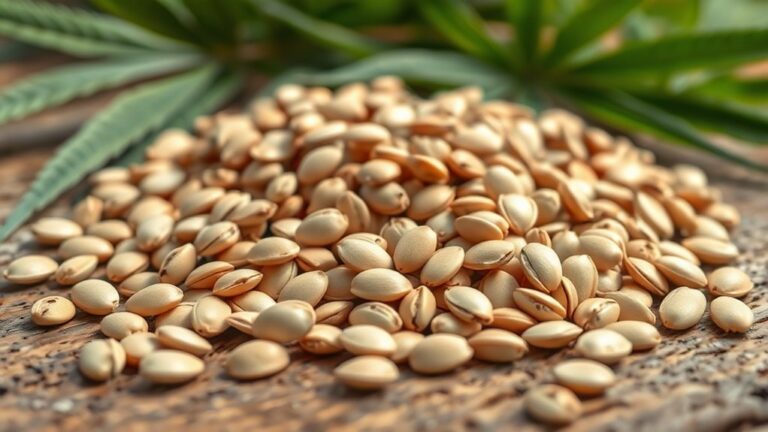
Chia seeds are tiny, nutrient-dense seeds from the Salvia hispanica plant, native to Central and South America. Their history goes back thousands of years, when ancient civilizations like the Aztecs relied on them as a vital food source.
Chia seeds, tiny and nutrient-rich, have been a vital food source since ancient Aztec civilizations.
Today, they’re celebrated worldwide as a superfood because of their impressive health benefits. Chia seeds are rich in fiber, omega-3 fatty acids, and antioxidants, which support digestion, heart health, and overall wellness.
Their versatility makes them super easy to add to your diet. You can mix them into smoothies, yogurt, or oatmeal, or use them as an egg substitute in baking. The superfood benefits come from their packed nutritional profile, helping you feel fuller longer and boosting your energy.
Thanks to their long shelf life and minimal prep, chia seeds are an accessible and convenient way to improve your nutrition every day.
The Nutritional Benefits of Chia Seeds: Vitamins, Minerals, and More
Packed with a wide array of essential nutrients, chia seeds offer more than just fiber and healthy fats. Their vitamin content and mineral profile make them a nutritional powerhouse. You get a variety of crucial nutrients in every spoonful, including:
- Calcium supports bone strength and muscle function.
- Magnesium helps with energy production and nerve function.
- Phosphorus is essential for healthy teeth and bones.
- B vitamins boost your metabolism and overall energy levels.
Chia seeds are also rich in antioxidants, which help protect your cells from damage. Their impressive mineral profile guarantees you’re fueling your body with key elements needed for peak health. The vitamin content, especially in B vitamins and vitamin C (if added to recipes), promotes immune function and energy.
Incorporating chia seeds into your diet is a simple way to improve your nutrient intake. It supports overall wellness and well-being, making it a smart addition to your daily routine.
How Chia Seeds Support Digestive Health and Gut Function
The nutrients in chia seeds not only support your overall health but also help keep your digestive system functioning well. Their high fiber content helps regulate bowel movements, preventing constipation and promoting regularity.
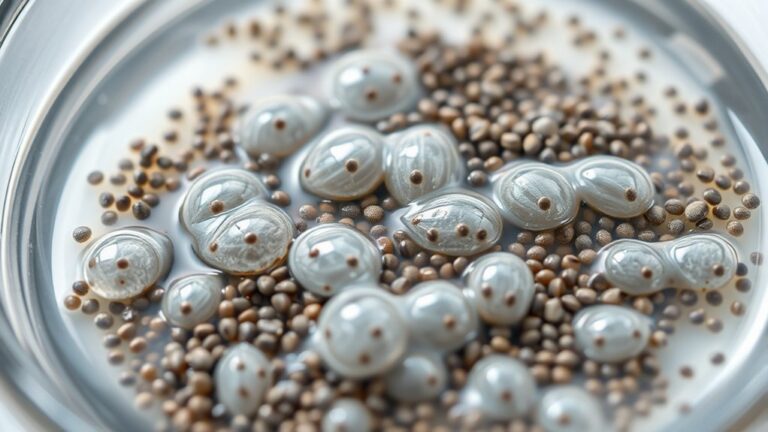
When you soak chia seeds, they form a gel-like substance that softens food and makes digestion easier. This gel also acts as a prebiotic, nourishing the diverse bacteria in your gut, known as your gut microbiome.
A balanced microbiome is key to good digestion and immune health. The soluble fiber in chia seeds ferments slowly, providing steady energy for beneficial bacteria. Including chia seeds in your diet supports the growth of good bacteria and improves gut health.
This can help reduce inflammation and improve nutrient absorption. Overall, chia seeds are a simple, effective way to boost your digestive health and keep your gut working smoothly.
Boost Your Energy: How Chia Seeds Can Improve Athletic Performance
Want to boost your energy levels naturally? Just add some chia seeds to your diet! They’re great for helping you stay energized during workouts. When you include them, they can actually improve your hydration, so you feel more energized and ready to go for longer periods.
And here’s the cool part: their energy gets released slowly over time, which means you won’t experience those annoying crashes that sometimes come with other energy sources. So, if you’re looking to keep your performance steady and your endurance high, chia seeds might just be your new best friend.
Enhances Endurance Naturally
Since chia seeds are packed with omega-3 fatty acids, fiber, and protein, they give you a steady source of energy that can boost your endurance during exercise. Adding them to your routine supports endurance training and acts as a natural way to improve your performance.
When you eat chia seeds, you’re fueling your body with nutrients that help delay fatigue and keep your stamina up. Imagine longer workouts without feeling wiped out, and faster recovery after intense sessions.
They help keep your energy levels steady throughout your training, which means better overall athletic performance. These benefits make chia seeds a great natural supplement for athletes and fitness lovers.
They’re simple, effective, and can help you push through limits while boosting your stamina naturally. Incorporating chia seeds is an easy way to support your training goals and enhance endurance.
Improves Hydration Levels
Because chia seeds can absorb many times their weight in water, they naturally boost hydration during physical activity. When soaked, they form a gel that helps retain moisture and keeps you hydrated longer.
This gel benefits your body by maintaining electrolyte balance and preventing dehydration, especially during intense workouts. It also slows down water absorption, providing a steady release of fluids.
Adding chia seeds to your routine supports optimal hydration, which is key for athletic performance. Proper hydration helps reduce fatigue and muscle cramps, keeping you energized and focused.
With regular use, chia seeds are a simple yet effective way to improve hydration levels and enhance your overall workout experience.
Provides Sustained Energy
Once chia seeds are soaked and form their gel, they not only help with hydration but also give you a steady source of energy. This makes them great for keeping your energy levels up during workouts or long days.
When you eat chia seeds, you get an energy boost that lasts because of their unique mix of fiber, healthy fats, and protein. It’s like a natural way to stay energized longer.
Imagine these benefits:
- You feel less tired in the middle of activity.
- Your stamina gets a boost during exercise.
- Your blood sugar stays steady.
- You experience fewer energy crashes.
All these things work together to give you sustained energy, helping you perform better and stay alert longer. Adding chia seeds to your diet is a simple way to keep your energy reliable and consistent.
Why Chia Seeds Are Rich in Omega-3 Fatty Acids
Chia seeds are packed with omega-3 fatty acids, making them a great plant-based source of these important nutrients. Since your body can’t produce omega-3s on its own, including chia seeds in your diet helps you get enough.
These healthy fats support heart health by reducing inflammation, lowering blood pressure, and decreasing triglyceride levels. Adding chia seeds to your meals is easy—you can sprinkle them on yogurt, blend into smoothies, or mix into oatmeal.
Because they’re rich in alpha-linolenic acid (ALA), a type of omega-3, they help promote cardiovascular wellness. Regularly eating chia seeds helps protect your heart and boosts your overall health.
Incorporating these tiny seeds into your diet is an easy way to increase your intake of essential fatty acids and support your well-being.
Chia Seeds and Weight Management: How They Help You Stay Full
Chia seeds are great for helping you feel full longer, which can make managing your appetite a lot easier. They work by slowing down digestion, so you stay satisfied between meals. This means you’re less likely to snack or overeat later on. Overall, incorporating chia seeds into your diet can really support your weight management goals by keeping hunger at bay.
Promotes Feelings of Fullness
Because of their high fiber content, chia seeds naturally promote feelings of fullness, making it easier to curb overeating. When you consume them, they expand in your stomach, sending satiety signals that help with appetite control.
This helps you feel satisfied longer and reduces the urge to snack unnecessarily. Imagine adding chia seeds to your yogurt or oatmeal.
As they absorb liquid, they form a gel-like texture that slows down digestion. This gel keeps you feeling full longer, helping you stay on track with healthier eating habits.
Your appetite remains controlled, making it easier to avoid unnecessary snacks and stay satisfied throughout the day.
Slows Digestion Process
When you consume chia seeds, their unique gel-like texture forms as they absorb liquid, which greatly slows down the digestion process. This delay is mainly due to their high fiber content, especially soluble fiber, which creates a viscous gel in your stomach.
As a result, your digestion becomes more gradual, helping you maintain steady energy levels. Plus, the fiber acts as a prebiotic, nourishing your gut microbiome and supporting healthy bacteria growth.
A healthy gut microbiome is essential for efficient digestion and overall well-being. By slowing down digestion, chia seeds help your body absorb nutrients more effectively and can contribute to better blood sugar regulation.
This process can also support long-term weight management by promoting sustained feelings of fullness.
Reduces Overall Hunger
Since chia seeds form a gel-like substance in your stomach, they help you feel full for longer. This slows digestion and boosts satiety signals, making you more likely to eat less overall.
They expand in your stomach, creating a feeling of fullness quickly. Their high fiber content also promotes satiety and helps keep blood sugar levels steady.
The gel delays gastric emptying, which prolongs hunger regulation. As a result, they help stabilize your appetite and reduce cravings throughout the day.
How to Incorporate Chia Seeds Into Your Daily Meals
Adding chia seeds to your daily meals is simple and versatile. You can create a nutritious chia pudding by soaking seeds in milk overnight, then topping it with fruit. Use chia seeds as a smoothie booster by blending a spoonful into your favorite drink for added fiber and omega-3s.
Sprinkle them on salads as a crunchy topping or mix into overnight oats for extra texture and health benefits. Incorporate chia seeds into energy bars to improve their nutrient profile or bake them into muffins and bread as a healthy baking ingredient.
You can also stir a spoonful into your yogurt mix-in or breakfast bowl for added thickness and nutrition. These tiny seeds easily blend into both sweet and savory dishes, making them an effortless way to boost your daily intake.
With a little creativity, chia seeds can become a staple in your breakfast, snack, and even lunch routines.
Are There Any Side Effects or Precautions When Eating Chia Seeds?
While chia seeds are usually safe to eat, eating too much of them might lead to some digestive issues like bloating or constipation. So, it’s a good idea to start with small amounts and see how your body reacts.
Also, keep in mind that if you’re sensitive to certain seeds or nuts, you could have an allergic reaction. If you notice any unusual symptoms after eating chia seeds, it’s best to chat with a doctor. Just a little caution can go a long way!
Potential Digestive Issues
Although chia seeds are generally safe for most people, eating too many or not preparing them properly can cause digestive discomfort. Overconsumption may lead to bloating, gas, or constipation.
To avoid these issues, always soak or grind chia seeds before eating to help with digestion. Drinking plenty of water is also important because the seeds expand in your gut and need hydration.
Start with small servings so your gut microbiome can adjust gradually. Keep an eye out for any signs of irritation or discomfort, especially if you have sensitive digestion.
Allergic Reactions Risks
Even though chia seeds are generally safe and nutritious, some people may experience allergic reactions. These can include symptoms like hives, swelling, difficulty breathing, or stomach discomfort.
If you notice sensitivity symptoms after eating chia seeds, it’s important to stop eating them and see a healthcare professional. People with nut or seed allergies are at higher risk of reacting to chia seeds, so be cautious if you have other food sensitivities.
Start with small amounts to see how your body responds, especially if you’re trying them for the first time. While severe allergic reactions are rare, they can happen, so keep an eye on how you feel.
If you experience any adverse symptoms, seek medical advice promptly. Monitoring your body’s response is key to staying safe.
Best Ways to Prepare and Enjoy Chia Seeds
Chia seeds are super versatile, making it easy to add them to your daily meals in tasty ways. You can make a healthy chia pudding by soaking seeds in milk or a plant-based alternative overnight, giving you a creamy, satisfying snack.
Adding chia seeds to smoothies boosts your fiber and omega-3 intake while giving your drink a subtle crunch. You can also sprinkle them over yogurt, oatmeal, or salads for extra texture and nutrition.
Finally, mix chia seeds into baked goods like muffins or energy bars to enhance their health benefits. These simple ideas can help you enjoy chia seeds every day.
Here are some popular ways to enjoy chia seeds:
- Prepare chia pudding for a quick, nutritious snack.
- Blend chia seeds into smoothies for extra fiber.
- Sprinkle on yogurt, oatmeal, or salads.
- Incorporate into baked goods for added crunch and nutrients.
Try these methods to make chia seeds a tasty part of your routine.
Chia Seeds vs Flaxseeds: Which Superfood Is Right for You?
Wondering which superseed—chia or flax—is best for your health goals? Both offer impressive benefits, but they differ in key ways.
Chia seeds are high in fiber, omega-3s, and absorb liquids easily. That makes them great for digestion and giving you sustained energy.
Flaxseeds are also rich in omega-3s and fiber, but they contain lignans, which may help support hormone balance.
If you want a quick hydration boost and added texture, chia seeds are a good choice because they absorb liquid rapidly.
Flaxseeds need to be ground for better nutrient absorption and are often used in baking.
Your choice depends on your dietary needs: chia seeds provide quick, versatile benefits, while flaxseeds offer extra phytoestrogens.
Think about your goals and preferences to pick the superfood that fits best into your routine.
Frequently Asked Questions
Can Chia Seeds Help With Blood Sugar Regulation?
Yes, chia seeds can help with blood sugar regulation. Their high fiber content slows digestion, which helps keep blood sugar levels more stable.
The benefits include reducing blood sugar spikes and improving insulin sensitivity. Adding chia seeds to your diet might support better blood sugar control.
Just a small amount each day can make a noticeable difference, especially when combined with a balanced diet and regular exercise.
Are Chia Seeds Suitable for People With Allergies?
About 1 in 100 people experience allergy symptoms, and reactions to chia seeds are rare but possible. If you’re allergic to certain seeds or nuts, you should be cautious because chia seeds might trigger allergy symptoms.
Always check labels and talk to your healthcare provider before adding chia seeds to your diet. If you notice any adverse reactions, stop eating them immediately and seek medical advice.
How Much Chia Seeds Should I Eat Daily?
You should aim for about 1 to 2 tablespoons of chia seeds daily, which is roughly 15 to 30 grams. This amount offers plenty of benefits without going overboard.
You can include chia seeds in your diet with simple ideas like adding them to smoothies, yogurt, oatmeal, or water. Just remember to soak them for a few minutes to make them easier to digest and help your body absorb the nutrients better.
Do Chia Seeds Improve Skin Health?
Imagine tiny, gel-like pearls shimmering on your skin, boosting your glow. Chia seeds can improve skin health by offering anti-aging benefits and enhancing skin hydration.
Their high omega-3 fatty acids help reduce inflammation, making your skin look more youthful and plump. Incorporating chia into your diet or skincare routine supports a radiant complexion.
It fights signs of aging and keeps your skin moist and supple from the inside out.
Can Chia Seeds Be Used as an Egg Substitute in Recipes?
Yes, you can use chia seeds as an egg substitute by making chia gel. To do this, mix 1 tablespoon of chia seeds with 3 tablespoons of water and let it sit until it forms a gel.
This works well in baking tips for muffins or pancakes. You’ll find it’s a great vegan option that adds moisture and binds ingredients, just like eggs do in recipes.
Conclusion
In your journey toward better health, chia seeds gently whisper their benefits, inviting you to welcome their wholesome charm. With each spoonful, you nurture your body’s quiet needs and awaken your energy.
Though small, these tiny treasures hold the power to weave wellness into your daily routine, guiding you toward a more vibrant, balanced life. So, take a step forward and let chia seeds subtly lead you to a brighter, healthier tomorrow.