How to Understand Hybrid Vigor: A Practical Guide to Heterosis in Breeding
Hybrid vigor, also called heterosis, is a genetic phenomenon where the offspring from a cross between two different varieties or species show improved traits compared to their parents. Essentially, these hybrids often grow faster, yield more, or resist diseases better. If you want to understand hybrid vigor, think about how crossing specific breeds or strains results in stronger or more productive descendants.
This effect matters because it plays a major role in agriculture and livestock breeding, where boosting crop yield and animal health can directly impact food supply and economics. Hybrid vigor is the scientific basis behind many popular hybrid crops and animal breeds used worldwide to enhance performance beyond what parent lines can offer alone.
In this article, you will learn what causes hybrid vigor, how it displays in crops and animals, different breeding techniques that make use of it, and the challenges breeders face. We will cover genetic principles, practical examples, and the latest insights to help you grasp why hybrid vigor remains an important topic in breeding strategies.
What Is Hybrid Vigor and Why It Happens

The Genetic Basis of Hybrid Vigor
Hybrid vigor arises when crossing genetically diverse parents results in offspring that combine favorable traits, often outperforming both parents. This happens because harmful recessive traits from each parent get masked and beneficial genes complement each other, leading to improved traits like growth rate or fertility.
At the cellular level, hybrids can exhibit increased efficiency in metabolism, enhanced stress resistance, and better development through gene interactions known as dominance, overdominance, and epistasis. These genetic mechanisms together produce the superior qualities identified as hybrid vigor.
Historical Context of Understanding Hybrid Vigor
The idea of hybrid vigor has been observed for centuries but began to be scientifically documented in the early 20th century with studies on corn and livestock. Early plant breeders noticed that crossing inbred lines produced plants with higher yields and growth rates, sparking focused research into the genetic reasons.
Recognizing these effects helped revolutionize breeding programs worldwide. The discovery led to systematic use of hybrid seeds in agriculture that now underpin commercial production of many major crops like maize and rice.
Manifestations of Hybrid Vigor in Crops and Livestock

Hybrid Vigor in Plant Breeding
In crops, hybrid vigor often shows as increased yield, faster growth, and better disease resistance. Hybrid maize and rice are examples where crossing specific lines creates hybrids that dominate commercial production due to these advantages.
Farmers benefit from hybrids that mature uniformly and produce more grain per acre. Despite requiring purchase of new seeds each season, the gains in yield and resilience can justify the cost in large-scale agriculture.
- Higher grain yield per plant
- Faster germination and growth rates
- Improved tolerance to drought and pests
Hybrid Vigor in Animal Breeding
In livestock such as cattle, pigs, and poultry, hybrid vigor can produce animals that grow faster, convert feed more efficiently, and resist diseases better. Crossbreeding complementary breeds helps farmers improve productivity and animal welfare.
For example, crossbred pigs often demonstrate improved litter size and growth compared to purebreds. However, maintaining hybrid vigor over generations requires careful selection to avoid losing the benefits.
- Increased growth rate and size
- Better fertility and survival rates
- Enhanced resistance to common illnesses
Breeding Techniques Leveraging Hybrid Vigor

Creating Hybrids Through Inbred Line Crosses
One common technique in plants is developing pure inbred lines with desirable traits, then crossing them to produce hybrids exhibiting vigor. This method allows predictability and uniform quality in hybrid seed production.
Breeding companies invest many years to develop stable parent lines, as the hybrid vigor effect depends on the specific genetic combinations formed during the cross.
- Development of homozygous parent lines
- Single cross hybrids for uniformity
- Use in major crops like maize and sorghum
For more on this, see our related guide: What Is a Cannabis Cultivar? Understanding Cannabis Cultivars Explained.
Crossbreeding Strategies in Livestock
Livestock breeders use rotational crossbreeding and composite breeds to capture hybrid vigor while maintaining adaptability. Rotational crossbreeding alternates sire breeds every generation to sustain heterosis effects.
Composite breeding combines traits from several breeds into a stable population that retains hybrid vigor over time, providing balance between improved traits and breeding simplicity.
- Rotational crossbreeding for sustained vigor
- Composite breeds to balance traits
- Crossbreeding to reduce inbreeding depression
Challenges and Limitations in Using Hybrid Vigor

Loss of Hybrid Vigor in Subsequent Generations
A major challenge is that hybrid vigor tends to diminish when hybrid offspring are bred among themselves due to genetic segregation. This means farmers often need to purchase new hybrid seeds yearly to maintain yield benefits.
For animals, crossing between first-generation hybrids can lead to unpredictable traits as vigor declines, requiring breeders to plan mating carefully to sustain advantages.
Genetic Complexity and Trait Trade-offs
While hybrid vigor improves many traits, some complex characteristics like flavor or hardiness may not improve or can even decline in hybrids. Choosing parents involves balancing which traits will benefit most from hybridization.
Understanding the genetic interplay demands significant research and testing, meaning developing effective hybrid lines is time-consuming and costly.
Measuring and Evaluating Hybrid Vigor
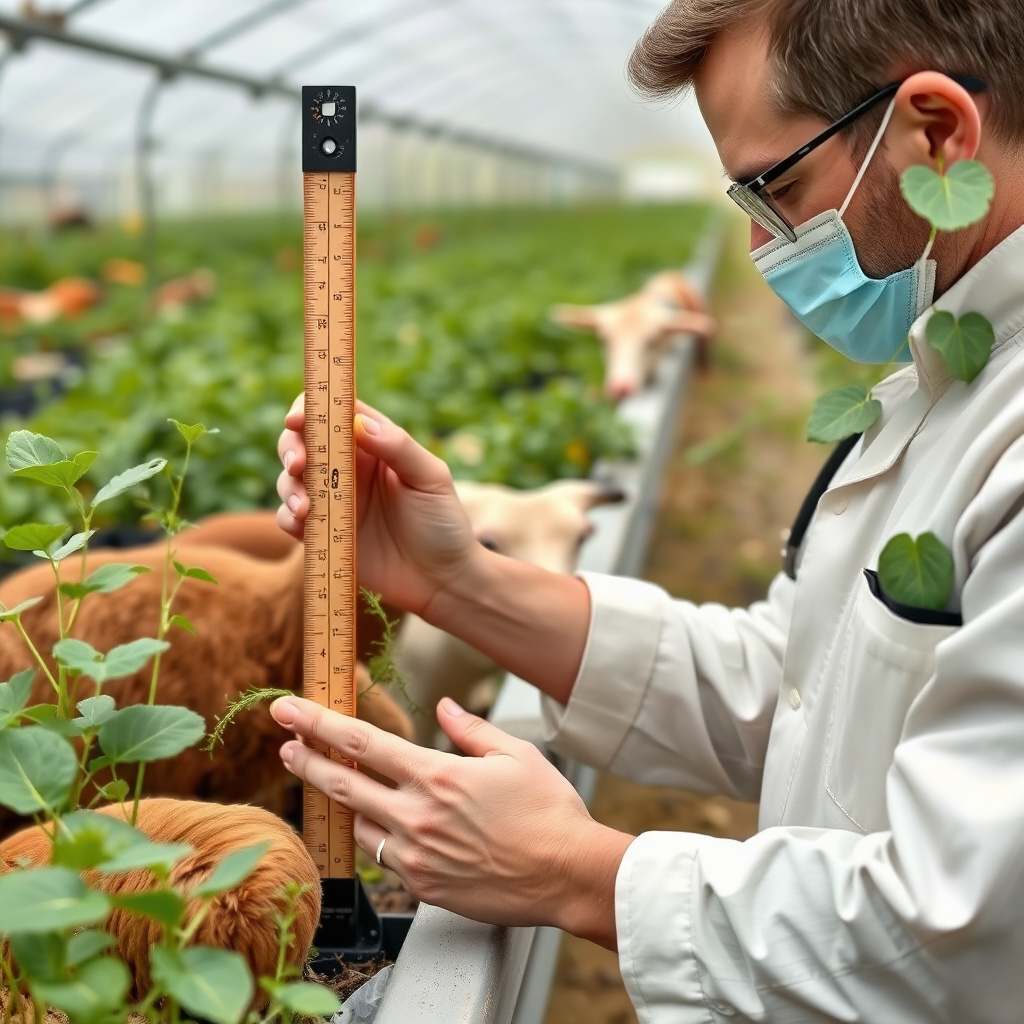
Quantitative Traits to Track Hybrid Vigor
Breeders measure traits like growth rate, yield, fertility, and disease resistance to evaluate hybrid vigor. Statistical comparisons of hybrid offspring to parent averages quantify how much vigor manifests.
Values like heterosis percentage indicate the relative improvement, guiding selection decisions and helping optimize breeding strategies.
- Yield per plant or per animal
- Growth speed and feed conversion
- Disease incidence and survival rate
For more on this, see our related guide: What Is a Hybrid Plant? Understanding Hybrid Plant Basics.
Technologies Enhancing Vigor Evaluation
Advances in genomics and molecular markers now help identify genes contributing to hybrid vigor, enabling breeders to predict the best pairings. Precision phenotyping tools allow detailed monitoring of hybrid performance under field conditions.
These tools help shorten breeding cycles and increase efficiency by targeting the most promising hybrids early.
- Genomic selection and marker-assisted breeding
- High-throughput phenotyping platforms
- Data analytics for performance prediction
Practical Tips for Farmers and Breeders Using Hybrid Vigor

Maximizing Benefits from Hybrid Crops
Farmers should choose hybrid seeds suited to their local climate and soil conditions, as hybrid vigor can vary with environment. Regularly sourcing fresh hybrid seed each season maintains high productivity.
Integrating hybrids with good agronomic practices such as fertilization and pest management further boosts yield advantages.
- Select hybrids adapted to region
- Purchase certified hybrid seeds annually
- Maintain soil fertility and pest control
For a scientifically detailed overview and history of hybrid vigor, the hybrid vigor on Wikipedia offers valuable information. hybrid vigor on Wikipedia.
Sustaining Hybrid Vigor in Livestock Operations
Producers should plan crossbreeding systems that preserve heterosis through controlled mating schedules. Rotational or terminal crossing systems suit different operation sizes and goals.
Careful record-keeping and genetic evaluation help avoid inbreeding and keep vigor levels high over multiple generations.
- Use rotational crossbreeding methods
- Keep breeding records meticulously
- Avoid mating relatives to prevent inbreeding
Types of Hybrid Vigor in Breeding: Crop vs. Livestock
Here is a concise comparison highlighting how hybrid vigor is utilized differently in crop plants and livestock animals, considering traits and management demands.
| Category | Common Traits Improved | Breeding Technique | Management Considerations |
|---|---|---|---|
| Crop Hybrids | Yield, growth rate, pest resistance | Inbred line crosses | Annual seed purchase, tailored to environment |
| Livestock Hybrids | Growth, fertility, disease resistance | Rotational and composite breeding | Complex mating plans, record keeping |
| Self-pollinating Crops | Less vigor, stability | Limited hybrid use | Save seed possible, lower yield gains |
| Outcrossing Animal Breeds | Sustained heterosis | Crossbreeding rotations | Requires controlled breeding system |
Frequently Asked Questions
Does hybrid vigor occur in all types of plants and animals?
Hybrid vigor is most pronounced in species where genetic diversity can be combined, such as cross-pollinating plants and outcrossing animals. Self-pollinating plants and highly inbred animals show less vigorous hybrid effects.
Can hybrid vigor be maintained through multiple generations?
Hybrid vigor typically declines when hybrids interbreed because genetic segregation reduces heterozygosity. Sustaining vigor requires repeated crosses of distinct parent lines or structured breeding programs.
Is hybrid vigor the same as genetic modification?
No, hybrid vigor results from conventional breeding mixing existing genetic diversity, while genetic modification involves directly altering genes using biotech methods. Both aim to improve traits but differ fundamentally.
Why do hybrids often need to be purchased yearly in crop production?
Hybrid seeds are produced by controlled crosses of parent lines, and saving seed from hybrid crops leads to loss of vigor and unpredictable traits in offspring, so farmers buy new hybrid seeds for consistent performance.
What are some common examples of hybrid vigor in agriculture?
Hybrid maize and hybrid rice are well-known examples where heterosis dramatically increased yields worldwide. In animals, crossbred pigs and cattle often show improved growth and fertility compared to purebreds.
Key Takeaways
- Hybrid vigor occurs when crossing genetically diverse parents produces superior offspring.
- This phenomenon improves growth, yield, fertility, and disease resistance in crops and livestock.
- Breeders use specific techniques like inbred line crosses and rotational crossbreeding to harness hybrid vigor.
- Maintaining vigorous traits requires ongoing management due to genetic segregation in subsequent generations.
Conclusion
Understanding hybrid vigor is fundamental for breeders who seek to improve plant and animal productivity by combining diverse genetic backgrounds. The phenomenon hinges on complex genetic interactions such as dominance and overdominance, producing offspring better equipped for growth, yield, and resilience than their parents. When evaluating breeding strategies, considering how heterosis manifests in your target species guides decisions about which crosses to make and how to manage offspring. This knowledge helps avoid common pitfalls, like loss of vigor from uncontrolled breeding, ensuring performance gains last beyond initial crosses.
For crop producers, selecting hybrid seeds developed from carefully bred inbred lines offers one of the clearest ways to realize hybrid vigor benefits, often translating to higher yields and robustness under field conditions. Livestock breeders, meanwhile, balance hybrid advantages through rotational or composite breeding strategies that preserve heterosis while maintaining manageable breeding programs. Each approach depends on clear goals and consistent monitoring to sustain vigorous traits. Whether improving maize yields or pig growth rates, applying the principles behind hybrid vigor can transform productivity when executed thoughtfully.
For those interested in applying hybrid vigor concepts, start by researching parent lines or breeds that complement each other genetically and meet your specific environment’s challenges. Work with trusted seed or livestock providers offering proven hybrids, and develop a breeding plan focused on maintaining vigor through proper crosses and record-keeping. Experiment cautiously at first, measure outcomes quantitatively, and adjust your choices based on results. Such a data-driven approach will help you harness hybrid vigor’s advantages effectively and sustainably.