What Is No Till Gardening and How to Start It Successfully
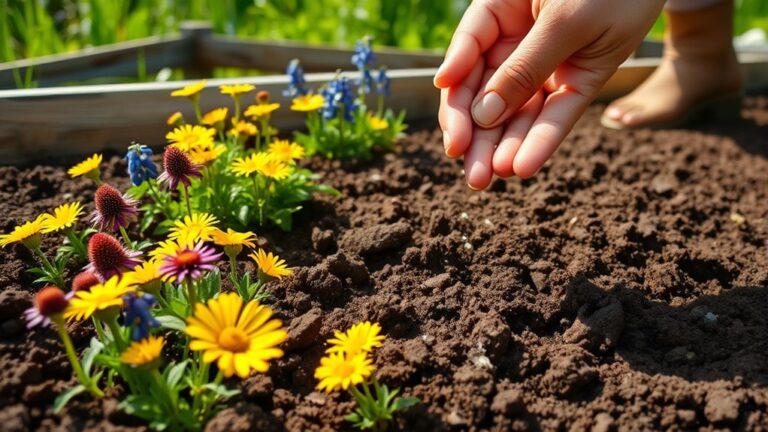
No till gardening is a method of growing plants without disturbing the soil through traditional plowing or tilling. Instead, you plant directly into undisturbed soil, maintaining its natural structure and beneficial organisms. This approach improves soil health, retains moisture, and reduces erosion.
This technique matters because conventional tilling can harm soil ecosystems by disrupting fungal networks and beneficial microbes. No till gardening supports a thriving soil environment that promotes healthier plants, reduces labor, and often increases resilience to drought and pests.
In this article, we'll explore the principles behind no till gardening, evaluate the benefits and challenges, explain how to get started, discuss soil preparation techniques, and compare no till with other gardening methods.
Understanding the Principles of No Till Gardening

How No Till Gardening Preserves Soil Structure
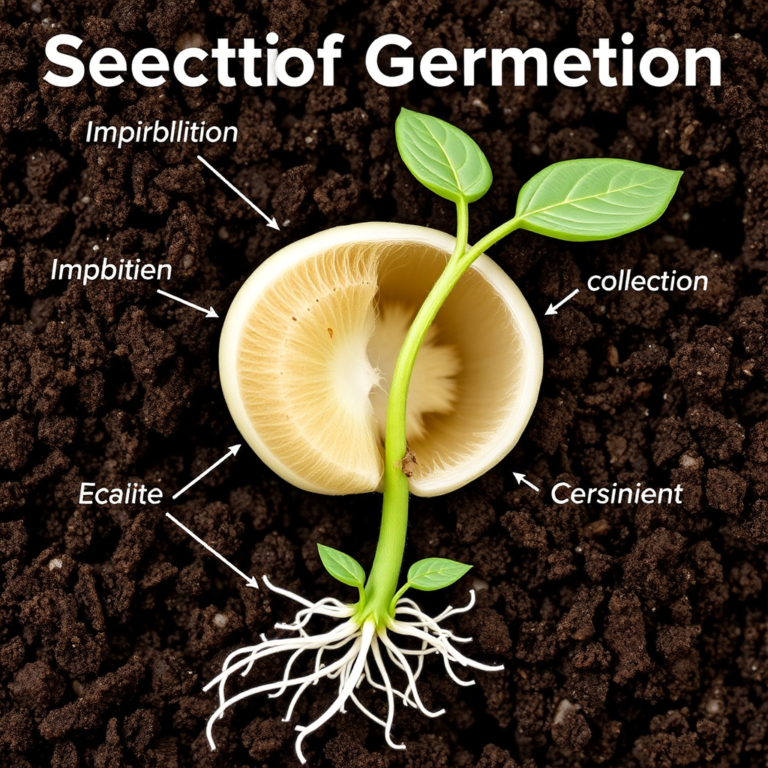
No till gardening avoids disrupting the natural layers and pores of the soil, protecting its structure and the delicate networks of fungi and roots within. This helps retain soil moisture and improves aeration, which supports plant growth.
By leaving the soil intact, the microbes and earthworms that drive nutrient recycling and organic matter breakdown remain active and healthy, creating a more fertile environment over time.
The Role of Cover Crops and Mulch
Cover crops protect the soil surface, reduce weed growth, and add organic matter when they decay. Mulch further insulates the soil and moderates temperature fluctuations.
Together, they maintain continuous soil cover—a key component of no till gardening—to prevent erosion, conserve moisture, and suppress weeds naturally.
- Common cover crops include clover, rye, and vetch
- Organic mulches can be straw, wood chips, or leaves
Benefits of No Till Gardening for Soil and Plants
Improved Soil Fertility and Moisture Retention
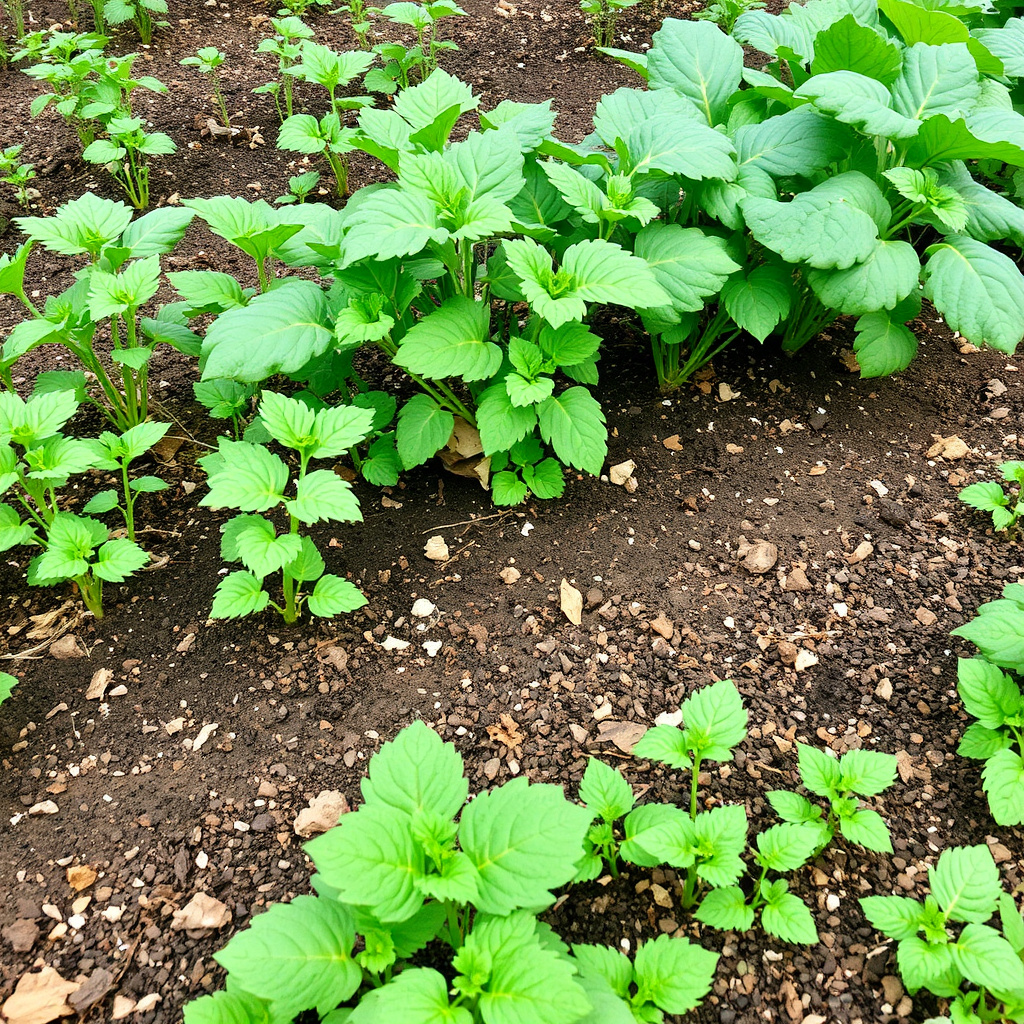
No till gardening enhances soil fertility by minimizing disturbance to microbial communities that fix nitrogen and decompose organic materials. This steady nutrient cycling supports robust plant growth.
The soil's ability to retain water improves because the earth's pores stay open, allowing moisture to penetrate deeply and reducing runoff.
Reduced Labor and Environmental Impact
Since no till gardening eliminates the need for tilling, it saves time and physical effort. The decreased soil disturbance also reduces carbon emissions from machinery and prevents erosion.
This hands-off method supports sustainable practices that benefit garden ecosystems and neighboring environments over time.
Common Challenges When Starting No Till Gardening

Weed Control Without Tilling
Without tilling to disrupt weed seeds, no till gardens often encounter initial weed pressure. Managing weeds requires careful use of mulches and cover crops to outcompete unwanted plants.
Regular monitoring and shallow cultivation with hand tools can help control weeds in the early years before the garden ecosystem stabilizes.
For more on this, see our related guide: How to Diagnose and Fix Common Seed Germination Problems.
Transitioning from Conventional Gardening Practices
Switching to no till gardening can be challenging for gardeners used to traditional methods. Initial soil conditions may require adjustments such as adding compost and promoting soil biology.
Patience is needed as the soil ecosystem gradually recovers, and the benefits of no till gardening become more apparent over several seasons.
How to Prepare Your Soil for No Till Gardening

Layering Organic Matter and Mulch
Building soil fertility in no till gardens relies on layering organic materials like compost, leaves, and straw directly on the soil surface without digging.
These layers break down naturally, feeding microbes and enriching the soil while preventing erosion and moisture loss.
- Compost
- Leaf litter
- Straw or hay mulch
Planting Techniques in No Till Beds
Instead of tilling, gardeners plant by creating small holes or slits in the mulch and soil. Precision tools or trowels help insert seeds or seedlings with minimal disturbance.
Maintaining soil cover around plants helps maintain moisture and protect roots, encouraging healthy establishment.
No Till Gardening Compared to Traditional and Raised Bed Methods
Differences in Soil Health Impact
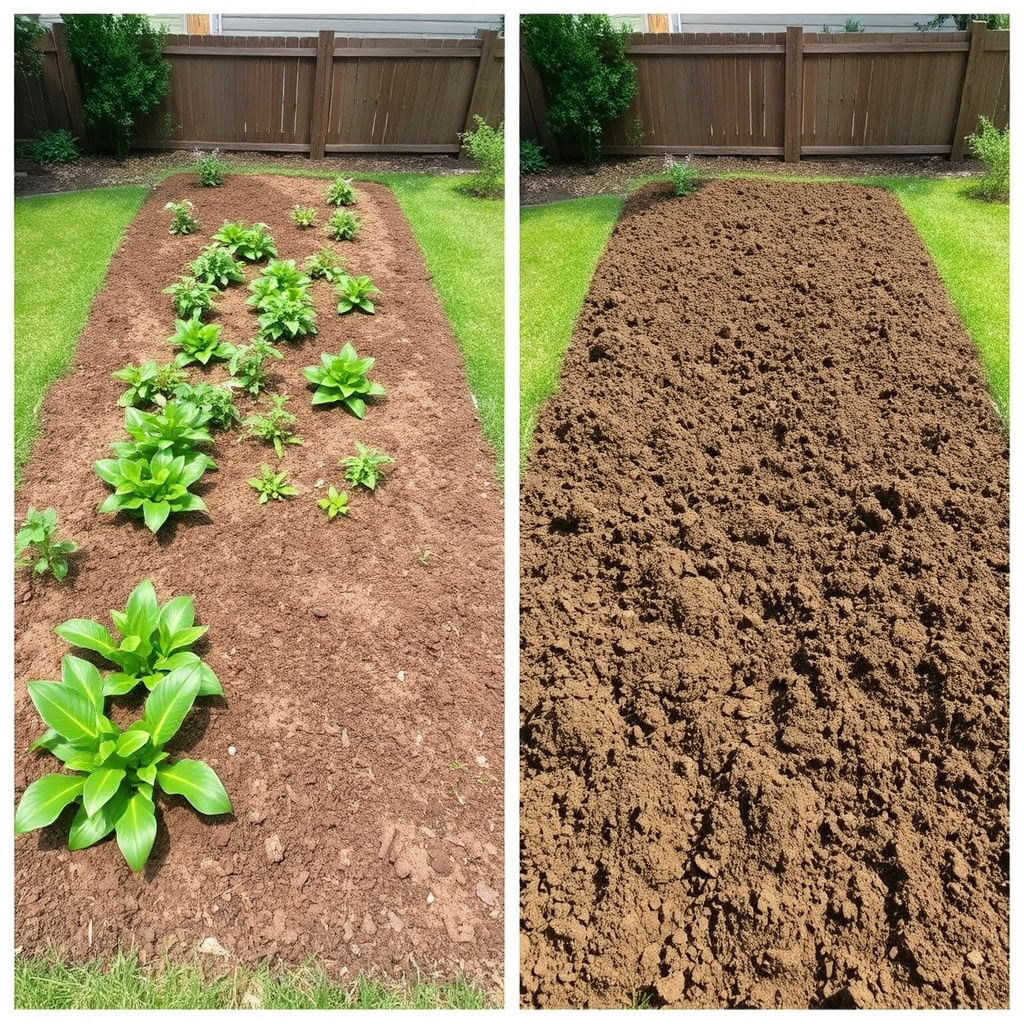
Traditional tilling disrupts the soil’s structure and biological communities, while no till gardening preserves these vital aspects. Raised beds often require tilling and soil replacement, altering natural soil dynamics.
No till methods foster long-term soil sustainability, whereas conventional methods can degrade soil over time.
For more on this, see our related guide: Why Are My Seeds Not Sprouting? Common Causes and Solutions.
Labor and Maintenance Requirements
No till gardening reduces labor by eliminating tilling and focusing on cover crops and mulches. Raised beds may need regular soil amendments and can dry out faster, requiring frequent watering.
Each method suits different gardening goals, but no till works well for gardeners prioritizing soil health and low maintenance.
Tools and Materials Commonly Used in No Till Gardening
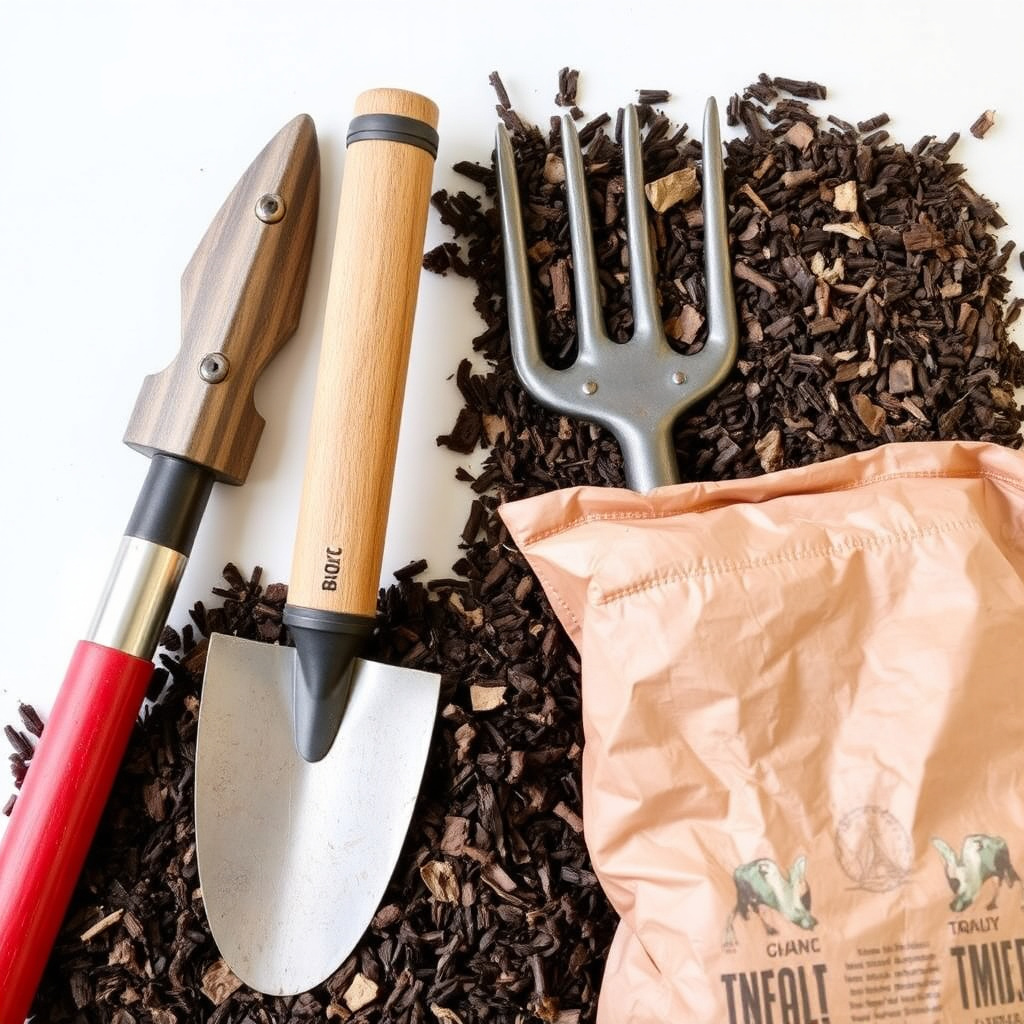
Essential Tools for Soil Access and Planting
Broadforks allow aeration without turning the soil and preserve its structure, a key no till goal. Hand trowels and dibbers help create planting holes through mulch layers with minimal disturbance.
These tools support gentle soil manipulation that maintains the health of the garden's microbial life.
- Broadfork
- Hand trowel
- Dibber or planting stick
For a broader understanding of no till principles used in agriculture, consult the Wikipedia article on No-till farming practices. No-till farming practices.
Choosing Organic Mulches and Amendments
Using organic mulches like straw, wood chips, and leaf mold supports soil life and moisture retention. Amendments such as compost and manure provide nutrients without tilling.
Selecting materials free of herbicides and pesticides helps keep the garden ecosystem balanced.
- Straw mulch
- Wood chips
- Compost
- Well-rotted manure
No Till Gardening vs Other Gardening Methods
The table below compares no till gardening to conventional tilling, raised beds, and container gardening across key factors.
| Method | Soil Disturbance | Labor Intensity | Soil Health Impact | Water Retention |
|---|---|---|---|---|
| No Till Gardening | Minimal | Low | High – preserves microbial life | Excellent |
| Conventional Tilling | High – turns soil | High | Degrades over time | Moderate |
| Raised Beds | Moderate – initial prep | Moderate | Variable – amended soil | Good but dries quickly |
| Container Gardening | None | Low | Dependent on medium used | Depends on watering frequency |
Frequently Asked Questions
Can I convert my existing garden to no till gardening?
Yes, converting involves stopping tilling and adding organic mulch layers. It may take time for the soil ecosystem to adjust and perform well.
How do no till gardens manage weed growth?
Weed control depends on thick mulches, cover crops, and occasional hand-weeding to suppress unwanted plants without soil disturbance.
Is no till gardening suitable for small urban gardens?
Absolutely, no till gardening works well in any space where minimizing labor and improving soil health are priorities.
What types of plants grow best with no till methods?
Most vegetables and flowers adapted to loose, fertile soil grow well; root crops may require slight soil loosening but benefit from overall improved soil conditions.
Does no till gardening reduce water usage?
Yes, maintaining soil cover and structure enhances moisture retention, reducing the need for frequent watering.
Key Takeaways
- No till gardening improves soil health by preserving structure and microbial life.
- Cover crops and mulch are vital for weed suppression and moisture retention.
- Transitioning requires patience, especially for weed management.
- No till reduces labor and environmental impact compared to conventional tilling.
Conclusion
Choosing a gardening method depends on your goals, available time, and environmental values. No till gardening stands out for preserving soil health, encouraging beneficial organisms, and maintaining moisture without mechanical disturbance. It offers a sustainable approach that reduces effort while enriching the soil for future seasons. Understanding how your soil ecosystem functions can guide your transition to this gentler technique effectively.
For gardeners seeking reduced labor and long-term soil fertility, adopting no till methods with cover crops and organic mulches can transform your garden's productivity. Raised beds and traditional tilling may suit specific scenarios, like heavy clay soils or intensive gardening, but the absence of tilling leads to a resilient and vibrant soil community that supports healthy plants naturally.
If you're inspired to try no till gardening, start by applying a thick layer of organic mulch and introducing cover crops suited to your climate. Use minimal soil disturbance planting tools and monitor weeds closely in the first years. Over time, your garden will develop a rich, stable soil structure that benefits plants, reduces water needs, and supports a thriving ecosystem.