Why Are My Seeds Not Sprouting? Common Causes and Solutions
When your seeds refuse to sprout, the most frequent causes are improper soil conditions, incorrect watering, or unsuitable temperature. Seeds generally need the right moisture, warmth, and light to initiate germination, so missing any of these factors can prevent them from growing.
Understanding why your seeds aren't sprouting matters because successful seed germination is the foundation of healthy plants. Without this stage going smoothly, efforts in gardening or farming might be wasted, and patience can wear thin. A few adjustments based on the seed type and environment could make a big difference.
This article will explore the main reasons seeds fail to sprout, including seed viability, soil quality, watering, and temperature issues. It will also cover techniques to improve germination success and troubleshoot common issues that cause seed germination problems.
Seed Quality and Viability
Understanding Seed Viability
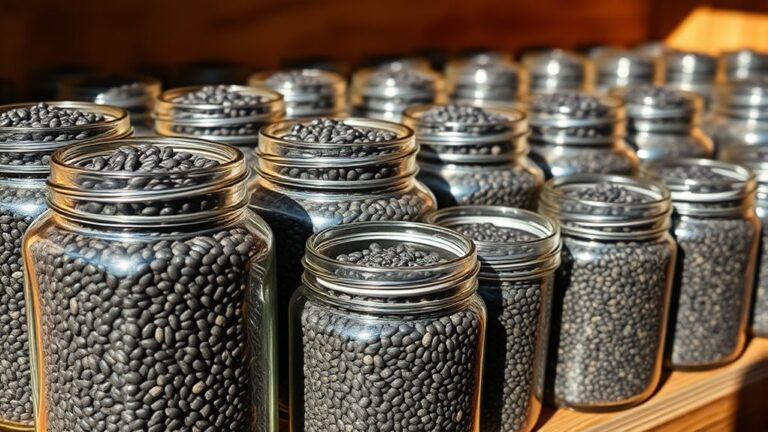
Seed viability refers to whether a seed is alive and capable of germinating. Older seeds or those stored improperly can lose viability over time, decreasing germination rates. Testing seed viability before planting can save time and effort by identifying seeds that won't grow.
Factors affecting seed viability include age, storage conditions such as humidity and temperature, and seed type. Some seeds last only a year, while others can remain viable for several years if stored correctly.
- Store seeds in a cool, dry place
- Use a seed viability test such as a germination test
- Purchase fresh seeds from reliable sources
How to Test Seed Viability Yourself
A simple method to check seed viability is the paper towel germination test: place seeds between moist paper towels, keep them warm and check if they sprout within the expected period. This test can predict how many seeds are likely to germinate under garden conditions.
Keep in mind that even viable seeds may not sprout if conditions aren't right, so this test isolates seed quality from environmental factors.
- Moisten paper towels but avoid soaking
- Place seeds spaced out to avoid mold
- Maintain warmth between 65°F and 75°F
- Check daily for sprouting over 7-14 days
Soil Conditions Affecting Seed Sprouting
Soil Type and Texture
Seeds require a well-draining but moisture-retentive soil medium for sprouting. Heavy clay soils can suffocate seeds by retaining too much water, while sandy soils may dry out quickly. A fine, loose soil mix that allows air circulation is ideal for most seeds.
Soil sterilization before planting can reduce pathogens that attack young seedlings, improving sprout survival rates.
- Use seed-starting mix or light potting soil
- Avoid compacted or overly wet soil
- Sterilize soil by baking or using heat
For more on this, see our related guide: How Deep to Plant Cannabis Seeds for Best Germination Results.
Moisture Levels: Not Too Wet or Dry
Keeping soil consistently moist but not waterlogged is critical. Dryness halts germination, while excess water can rot seeds or foster fungal diseases. Soil surface should feel damp to the touch but not soggy throughout the germination period.
Using a spray bottle rather than a heavy watering can help apply moisture gently and evenly.
- Water lightly and regularly
- Cover seeds with a plastic dome or plastic wrap to maintain humidity
- Remove covering once sprouts emerge
Temperature and Light Requirements
Ideal Temperature Ranges for Germination
Most seeds germinate best between 65°F and 75°F (18°C to 24°C). Temperatures too low can stall sprouting, while too high can dry out seeds or kill embryos. Some seeds have specific temperature needs, such as warm-season versus cool-season crops.
Using a heat mat or placing seeds in a warm location can create optimal conditions, particularly during cooler months.
- Check seed packet for temperature recommendations
- Consider ambient room temperatures
- Use supplemental heat if needed
Light vs. Dark: What Seeds Need
Some seeds require light to germinate while others sprout better in darkness. For example, lettuce seeds need light exposure, whereas tomato seeds prefer darkness. Checking seed-specific light requirements can avoid sprouting failures.
If in doubt, cover seeds lightly with soil or leave them uncovered according to instructions.
- Follow seed packet advice on light needs
- Use fluorescent or LED grow lights if indoors
- Avoid exposing seeds needing darkness to light
Common Environmental and Biological Issues
Damping-Off Disease and How to Prevent It
Damping-off is a fungal disease that causes seedlings to rot at soil level before or shortly after sprouting. Overwatering, poor air circulation, and contaminated soil encourage this issue. Prevention includes using sterile soil, proper watering, and spacing.
Treating soil with natural fungicides or using biological controls can reduce fungal spores and improve seedling survival.
- Avoid overwatering
- Use well-draining soil
- Maintain good air circulation
- Sterilize equipment and containers
For more on this, see our related guide: Can Old Cannabis Seeds Still Germinate? A Practical Guide.
Pests Impacting Seed Germination
Seeds and young sprouts are vulnerable to insects like fungus gnats, ants, and seed maggots that feed on seeds or roots. Using physical barriers such as fine mesh or monitoring for pests can help protect seedlings.
Biological controls like nematodes or organic insecticides may be necessary if infestations occur.
- Inspect seeds before planting
- Use pest deterrents suitable for seedlings
- Keep planting areas clean and free of debris
Techniques to Improve Seed Germination Success
Pre-Soaking and Scarification Methods
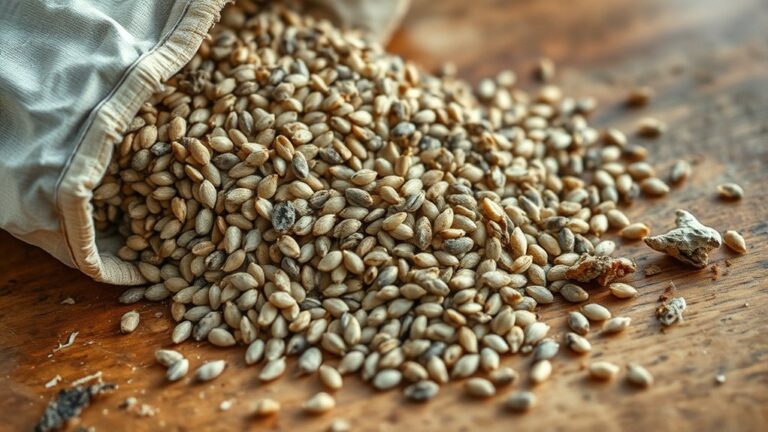
Pre-soaking seeds in water for several hours or overnight can help soften hard seed coats and speed germination. Scarification, which involves gently nicking or sanding the seed coat, allows water to penetrate, especially for tough seeds like beans or morning glories.
These methods break dormancy and encourage more uniform sprouting.
- Soak seeds in lukewarm water before planting
- Use sandpaper or a nail file for scarification
- Avoid damaging the embryo inside
For a deeper understanding of the biological process, you can explore the seed germination details on Wikipedia. seed germination details on Wikipedia.
Stratification and Cold Treatments
Some seeds require a cold period called stratification to mimic winter conditions before they will sprout. This process generally involves keeping seeds moist and refrigerated for weeks.
Stratification helps overcome seed dormancy and is common for perennials and certain trees.
- Place seeds in damp paper towels inside a sealed bag
- Refrigerate at 34°F to 41°F (1°C to 5°C) for 2-12 weeks
- Follow species-specific stratification durations
Comparison of Seed Types and Their Germination Challenges
This table summarizes common seed types, their typical germination difficulties, and recommended conditions for improved sprouting success.
| Seed Type | Typical Germination Time | Common Germination Problems | Recommended Temperature Range |
|---|---|---|---|
| Tomato | 5-10 days | Needs warmth, prefers darkness | 70°F-75°F |
| Lettuce | 7-14 days | Requires light exposure | 60°F-70°F |
| Beans | 7-14 days | Hard seed coat, benefits from scarification | 65°F-80°F |
| Carrots | 14-21 days | Slow to germinate, sensitive to drought | 60°F-70°F |
| Perennials (e.g., Coneflower) | 14-30 days | Often require stratification | Variable; often needs cold treatment |
| Herbs (e.g., Basil) | 5-10 days | Sensitive to overwatering, needs warmth | 70°F-85°F |
Frequently Asked Questions
Can old seeds still sprout?
Old seeds can lose viability and may sprout poorly or not at all. Testing viability with a germination test helps determine their usefulness before planting.
How much water do seeds need to sprout?
Seeds require consistently moist but not waterlogged conditions. Overwatering can rot seeds, while dryness stops germination.
Should I plant seeds deep or shallow?
Most seeds should be planted at a depth about twice their size, but this varies. Light-dependent seeds like lettuce should not be covered with soil.
Why do seedlings die right after sprouting?
Seedlings often die due to damping-off disease, caused by fungi favored by overwatering and poor ventilation.
Does light affect seed germination?
Some seeds require light to germinate while others need darkness. Checking seed-specific requirements helps ensure better sprouting.
Key Takeaways
- Seed viability and freshness strongly influence sprouting success.
- Proper soil texture and moisture balance are essential for germination.
- Exact temperature and light conditions vary by seed type.
- Preventing disease and pests protects seedlings during early growth.
Conclusion
Understanding why your seeds may not be sprouting involves evaluating seed quality, environmental factors such as soil conditions, temperature, and moisture, as well as addressing potential pests and diseases. By methodically checking these aspects, you can narrow down the cause and take appropriate steps to foster healthy germination. Careful attention to the needs of individual seed types and their unique requirements for light or cold treatment also plays a key role in improving outcomes.
For gardeners struggling with seed germination problems, selecting fresh seeds from reliable sources and performing viability tests can eliminate the uncertainty of weak seeds. Using well-draining, sterile soil and maintaining consistent moisture without overwatering addresses many common failures. Temperature control with heat mats or greenhouse environments helps meet the thermal needs of various seeds, while techniques such as soaking, scarification, or stratification can break dormancy for tougher varieties. Additionally, monitoring for damping-off disease and protecting against pests ensures seedlings develop beyond the fragile sprouting stage.
If your seeds are not sprouting, start by testing a small batch using the paper towel method to confirm viability. Then, replicate the ideal conditions tailored to their needs, paying special attention to moisture, soil texture, and temperature ranges highlighted in this guide. By systematically adjusting your approach, you will increase your chances of a thriving garden or indoor planting success.