What is a Pelleted Seed? Understanding Pelleted Seeds and Their Benefits
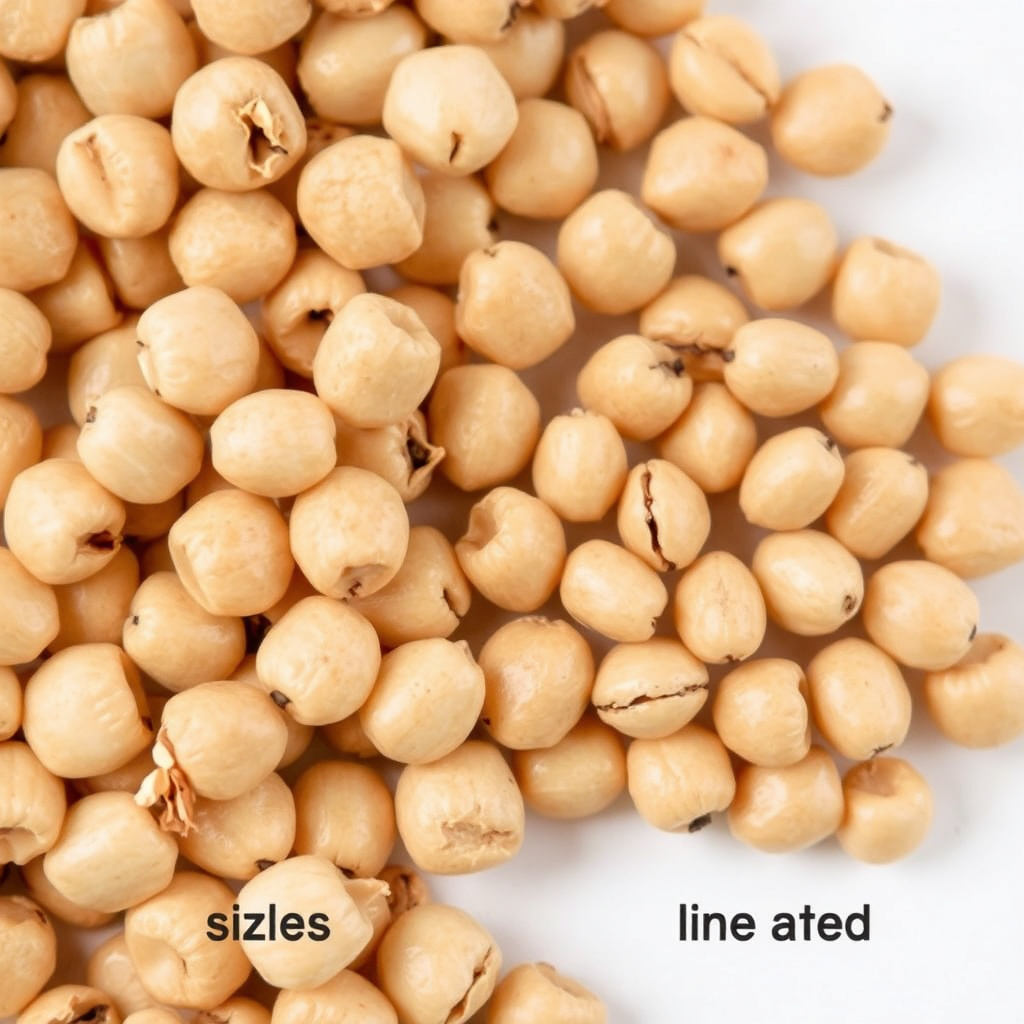
A pelleted seed is a regular seed that has been coated with inert materials—such as clay, polymers, or other substances—to form a uniform, smooth, and often spherical shape. This coating increases the seed's size and weight, making it easier to handle, plant precisely, and in some cases, protect the seed from pests or improve germination conditions.
Pelleting seeds matters because many vegetable and flower seeds are naturally tiny, irregularly shaped, or fragile, which can complicate mechanical or manual sowing. By pelleting these seeds, growers gain better planting accuracy and improved seeding rates, resulting in more consistent plant stands and efficient production.
This article will explain the process of seed pelleting, explore the different types and materials involved in seed coating technology, detail the benefits and limitations of using pelleted seeds, and offer guidance on selecting and sowing pelleted seeds for various applications.
Understanding the Process of Seed Pelleting

How Seeds Are Pelleted
Seed pelleting typically involves applying layers of inert materials such as clay, gypsum, limestone, or polymers onto seeds in a rotating drum. These layers are built up to achieve a uniform size, shape, and weight suitable for mechanical sowing or easier manual handling.
The coating process carefully maintains seed viability by avoiding excessive moisture and temperature changes. The thickness of the pelleting varies depending on seed size and the equipment used for sowing, ensuring the final pellet meets specific requirements.
Materials Used in Pelleting
Pelleting materials commonly include natural clays, calcium carbonate, and sometimes plastic polymers that provide smoothness and durability. Depending on the desired properties, coating formulations may also incorporate nutrients, pesticides, or colorants to assist identification and enhance plant health.
Choosing the right pelleting material balances cost, seed protection, and sowing efficiency. Some coatings improve moisture retention to encourage germination, while others focus on ease of seed metering during planting.
Benefits of Using Pelleted Seeds
Improved Planting Accuracy and Efficiency
Pelleted seeds’ uniform shape and weight allow precise placement in seed trays and mechanical planters. This reduces seed wastage and helps achieve consistent spacings, critical for commercial vegetable and flower production.
Seed pelleting aids in calibrating sowing equipment for better distribution, minimizes double or missed seed plantings, and speeds up planting operations.
- Facilitates mechanical sowing for small seeds
- Reduces seeding errors and overlap
- Allows for consistent seed depth placement
Enhanced Seed Protection and Germination
Coatings can physically shield seeds from pests, handling damage, and environmental stress during sowing. Some pelleting formulations incorporate fungicides or nutrients that improve establishment.
Furthermore, pelleted seeds often benefit from more uniform moisture absorption, promoting synchronized germination and stronger seedlings.
- Protects delicate seeds during handling
- May contain treatments to deter pests or diseases
- Supports steadier moisture uptake for germination
Types of Pelleted Seeds and Their Applications

Vegetable Seeds
Many small vegetable seeds such as lettuce, carrot, onion, and celery are commonly pelleted to facilitate sowing either by hand or by seeders in commercial greenhouses and farms.
Since these seeds are often tiny and irregular in shape, pelleting ensures better singulation and reduces the chance of uneven germination.
Flower Seeds
Pelleting is popular with ornamental flower seeds like petunias, snapdragons, and pansies to improve the ease of sowing and uniformity in garden production.
Uniform pelleted seeds simplify transplant production by ensuring consistent spacing and plant development.
Limitations and Considerations of Pelleted Seeds

Additional Cost and Complexity
Pelleted seeds generally cost more than raw seeds due to the additional materials and processing steps. For some crops or small-scale gardeners, this cost may be unnecessary and avoidable.
Also, improper pelleting can hinder germination if coatings are too thick, or may cause uneven water absorption, so quality control is important.
Handling and Storage Requirements
Pelleted seeds can be more sensitive to physical damage during transport due to their added bulk. They may require careful storage to avoid coating degradation or mold growth if coatings absorb too much moisture.
Growers should consult specific handling guidelines to maintain seed vitality while using pelleted seeds.
How to Select and Use Pelleted Seeds
Choosing Pelleted Seeds for Your Crop
Consider the seed size, sowing method, and scale of production when selecting pelleted seeds. For tiny seeds or high-volume mechanized planting, pelleted seeds offer clear advantages.
Evaluate if the benefits in planting precision and germination outweigh the extra cost and effort involved in sourcing pelleted seed varieties.
For more details on the materials and science behind seed pelleting, visit this pelleted seed article on Wikipedia. Pelleted seed article on Wikipedia.
Best Practices for Sowing Pelleted Seeds
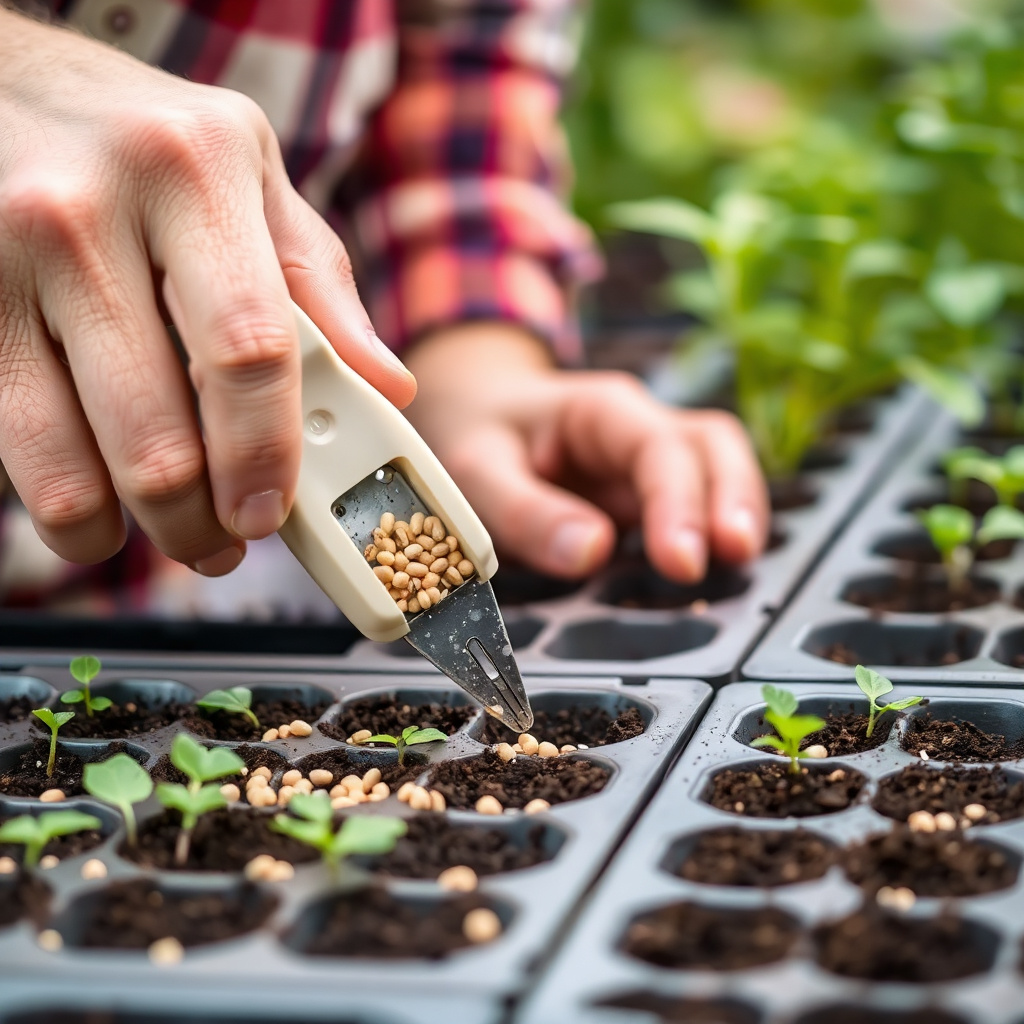
Use calibrated sowing equipment designed for pelleted seeds or sow by hand using tools that accommodate their larger size. Maintain proper moisture and temperature conditions as indicated for the specific crop to encourage germination.
Avoid damaging the coating during sowing and follow any treatment or storage recommendations listed by the seed supplier.
- Do not soak pelleted seeds unless stated
- Maintain consistent seedbed moisture
- Calibrate machinery for pellet size and weight
Comparison of Raw vs. Pelleted Seeds for Common Vegetable Crops
This table highlights the differences in seed handling, planting accuracy, cost, and germination characteristics between raw and pelleted seeds.
| Seed Type | Handling Ease | Planting Accuracy | Cost | Germination Uniformity |
|---|---|---|---|---|
| Raw Lettuce Seed | Difficult due to small size | Low | Low | Variable |
| Pelleted Lettuce Seed | Easy, uniform size | High | Medium | High |
| Raw Carrot Seed | Fragile, irregular shape | Low | Low | Variable |
| Pelleted Carrot Seed | Robust, spherical | High | Medium | High |
| Raw Onion Seed | Tiny, irregular | Low | Low | Moderate |
| Pelleted Onion Seed | Uniform, heavier | High | Medium | High |
Frequently Asked Questions
Do pelleted seeds germinate faster than raw seeds?
Pelleted seeds do not inherently germinate faster, but the coating can provide consistent moisture conditions that promote more uniform and sometimes quicker germination compared to raw seeds.
Can pelleted seeds be soaked before planting?
Generally, soaking pelleted seeds is not recommended unless specified by the supplier, as soaking may damage the coating or hinder seed viability.
Are pelleted seeds suitable for all planting methods?
Pelleted seeds excel in mechanical and precision sowing but can also be used in hand planting. However, they may be unnecessary for direct sowing methods that can handle raw seeds effectively.
Can pelleting improve seed storage life?
Pelleting offers some protection but does not significantly extend seed storage life. Proper storage conditions remain critical for maintaining seed viability.
Is pelleting the same as seed coating?
Pelleting is a type of seed coating that adds bulk and uniformity, while seed coating broadly includes treatments that may or may not change seed size or shape.
Key Takeaways
- Pelleted seeds are coated with inert materials to create uniform shape and size for easier planting.
- They improve planting accuracy and can protect seeds, enhancing germination uniformity.
- Pelleting is common for tiny vegetable and flower seeds that are difficult to handle.
- Consider cost, sowing method, and crop needs when choosing pelleted seeds.
Conclusion
Deciding whether to use pelleted seeds revolves around considering your planting methods, seed type, and production goals. The main value of pelleted seeds lies in their uniform size and shape, which facilitates precise sowing and reduces seed wastage. This direct benefit can lead to more uniform plant stands and efficient use of seed resources—especially helpful in commercial production where mechanized sowing is common. Balancing the added cost against these advantages helps you determine the suitability of pelleted seeds for your specific application.
For small seeds with irregular shapes like lettuce, carrot, or onion, pelleted seeds offer improved sowing accuracy and can protect fragile seeds during handling. Professional growers using seedling trays or automated planters benefit the most, as pelleted seeds simplify calibration and lead to consistent results. Conversely, home gardeners or those planting larger seeds by hand might find raw seeds sufficient and prefer to save on costs. Evaluating your sowing equipment compatibility and seed cost impact will guide your decision effectively.
If you decide pelleted seeds suit your needs, ensure correct storage and sowing practices to maintain seed viability. Use calibrated equipment or appropriate hand-sowing tools designed for pelleted seeds to optimize results. Watching for any specific supplier guidelines ensures the coatings do not hinder germination. Overall, pelleted seeds provide a practical advancement in seed technology, enhancing reliability for crops where planting uniformity and operational speed are priorities.