Is It Legal to Grow Hemp at Home? Understanding Your Rights and Restrictions
Yes, growing hemp at home is legal in many areas, but the rules depend heavily on federal law and your state’s specific regulations. Under the 2018 U.S. Farm Bill, industrial hemp—with less than 0.3% THC—is federally legal, but states may have their own licensing or registration requirements for home growers.
Knowing the exact conditions where you live is important because regulations can vary widely. Some states allow personal cultivation without a license, while others require registration or forbid growing hemp at home altogether. The distinction between hemp and marijuana is critical here because marijuana remains federally illegal and heavily regulated.
This article explores the legal landscape surrounding hemp cultivation at home, detailing federal policies and state-by-state variations. You’ll also learn about permitted plant varieties, necessary permits, and penalties for noncompliance, helping you determine the best way to grow hemp legally where you live.
Understanding Federal Hemp Laws
The 2018 Farm Bill and Hemp Legality
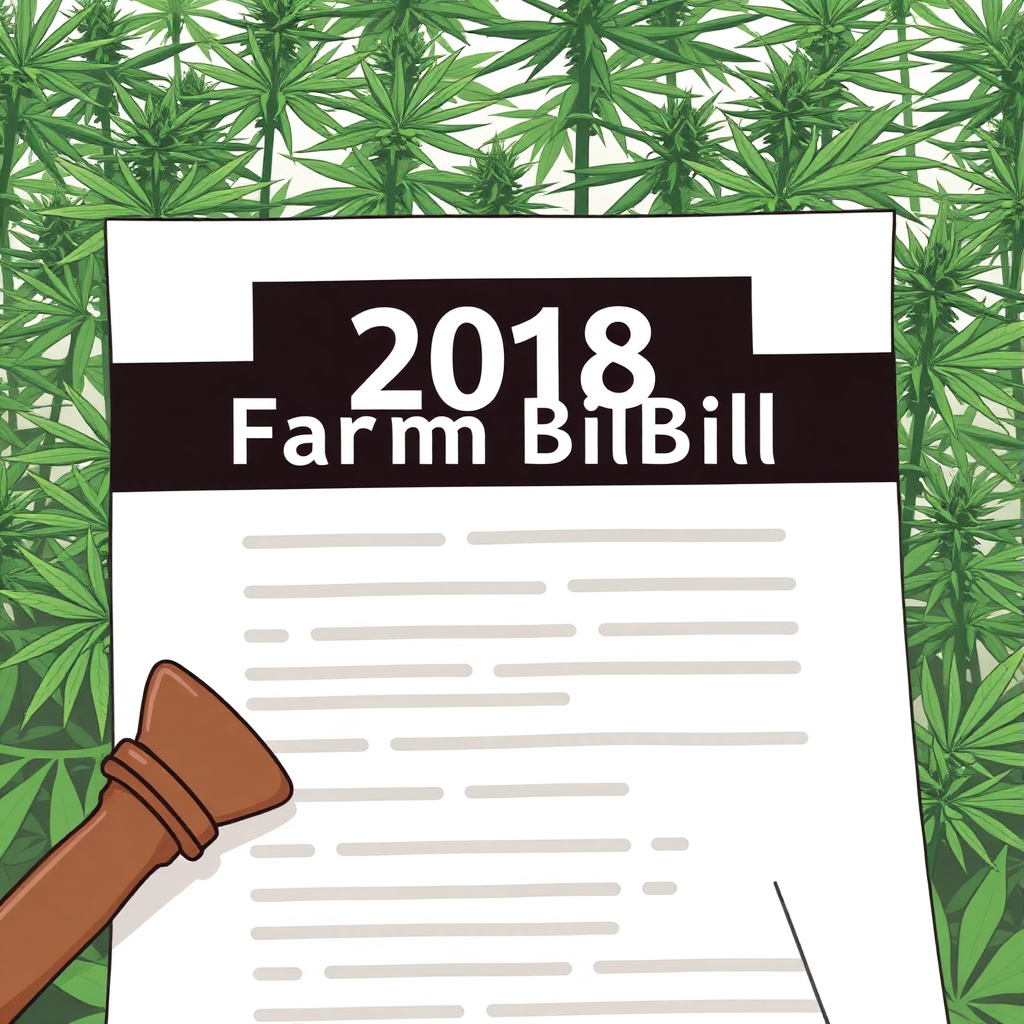
The Agriculture Improvement Act of 2018, commonly called the 2018 Farm Bill, removed hemp from the Controlled Substances Act, legalizing hemp nationwide at the federal level if it contains less than 0.3% THC on a dry weight basis. This legislation opened the door for growers and businesses to legally cultivate, process, and sell hemp and hemp-derived products across state lines.
However, the bill also directs that hemp cultivation must comply with state plans approved by the USDA or default to federal regulations. This means states have a degree of control over licensing, seed sourcing, and testing, especially when it comes to hemp grown for commercial use, impacting home growers as well.
Defining Hemp vs. Marijuana Under Federal Law
Federal law distinguishes hemp from marijuana primarily by THC content. Hemp is defined as cannabis with no more than 0.3% THC, the psychoactive compound, while marijuana exceeds this threshold. This classification affects cultivation rights, with hemp growers enjoying more legal protections.
Because home cultivation laws often hinge on this distinction, growing plants that exceed the THC limit—even unintentionally—can lead to legal issues. Accurate testing and sourcing certified low-THC seeds are crucial to avoid violating federal and state laws.
State Regulations on Growing Hemp at Home
States Permitting Home Hemp Cultivation
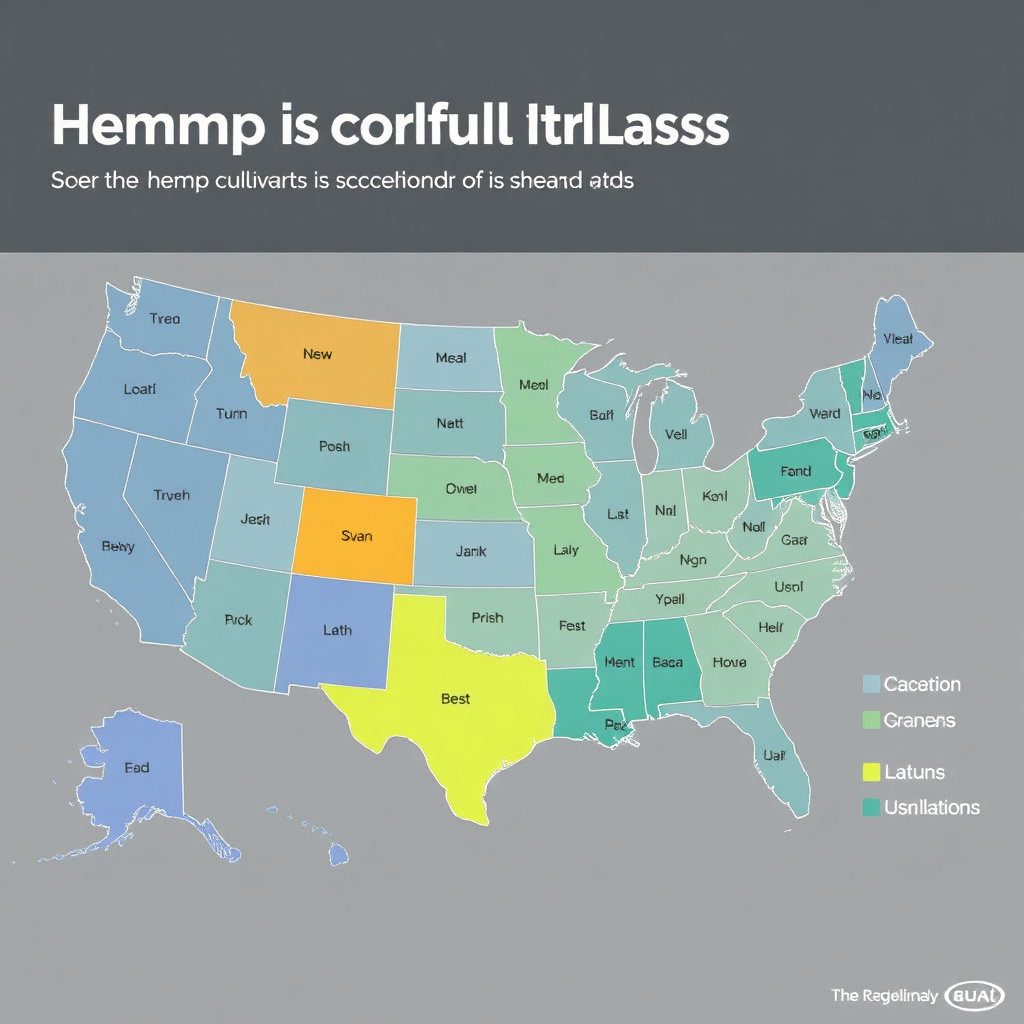
Several states, including Colorado, Oregon, and Kentucky, allow licensed or unlicensed individuals to grow hemp at home, typically under specific conditions like plant count limits or registration with agricultural authorities. Some require obtaining a hemp grower’s license even for personal use.
These states often have clear guidelines on seed certification, THC testing, and reporting requirements, ensuring home growers remain compliant. Understanding and following state-specific regulations is essential to avoid fines or seizure of crops.
- Plant count restrictions
- Seed certification requirements
- Necessary registration or licensing
- Testing and reporting mandates
States Restricting or Prohibiting Home Cultivation
Conversely, states like Idaho and Nebraska have stricter stances, prohibiting all hemp cultivation or only allowing commercial hemp farming under tight controls, effectively banning home growth. In these areas, unauthorized hemp cultivation—even if the THC level is compliant—can lead to serious legal consequences.
Some states may allow commercial licensed hemp farming but restrict personal cultivation to prevent confusion with marijuana or unauthorized drug production. Checking local state laws before planting hemp at home is imperative.
- Complete bans on home hemp growing
- Only commercial licensed hemp farming allowed
- Strict enforcement and penalties
- Possible confusion with marijuana laws
Licensing and Registration Requirements for Home Hemp Growers
When and How to Obtain a Hemp Growing License
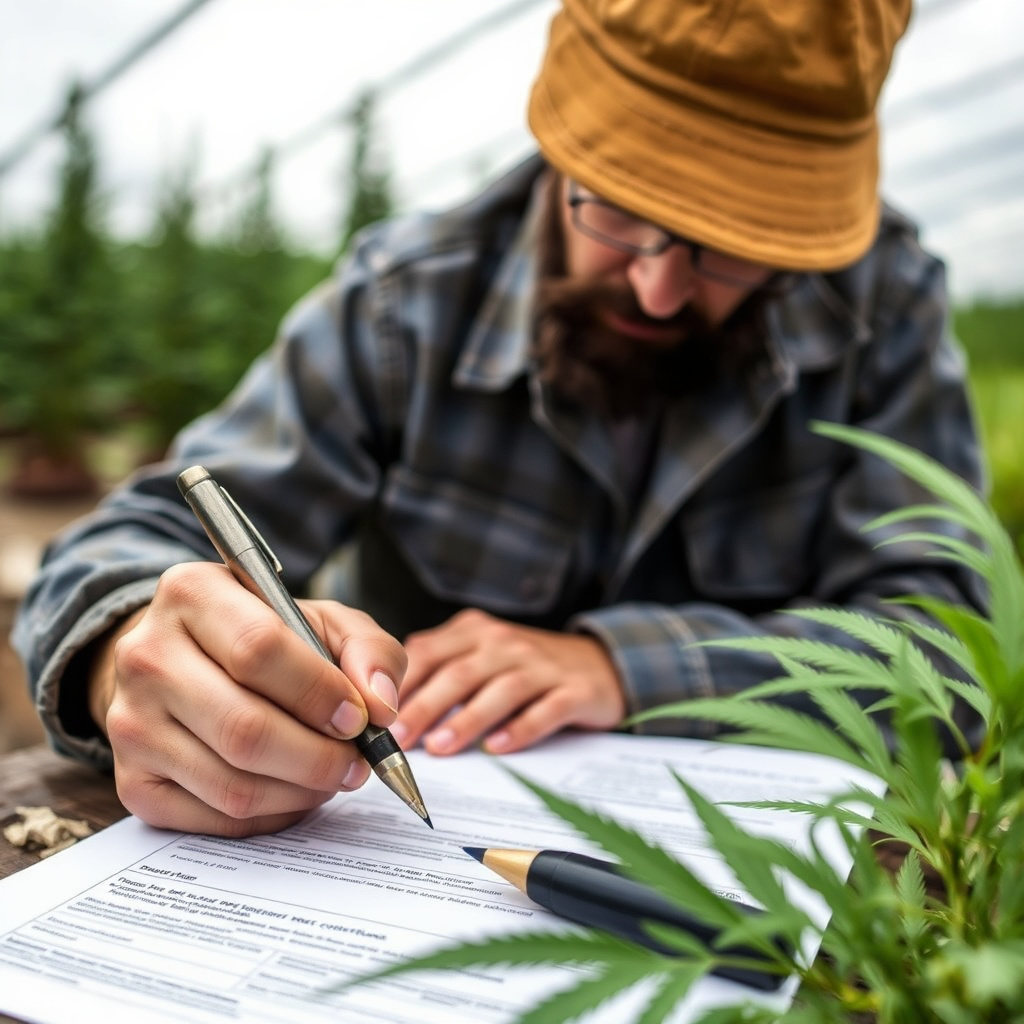
Many states require anyone growing hemp, including home growers, to apply for a license through the state department of agriculture. The application process usually involves providing personal information, details about the growing site, and agreeing to testing and inspection protocols.
Licensing fees vary widely, from a nominal charge to hundreds of dollars. The approval process can take several weeks, and licenses may limit the number of plants allowed. Failing to obtain a license when required can result in penalties or confiscation of your plants.
- Submit personal and site information
- Pay applicable fees
- Agree to testing and inspections
- Follow state-specific application timelines
For more on this, see our related guide: Are Cannabis Seeds Legal in the USA? Understanding the Legal Landscape.
Voluntary Registration and Notification Programs
Some states offer voluntary hemp grower registrations aimed at providing legal protection without issuing a formal license. These programs require notifying authorities of hemp cultivation plans and agreeing to sample testing for THC compliance.
Voluntary programs tend to be more flexible and less costly, but they still create a legal record of your hemp cultivation, which can prevent misunderstandings with law enforcement. When available, participating in these programs is advised for home growers seeking legal clarity.
- Notification of intended hemp cultivation
- Agreement to THC compliance testing
- Lower costs compared to full licenses
- Provides legal protection and transparency
Best Practices for Compliant Home Hemp Cultivation

Choosing Certified Hemp Seeds and Monitoring THC Levels
Starting with certified hemp seeds from reputable suppliers is fundamental to staying within legal THC limits. Certified seeds guarantee that plants are genetically predisposed to meet the federal definition of hemp, reducing the risk of producing illicit marijuana plants accidentally.
Regularly testing your plants during the growing season, especially before harvest, can identify if THC levels approach or exceed the 0.3% threshold. Sampling services or state-provided testing programs can assist growers in verifying compliance safely.
- Use certified seeds only
- Schedule testing near harvest
- Avoid cross-pollination with marijuana
- Document test results and certificates
Security, Record-Keeping, and Inspections
Maintaining secure growing areas to prevent theft or unintended spreading of hemp plants is recommended. Keeping detailed records of planting dates, seed sources, and testing results not only helps growers stay compliant but also serves as evidence if questioned by authorities.
Home growers should be prepared for state or federal inspections, which may involve sample collection, site visits, or questioning. Proper documentation and secure practices facilitate smooth inspections and deter legal problems.
- Lock enclosures or controlled access
- Track planting and testing data
- Prepare for scheduled inspections
- Maintain transparency with officials
Legal Risks and Penalties for Noncompliance
Consequences of Growing Marijuana Instead of Hemp
Accidentally—or intentionally—growing cannabis plants with THC levels above 0.3% can lead to serious criminal charges since marijuana remains federally illegal. Penalties may include fines, destruction of crops, and possible jail time depending on jurisdiction and quantity grown.
State authorities may also revoke licenses and bar offenders from future hemp cultivation programs. This risk highlights the importance of testing and sticking to certified hemp seeds to avoid inadvertent legal violations.
For more on this, see our related guide: How to Choose High CBD Cannabis Seeds for Maximum Therapeutic Benefits.
Penalties for Growing Hemp Without Required Licenses
In states requiring licenses, growing hemp without proper authorization can result in penalties such as civil fines, crop forfeiture, and potential misdemeanor or felony charges depending on local laws. These punishments can escalate with repeated offenses.
Even in states with more lenient regulations, failure to comply with testing, reporting, or registration rules might lead to enforcement actions. Staying fully informed on your state’s hemp cultivation laws protects you from legal trouble.
Resources and Support for Home Hemp Growers

Government Agricultural Extension Services
Many state agriculture departments and university extension offices offer resources such as workshops, guides, and testing referrals specifically for hemp cultivation. These programs help home growers learn about legal compliance and best cultivation techniques.
Extension services often provide updates on changing laws and facilitate communication with regulators, serving as trustworthy contacts for questions or concerns about growing hemp legally at home.
For more detailed background on hemp, its uses, and regulations, you can visit the comprehensive hemp article on Wikipedia. Hemp article on Wikipedia.
Industry Associations and Networking Groups
Joining hemp grower associations or local farming groups can connect home cultivators with experienced professionals. These organizations share knowledge on navigating hemp cultivation laws and offer collective advocacy efforts to influence policy improvements.
Engagement in these communities can provide insights into seed suppliers, testing labs, and legal experts, which is invaluable for new hemp growers aiming to remain compliant and successful.
Comparison of Home Hemp Cultivation Regulations by State
This table summarizes key legal requirements and restrictions in selected states regarding growing hemp at home.
| State | Home Cultivation Allowed | License Required | Plant Count Limit | Testing Required |
|---|---|---|---|---|
| Colorado | Yes | Yes | Up to 10 plants | Yes |
| Kentucky | Yes | Optional registration | Up to 5 plants | Sometimes |
| Idaho | No | N/A | N/A | N/A |
| Oregon | Yes | Yes | No specified limit | Yes |
| Nebraska | No | N/A | N/A | N/A |
| Texas | Yes | Yes | No set limit | Yes |
Frequently Asked Questions
Can I grow hemp at home without a license?
It depends on your state. Some states allow license-free home cultivation with plant limits, while others require a license or registration. Always check your local regulations before planting.
How is hemp different legally from marijuana?
Hemp contains 0.3% THC or less, making it federally legal and less regulated, whereas marijuana exceeds this limit and remains illegal federally and in many states.
What happens if my hemp's THC level is too high?
Plants exceeding 0.3% THC may be classified as marijuana, risking crop destruction and legal penalties including fines or criminal charges.
Are there penalties for growing hemp without testing?
Yes, many states require THC testing to verify compliance. Failing to test as required can result in fines, license revocation, or crop destruction.
Where can I get certified hemp seeds for home cultivation?
Certified seeds are available from state-approved suppliers or agricultural extensions. Using certified seeds helps ensure your plants stay within legal THC limits.
Key Takeaways
- Federal law allows hemp cultivation if THC is below 0.3%, but state rules vary.
- Many states require licenses or registrations for home hemp growing.
- Certified seeds and regular THC testing help prevent legal problems.
- Noncompliance risks include fines, crop destruction, and criminal charges.
Conclusion
Navigating whether it's legal to grow hemp at home requires careful attention to both federal and state laws. The 2018 Farm Bill set the foundation by legalizing hemp nationally but left considerable authority to states to regulate hemp cultivation tightly. This decentralized legal framework means home growers must understand their state's specific licensing, registration, testing, and plant limits to maintain compliance and protect themselves from penalties.
For individuals interested in growing hemp at home, states like Colorado or Oregon offer more accommodating environments with clear licensing procedures and allowances for personal cultivation. Conversely, states such as Idaho or Nebraska enforce strict prohibitions, which effectively restrict home hemp growing. Using certified seeds from trusted sources and testing THC levels to stay below legal thresholds are concrete steps to minimize risks, regardless of where you live.
If you’re considering planting hemp at home, begin by consulting your state agriculture department’s resources or extension offices to learn about applicable laws and required permits. Engaging with local grower associations can also provide valuable guidance. Taking these practical initial steps will help you cultivate hemp responsibly and legally, supporting your gardening goals without legal concerns.