Understanding Cannabis Breeding: Techniques and Benefits Explained
Cannabis breeding is the process of crossing different cannabis plants to create new varieties or strains with desired characteristics such as higher potency, unique flavors, or increased yield. Breeders select parent plants with specific traits and combine their genetics to produce offspring that express those traits in refined forms.
This process matters because it allows growers and researchers to develop plants adapted to different climates, resist pests better, or produce cannabinoids that cater to medical or recreational needs. Effective breeding can result in cannabis strains that offer targeted effects or improved cultivation efficiency.
In this article, we'll explore the basics of cannabis breeding, including common methods like hybridization and backcrossing, the role of genetics in strain development, and how breeders achieve stability and consistency in new strains.
The Fundamentals of Cannabis Breeding
What Is Cannabis Breeding?
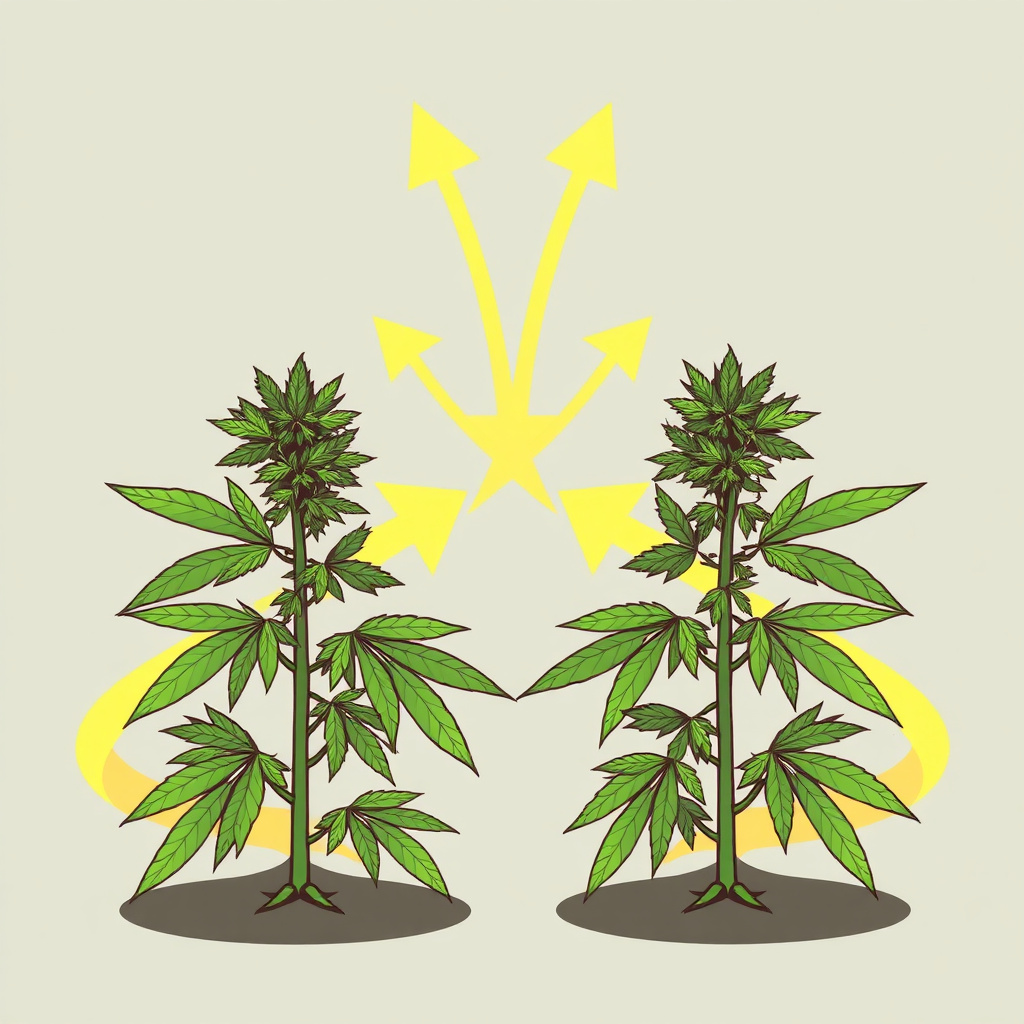
At its core, cannabis breeding involves selecting two parent plants and crossing them to mix their genetic traits. The breeder then grows the offspring to analyze which traits have been passed on and selects the best candidates to continue breeding. This method aims to enhance desirable qualities while minimizing unwanted traits.
Because cannabis is a dioecious plant with male and female individuals, breeders carefully control pollination to produce seeds with predictable genetic outcomes. Without controlled breeding, genetics can remain inconsistent, leading to variability in plant performance and cannabinoid profiles.
Why Breeding Matters for Cannabis Cultivation
Breeding allows the creation of strains tailored to specific needs, such as resilience to mold, faster flowering times, or elevated CBD levels beneficial for medical users. Without breeding, growers can only rely on existing strains which may not perform well in their environment.
By improving yield and potency through selective breeding, growers can maximize their harvests and produce higher-quality flower. It also contributes to maintaining genetic diversity, which is vital for the long-term health of cannabis crops.
Common Cannabis Breeding Techniques
Hybridization: Combining Two Parent Strains
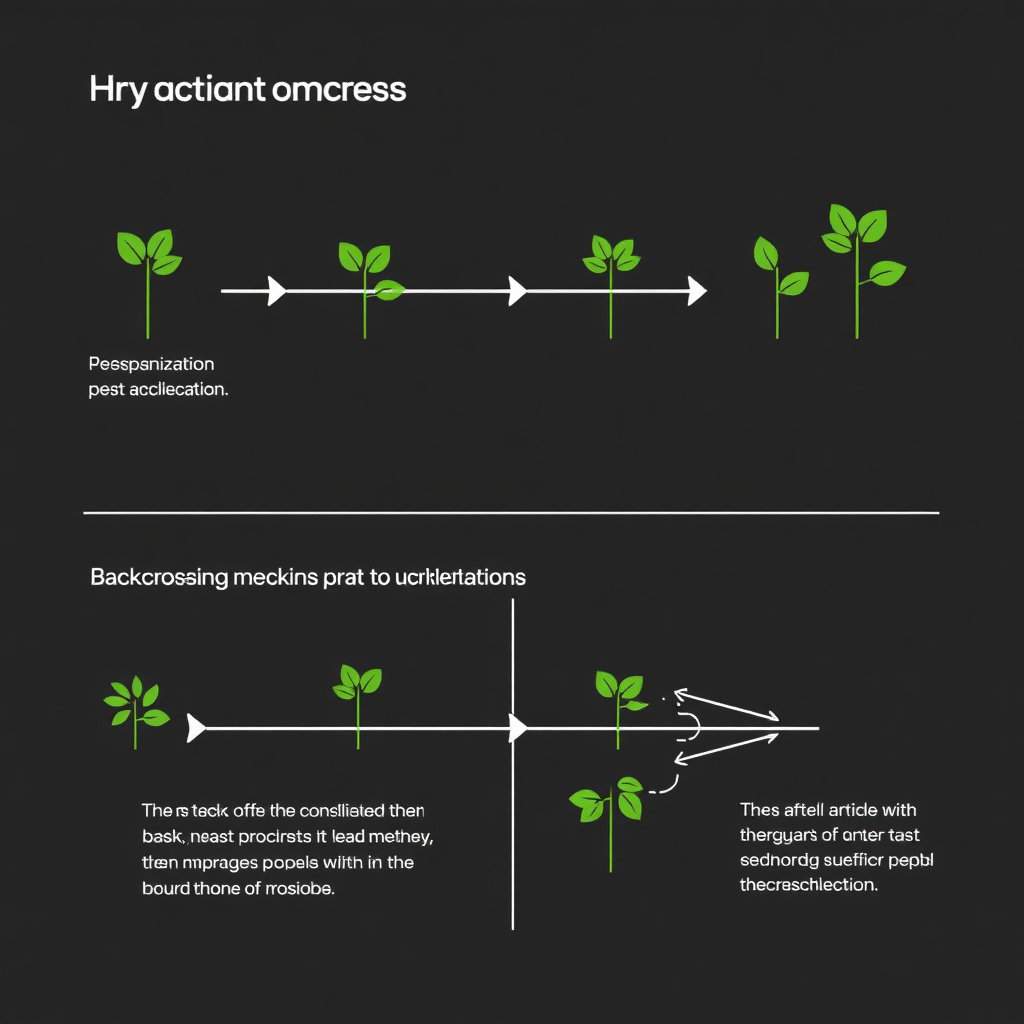
Hybridization is the process of crossing two genetically distinct cannabis plants to produce offspring that contain traits from both parents. This method often results in hybrid vigor, where the plants show improved growth or cannabinoid production compared to parent strains.
Breeders can cross indica and sativa varieties, for example, to achieve new hybrids that balance desired effects and cultivation attributes. This initial hybridization is often followed by selection over multiple generations to stabilize favorable traits.
- Cross male and female plants deliberately
- Select offspring with ideal traits
- Repeat crosses for several generations
Backcrossing and Stabilization
Backcrossing involves breeding a hybrid offspring back with one of its parent plants. This technique is used to reinforce specific traits from a parent strain while maintaining the hybrid's general profile. It helps in stabilizing the genetic characteristics in subsequent generations.
Repeated backcrossing can create stable strains that reliably produce consistent plant structure, cannabinoid levels, and aroma. Achieving full stabilization can take several generations and careful selection of phenotypes.
- Breed offspring back to original parent
- Select consistent phenotypes
- Stabilize traits over multiple generations
Genetics and Phenotypes in Cannabis Breeding
Understanding Cannabis Genetics
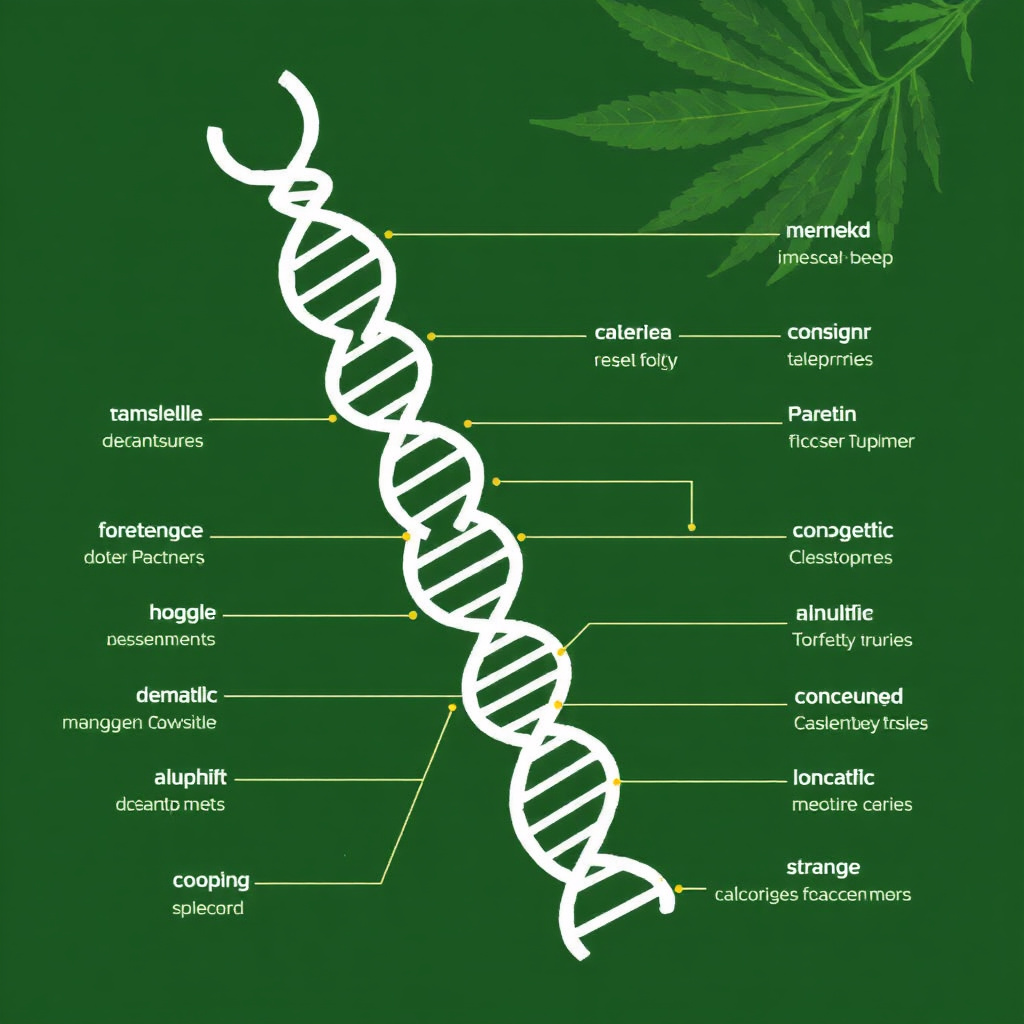
The genetics of cannabis determine a plant's potential size, cannabinoid profile, terpene production, and disease resistance. Breeders analyze genetic markers to predict which traits may appear in offspring, although environmental factors can also influence expression.
Modern breeding sometimes uses lab testing to identify desirable gene combinations early in seedlings, speeding up selection. Understanding genetics helps breeders make informed crosses to combine traits more effectively.
For more on this, see our related guide: How Are Cannabis Strains Bred? A Practical Guide to Cannabis Breeding.
Phenotypes and Trait Expression
Phenotypes are the observable traits of a cannabis plant, such as leaf shape, bud density, color, and smell. Because genetics can express differently based on environment or random chance, each seed from a cross may grow into a unique phenotype.
Selective breeding involves choosing seedlings that show the preferred phenotypes and propagating those to improve consistency within a strain. This process takes several generations to minimize phenotypic variation.
- Leaf shape and size
- Flowering time
- Cannabinoid and terpene profiles
- Resistance to pests
Challenges in Cannabis Breeding
Genetic Diversity and Inbreeding
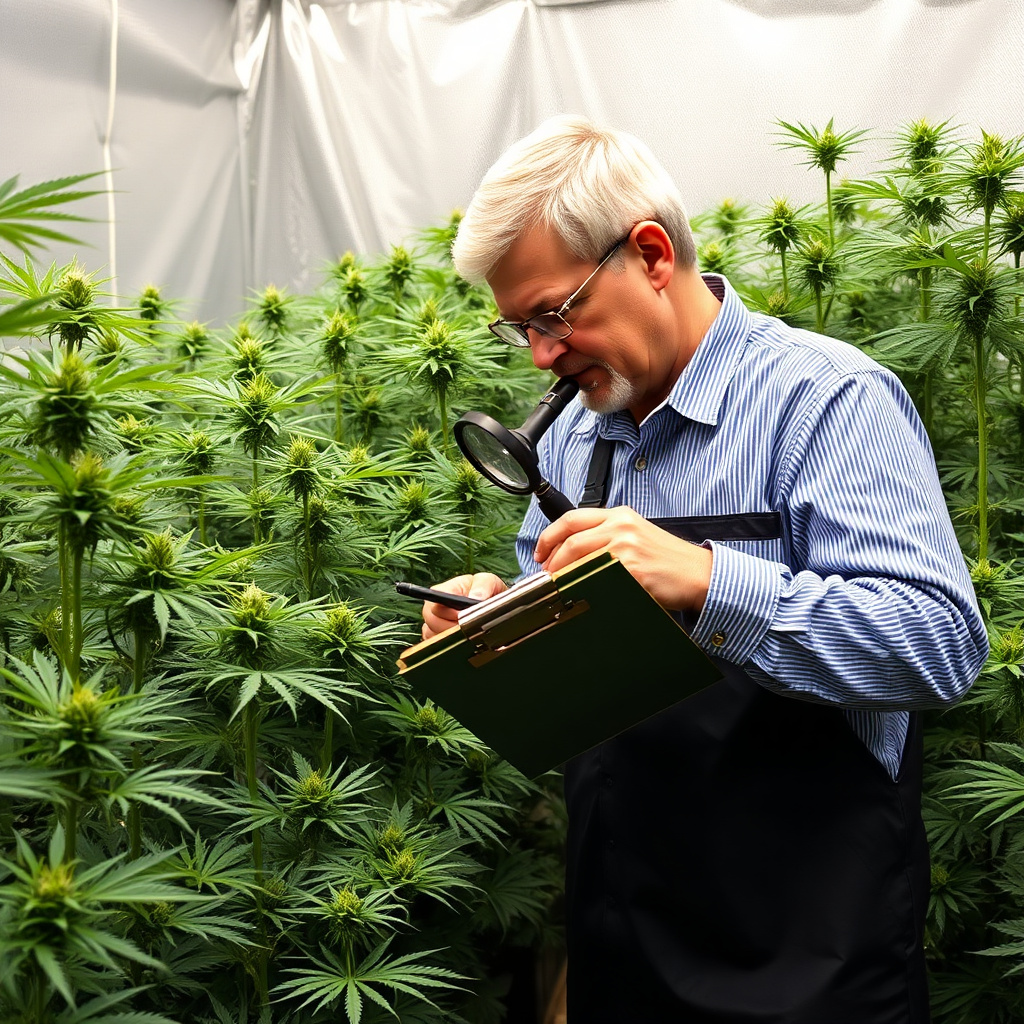
Limited genetic diversity can lead to inbreeding depression, reducing vigor and increasing susceptibility to diseases. Since some commercial cannabis strains share common ancestors, breeders must introduce new genetics to maintain healthy populations.
Balancing inbreeding to stabilize traits while avoiding genetic stagnation is one of the biggest challenges in breeding cannabis, especially given legal restrictions on sourcing diverse genetic material.
Legal and Regulatory Limitations
Cannabis breeding is subject to complex regulations that vary by region, affecting the availability of seeds, breeding stock, or the ability to conduct experimental crosses. These legal constraints can hinder innovation and limit access to genetic diversity.
Growers must navigate licensing, seed shipment laws, and intellectual property rights when developing and distributing new strains, making the breeding process more complex than for many other crops.
Modern Trends in Cannabis Breeding
Use of Genetic Testing and Marker-Assisted Selection
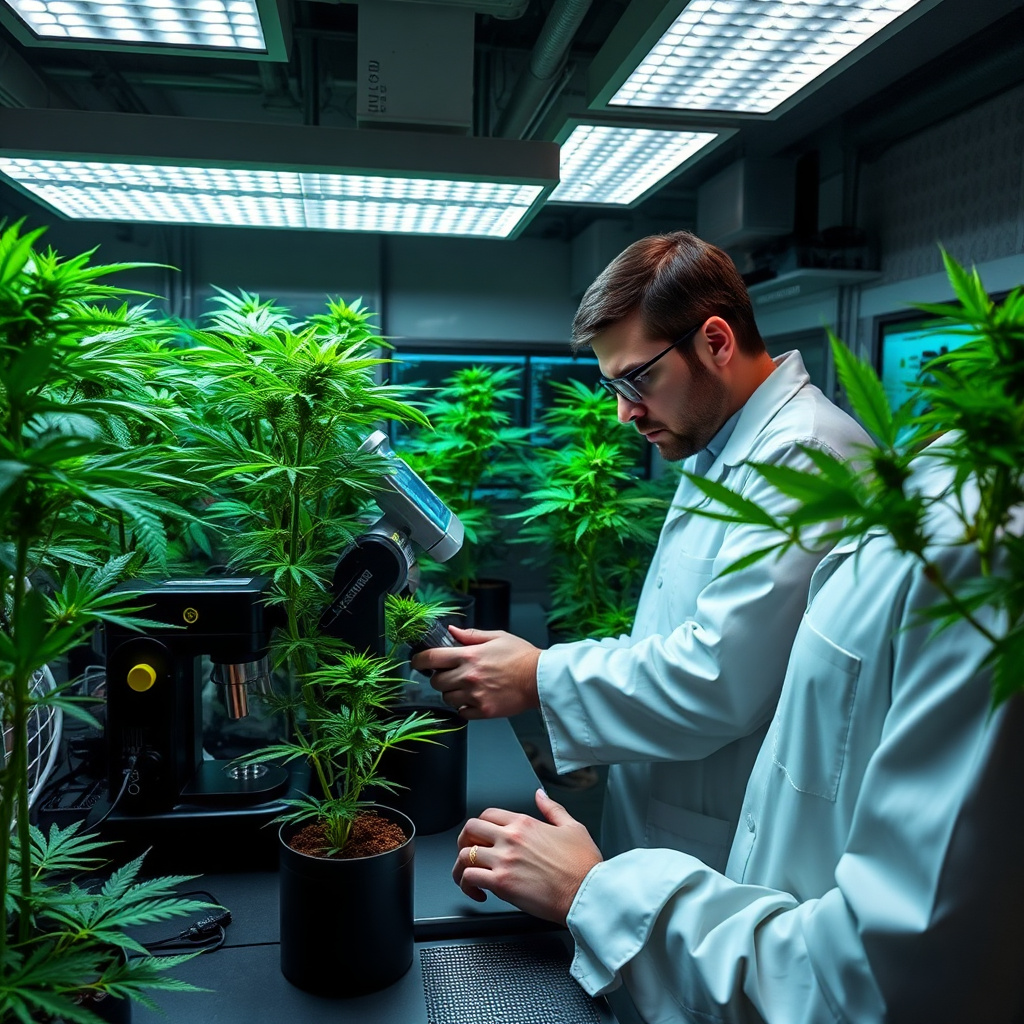
Advancements in genetic testing allow breeders to identify specific genes controlling cannabinoid production or pest resistance. Marker-assisted selection accelerates breeding by allowing early screening of seedlings for desired traits.
This technology reduces the time and resources needed for breeding programs and increases the precision in combining traits, resulting in more predictable outcomes.
For more on this, see our related guide: Cannabis Seed FAQ: Answers to Your Most Common Questions.
Creating High-CBD and Specialty Strains
Growing demand for medical cannabis has driven breeders to focus on strains with unusual cannabinoid ratios, such as high-CBD or unique terpene profiles. Breeding programs now work specifically to develop strains for targeted therapeutic effects or niche markets.
Specialty strains also cater to users who want mild psychoactivity, specific aromas, or efficient flowering times, broadening cannabis options beyond traditional recreational types.
- High-CBD medicinal strains
- Terpene-focused flavor profiles
- Low-THC hemp varieties
How to Start Breeding Cannabis at Home
Selecting Parent Plants for Breeding
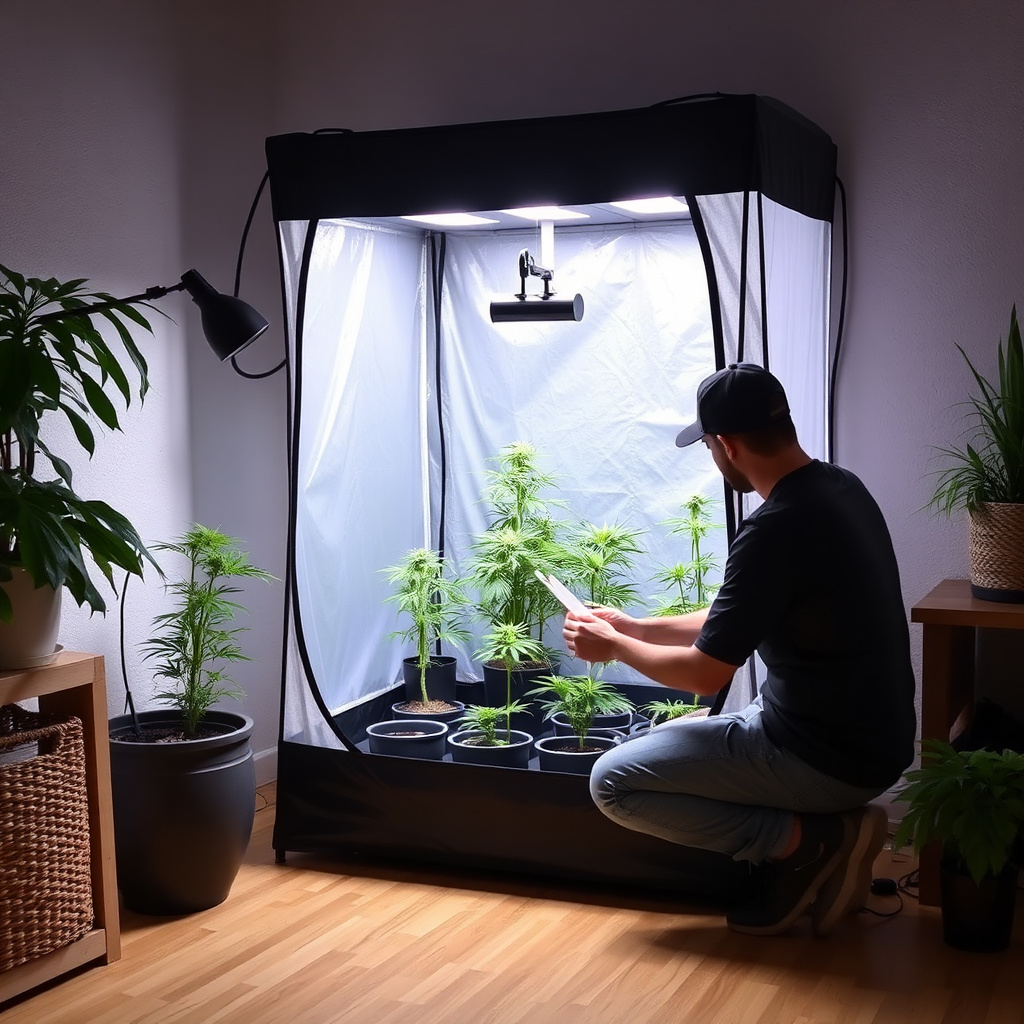
Home breeders should start by choosing healthy, vigorous plants that show traits they want to combine, such as aroma, potency, or flowering speed. The selected parents should be free of pests and diseases to avoid passing problems to offspring.
It’s often best to select one male and one female with complementary traits to begin hybridization, followed by growing multiple seeds to select the best offspring for further breeding.
- Healthy and vigorous parents
- Complementary phenotypes
- Stable parent genetics if possible
For additional technical details and history, you can refer to the comprehensive cannabis breeding overview on Wikipedia. Cannabis breeding overview on Wikipedia.
Controlled Pollination and Growing Offspring
To breed cannabis, growers must collect pollen from a male plant and apply it selectively to female flowers to avoid unwanted cross-contamination. This can be done with small brushes or by isolating plants in a separate grow space.
Offspring are grown out and evaluated for traits such as growth rate, bud quality, and cannabinoid content. Selecting top-performing plants allows continuation of breeding lines or backcrossing.
- Collect pollen carefully
- Isolate pollination area
- Evaluate seedlings thoroughly
Comparison of Common Cannabis Breeding Methods
This table compares the primary cannabis breeding methods based on complexity, time required, and trait stability.
| Method | Complexity | Time to Stabilize | Trait Stability | Common Uses |
|---|---|---|---|---|
| Hybridization | Low to medium | 3-5 generations | Variable initially | Create new hybrid varieties |
| Backcrossing | Medium | 5-7 generations | High | Stabilize traits, reinforce a parent trait |
| Selfing (Self-pollination) | High | 5-8 generations | Very high | Develop homozygous lines |
| Mass Selection | Low | Varies | Low to medium | Improve populations gradually |
Frequently Asked Questions
What is the difference between hybridization and backcrossing in cannabis breeding?
Hybridization crosses two different parent plants to combine traits, while backcrossing breeds hybrids back to one parent to stabilize specific traits or reinforce characteristics.
How long does it take to develop a stable cannabis strain?
Typically, stabilizing a cannabis strain can take 3 to 8 generations of selective breeding, depending on the method used and the complexity of desired traits.
Can I breed cannabis plants at home safely?
Yes, with controlled pollination and careful selection of healthy parent plants, home growers can experiment with breeding to create unique offspring.
Why is genetic diversity important in cannabis breeding?
Genetic diversity helps prevent inbreeding depression, maintains plant vigor, and allows breeders to combine a wider range of beneficial traits.
What role do phenotypes play in cannabis breeding?
Phenotypes are the visible traits expressed by genetics and environment; breeders select offspring with preferred phenotypes to improve strain consistency.
Key Takeaways
- Cannabis breeding mixes genetics to develop plants with desired traits.
- Hybridization and backcrossing are primary breeding methods.
- Genetic diversity and phenotypic selection are crucial for success.
- Modern tools enhance breeding precision and efficiency.
Conclusion
Cannabis breeding is a complex blend of art and science involving the deliberate crossing of plants to refine traits like potency, flavor, and resilience. Successful breeders analyze genetics and phenotypes carefully, using methods such as hybridization to combine diverse genetics and backcrossing to stabilize desirable traits. Understanding this process helps growers produce consistent, high-quality plants tailored to specific needs.
For those interested in breeding cannabis, starting with hybridization offers a manageable way to explore genetic combinations, while backcrossing enables trait reinforcement for more uniform offspring. High-CBD and specialty strains highlight how breeding meets diverse user demands, and genetic testing tools increasingly speed progress. Adapting breeding goals to environmental conditions or market trends results in better, more reliable cannabis varieties.
Approaching cannabis breeding with patience, attention to detail, and respect for genetic diversity will yield the best outcomes. Whether working at home or in a larger facility, selecting healthy parents and controlling pollination are foundational steps. As laws evolve, expanded access to genetics and technology will open new possibilities for breeders and consumers alike.