How to Tell a Good Seed from a Bad Seed: A Practical Buyer’s Guide
The best way to tell a good seed from a bad seed is by examining its physical characteristics and testing its viability. Good seeds are typically plump, firm, and free from discoloration or damage, while bad seeds often appear shriveled, broken, or moldy. A simple germination test can also confirm a seed’s viability before planting.
Identifying quality seeds is important because it directly affects how well your plants grow, how many actually sprout, and the health of your garden overall. Bad seeds waste time, space, and resources, leading to poor harvests or failed crops. Knowing what separates a good seed from a bad one equips you to make smarter choices when buying or sorting seeds.
This article will explore various methods to distinguish good seeds from bad seeds, including visual inspection, float tests, and germination checks. We will also cover factors that influence seed quality, how to properly store seeds, and provide practical tips to boost your planting success.
Physical Characteristics of Good Seeds
Seed Size and Shape
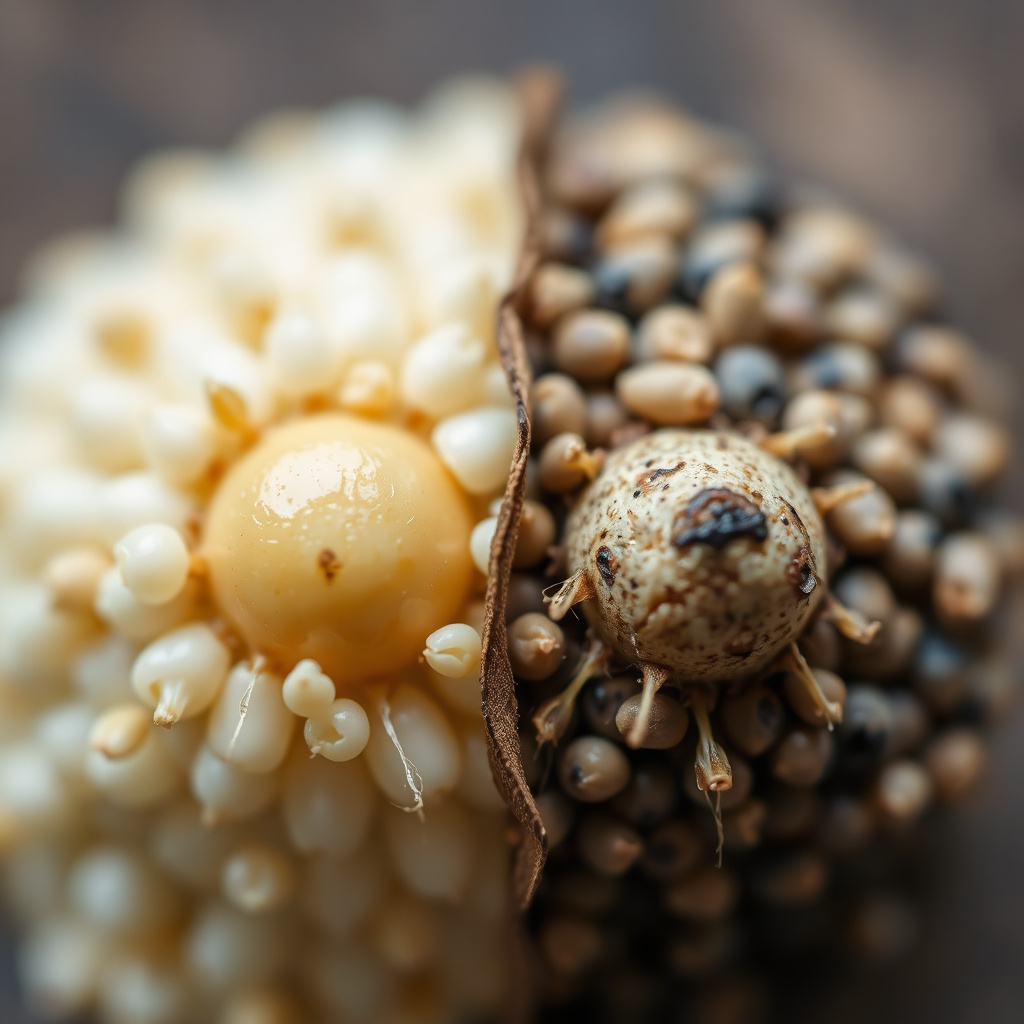
Good seeds often have a uniform size and a well-defined shape that matches their species typical appearance. Seeds that look misshapen or unusually small compared to others of the same type might be immature or low quality.
Uniformity in shape and size generally indicates proper development, which is often correlated with higher germination rates. Any inconsistencies could be a sign that these seeds may not perform well in germination or growth.
Seed Color and Texture
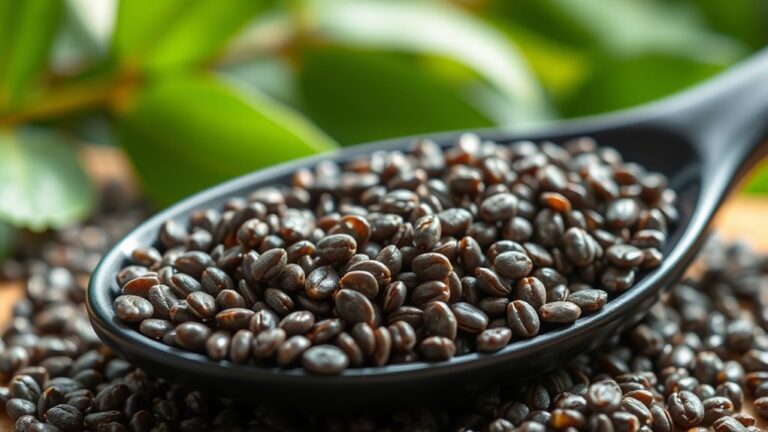
A good seed usually boasts a vibrant, natural color that's appropriate for its kind, without spots, mold, or discoloration. The texture should be firm and smooth rather than soft, brittle, or crumbly.
Quality seed color and texture reflect freshness and health, whereas bad seeds may appear faded, dull, or have visible fungal growth. These physical cues are the first step in seed quality assessment.
Simple Tests to Identify Seed Viability
The Float Test
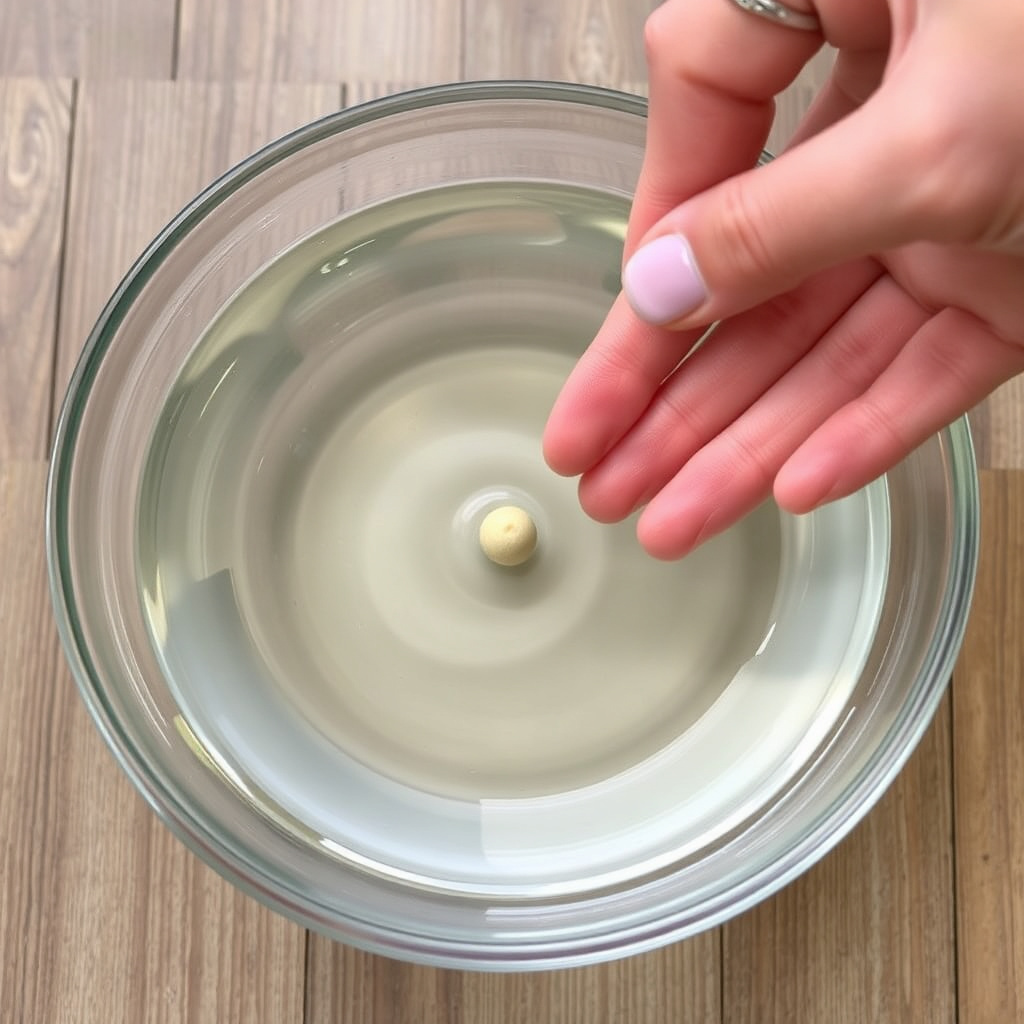
One practical method to distinguish good seeds from bad seeds is the float test, where seeds are placed in water to see if they sink or float. Viable seeds usually sink because they are dense and full, while most bad seeds float due to being hollow or damaged.
Although the float test is not perfectly accurate for all seed types, it serves as a quick screening method to reduce the amount of bad seeds before planting.
- Fill a container with room temperature water
- Place seeds gently on the surface
- Wait about 15 minutes and observe
- Discard floating seeds as likely non-viable
Germination Test
A germination test provides the most reliable measure of seed quality by simulating growing conditions to see how many seeds sprout. Place a sample of seeds on a damp paper towel, fold it, and keep it warm and moist for several days to weeks depending on the seed type.
Counting how many seeds germinate from the sample gives a percentage indicating viability. This test helps gardeners decide whether to buy more seeds or proceed with planting.
- Lay seeds on a damp paper towel
- Keep the towel moist and warm
- Monitor sprouting over 7-14 days
- Calculate germination rate as percentage
Factors Affecting Seed Quality and Longevity
Seed Age and Storage Conditions
Seeds have a limited shelf life and degrade over time, especially if stored improperly. Exposure to heat, moisture, and light reduces viability rapidly, whereas cool, dry, and dark storage extends lifespan significantly.
Older seeds tend to lose vigor, so it’s important to check seed packet dates or source freshly harvested seeds. Proper packaging and climate-controlled storage can maintain seed quality longer.
- Store seeds in airtight containers
- Keep in cool, dry, dark locations
- Avoid frequent temperature fluctuations
- Label seeds with harvest or purchase date
For more on this, see our related guide: How Long Do Chia Seeds Last – A Quick Storage Guide.
Seed Treatment and Preparation
Some seeds benefit from pre-planting treatments like scarification or stratification to break dormancy and improve germination rates. However, damaged or improperly treated seeds may fail to sprout even if they appear good physically.
Understanding these specific requirements helps farmers and gardeners maximize success by ensuring seeds are properly prepared before sowing.
Visual Inspection Tips for Different Seed Types
Vegetable Seeds
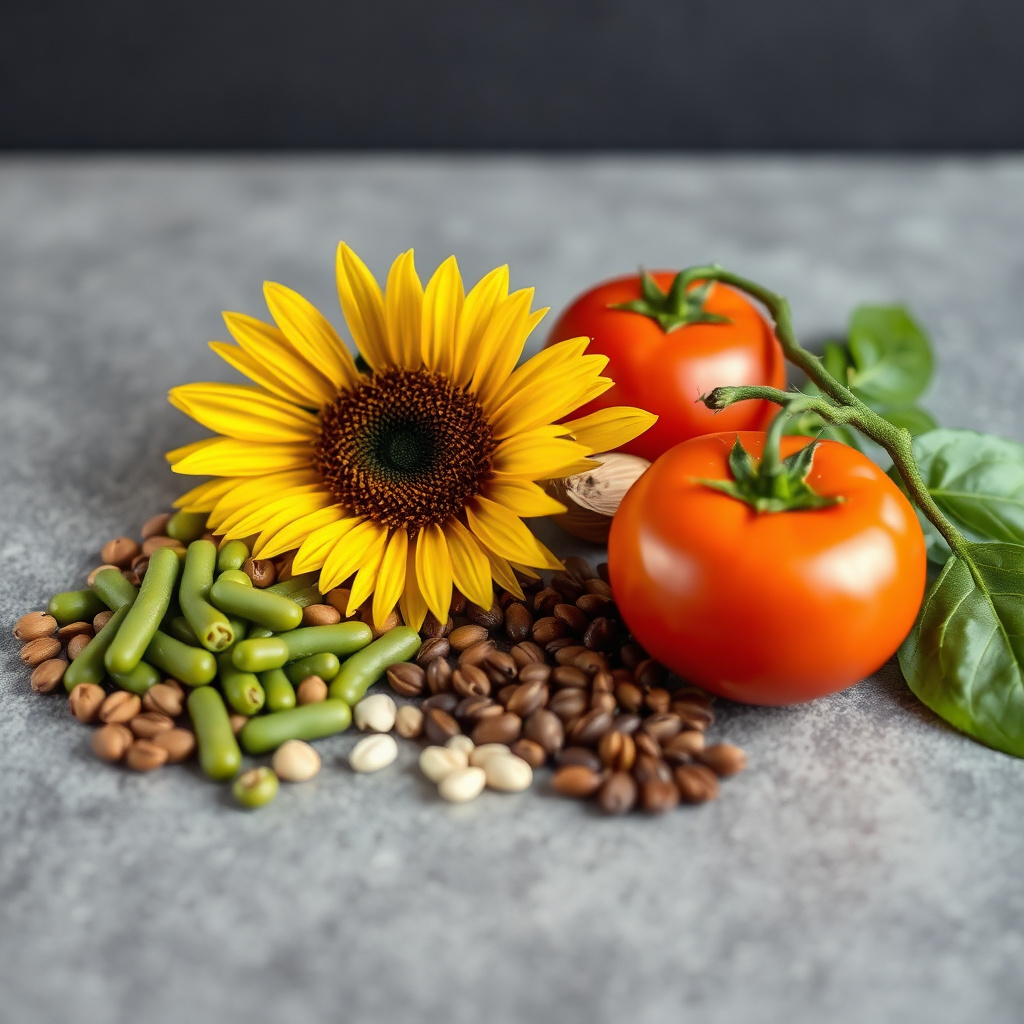
Vegetable seeds such as beans and peas generally look plump and have a smooth outer coat. Wrinkled, shriveled, or cracked seeds are typically bad. Checking the seed coat for signs of mold or discoloration helps avoid fungal issues in the soil.
Additional considerations include checking for uniform color and avoiding seeds that feel excessively soft or brittle, as these are likely aged or damaged.
Flower Seeds
Flower seeds vary in size and shape but commonly share attributes like firmness and vibrant color. Tiny flower seeds can be harder to assess visually but should not appear crushed or fragmented.
Using magnification tools or planting a few test seeds can assist in evaluating viability when visual clues are ambiguous.
Proper Seed Storage Techniques
Containers and Environment
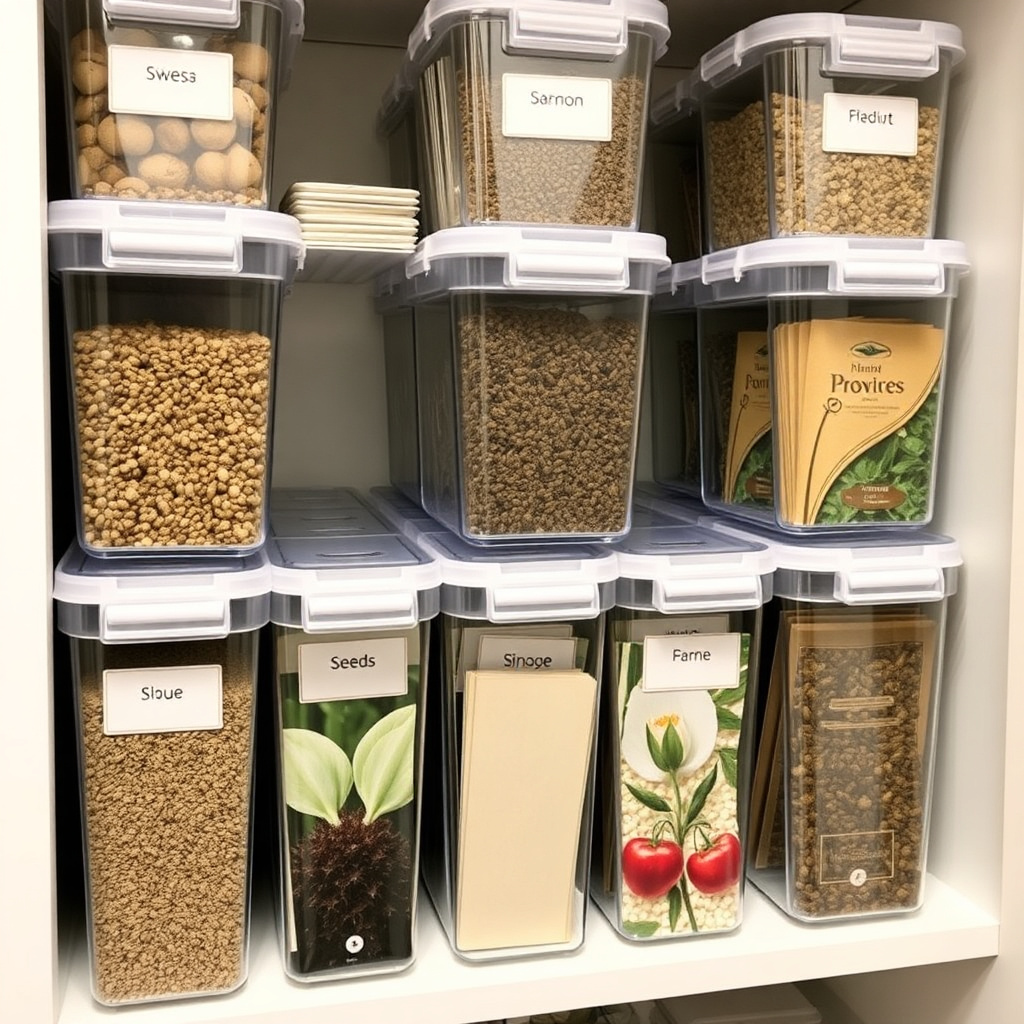
Airtight containers such as glass jars with rubber seals or sealed plastic bags provide the best barrier against moisture and pests, which degrade seed quality. Combining these containers with a dry, cool storage environment like a refrigerator can preserve seed viability for years.
Avoid using paper envelopes or cardboard boxes alone for long-term storage, as these materials absorb moisture and accelerate deterioration.
- Use glass jars with tight lids
- Add silica gel packets to absorb moisture
- Store seeds in a refrigerator if possible
- Keep storage area dark and stable in temperature
For more on this, see our related guide: Do Sunflower Seeds Go Bad?.
Labeling and Rotation
Labeling seed packets with species, variety, and date harvested or purchased helps track shelf life and prioritize older seeds for planting. Regularly rotating seed stock by planting the oldest first minimizes waste and improves garden yield.
Keeping an inventory of seed types and quantities aids in maintaining a well-managed seed collection.
- Write species and date clearly on containers
- Use a rotation system for planting older seeds
- Keep a seed inventory list for reference
Seed Quality and Its Impact on Plant Growth
Germination Rates and Seedling Vigor
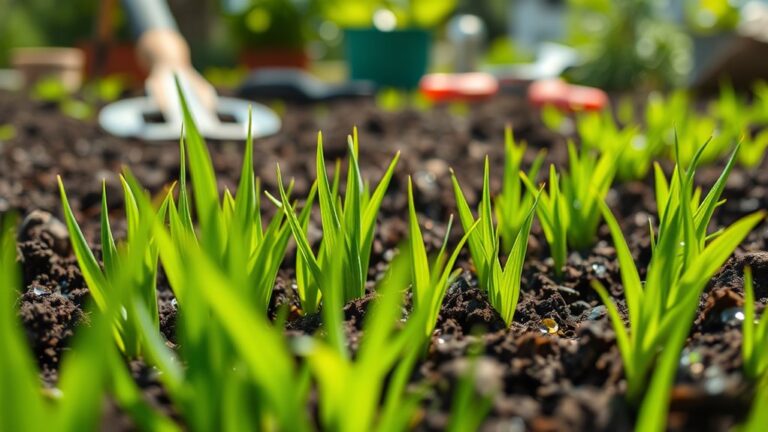
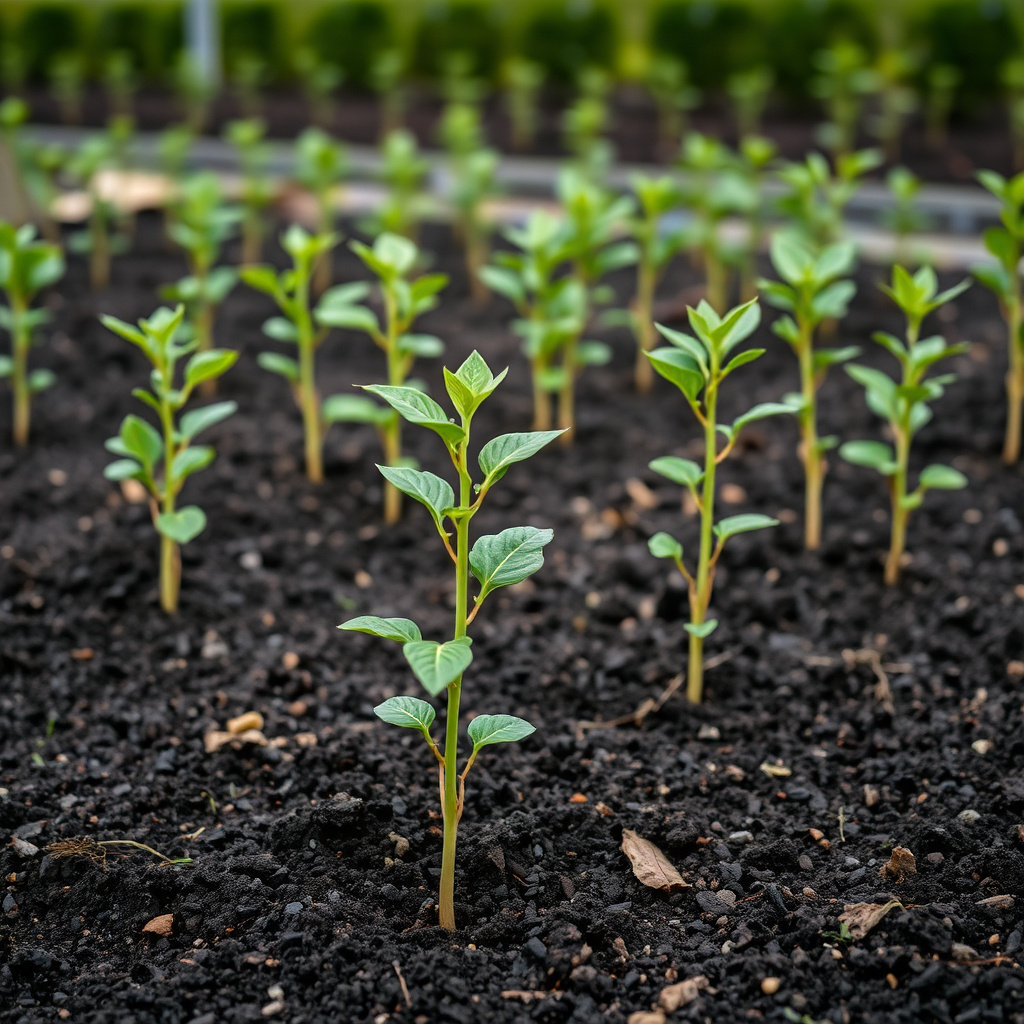
The quality of seeds directly affects germination rates and the vigor of resulting seedlings. High-quality seeds produce more uniform and healthy plants, leading to robust growth and better yields.
Conversely, poor seed quality results in patchy germination, weak seedlings, and increased vulnerability to disease or environmental stresses during early growth stages.
For more detailed guidelines on seed viability, the USDA provides comprehensive resources that explain seed testing methods and storage best practices. Seed viability information from the USDA.
Long-Term Crop Success
Good seeds lay the foundation for sustained crop success by providing plants with the genetic potential to thrive. Using quality seeds improves resistance traits and consistency from harvest to harvest.
Investing time in selecting and verifying good seeds pays off with dependable plant production and less need for replanting or intervention.
Seed Quality Assessment Methods Comparison
Here's a quick overview comparing different methods used to determine seed quality for gardeners and farmers.
| Method | Accuracy | Speed | Ease of Use | Cost |
|---|---|---|---|---|
| Visual Inspection | Medium | Fast | Easy | Free |
| Float Test | Medium-Low | Fast | Easy | Free |
| Germination Test | High | Slow (7-14 days) | Moderate | Low-Cost |
| Laboratory Testing | Very High | Variable | Difficult | Expensive |
Frequently Asked Questions
Can all types of seeds be tested with the float test?
Not all seeds respond well to the float test. While many viable seeds sink, some healthy seeds naturally float due to internal air pockets. Float testing is better suited for certain crops but should be combined with other methods for best results.
How long can seeds remain viable if stored properly?
Under cool, dry, and dark storage conditions, many seeds can remain viable for one to five years. Some species last longer, while others like onions or parsnips have shorter shelf lives. Proper storage extends longevity significantly.
What does a germination rate below 50% indicate?
A germination rate below 50% suggests poor seed quality or improper storage, meaning many seeds are unlikely to sprout. Planting such seeds may result in patchy growth and lower yields, making new seed purchases advisable.
Is it necessary to scarify or stratify seeds before planting?
Certain seeds require scarification or stratification to break dormancy and stimulate germination. Not all seeds need these treatments, so researching species-specific needs ensures proper preparation for better results.
How can I tell if seeds are too old to plant?
Indications of old seeds include shriveled appearance, discoloration, or poor germination during testing. If seeds fail a germination test or feel brittle or powdery, it’s best to replace them with fresh stock.
Key Takeaways
- Good seeds are firm, uniformly shaped, and free from discoloration or damage.
- Simple tests like the float test and germination test help verify seed viability.
- Proper storage in cool, dry, airtight conditions preserves seed quality longer.
- Seed quality strongly influences germination success and healthy plant growth.
Conclusion
Choosing good seeds over bad seeds is fundamental for successful planting and strong garden performance. By focusing on physical traits like seed size, shape, and color, and utilizing tests such as the float and germination tests, gardeners can significantly boost their chances of productive growth. Understanding the importance of seed viability and quality helps avoid frustration caused by poor germination and patchy crops.
Depending on your needs, visual inspection combined with a quick float test may suffice if you’re planting common vegetable seeds or flower seeds. For large-scale farming or important crops, conducting germination tests or even seeking laboratory analysis offers the best assurance. Storage techniques also play a critical role in prolonging seed usability, with cool, dry, and airtight conditions maintaining quality over time.
If you want to improve your seed selection today, start by inspecting seeds closely and performing a simple float test. For higher confidence, conduct a small germination test before investing heavily in planting. Keeping good records and practicing proper storage will save resources and lead to healthier, more productive plants.